Table of Contents
If you spend a lot of time looking for new movies to watch, you've probably noticed the recent uptick in biopics. Lately, it feels like it's hard to go to the theater without seeing trailers for films like Back to Black, Bob Marley: One Love, and A Complete Unknown. It's hard not to wonder why we're seeing so many new films in this genre.
What is a Biopic?
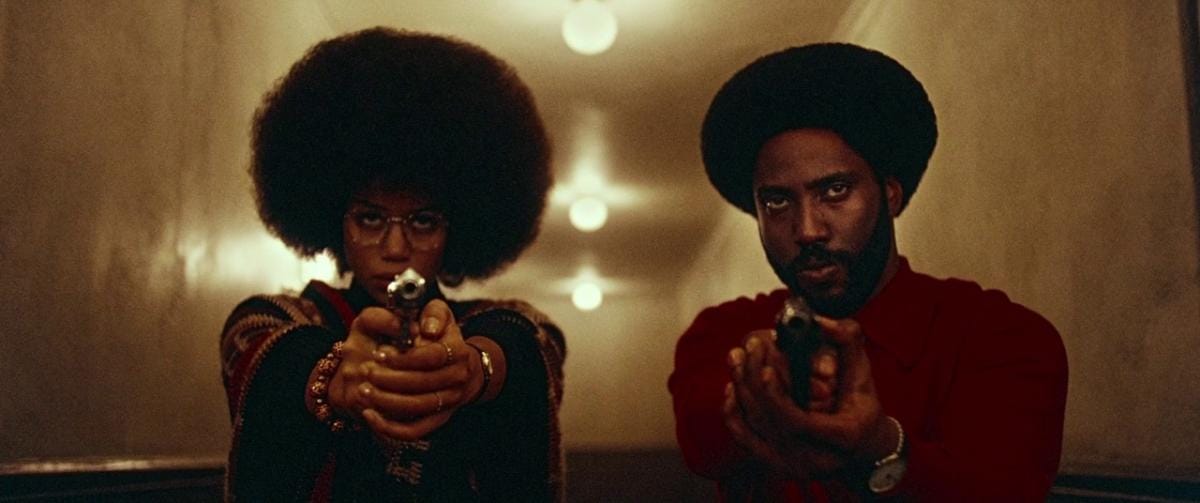
Biopics are the film equivalent to biographies; that is to say, they tell real stories about real people and real events. However, just because a film is a biopic doesn't mean that all of its elements are 100% true. It's fairly common for biopics to change slight details to better fit the narrative. An extreme example of this is Spike Lee's BlacKkKlansman which not only creates a fictional love interest for the protagonist, it also has an explosive finale which is nowhere near what happened in real life.
Why so many?
Biopics have existed for a long time, but the recent boom seems abnormal. Why are we seeing so many now?
We all understand that Hollywood has one goal: make money. Any trends we see, therefore, must be directly linked to that pursuit. It's why we've also seen an increase in media that's created from pre-existing IP; if something has proven itself to be successful, then making more of it will lead to profit.
Ever wonder why the MCU is still able to make money despite mixed reviews? Audiences put their trust into a series they like, so even if that series has sometimes disappointed them, they are still likely to continue watching because it has already shown them that it can be good. Why try something new from the menu when you already have a meal that you like?
Biopics act the same way. All studios have to do is gain the rights to a person's life story, make the movie, and then sit back and relax as the cash flows directly into their pockets. This is why most of the recent biopics we're seeing are about famous musicians. As an audience member, if you see a trailer for a movie about a musician you listen to, you at least know that you'll like the soundtrack. Why not take an opportunity to learn a bit while listening to some iconic hits?
What's the problem?
Industry trends aren't necessarily bad things. Audience tastes shift over time, and that's fine. However, I still have a bone to pick with a lot of these biopics. Many of them suffer from the same problem.
They're boring.
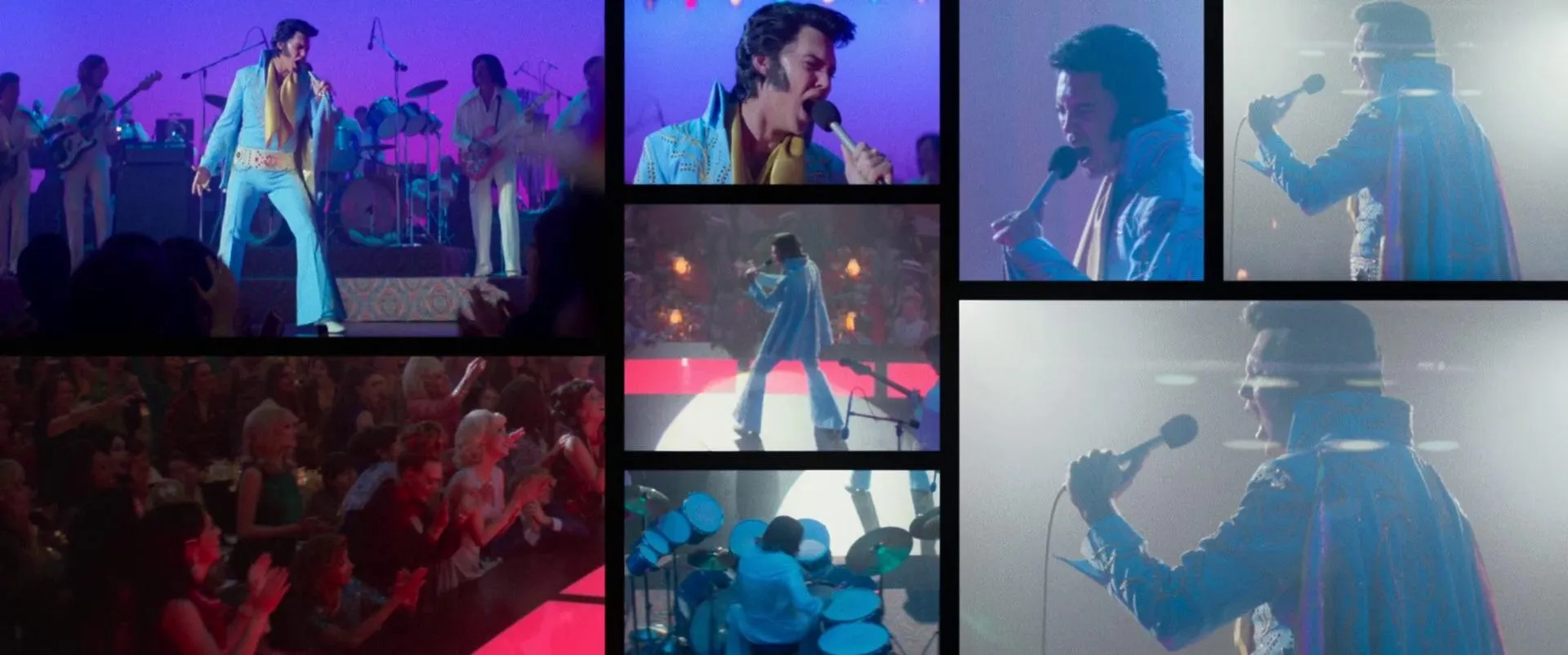
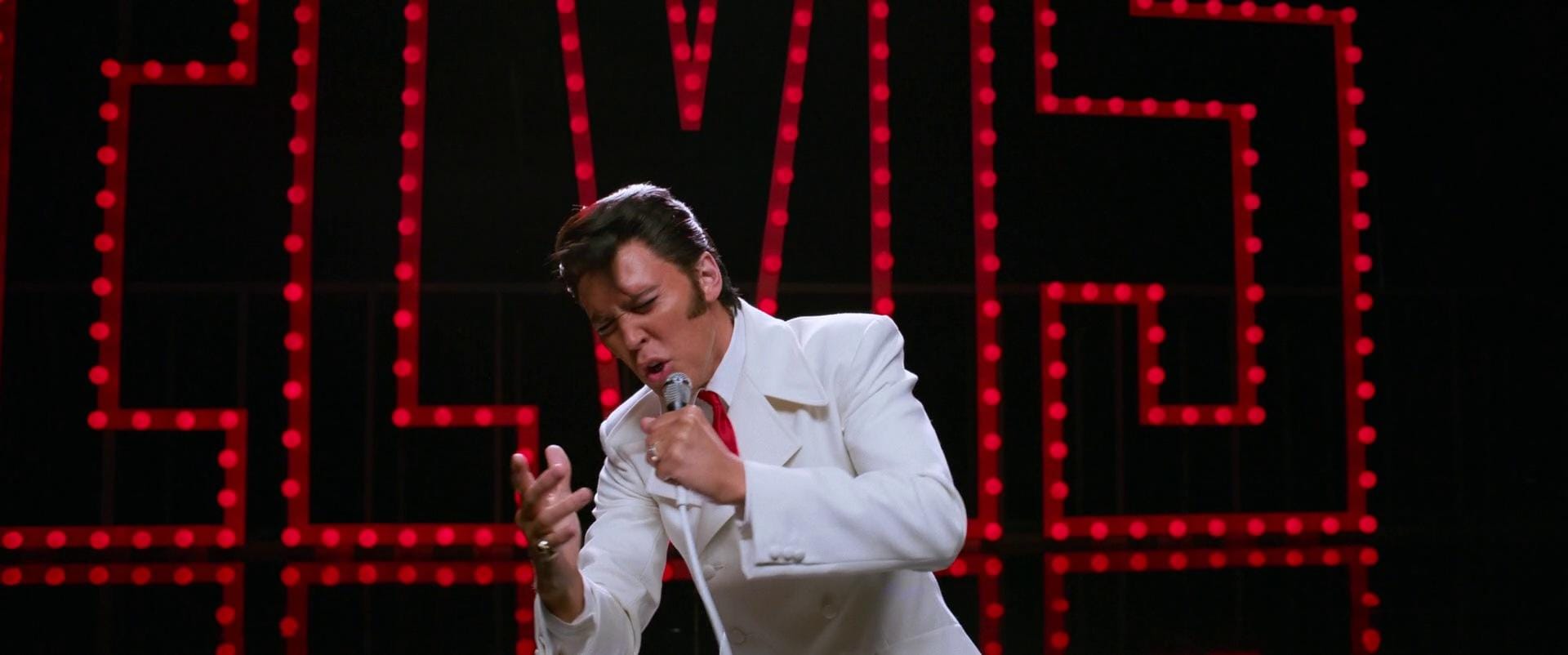
It's not that they're boring on their own. A couple years ago, I watched Respect, a film about the life of Aretha Franklin (portrayed by Jennifer Hudson), and I thought it was pretty good. My opinion of it didn't change until I watched more biopics over the next few years such as Get on Up, Notorious (not to be confused with the Alfred Hitchcock film of the same name), and Elvis. All of these movies tell fine stories on their own. The problem is that when they are broken down beat by beat, their narratives are essentially the same. They all follow musicians from humble backgrounds who saw a quick rise to success and struggled with drug abuse. Even biopics that aren't about musicians like Race often follow a similar structure.
You can't really blame the writers for this. The fact of the matter is that many famous musicians share similar life stories. In fact, if you break down most regular people's lives, they would probably look almost identical to someone else's. Take me for example. The logline for the Raquel Estes biopic would be something along the lines of "A suburban girl leaves home to study film". This description also fits several of my peers. You could get even more descriptive by adding the specific area that I'm from or that I'm a transfer student – I could still name a few other students at my school who could also have a biopic with the same logline.
The truth is, when you break a person's entire life down into plot points, it seems a lot less unique. No one has a completely original experience, which is good because it means we can easily connect with each other.
How to make a not boring biopic
Something that's strangely common about biopics is that they contain most of a person's life. They start when the person is a young child and end at either the end of their career or their death. This sounds intuitive; it makes sense to start at the beginning of a life and finish near its end. It only becomes odd when you consider that this is not how most movies are written.
Most fiction films take place during a specific moment in the main character's life. The plot could last anywhere from a day to several months, but most films do not have their main character age more than a year during the film's runtime. This is because it's hard to sustain a character arc over several decades. In real life, we have periods of time where we struggle with specific problems, and while some of those problems can take years to solve, we don't usually have problems which take our entire lives to figure out.
Films which take place over the course of years have to decide what part of a person's life is important narratively. Otherwise, the story can feel a bit watered down.
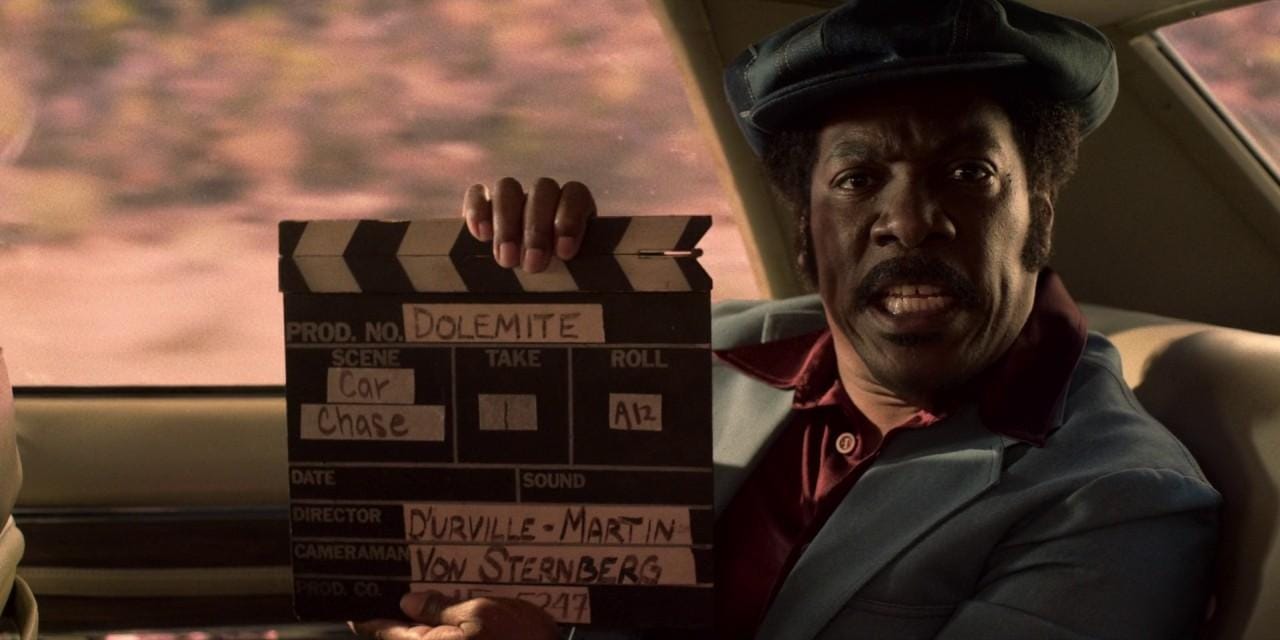
There's no reason a biopic has to cover a person's entire life. I've found that biopics which only cover a section of someone's life have more interesting plots because of this. For example, Dolemite Is My Name only covers the life of Rudy Ray Moore from the start of his comedic career until the release of Dolemite. This allows the film to expand on his character and explore two separate aspects of his life (from comedian to Blaxploitation star). Most of my favorite biopics such as Amadeus, The Rosa Parks Story, and Selma use this same technique.
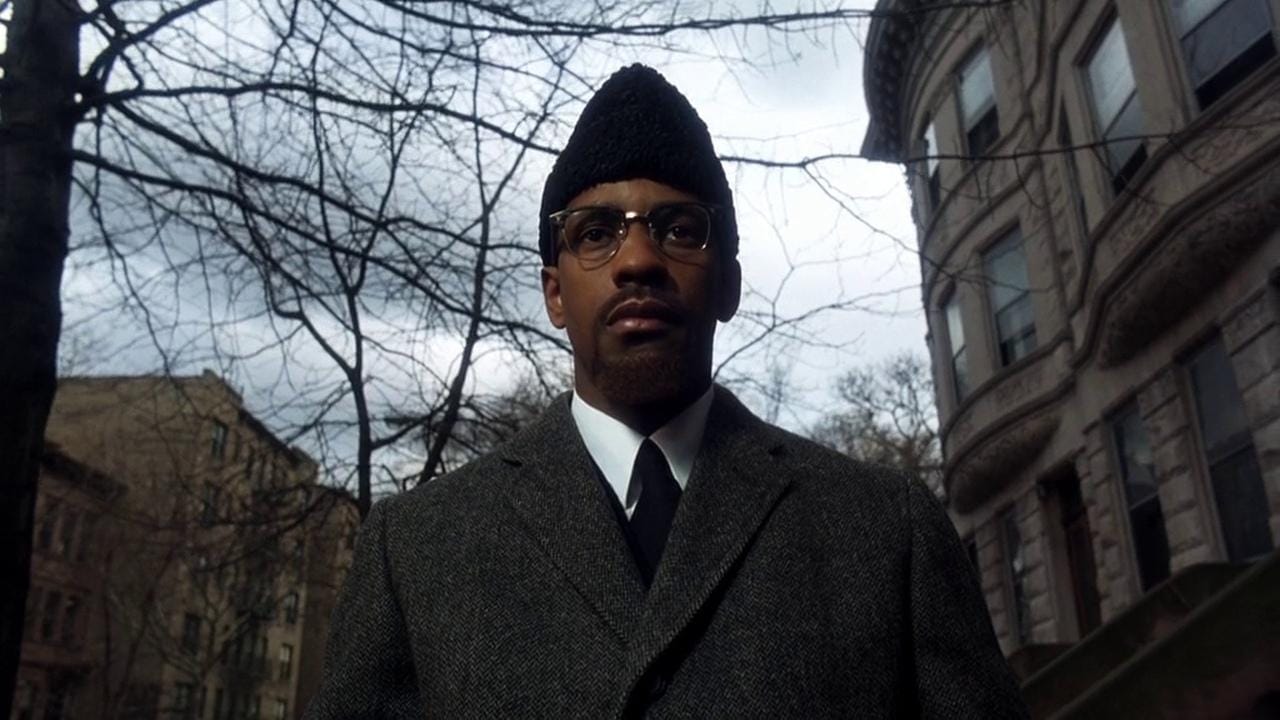
If a writer insists that a biopic must include the entire life story, there are still many things they can do to make sure the film feels unique. Many biopics (even the boring ones) employ unconventional structures like Oppenheimer which tells its story out of order, or Malcolm X which saves its inciting incident for the midpoint of the film.
We could also use more biopics which are about lesser known figures, not only because it's important to tell their stories, but also because audiences are less likely to already know about the people featured. Films like Priscilla and Judas and the Black Messiah focus on forgotten members of history in a dramatic and entertaining way.
Biopics don't have to be boring. In fact, they shouldn't be boring. Learning about someone's life should be fun and many of the people who have had biopics made about them deserve to have their story told in an interesting way.