Table of Contents
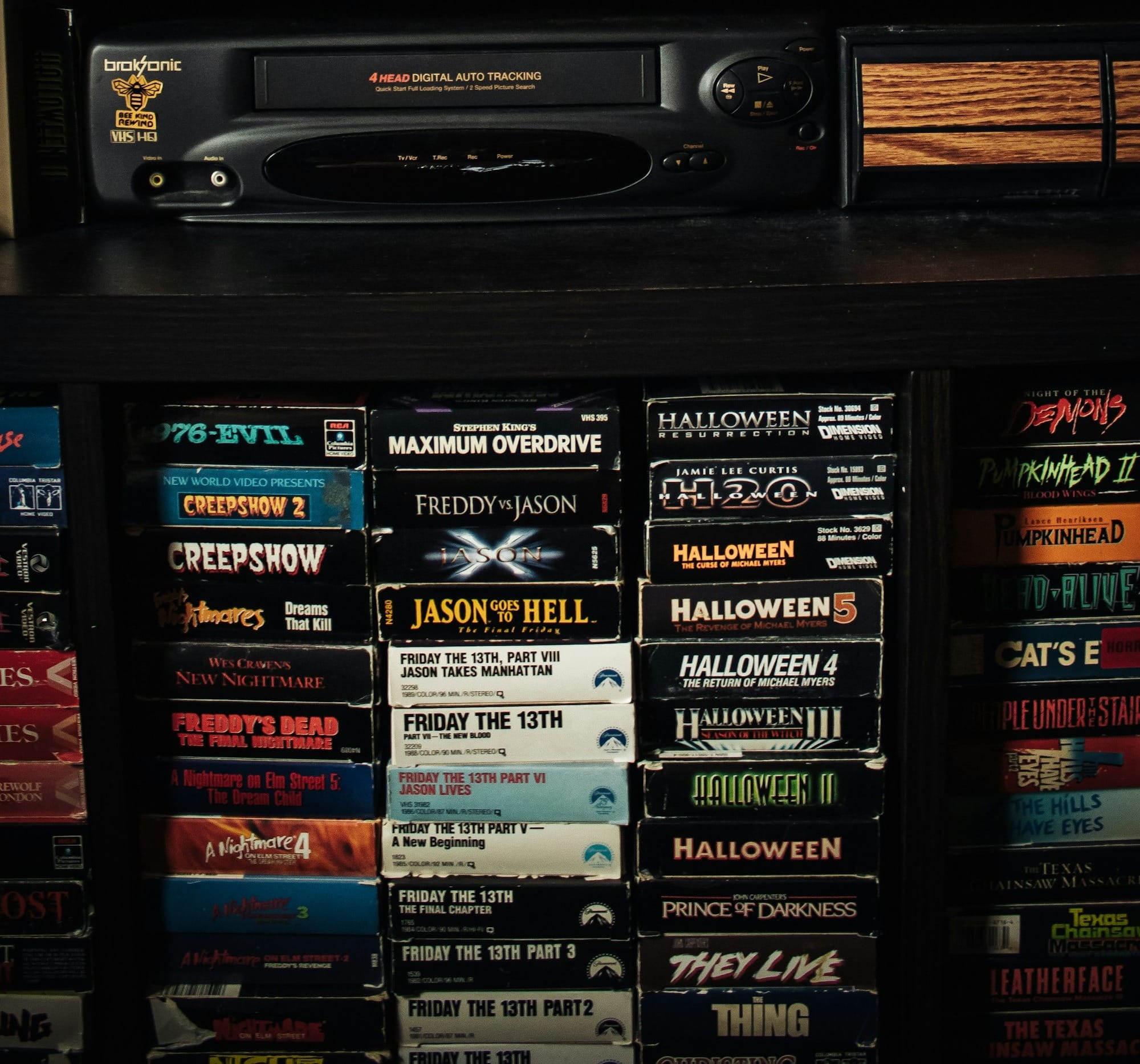
If you've been online during these first few months of 2026, you've probably heard people talking about "going analog". For those who are unaware, on social media, "going analog" refers to the choice to avoid using digital technology in favor of physical media such as VHS tapes, DVDs, and vinyl records.
Of course, the term is somewhat false. DVDs are technically digital media, but the goal of slowing down our lives by valuing the physical things we own still stands. While many have criticized the movement for encouraging people to overconsume, there are many ways to "go analog" without breaking the bank and hurting the environment.

Where to find Media Players
If you want to start using more physical media, you'll need a viewing method. DVD players and VCRs can be hooked up to a TV with AV cables. If you're around my age, you may be familiar with this trio of red, yellow, and white cables from hooking up your Nintendo Wii as a child.
AV ports are not usually found on modern televisions; most have switched to HDMI. If your TV does not have AV ports, you can use an AV to HDMI converter.
While it is still possible to find new DVD players and VCRs, I would recommend trying to thrift one first. Most thrift stores have been overflowing with DVD players and VCRs for the past decade. This option is both budget conscious and environmentally friendly.
If you're a part of Generation Z like I am, it's likely that your older relatives may still have some of their vintage media players that they are no longer using. Receiving hand-me-downs from family can be a great way to connect with your past.
As for specific recommendations, I personally prefer to watch my favorite films on a portable DVD player. It's nice to be able to take it between rooms in my house or easily transport it to where I live during the school year. Unfortunately, portable DVD players are harder to find and can be very expensive to purchase new.
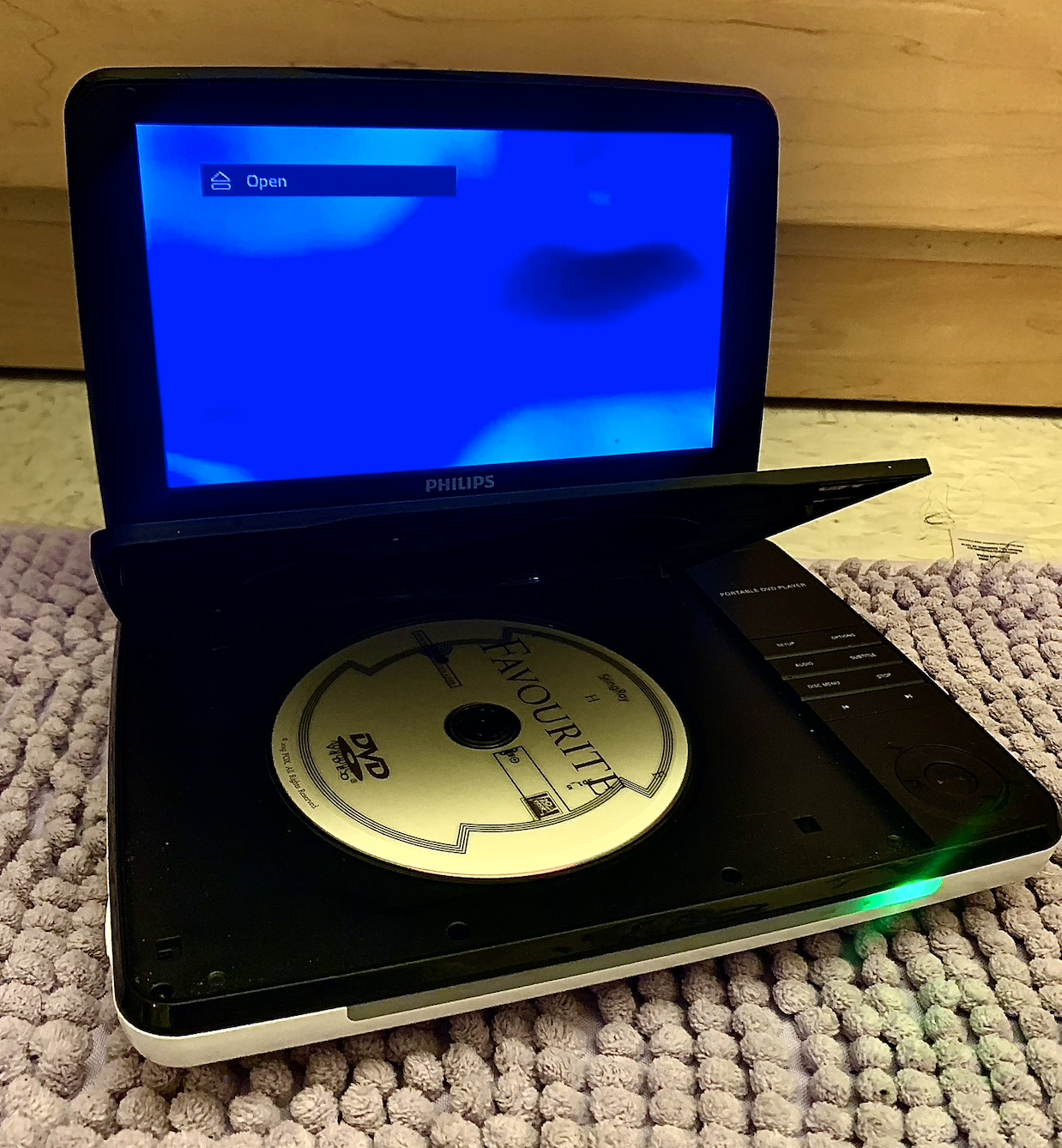
If you own a laptop or desktop computer, a more affordable alternative could be an external disk drive. When considering this option, make sure that 1. your computer has access to disk reading software (such as VLC Player) and 2. the external drive is compatible with your computer (Mac, Windows, Linux, etc).
If you'd like the more vintage feel, older TVs are often available at antique shops, thrift stores, and on eBay. It's common for CRT TVs to have a DVD player or VRC embedded below the screen.
Where to Access Physical Media
You may be surprised to hear how common it is for modern movies and TV shows to be released on DVD. I watched the first few seasons of both Abbott Elementary and Ted Lasso this way.
While many DVDs are available in big box stores like Target or Walmart, the expenses can add up quickly.
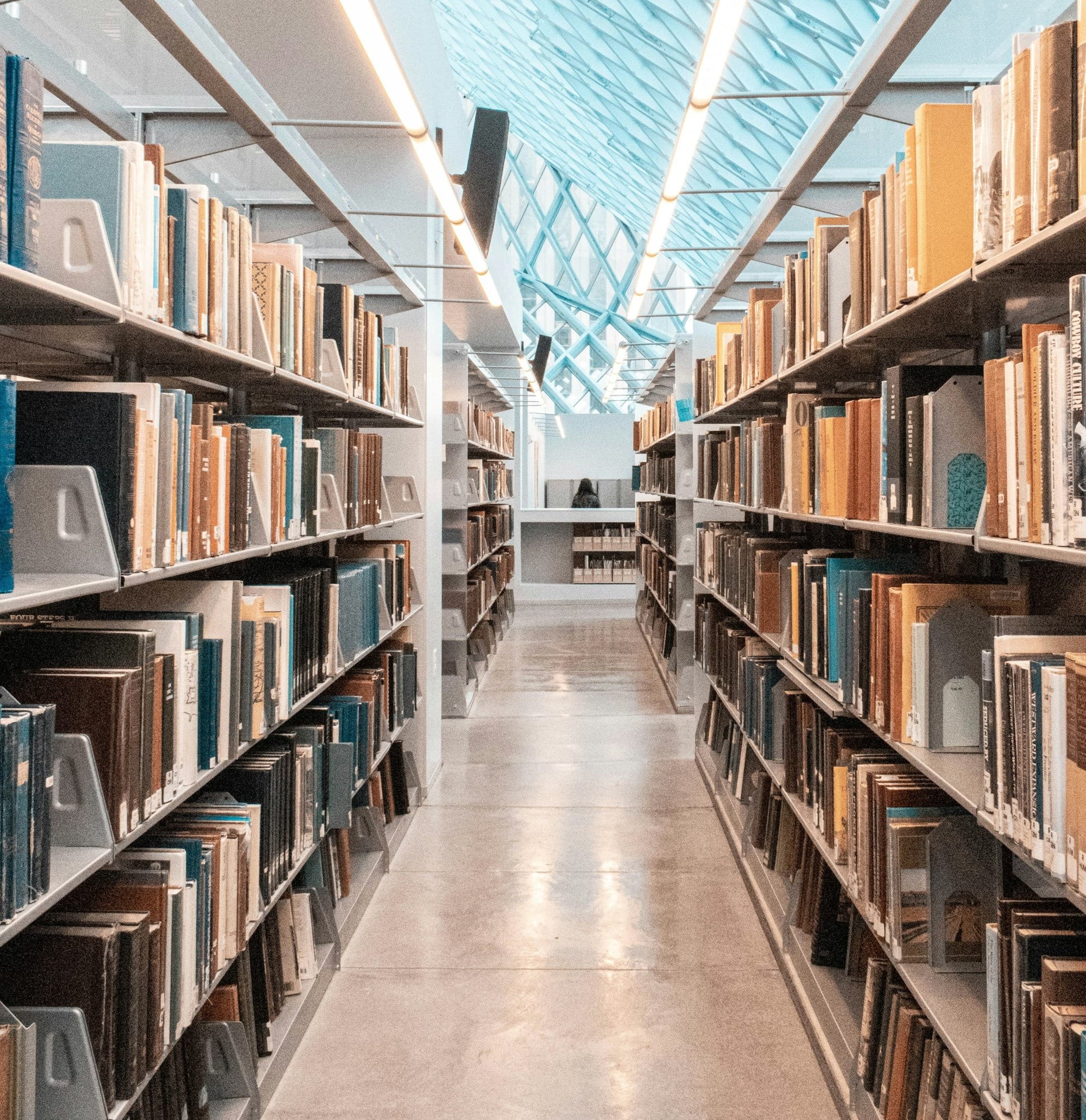
Rather than dropping $100 on a few DVDs, consider looking over the offerings at your local library. Many libraries (including school libraries) still offer a wide selection of films and shows which span many decades and genres.
Your library might also have access to media players through the interlibrary loan system. While this system is usually used to find research materials, some offer larger items such as TVs and VCRs. Your library might have other programs that offer these resources.
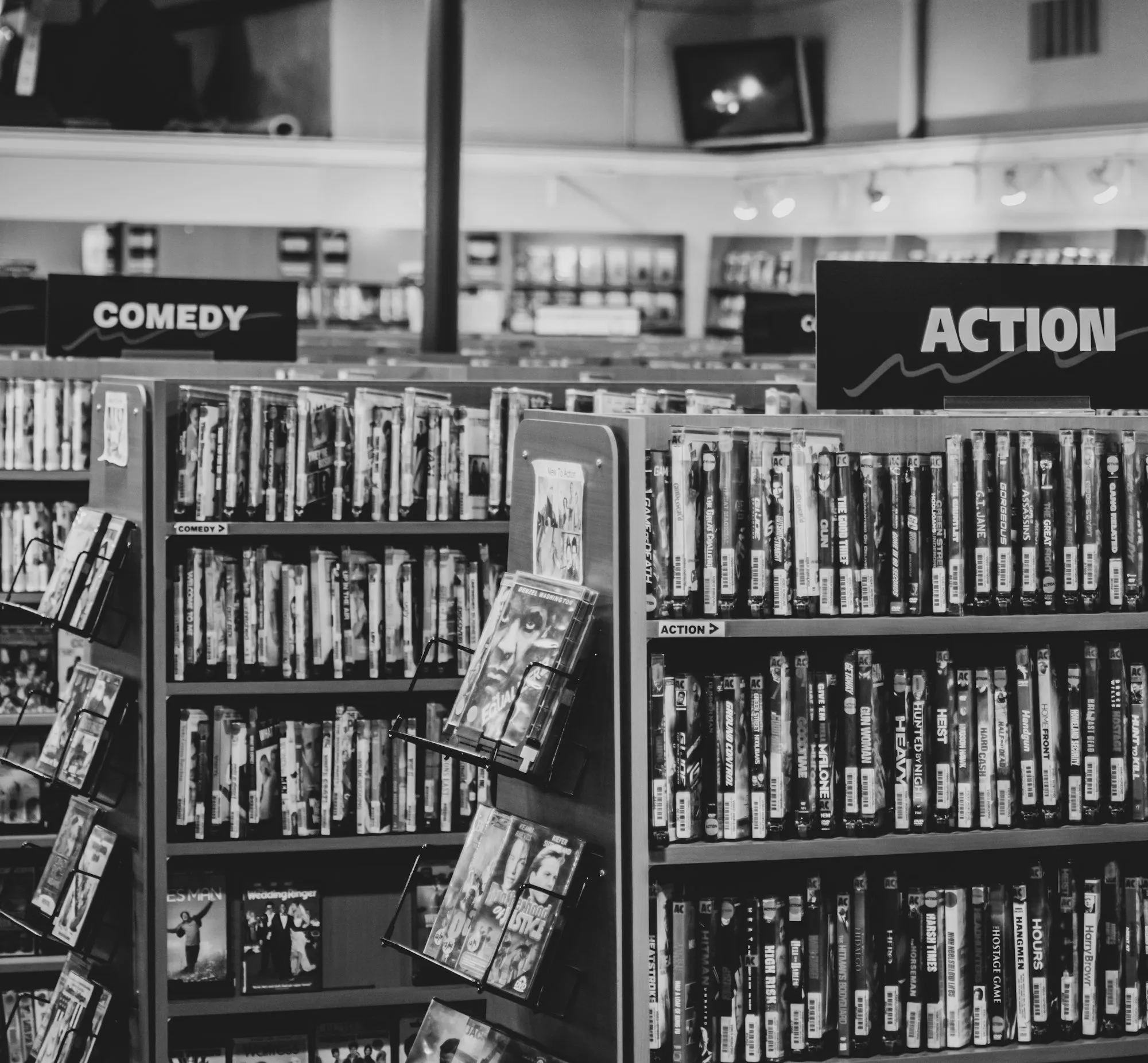
Your second best choice is to look for physical media in second-hand stores. Thrift stores often have a DVD or VHS section, but if you're wanting more offerings, look specifically for second-hand movie or game stores like Vintage Stock or Half Price Books.
Generally, VHS tapes are less common and more expensive than DVDs. They also are easier to damage and harder to replace.
Taking Care of your Physical Media
One downside of using physical media is that it will wear out over time. While the breakdown of these resources is inevitable, there are some things you can do to care for these item.
- Store physical media in a cool, dry room
- Put media back into cases when not in use
- For VHS tapes:
- Be Kind! Rewind!
- Consider getting a VHS cleaner or learning to clean them by hand
- For DVDs:
- Try not to touch the shiny side of the DVD with your fingers or nails
- Tip: place your finger into the center hole to avoid touching the surface
- Some second-hand stores like Vintage Stock will resurface your DVDs for a small fee
- Try not to touch the shiny side of the DVD with your fingers or nails
Why go "Analog"?
With the rise of streaming services, many people are starting to realize that there are very few things we truly own. Sure, you may have access to hundreds of shows in an instant, but this isn't ownership, it's a right to access at that time. Services can change their options at any time without your permission, meaning you might not be able to watch your comfort show when you need it.
If you're thinking of starting a collection of physical media, remember to take it slow. You don't need to own everything immediately or all at once. As stated above, the goal of the analog movement is to slow down our lives by valuing the physical things we own, so take it easy and take time to cherish and care for your collection, no matter how big or small.