Table of Contents
AI is no longer a niche curiosity — it’s reshaping film workflows from development through distribution. At the HollyShorts Kickoff Summit panel “AI Softwares for Filmmakers: An Introduction” (moderated by Nidhin Patel), founders and product leads from Strada, Hiike, IMGN AI, and Rafy App mapped the practical AI tools filmmakers should know, the real risks (jobs, deepfakes, IP), and concrete steps creatives can take now to use AI as a utility rather than cede authorship. If you work in production, directing, acting, post, or festival strategy, this conversation laid out what matters and what to try first.
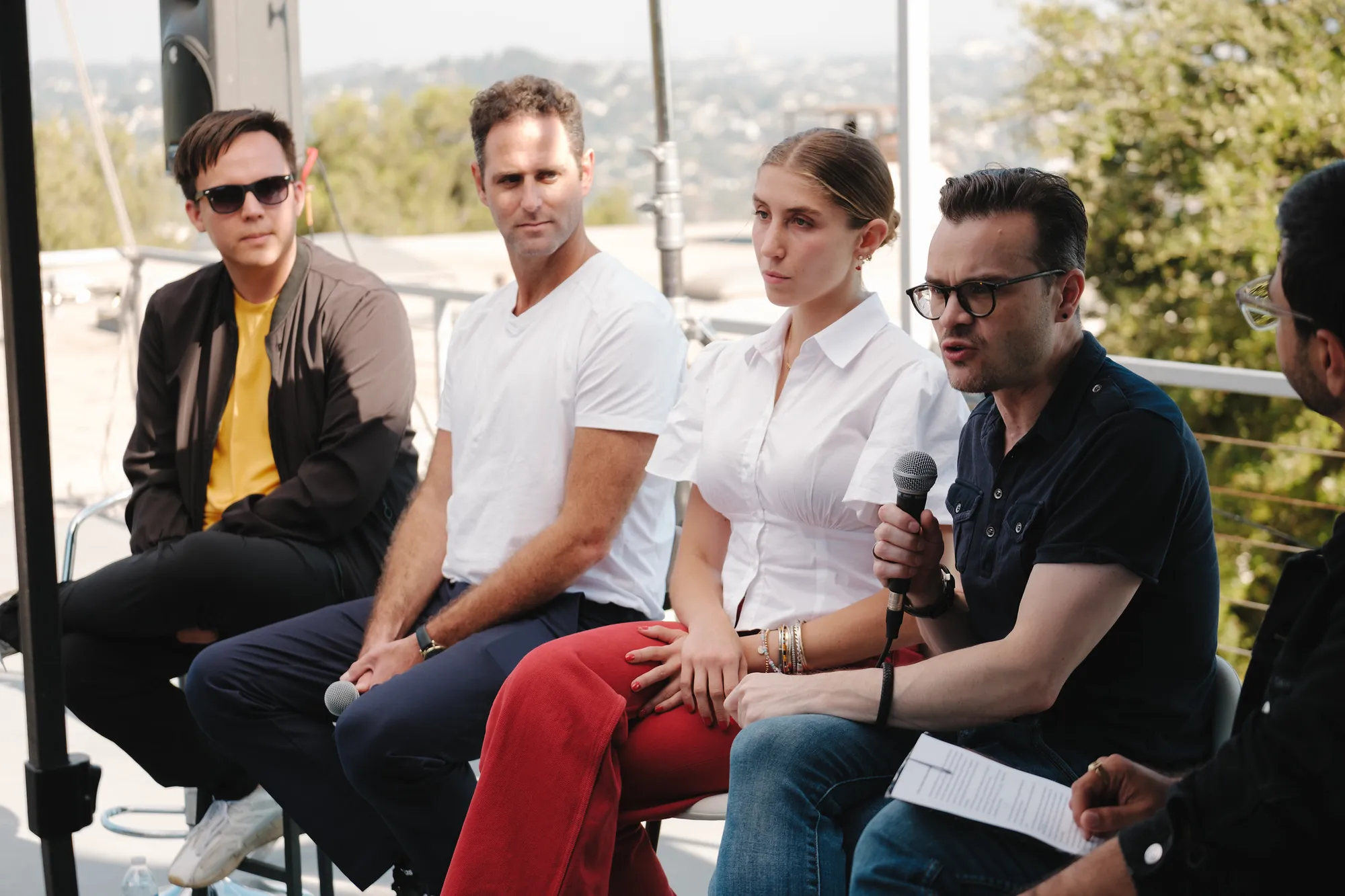
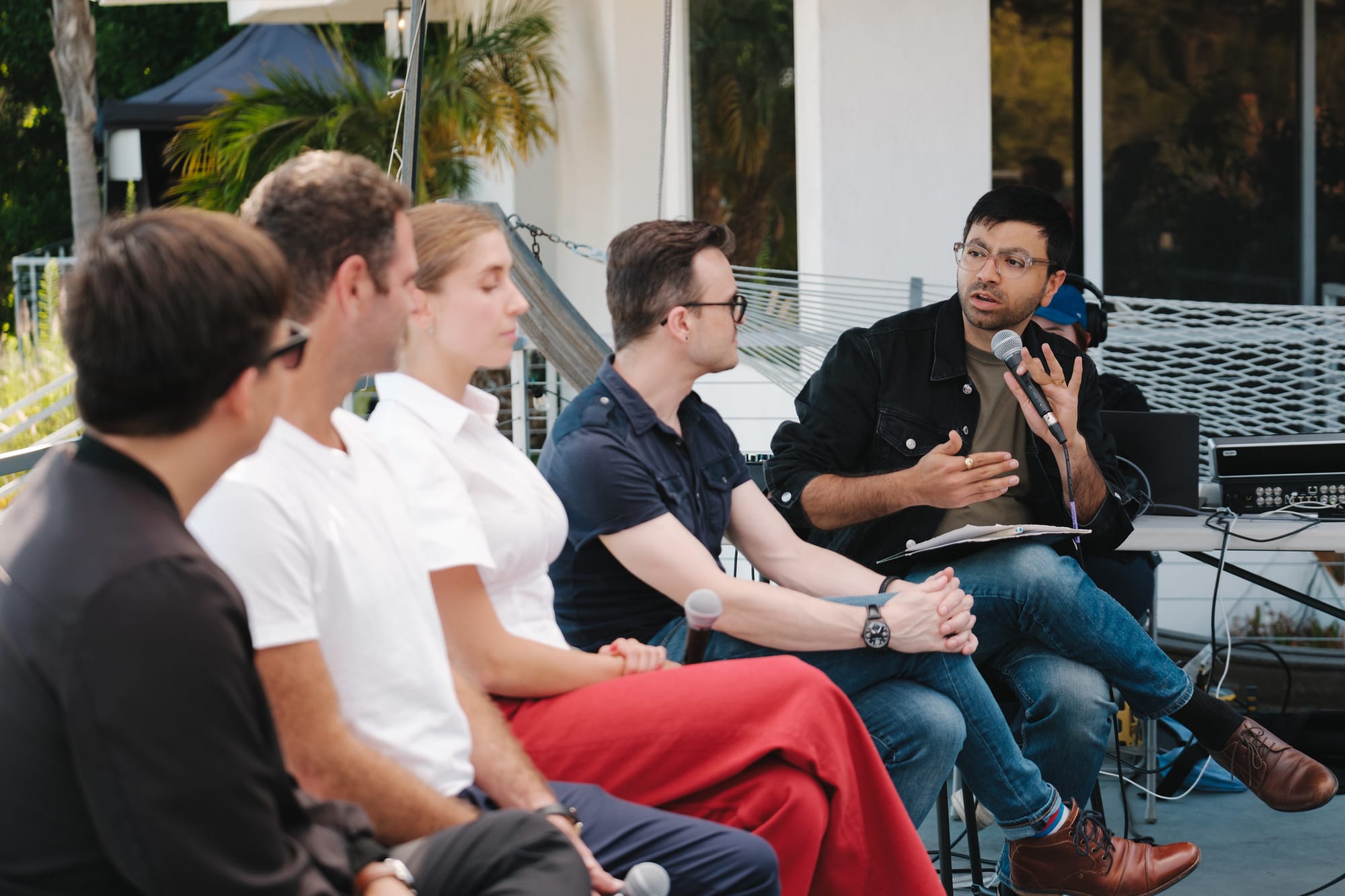
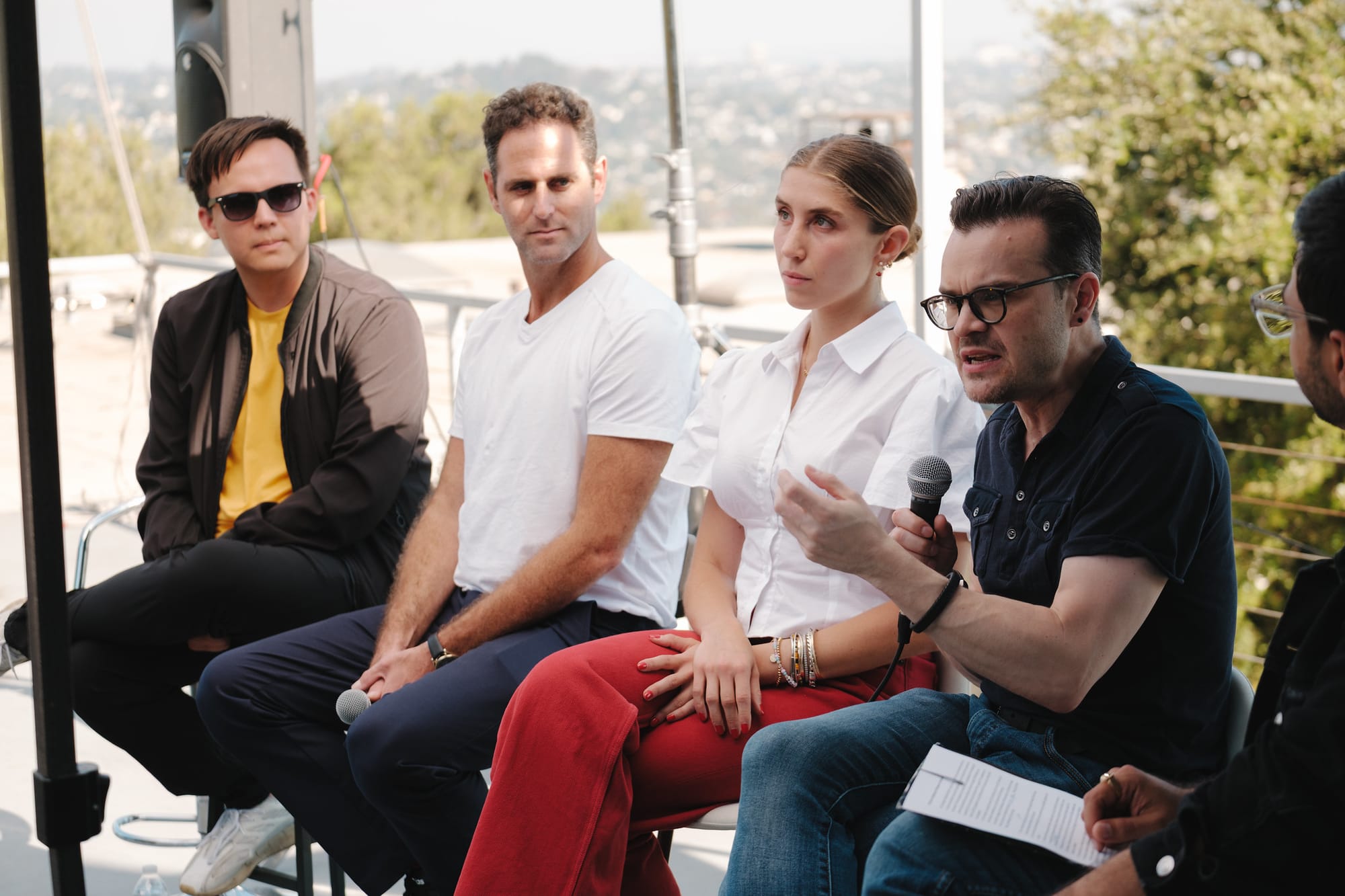
The Panel
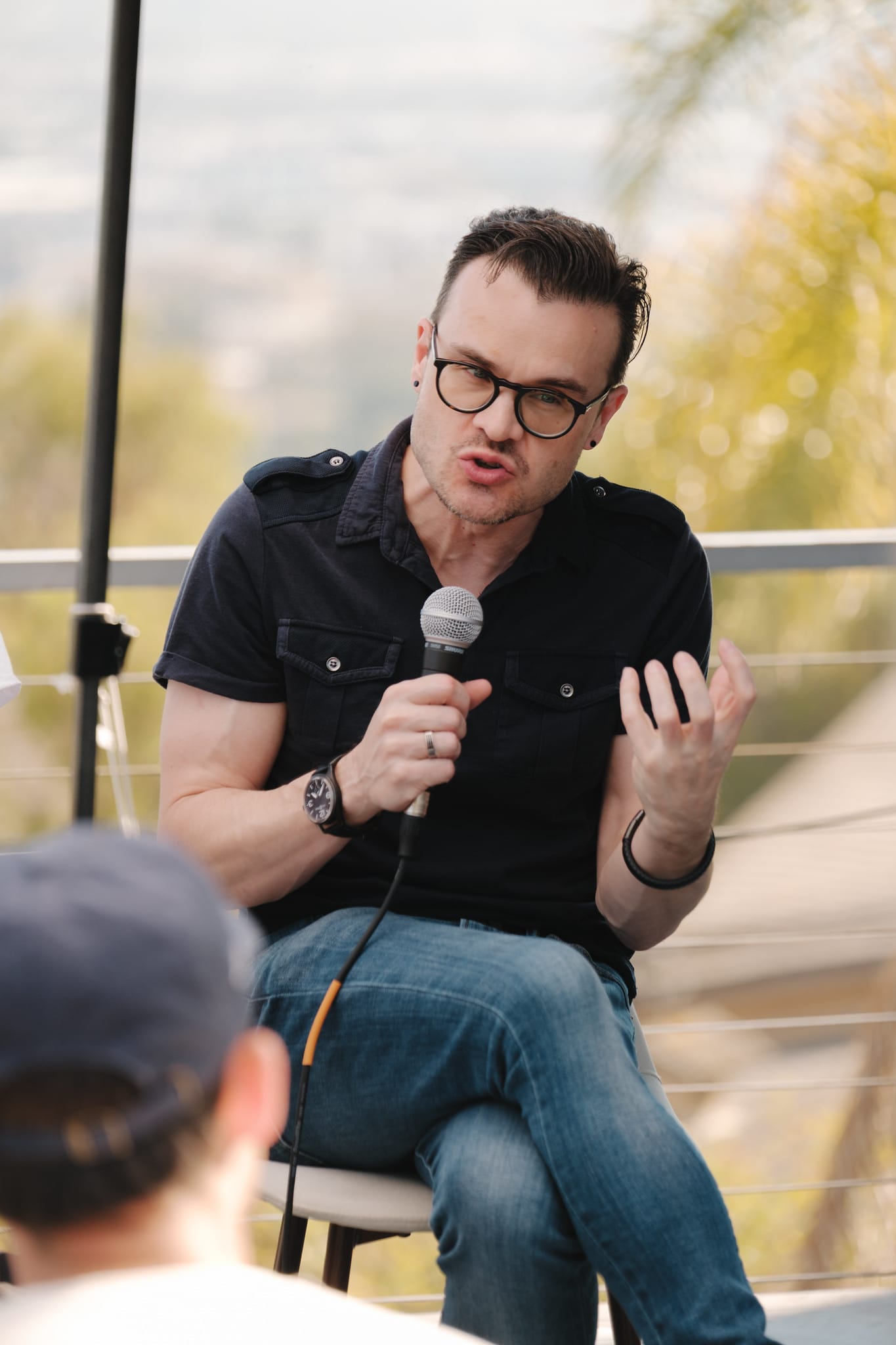
- Nidhin Patel — Moderator; film educator at Cal State LA and producer/director with nonprofit experience.
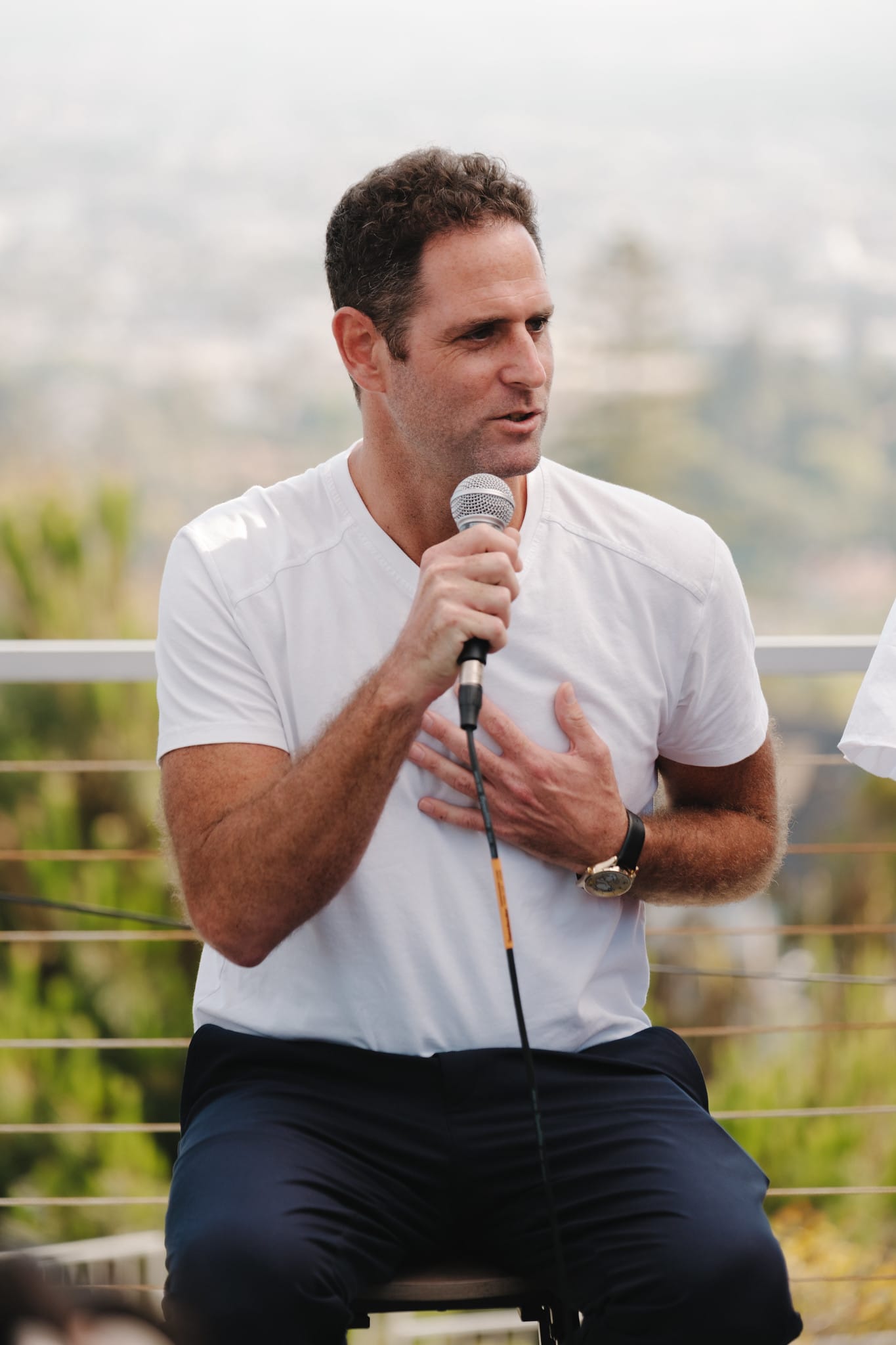
- Michael Cioni, Strada — A peer-to-peer collaboration platform connecting hard drives to avoid costly cloud storage for large media files.
- Tyler Knohl, Hiike — Co-founder of a submissions and festival-matching platform that uses machine learning to recommend festivals a film is most likely to succeed at.
- Yaron Klainer, IMGN AI — A production management platform combining traditional pre-production workflows (breakdowns, scheduling, cast/location) with AI-driven image and video generation for storyboards and previs.
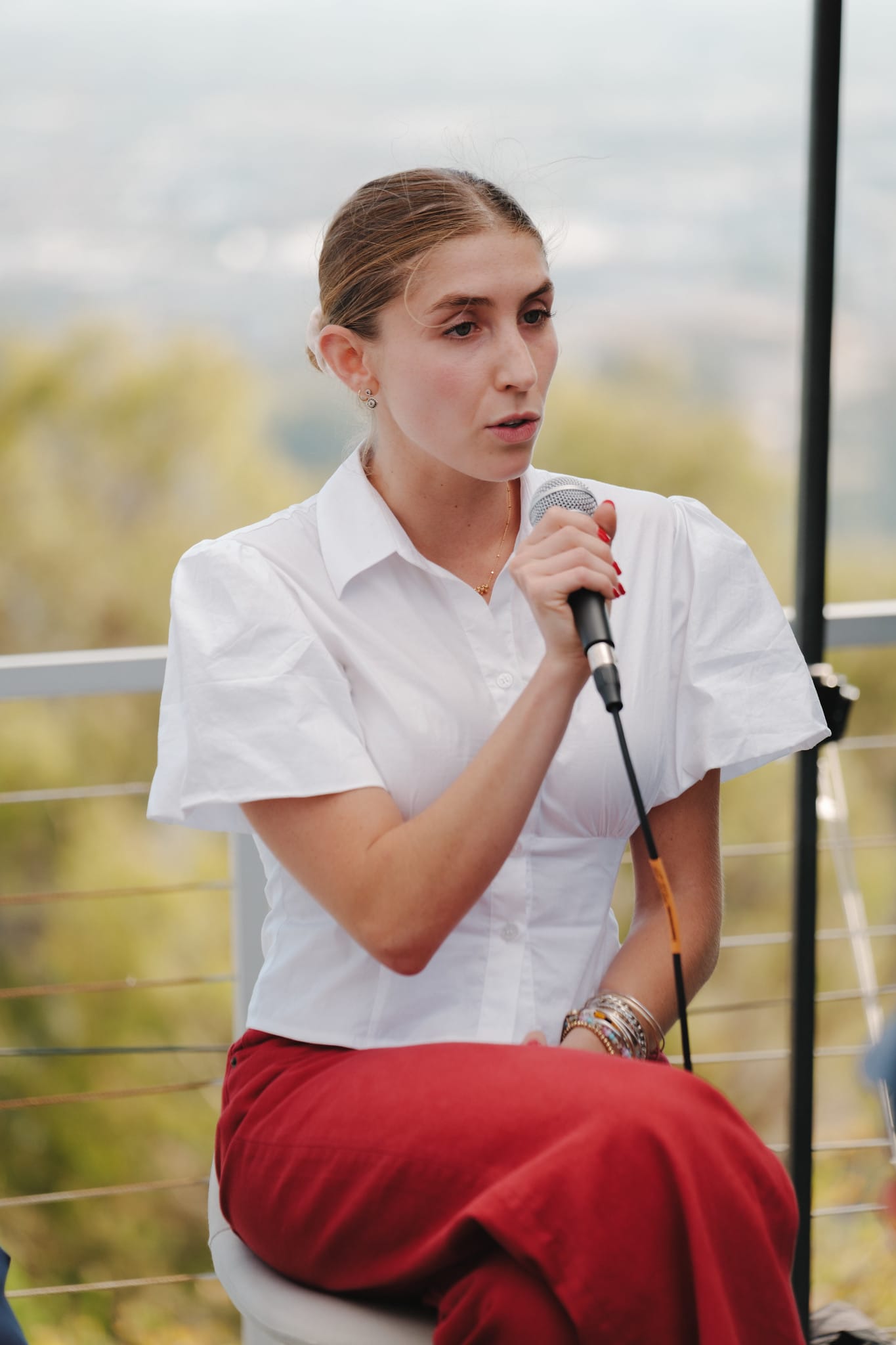
- Daniel Rojas & Jamila Hache, Rafy App — An AI-powered acting partner for self-taping actors, keeping sensitive media on-device and focused on practical rehearsal and audition support.
Where AI Is Already Useful In Filmmaking
Practical, “Utilitarian” AI (the most immediate value)
- Script breakdown and element extraction (automatic synopsis, character lists).
- Scheduling and initial production breakdowns (reduce days/weeks of manual work into hours/days).
- Location scouting assistance (script-to-location search).
- Casting support (automatic character descriptions, candidate prototyping).
- Production operations: transcription, face/emotion detection for dailies, indexing and locating clips.
- Festival discovery and submissions matchmaking (reduce “spray-and-pray” submissions).
- Remote collaboration and file sharing without expensive cloud storage (peer-to-peer transfers).
Generative AI — where the debate is hottest
- Generative tools can create imagery, video sequences, and voice/face simulations.
- Practical uses include quick concept boards, trailers, or simple VFX elements that reduce cost/time.
- Concerns are greater here: authenticity, audience perception, and potential displacement of some roles.
“Find the parts of the workflow you hate and use AI to automate those. If you love color grading, keep doing it; if you dread it, let a tool do it.” — Michael Cione
Jobs, Capacity, And The Future Of Work
- Short-term: Many panelists emphasized AI as a productivity tool that can free people from repetitive tasks.
- Medium-term: Some roles — especially entry-level post positions that do routine tasks — may change or shrink.
- Upside: Increased capacity may create more projects overall, opening new roles in film tech, supervision, and creative oversight.
- Historical context: Every major technology (sound, color, digital, CGI) prompted panic but also new creative and industrial opportunities. AI is similar but broader.
Ethics, IP, And Data Security — What To Watch
- Deepfakes, voice cloning, and unauthorized use of actors’ likenesses remain real threats.
- Existing forms of copying and plagiarism aren’t new, but AI accelerates scale and speed.
- Practical responses highlighted by panelists:
- Transparency: Publish clear documentation on how your product uses data (e.g., Rafy App’s website statement that content is on-device and not used to train models).
- Self-hosting and privacy-first models where feasible (keep training data separated per account).
- Use of business APIs that promise not to retain training data for model updates when privacy is required.
- Watermarking and fingerprinting — detection tech is improving and will help distinguish AI-generated content.
- Industry and regulatory gaps remain; the market, platforms, and eventually law will push toward safer practices.


Photos by Charlie Nguyen
Practical Advice — What Filmmakers Should Do Now
1. Identify your biggest pain point and try an AI that solves it
- Hate transcribing dailies? Try AI transcription/sync tools.
- Spend days on a first schedule? Try an automated breakdown/scheduling assistant.
2. Test tools before committing
- Spend a few hours experimenting with multiple models/apps — different tools excel at different tasks.
3. Treat AI as utility, not creative replacement
- Let AI handle repetitive or logistical tasks so you can focus on creative choices you care about.
4. Be transparent with collaborators and audiences
- If using AI in a way that impacts performers’ images/voices or creative ownership, make that clear.
5. Don’t get married to one model/platform
- Mix-and-match tools; different LLMs and visual models have different strengths and biases.
6. Stay curious and keep learning
- Regularly scan new tools and workflows; the landscape evolves fast, and small experiments yield big-time savings.
Example Use Cases From The Panel
- Peer-to-peer media sharing (Strada) — lower costs for large file collaboration and improved access for low‑bandwidth teams.
- Festival matchmaking (Hiike) — reduce wasted submission fees by recommending better-fit festivals using historical acceptance data.
- Production hub + AI pre-visualization (Imgn) — a single platform to go from script to scheduling to storyboard/video board, saving weeks of manpower.
- On-device AI acting partner (Rafy App) — practical audition rehearsal without sharing actors’ footage to cloud or training models on their likeness.
Final Takeaways For Inclusive Filmmakers
- AI is already helpful across production, distribution, and festival life cycles — but it works best when used to remove friction, not to erase authorship.
- Creators should be proactive: test tools, document usage, protect IP where possible, and demand transparency from AI providers.
- The core of what audiences value — authentic performance, strong stories, and production quality — won’t be fully replaced by generative algorithms. Use AI to amplify those things rather than replace them.
Tools and trends to watch
- Production breakdown/scheduling AI (Script-to-schedule automation).
- Peer-to-peer media collaboration platforms (to reduce cloud costs).
- Festival matching platforms with ML-driven recommendations.
- On-device AI apps for performers (privacy-first self-tape and rehearsal tools).
- Generative pipelines for low-cost VFX/previsualization that shorten time and budget for specific scenes.
AI is not a single monolith — it’s an expanding toolkit. For underrepresented and independent filmmakers, AI’s biggest promise lies in leveling access to resources (faster breakdowns, cheaper previsualization, better festival targeting), not in replacing the human work that gives films depth. Start small, protect your rights, be transparent, and use AI to remove friction so you can create more of what matters.