Table of Contents
Like all big film festivals, Helsinki International Film Festival / Love & Anarchy hosts a progressively growing international film marketplace event that is held simultaneously with the main festival programming. They call this extravaganza the "Finnish Film Affair", and its stated purpose is to create a space of cultural exchange - showing off the upcoming Finnish film-scape to the global market and helping Finland establish itself in the Film World. The multi-day marketplace event is populated by around 500 people, including some 100 invited international delegates, local and international filmmakers and artists, distributors, producers, actors, festival programmers and sales agents galore.
This would ideally actualize into giving Finland more nominations and awards, international production partnerships, and generally increased global recognition. A strengthened film presence can benefit a nation both culturally and economically – potentially leading to more tourism, opening up skilled job opportunities, and encouraging government funding of the arts. Plus, it would help the audiences around the world, including you and me, by diversifying the perspectives represented in popular media.
And the Nordics definitely offer a unique perspective. As an example of this, we can look to where the Finnish Film Affair culminates: an awards ceremony for the participating up and coming projects which takes place in a sauna-restaurant. Yes, a sauna awards ceremony. The American mind cannot comprehend, but this is very normal for the Finns. I was even informed that one year an awardee claimed their award stepping fresh out of the sauna, still wrapped in a towel. The classic Hollywood/Cannes glitz-and-glam is not the style here, but that’s undoubtedly part of its charm. Cinema is a medium, not a singular aesthetic, and it's fascinating to see how the medium is refracted through various cultures, each with their specific lens.

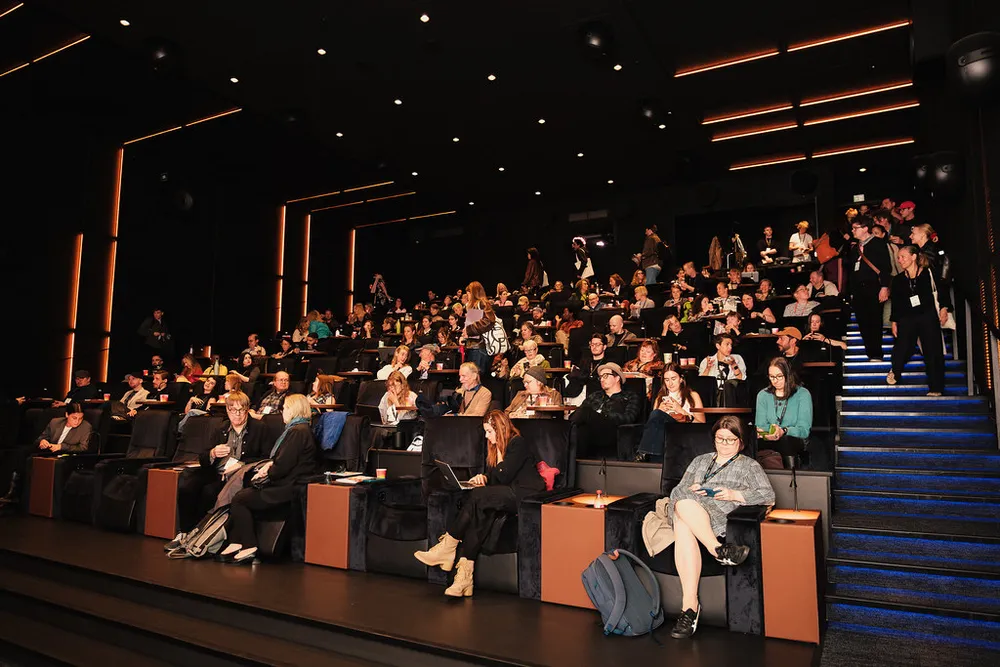
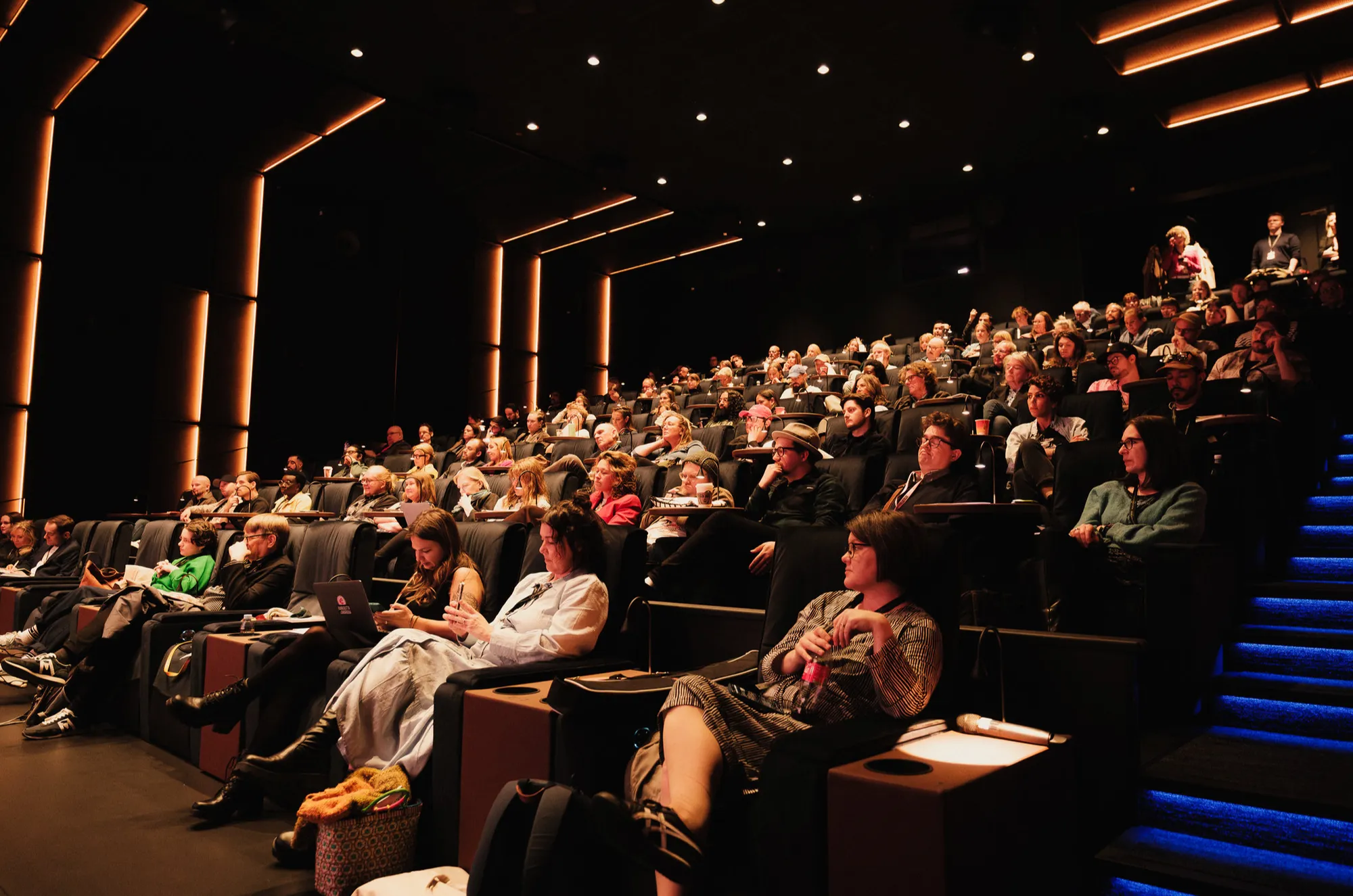
The Finnish Film Affair contains many interesting panels and side events, but the whole event, more or less, centers around the showcase in which filmmakers pitch their new projects. The showcase takes place inside one of the festival’s filled-to-the-brim cinemas, and one by one, project representatives take the stage to present their idea and hopefully attract creatively and financially aligned help. Some pitches are more traditional, with slideshows and scene samples, while others are more nontraditional, bringing out strange props or acting out monologues on stage. For those new to the industry like myself, it is an interesting behind-the-curtain look into the early stages of the filmmaking process that we don't often get to see. In years to come, when we will hopefully see some of these projects in their final stages, what was once pitched as a short, slow burn romance story could be transformed into an action-packed violent horror. That’s the unique thing about the showcase event; you get to see a project in its earliest drafts.
In speaking with some of the filmmakers who presented at the FFA showcase, I learned a lot about how varied the pre-development process can be from project to project. Some projects come with just a script and a low budget, seeking co-collaborators, and others come with a multi-million euro budget looking for a festival home to send off their nearly finished production. For example, Finnish filmmaker and internationally awarded Anu Kuivalainen and her producer Markku Tuurna came to present their €350,000 production budget documentary Second Acts, which tells the story of Helsinki prisoners who become involved in a theatre production and the beautiful transformation that follows. They came to the showcase with a polished trailer, having already completed most of the filming. At this point, they seek a festival and premier run, a sales agent, and financing to help with editing and music. “It’s hard to express,” Tuurna told me, “but we are financed. We can make this film. But of course, we want to spend more days in the editing room. It would help us, but if we don’t get anything, we will survive.”
A key part of the showcase process is the pre-organized delegate meetings which take place after the showcase. The Finnish Film Affair staff has several team members working on these meetings, including an Industry Matchmaker. The matchmakers schedule time for invited international guests to meet with projects that they are interested in pursuing. While some contacts are exchanged spontaneously, a huge benefit in attending FFA are these festival-curated one-on-one meetings. This year, meetings were held in the Scandic Helsinki Hub, where one by one attendees arrived for their reserved table to share ideas with project-aligned international industry professionals.
During my conversation with Kuivalainen about Second Acts, we meandered into her history and how therapeutic her filmmaking process has been while dealing with themes of liberation through the arts. I became curious whether their formal meetings were strictly business negotiations or if they also created space for their personal reflections on the project. “A little bit, yes,” she and Tuurna responded. The meetings were not purely fiscally focused, they affirmed. “We were talking about the content of the film. But more so about what we are going to film, and who are the characters themselves.” When it comes to a specific anecdote that was shared during our interview, Kuivalainen jokingly assured me that “you are the first one I told this story.”
Throughout this process, I was reminded of why I love working in the film industry. Though money is still front of mind in a lot of the conversations, it is impossible to ignore the fact that these individuals are wearing their hearts on their sleeves at all times. Making a living in this industry is not easy. To put it in other words, it’s quite rare that someone would enter the industry to become rich. Rather, they often come with a story that they are called to share, and a will to make that happen. In pitching her epic film When Johan Johanaš Disappeared to the Mountains, Finnish Sámi director and screenwriter Suvi West said to the audience “I believe in dreams and signs when I work with a story, and I wrote this story while staring at my ancestor’s holy mountain. I will always remember the words of one Sámi woman when I told her about the script. She said that I don't only have permission to tell this story, but it is my responsibility.”
It’s hard not to root for these projects when you get such an intimate glimpse into the people behind them. What we get to see is the well-crafted on-screen product, but the journey to get there takes years of hard work. Not only people touring the project around the world to build its team, but the additional work of those who organize events like the Finnish Film Affair for crucial connections to be made. As a consumer, my appreciation for the media I watch is immeasurably expanded the more I know about just how strenuous of a process it can be to get a film to the finish line. Or, in this case, one could say, the Finnish line…