Table of Contents
Three Key Takeaways
- Yathoom uniquely blends personal experience with cosmic horror, rooted in the rare Arabic-language genre tradition.
- Kazim’s filmmaking process embraced experimentation and emotional ambiguity, especially in choices like removing the demon’s dialogue.
- The film’s journey through FilmQuest and other international festivals signals a rising Middle Eastern genre wave on the global stage.
Filmmaker Hana Kazim brings her haunting short Yathoom to FilmQuest, weaving a visually immersive tale of sleep paralysis and existential dread.
Collaborating with producer Lubna Bagsair, cinematographer Charlie Cole, and a talented crew, Kazim channels a deeply personal experience into a cosmic horror piece that defies typical genre boundaries.
With a rich Arabic-language narrative and a strong festival run ahead, Yathoom marks a striking entry for Kazim’s evolving voice in genre cinema.
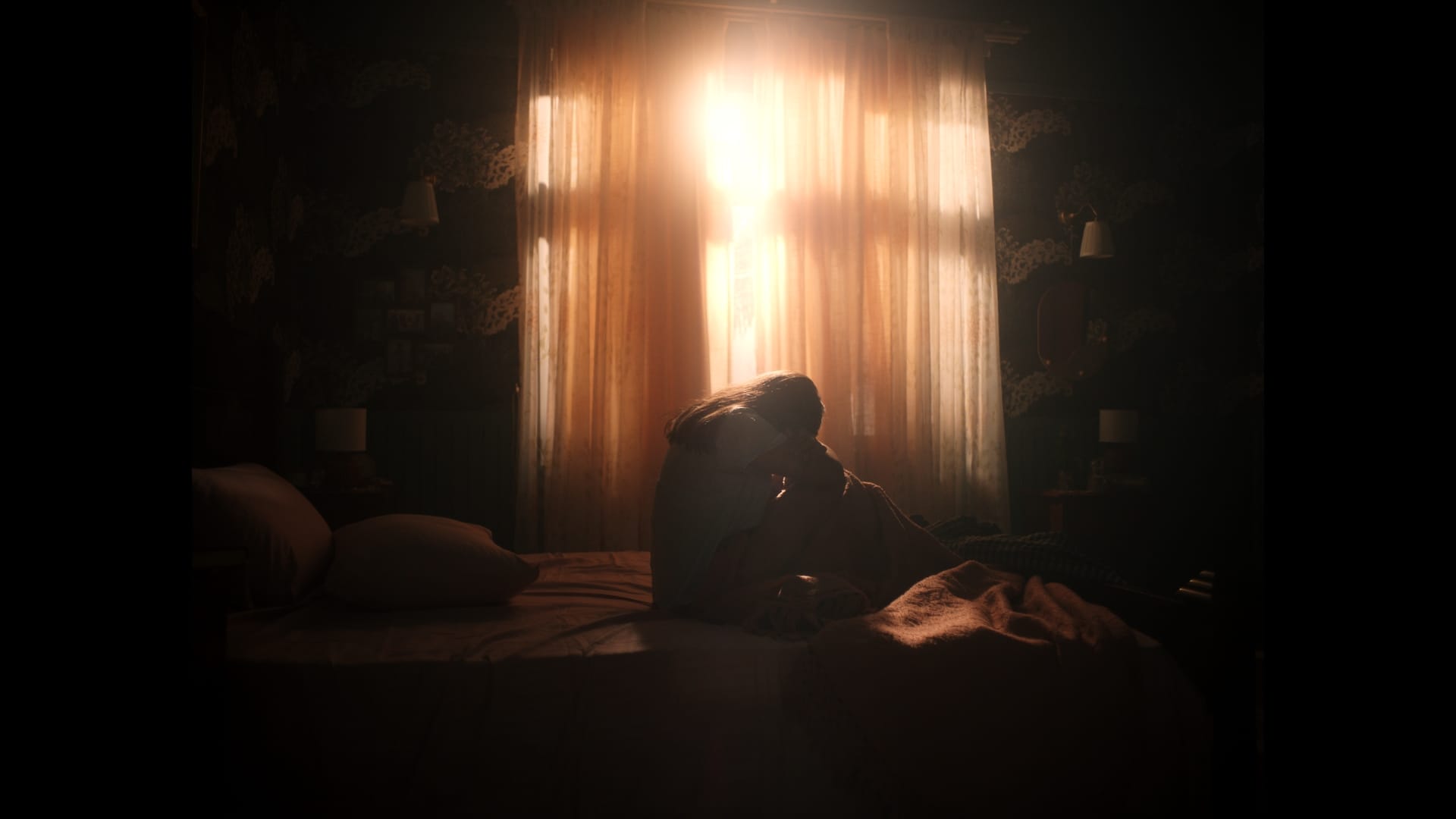
What drew you to make this film? Why this story, and why now?
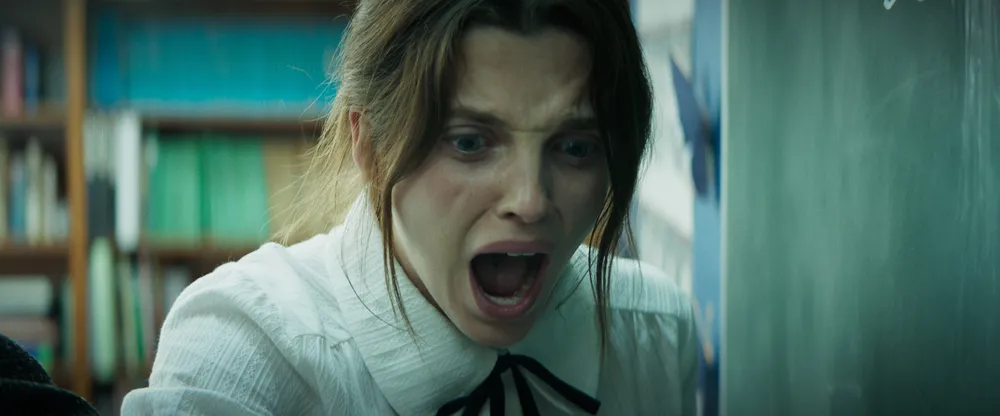
Sleep paralysis was something I went through personally, and for years, it stayed with me. But only recently, as I've become more aware of my own existential anxieties, did I realize that this experience wasn't just about fear, but about being awake to one's own mortality.
"Sleep paralysis was something I went through personally... this experience wasn't just about fear, but about being awake to one's own mortality."
What surprised you most about the filmmaking process this time—creatively or logistically? Was there a moment on set or in post that completely changed how you saw the story?
I went into this trying to make something a little more experimental and abstract, but came out with something more linear than I expected, which has its own strengths. Initially, the demon in the film spoke, but we took it out in post. We wanted to let the audience ride the emotions and interpret the meaning for themselves. In comparison to my other films, I really appreciated the opportunity to make something that was more experiential this time.
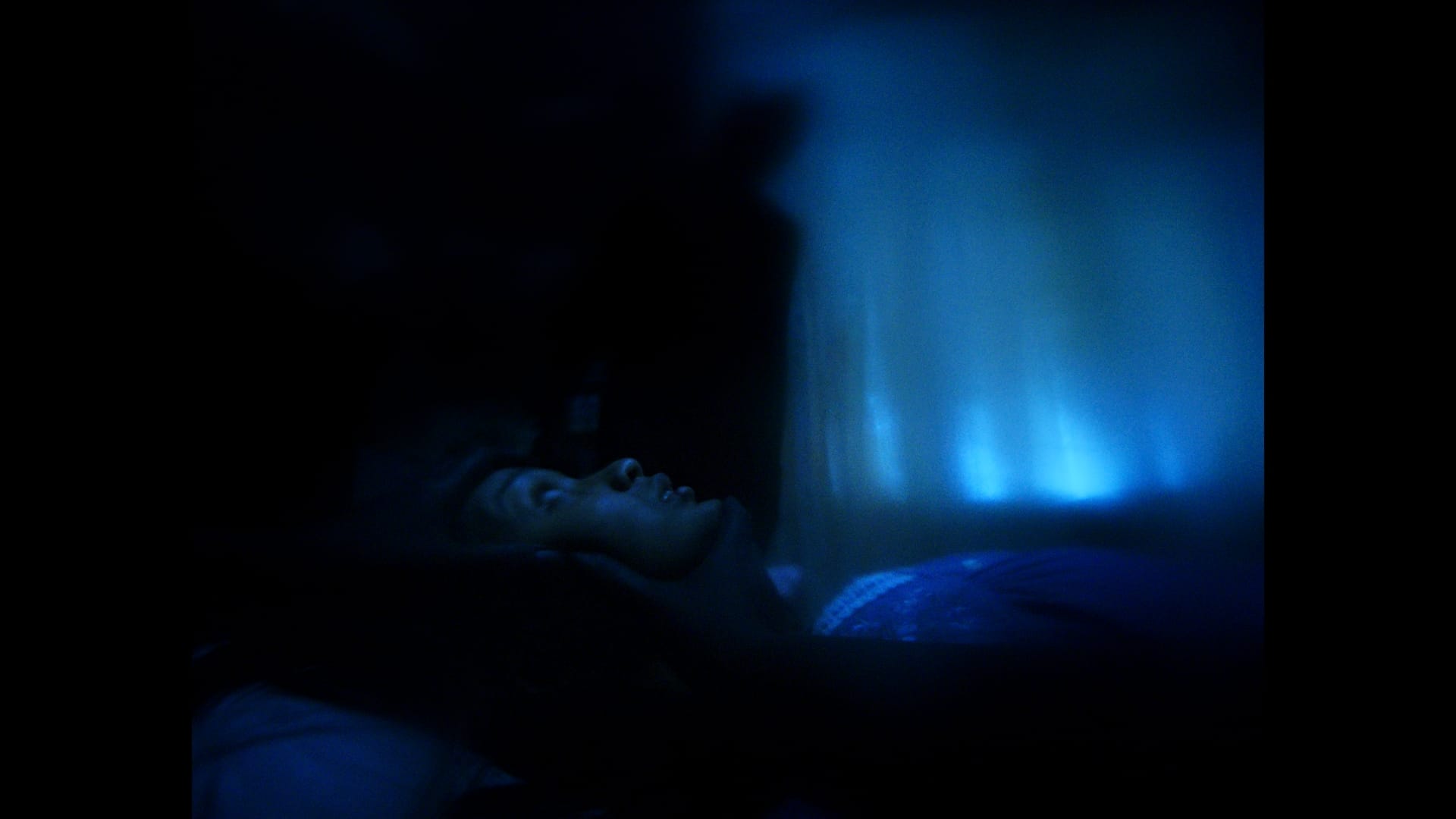
Is there a moment in the film that feels the most you—something only you could have made?
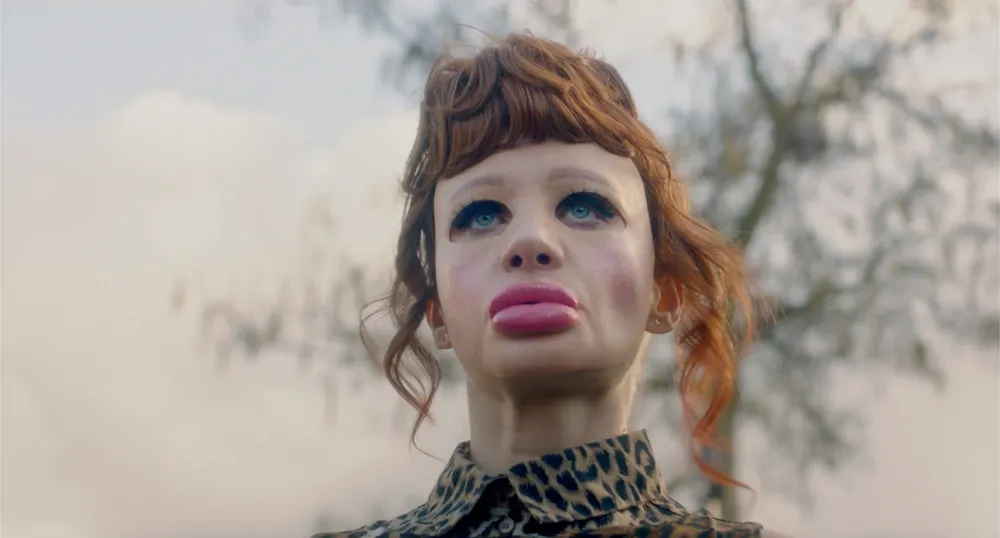
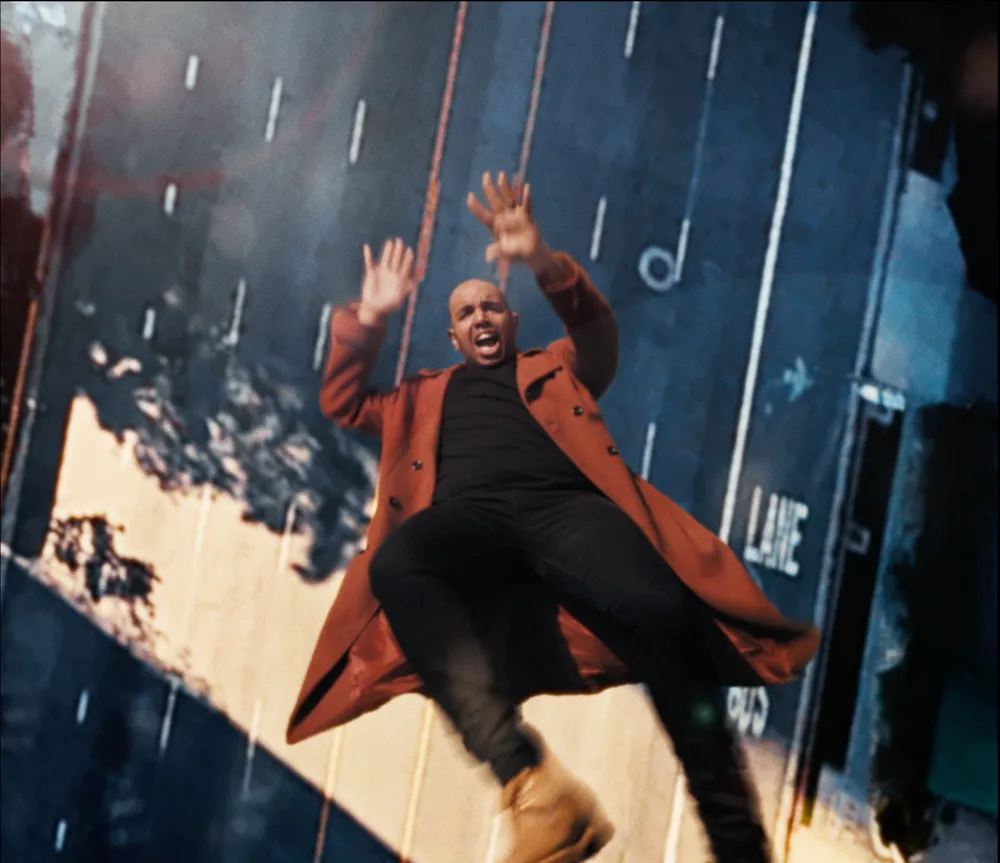
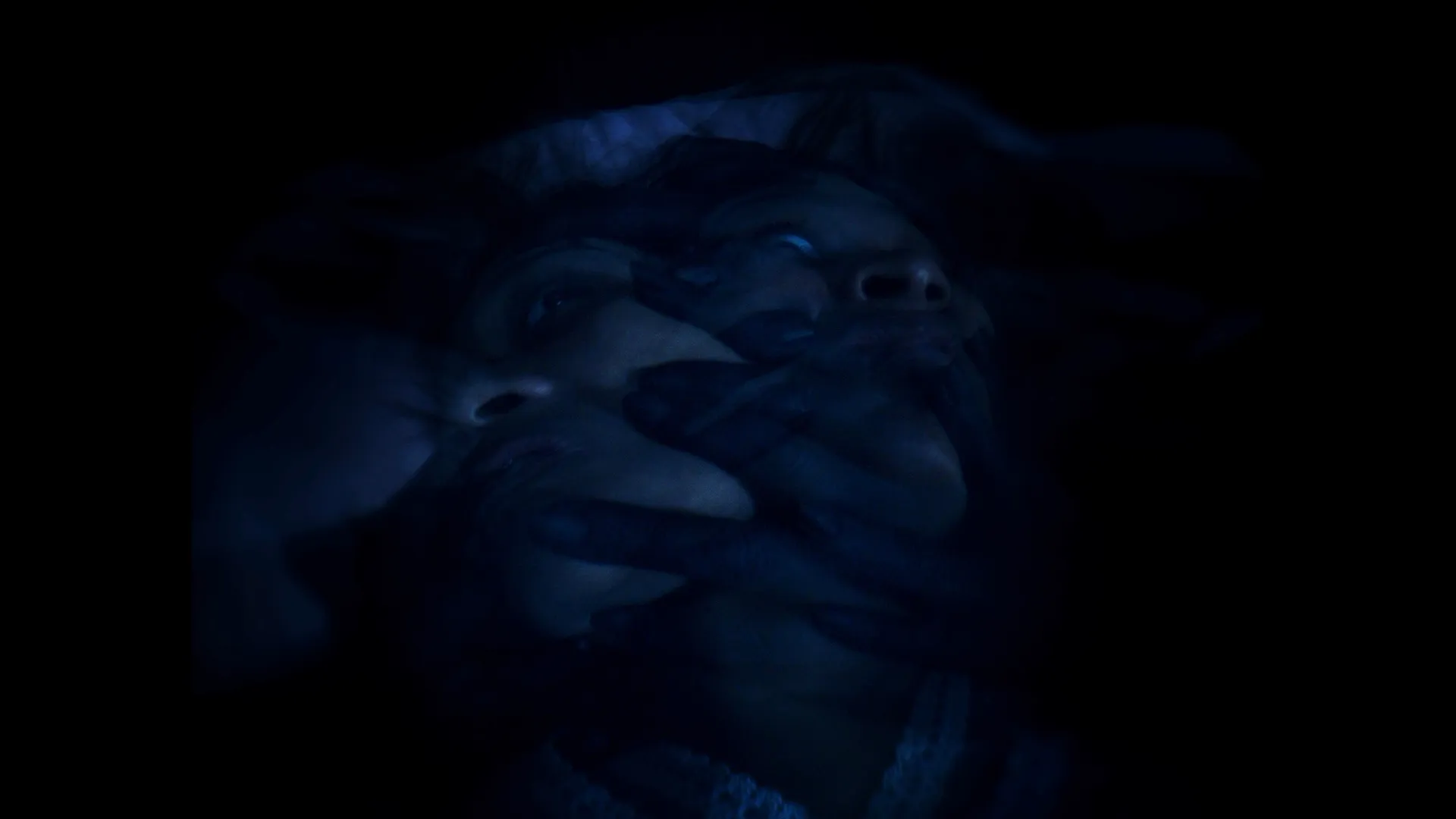
The nightmare sequence when we played with the overlay. I tried to visualize how it felt struggling to break free from the paralysis.
What was the hardest creative decision you made while making this film?
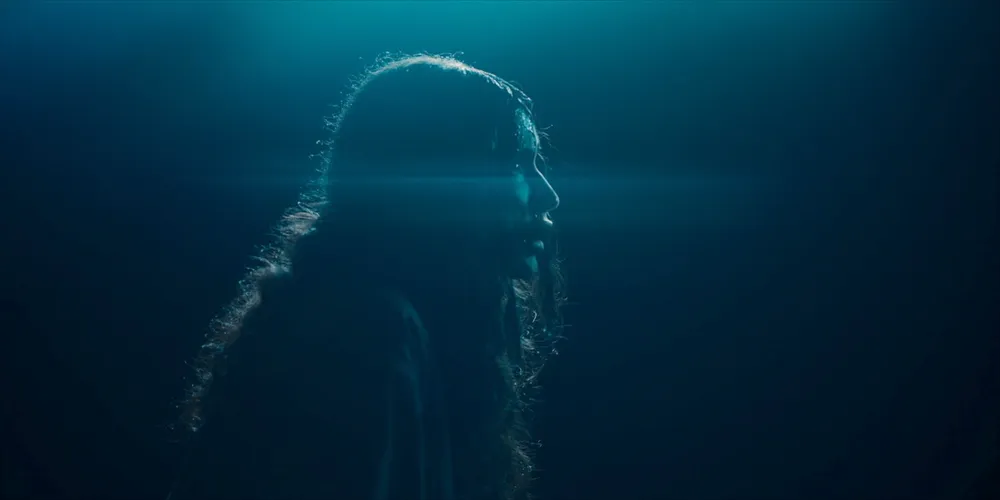
Removing what the demon said was the hardest. It was the core of the film for such a long time. In the end, I had to decide whether to let the audience feel it or understand it.
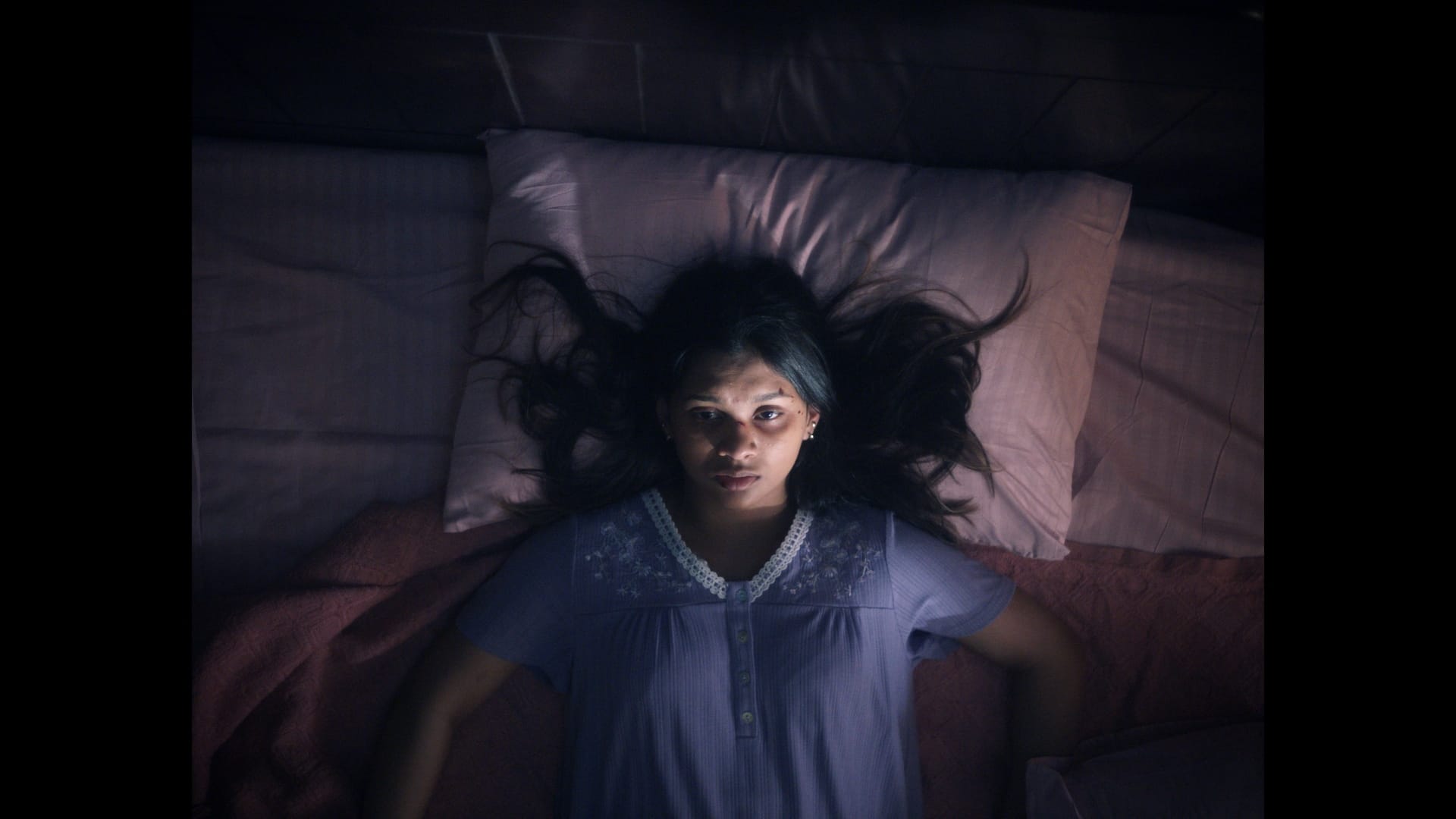
What do you hope audiences take away from your film?
That evil isn't always what it seems.
"Removing what the demon said was the hardest. It was the core of the film for such a long time."
How has this film shaped or shifted the kind of stories you want to tell next?
Both through the film and attending FilmQuest, I learned a lot about how audiences respond to films. What I want to do next is stay in the same world and expand on Middle Eastern folktales, but frame them in a new light.
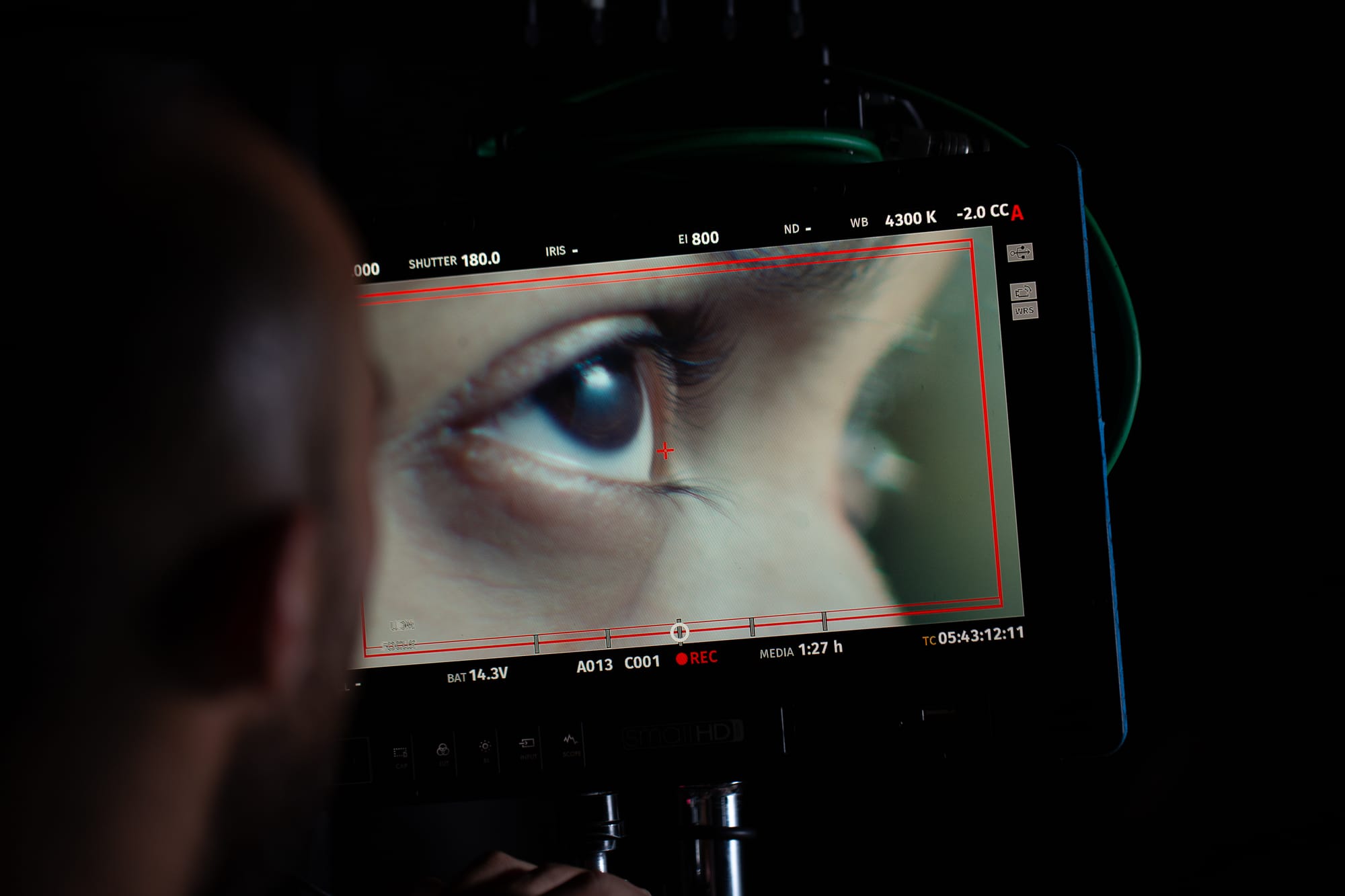
What’s a tool, technique, or resource that really helped you during production?
Vintage lenses. I've become mildly obsessed with them. Thanks, Charlie.
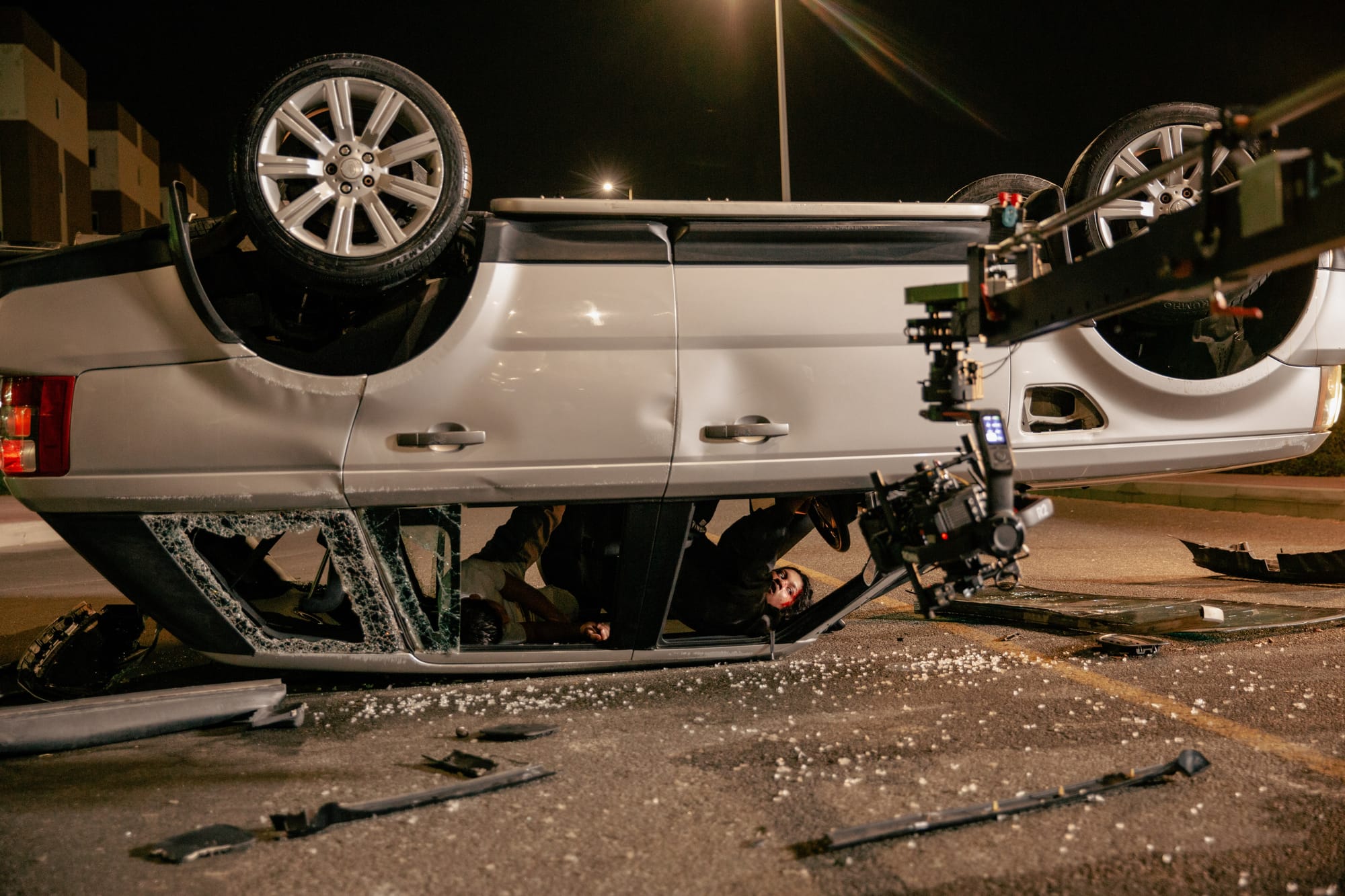
Independent filmmakers often rewrite the rules out of necessity. What do you think is the greatest strength of independent filmmaking, and how did you lean into that on this project? Is there a lesson or breakthrough you’d share with others navigating this path?
Get what you need to fill the frame the way you want it to look, and fix from there. Practice your problem solving skills as a director, and you'll be able to handle anything. That's an indie director's biggest strength: the ability to make it work.
What does it mean to you to have your film selected for FilmQuest, one of the world’s top reviewed genre film festivals?
Incredible! I was so excited to be selected and floored to be nominated for best foreign short and best cinematography. This was the first time I decided to fly out for a fest, and I'm so glad I did. It feels like I now have a genre family to go home to whenever I make a film or need advice, and that's truly special.
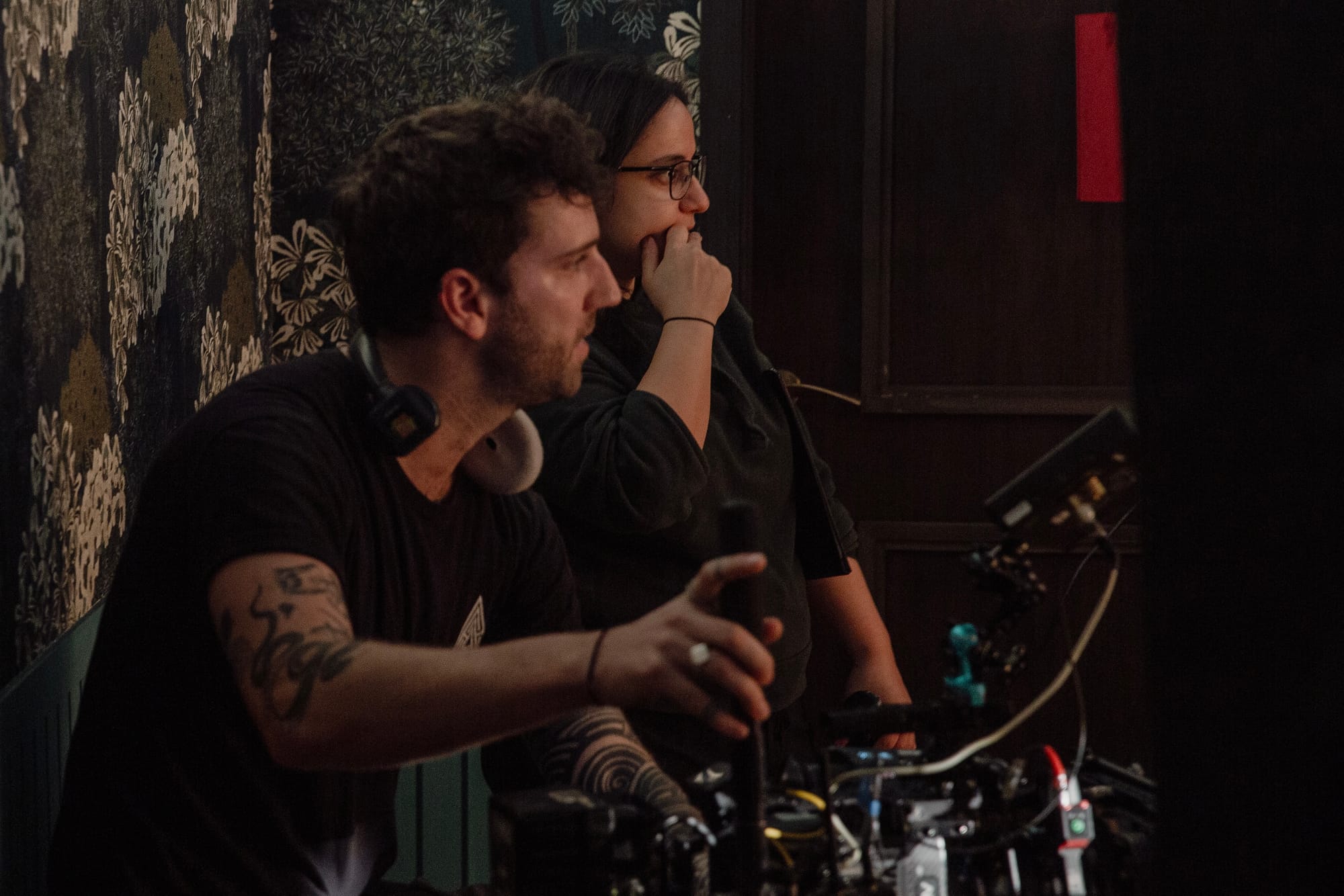
FilmQuest celebrates the majesty and might of genre filmmaking across fantasy, horror, sci-fi, action, thriller, western, kung-fu, and beyond. How does your film fit within—or push the boundaries of—genre storytelling?
Yathoom is an Arabic-language cosmic horror. There are only a handful of films that fit into that category. If the elements shift in our favor, we might be on the cusp of a Middle Eastern genre wave that could take the world by storm.
"Get what you need to fill the frame the way you want it to look, and fix from there. Practice your problem solving skills as a director, and you'll be able to handle anything."
Where do you see this film going next?
For now, we are headed to Morbido in Mexico, then to Buried Alive in Atlanta, and then back home to the Sharjah Film Platform. I'm hoping to find the traction to expand this into something bigger next, finger crossed!
“At the core of all my work is a desire to evoke a sense of existential dread."
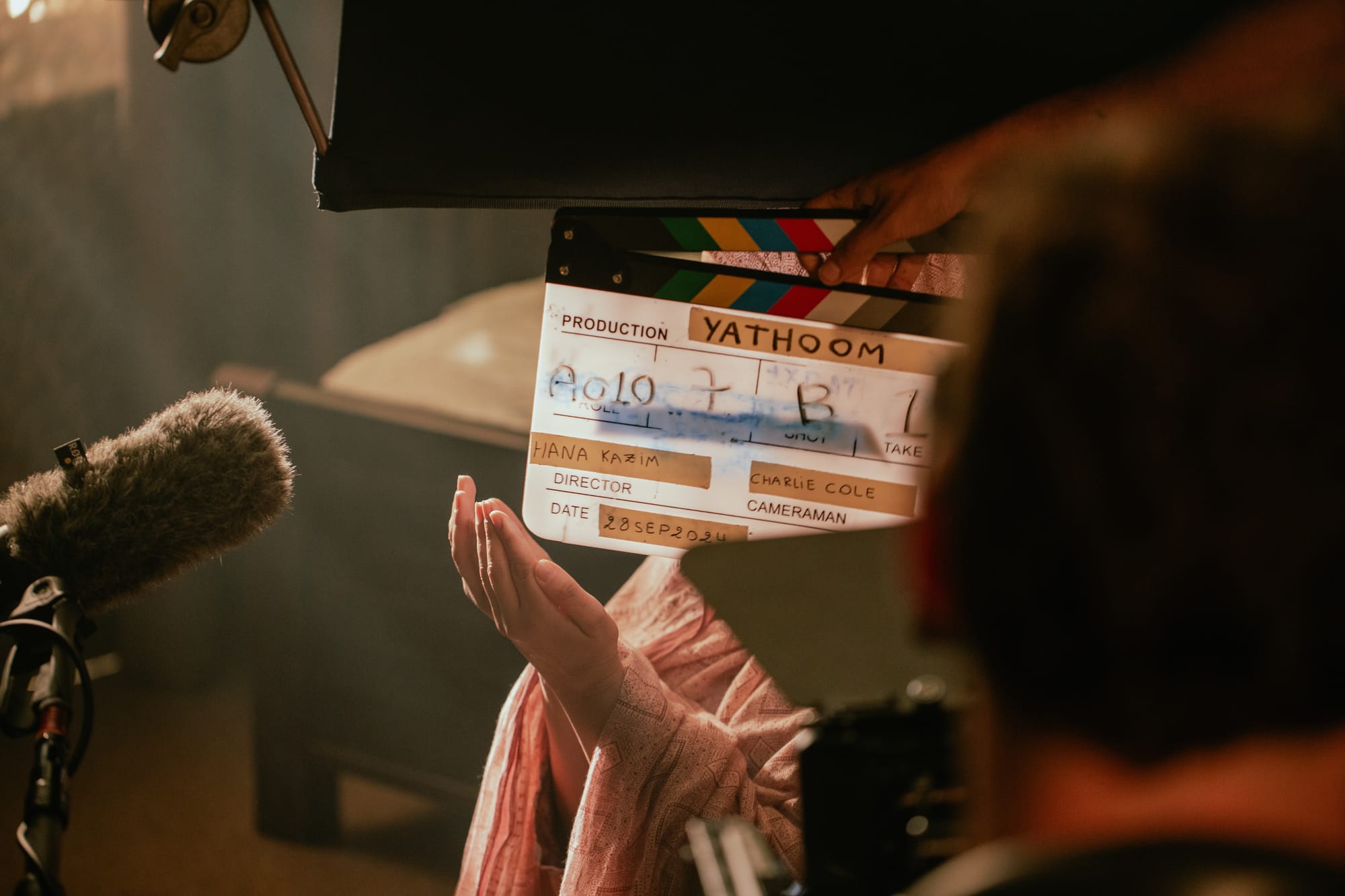
Cast & Crew
Nida Akbar (Production Designer)
Ali Helnwein (Composer)
Marine Chiu (Editor)
Layla (Main Cast)