Table of Contents
Three Key Takeaways
- Georgia Evensen’s Proscenium explores the emotional intricacies of creative connection and communication between women through dance and film.
- The film’s minimal dialogue restriction inspired a focus on somatic storytelling, highlighting body language over words.
- Independent filmmaking’s creative constraints foster unique storytelling rooted deeply in personal experience and authentic collaboration.
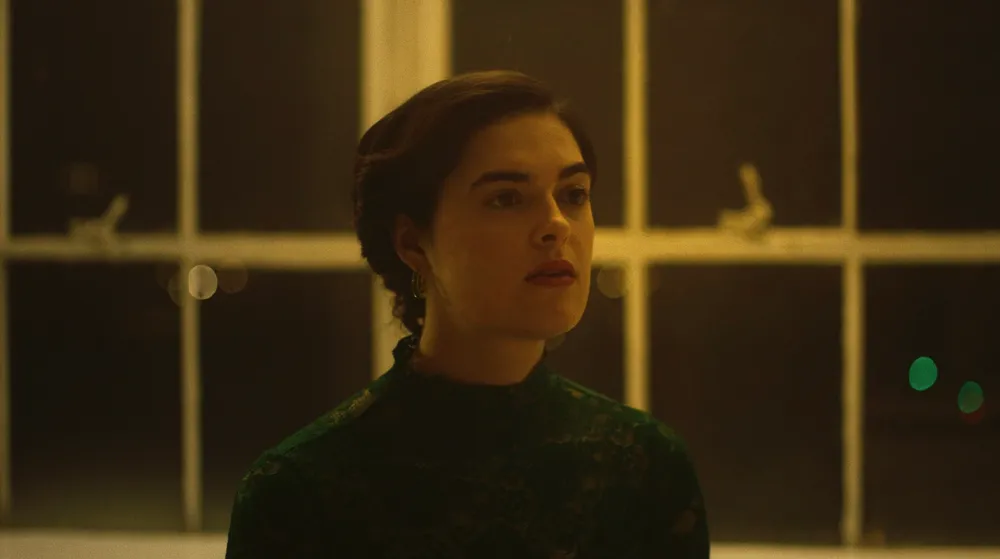
Los Angeles-based filmmaker Georgia Evensen brings her dual passions for dance and cinema to life in Proscenium, a dance film about the making of a dance film.
A junior thesis project at Loyola Marymount University’s School of Film and Television, Proscenium stars Olivia Sprague, Asha Manthena, and Liliana Chomsky.
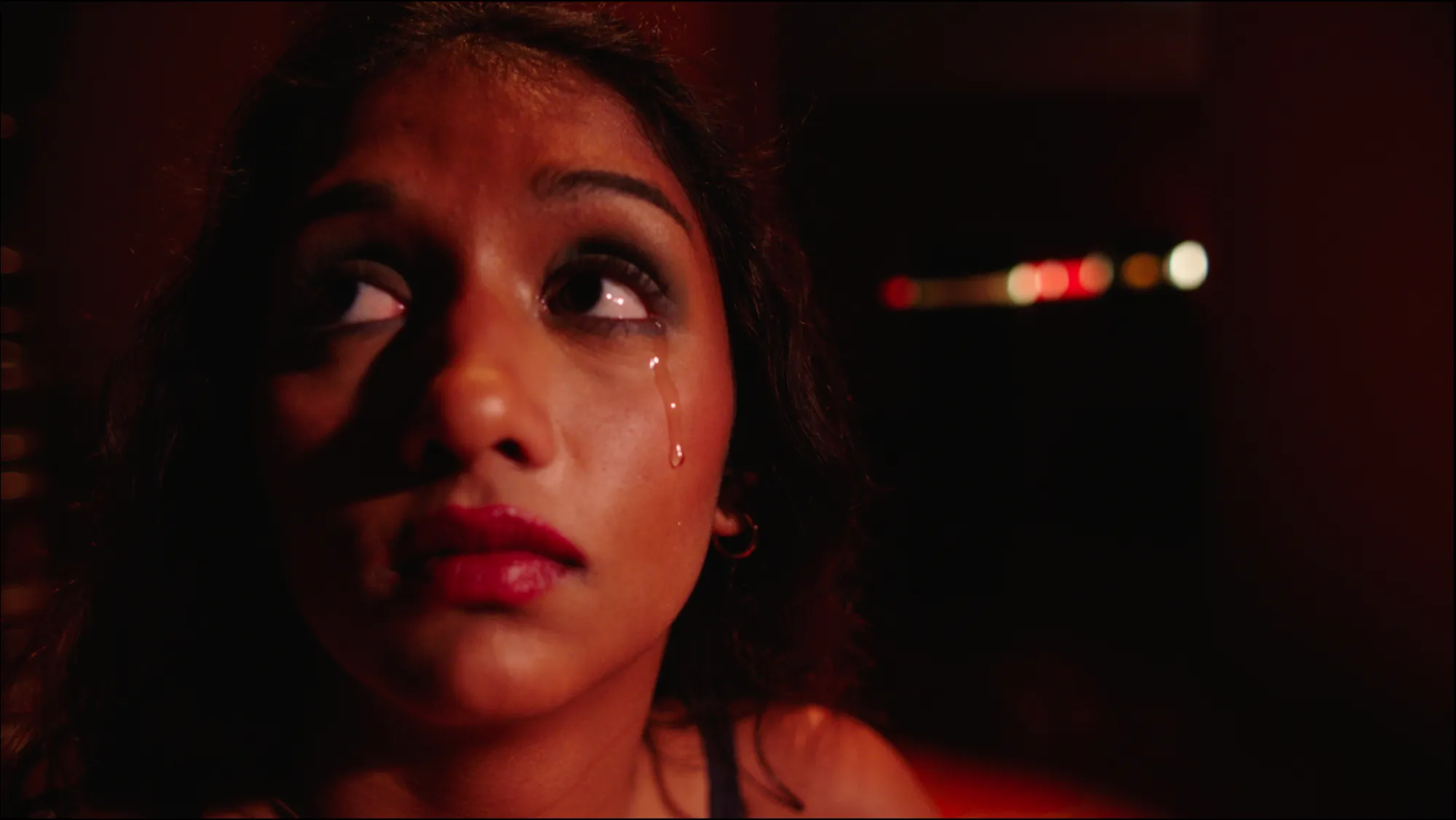
The film’s intimate portrayal of a young director’s struggle to connect with her lead dancer captures the emotional breakthrough that defines the creative process.
Georgia’s experience as a lifelong dancer and editor shapes the film’s rhythmic and movement-driven storytelling.

What drew you to make this film? Why this story, and why now?
As an independent student filmmaker falling in love with directing, I wanted to make a film that encapsulates this early career moment of learning, connection and newness. Also, as a dancer, I wanted to capture not only the feeling of being a director watching your performer breathe life into your work, but also the feeling of giving your entire self to a dance, pouring all your emotion out onto the floor.
“The candid communication and deep connection I developed with my actress… was emotionally transformative.”
What surprised you most about the filmmaking process this time—creatively or logistically? Was there a moment on set or in post that completely changed how you saw the story?
In the past, my films have been primarily visually focused, and characters and story have tended to take a backseat. When I first conceptualized Proscenium, I wanted to create an objective portrait of a film crew working, separating myself from the characters as much as possible by not giving them names in the script. However, while directing my actors, this film revealed itself to me as completely a character-driven story, and at its core about the power of connection and communication between women.
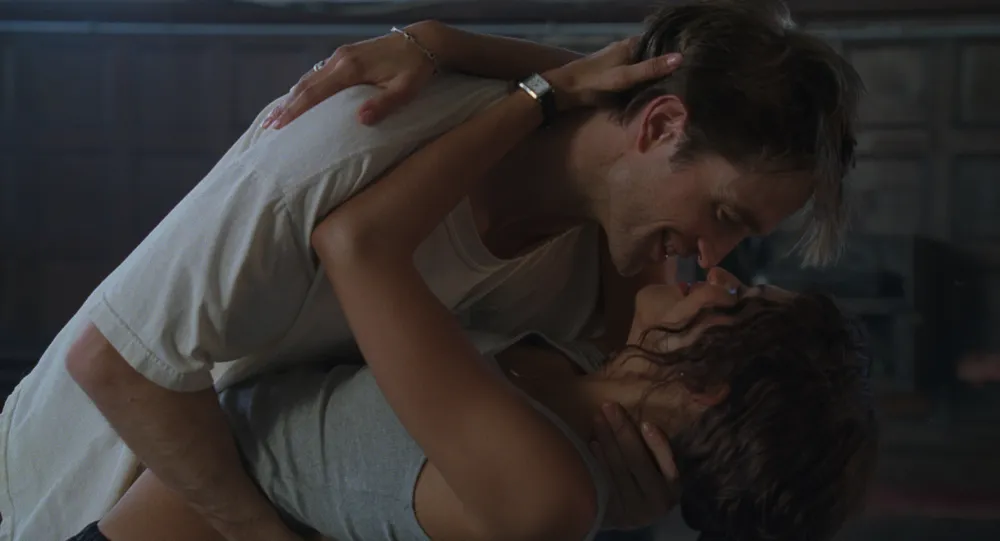
The candid communication and deep connection I developed with my actress, who plays a director determined to communicate with her lead performer, was emotionally transformative. As I reflected on my genuine feelings about the creative process, she emulated my behavior in real time, creating an astonishing feedback loop of creative energy flowing between each of us, shown most prominently in the film through quick glances and sustained hugs, and shared breath, held and released as each delicate piece of our shared vision was put together, and then undone, seemingly more quickly than it came together. This realization has changed my personal philosophy of filmmaking and I plan to explore more character-driven stories in the future.

Is there a moment in the film that feels the most you—something only you could have made?
One moment in the film that feels very me is the montage of inserts of the space while we hear the sound of the dance, but don't yet see the dancer. I cut this sequence to create tension and intrigue, hoping that the sounds—breathing, stomping, falling—don't reveal too much, and people are left wondering what is going on on the other side of the Proscenium.
What was the hardest creative decision you made while making this film?
I made this film as my junior thesis project at Loyola Marymount University. For this project, our use of dialogue is restricted, and we are only allowed to use seven lines of dialogue in our five to eight minute shorts. Having to choose what dialogue I should include was absolutely the hardest creative decision I had to make. I do feel that this limitation was ultimately beneficial, as it steered me in the direction of telling a story about communication through body language instead of words.

What do you hope audiences take away from your film?
I hope that everyone, filmmaker or not, can relate to this feeling of the sublime power of a creative breakthrough, and that fleeting feeling of basking in that moment before it all falls away. Also, I hope filmmakers and film lovers alike can have some fun with getting a behind-the-scenes look at making a dance film, or a chance to look beyond the Proscenium between crew and performer, I could say!
“At the core of all my work is a desire to explore the complexities of human emotions and relationships.”
How has this film shaped or shifted the kind of stories you want to tell next?
I am fascinated by the power of wordless, somatic communication between women, through both dance and body language, and I would love to explore this concept further in my future films.

What’s a tool, technique, or resource that really helped you during production?
In terms of a collaborator that helped me tremendously throughout production, my mind goes to my DP, Logan Watts. He is a very close friend of mine, and this is the first major production we collaborated on. He put so much focus and energy into working to develop an intentional visual language for the film, and I am so grateful that we got to work together.
Independent filmmakers often rewrite the rules out of necessity. What do you think is the greatest strength of independent filmmaking, and how did you lean into that on this project? Is there a lesson or breakthrough you’d share with others navigating this path?
I think that limitation breeds creativity, and that is the greatest strength of independent filmmaking. Learning to work within one's limitations and write stories that play to our strengths and privileges within each of our individual situations helps us produce work that feels unique to us.
When I first conceptualized this film, with an understanding of my financial and logistic limitations, I knew I wanted to shoot in one location, my grandmother's beautiful house which I was so lucky to grow up in. Using this free and accessible location allowed the film to feel deeply rooted in my personal story as a filmmaker, much more than an expensive, rented location would have.

What does it mean to you to have your film selected for TRC Shorts Fest?
Born and raised in LA, I feel so honored to premiere Proscenium at an LA festival. Additionally, this film is a story about the relationship between female creatives, so it is very special to premiere at a festival that empowers women and non-binary filmmakers.
“I think that limitation breeds creativity, and that is the greatest strength of independent filmmaking.”

Where do you see this film going next?
I hope to continue playing at festivals around the US, and get feedback that inspires and empowers my future filmmaking endeavors.
“At the core of all my work is a desire to explore the complexities of human emotions and relationships."

Cast & Crew
- Logan Watts — Director of Photography, close collaborator on this project