Table of Contents
Following her debut as Glinda the first installment of Wicked, Ariana Grande fans began immediately commenting on the noticeable weight loss. The actress later took the conversation to social media, urging people to be "less comfortable commenting on peoples bodies" and reaffirming that this version of her physique was a healthy one for her. This message was met with mixed success, as many individuals believed it harmful to promote her weight loss as "healthy."
Regardless of your personal stance on the issue, critiques surrounding actor appearances, both on and off screen, is nothing new to Hollywood. However, as discourse related to the bodies of actors continues to rise on social media, it seems fair to look at the ongoing practices of body transformation within the industry itself. What are the health implications of actors being asked to, and praised for, dramatically changing their appearance for roles? And is it something to be considered in the ever-changing landscape of acting for film & television? And, with these risks in mind, what are some alternatives to body transformations when casting actors for roles?
What is Extreme Body Transformation?
With origins largely attributed to Robert DeNiro's total 80lbs weight gain across production and pre-production for Raging Bull, extreme body transformation is the act of changing ones' appearance without the assistance of special effects makeup or digital enhancement. These transformations, while not always, often occur over a short period of time.
Body transformations usually revolve around weight loss or gain. In extreme cases, like DeNiro, this can range anywhere from 30 to 100 pounds. There are several examples of actors that have taken on roles that asked for this type of transformation. Whether of their own volition or at the behest of a director, these types of changes can be deeply unhealthy.
Different Practices of Body Transformation
Bulking Up
Bulking up is the practice of gaining weight, as well as undergoing rigorous workout training to put on more muscle mass for a role.
For his role in the tv adaptation of the Jack Reacher series, actor Alan Ritchson told The Kelly Clarkson Show that he had to gain 30lbs in preparation for the role, eating thousands of calories per day to achieve the build seen on screen.
While bulking is typically in reference to gaining muscle, in the case of Vince D'Onofrio in Full Metal Jacket, the goal was very different.
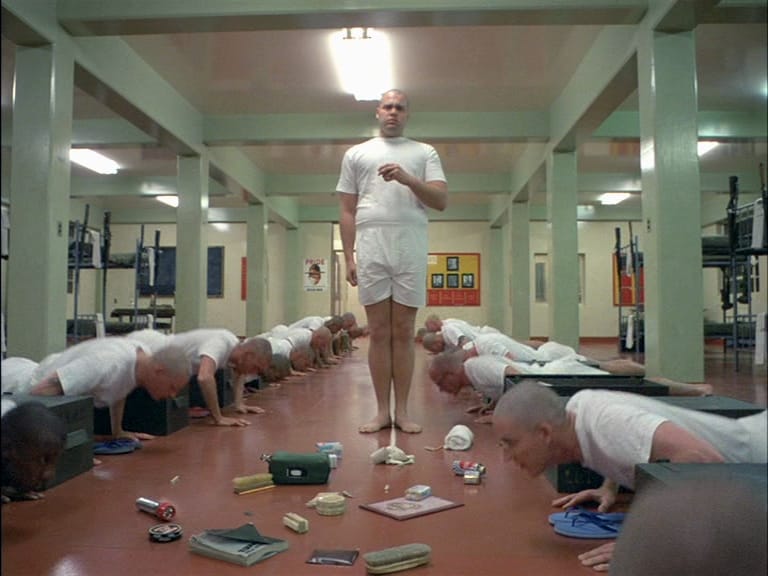
For the 1987 film, D'Onofrio was asked by Stanley Kubrick to gain a total of 70lbs over the span of 7 months for the role, as written in The New York Times Archives. D'Onofrio suffered from a knee injury due to the weight gain while filming, resulting in reconstructive surgery.
Extreme Dieting
Roles that require extreme dieting often seem to be a fan favorite among well-known method actors. As the name suggests, this type of transformation includes eating very minimally in order to lose as much weight as possible for a role.
One well-known example of this is Christian Bale's his role in The Machinist, before gaining nearly 100lbs in 6 months afterward for his role in The Dark Knight.
Matthew McConaughey and Jared Leto both received Academy Awards for the portrayal of their respective roles in Dallas Buyers Club. McConoughey reported to the BBC that while he experienced extreme physical energy loss, he remained so mentally energetic that he was sleeping 3 hours less each night. Despite this, he claimed it was far more challenging to put the weight back on after the fact. According to Business Insider, McConoughey's diet consisted primarily of fish, tapioca pudding, and wine during this time. For Jared Leto, the weight loss had a long-lasting impact on his appetite. The actor told CNN in 2013 that he simply "stopped eating" for the role, not elaborating further on his specific dietary choices, but stating "It changes the way you walk, the way you sit, the way you think.”
"Drying Out"
While it's considered a newer practice in the acting world, "drying out" is a historically common technique utilized by bodybuilders in preparation for shows. The process includes decreasing ones' water intake over the course of about a week while simultaneously increasing sodium intake, ultimately drinking almost no water in the 24-36 hour period before a shoot. As a result, the skin becomes almost paper-thin, clinging to muscle. Often this practice is used prior to shirtless scenes when filming, so as to more clearly define the actor's muscle.

Henry Cavill has been open about using this technique for roles in The Witcher and Man of Steel. In his interview for The Graham Norton Show in 2019, Cavill explained that by the time it came time for shooting, he could "smell water nearby."
Health Implications
Many actors are praised for their dedication and willingness to undergo such extreme transformations for the art of filmmaking. However, these transformations pose a great risk to actors' health and wellbeing in a multitude of ways.
Impact of Weight Fluctuations
According to Medline Plus, an online resource for the National Institute of Health, weight loss of more than 2lbs a week often leads to a loss of muscle, water, and bone density. Additionally, the website states that "People who lose weight quickly are also more likely to gain back the weight quickly." Rapid weight gain likewise can result in a number of complications, including Type 2 Diabetes.
Actor Tom Hanks told The Guardian that he suspects rapid weight transformations required for roles like Castaway and Philadelphia may have lead to his development of Type 2 Diabetes.
Resulting Mental Health Issues from Dieting
Requiring actors to undergo extreme body transformations can also greatly impact their mental health.
In her article for Psychyology Today Licensed Clinical Social Worker and Certified Eating Disorder Specialist, Carolyn Karoll explains, "Restrictive dieting can lead to cycles of restriction followed by binge eating, creating an intense preoccupation with food and body image."
This was true in the case of Sebastian Stan, who spoke about his insecurities to Entertainment Weekly surrounding his portrayal of Tommy Lee in the Hulu series Pam & Tommy, even going so far as to mention a struggle with body dysmorphia and a feeling of not having lost enough weight for the role.
Managing Expectations
While gaining 30lbs of pure muscle for a role or losing the same to get in the mindset of a character takes dedication, it is an unnecessary risk in the modern day. There are plenty of safer routes filmmakers can take to ensure the safety of their actors throughout the course of filming.
Casting Directors have a responsibility to find actors that fit the part a Director is looking for, which on its own should eliminate substantial need for actors to undergo any massive changes. Barring that there are multiple options to explore when the need for drastic transformation does arise.
In 2019, fans were left shocked in theaters to see a beer-bellied Thor in Avengers: Endgame. The silicone suit transformed the buff blonde into a much heartier version of his beloved character.
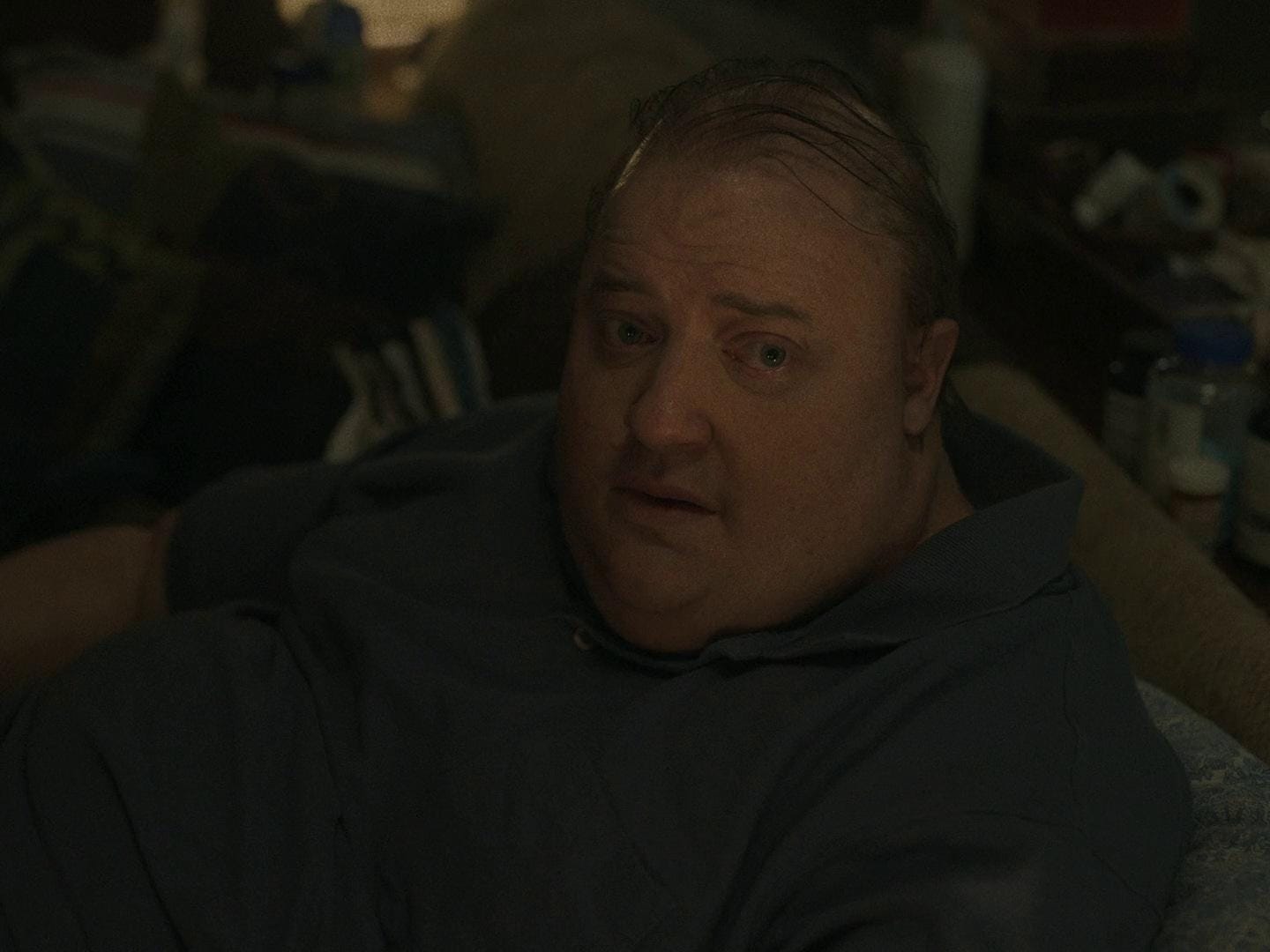
While not accessible to all scales of filmmaking, skin suits are a plausible option for replacing body transformation. A much lower budget film, The Whale saw powerful success from Brenden Fraser's heartfelt portrayal – all while donning silicon.
Even portraying more muscular builds is possible. A great example of this can be seen in The Boys, where Anthony Starr has fake muscles built into his suit when portaying the infamous Homelander.
As technology grows and changes in Hollywood and new innovations are found, it is important to keep in mind how these inventions can create a better environment for filmmaking. If the success of stories like The Whale and The Boys are anything to go off of, changing the conversation around extreme body transformation to reward creatives that prioritize safety the over hyperrealism can allow actors to give just as much, if not more energy to their respective roles.