Table of Contents
Recent action films like Thunderbolts* and Mission: Impossible – The Final Reckoning both hold a substantial place in the cinematic industry. With the Marvel Cinematic Universe being one of the most successful movie franchises in film history and the Mission: Impossible series dating back to its iconic 1996 release, audiences held high expectations for their anticipated releases. However, both films underperformed at the box office despite their franchise popularity. One begins to wonder if expensive production methods such as real stunts or practical effects contributed to their respective failures.
CGI, or Computer-Generated Imagery, began to gain popularity with filmmakers in the 1970s, most notably in the first Star Wars film. The initial reception was positive, with a mix of curiosity and wonder at the novel new technology that allowed for otherworldly visuals, despite how artificial they look to today's audiences. Alternatively, practical effects have always been integral to filmmaking, and is defined as using physical on-set techniques to create a desired visual outcome. This includes things such as sets, costumes, miniatures, and matte paintings to give the illusion of reality.

Despite Marvel films typically relying heavily on CGI, Thunderbolts* made it a point to prioritize practical effects. This is a turn from Marvel’s usual film style, which is defined by saturated colors and CGI elements, while Thunderbolts* avoided CG characters and preferred on-location shooting (Thunderbolts* isn't really like an indie film, director emphasises). There were several real set explosions and the majority of stunts were performed by the actors themselves ('It's Not CGI': Sebastian Stan Hypes the Practical Effects and Stuntwork in Thunderbolts* Movie) The production budget for the movie was around $180 million, with box office hitting $382 million.
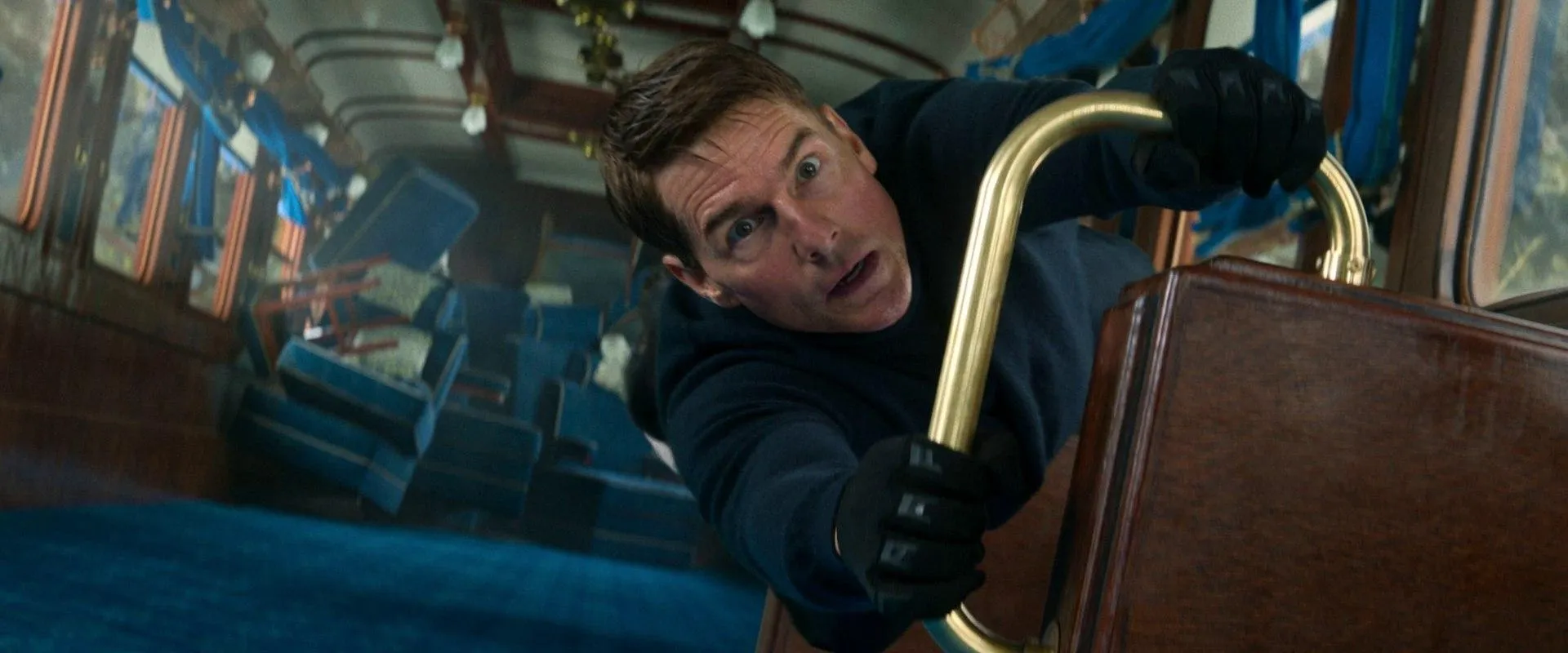
Mission: Impossible—The Final Reckoning had a production budget of $400 million, and with it's iconic rule of all stunts being real, Tom Cruise clung to a flying plane and maneuvered through a sunken submarine. The film reported $576 million in the box office. However, because of its high production cost, the film is still considered by the industry to be a disappointment against its budget.
So, why go through the effort of doing things practically?
The Advantages of Practical Effects
- Practical effects are consistent. They hold a level of realism in all the small details.
- Lighting or form will always be accurate. Audiences are eerily good at spotting inconsistencies or tiny errors, and even the slightest mistakes can feel unnatural to a viewer.
- It looks more intimate and real. Some swear by this viewpoint that audiences just know. (Sebastian Stan Says Thunderbolts* Focuses On Practical Effects Because Audiences "Just Know" And Addresses Marvel's Encouragement)
The Disadvantages of Practical Effects
- Practical effects can often become more costly, as seen with Mission: Impossible—The Final Reckoning. Audiences have suggested that the film could have turned over more of a profit had the film reduced the amount of life-risking stunts and expensive sets.
- CGI is often more flexible, allowing editors to completely change certain things post-shot, whereas with practical effects, most factors are set in stone.
- There are limitations to what you can achieve with practical effects alone. There is always a lot of finishing touches and composition changes that need to be added later on.
Take the time to research your own favorite films as well! It's interesting and helpful to look into the process, learn what aspects were practical versus CGI, and see how that influences your own choices and style when it comes to film-making.