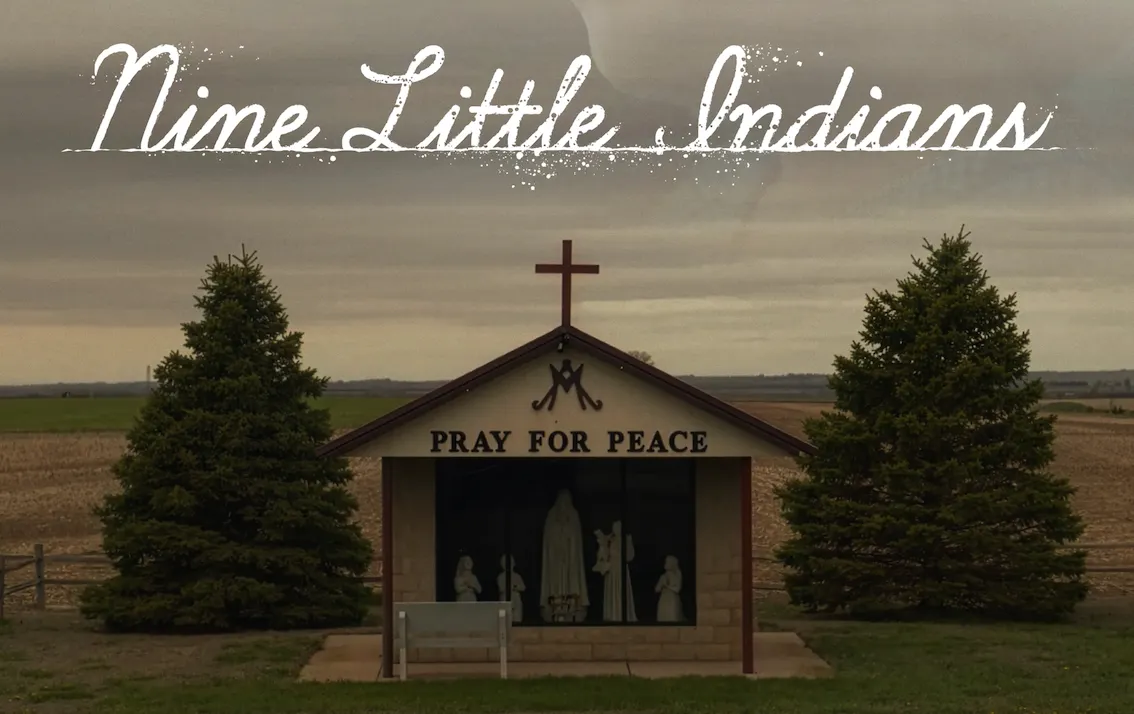
In late June, I had the pleasure of attending several screenings at the Free State Festival in Lawrence, Kansas. One of the films I saw was the powerful documentary Nine Little Indians.
The Film
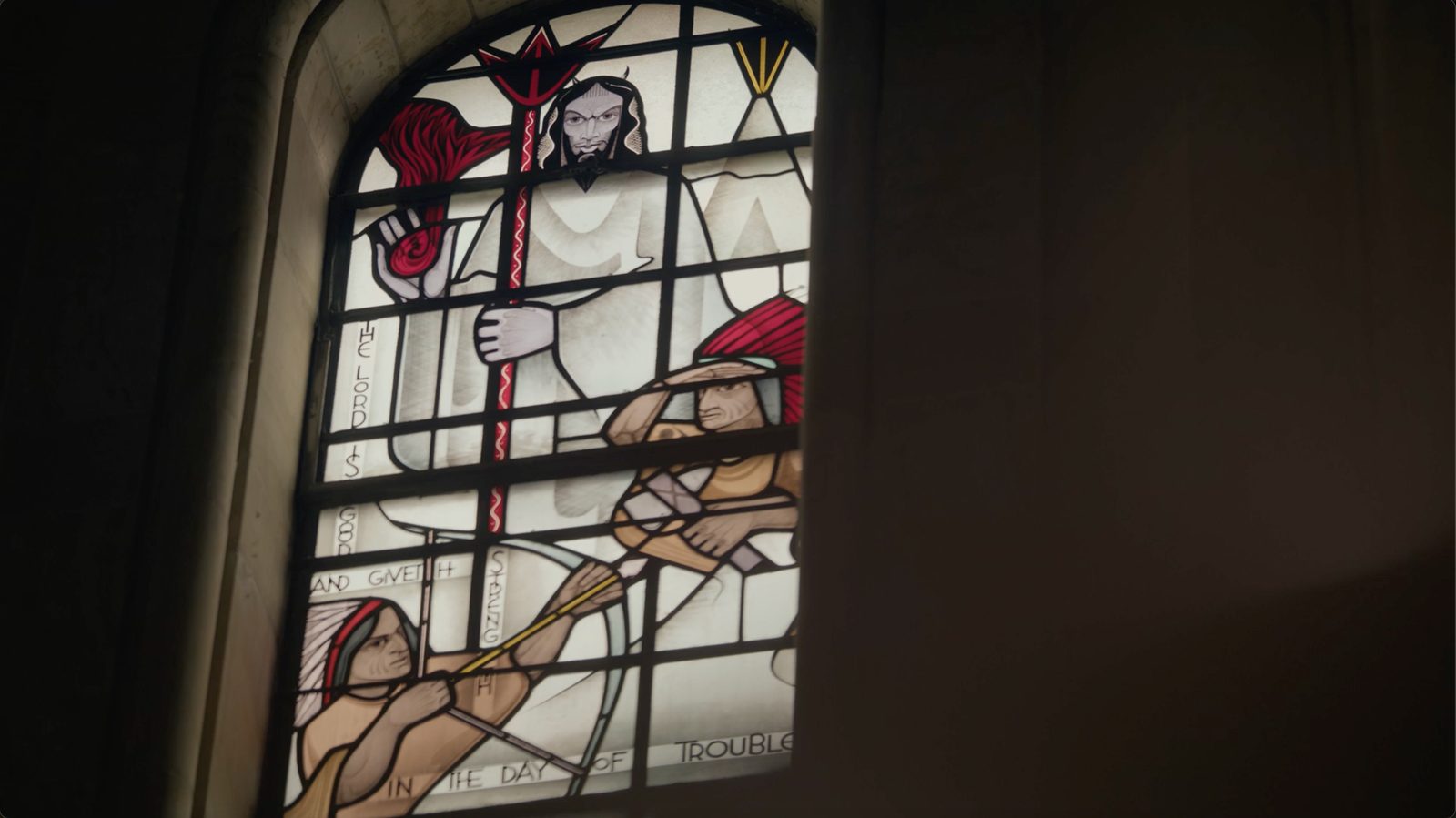
Nine Little Indians primarily focuses on the nine Charbonneau sisters as they tell the stories of the abuse they faced while attending Marty Indian School in Marty, South Dakota. Marty is one of the hundreds of Indian boarding schools across the United States. These schools often claimed to be for the betterment of Indigenous children, when in actuality many of them indoctrinated and abused the children they claimed to protect.
"We were sent to Marty for an education."Embed from Getty Images
The Charbonneau sisters, being of mixed heritage, were confused and fearful upon being sent to Marty as they were raised believing that they were white. Immediately, upon their arrival, the sisters were separated and forced to act as if they were unrelated. Over the course of their time at Marty, all nine sisters were in some way groped, abused, or assaulted by the nuns and pastors that worked at and ran the school.
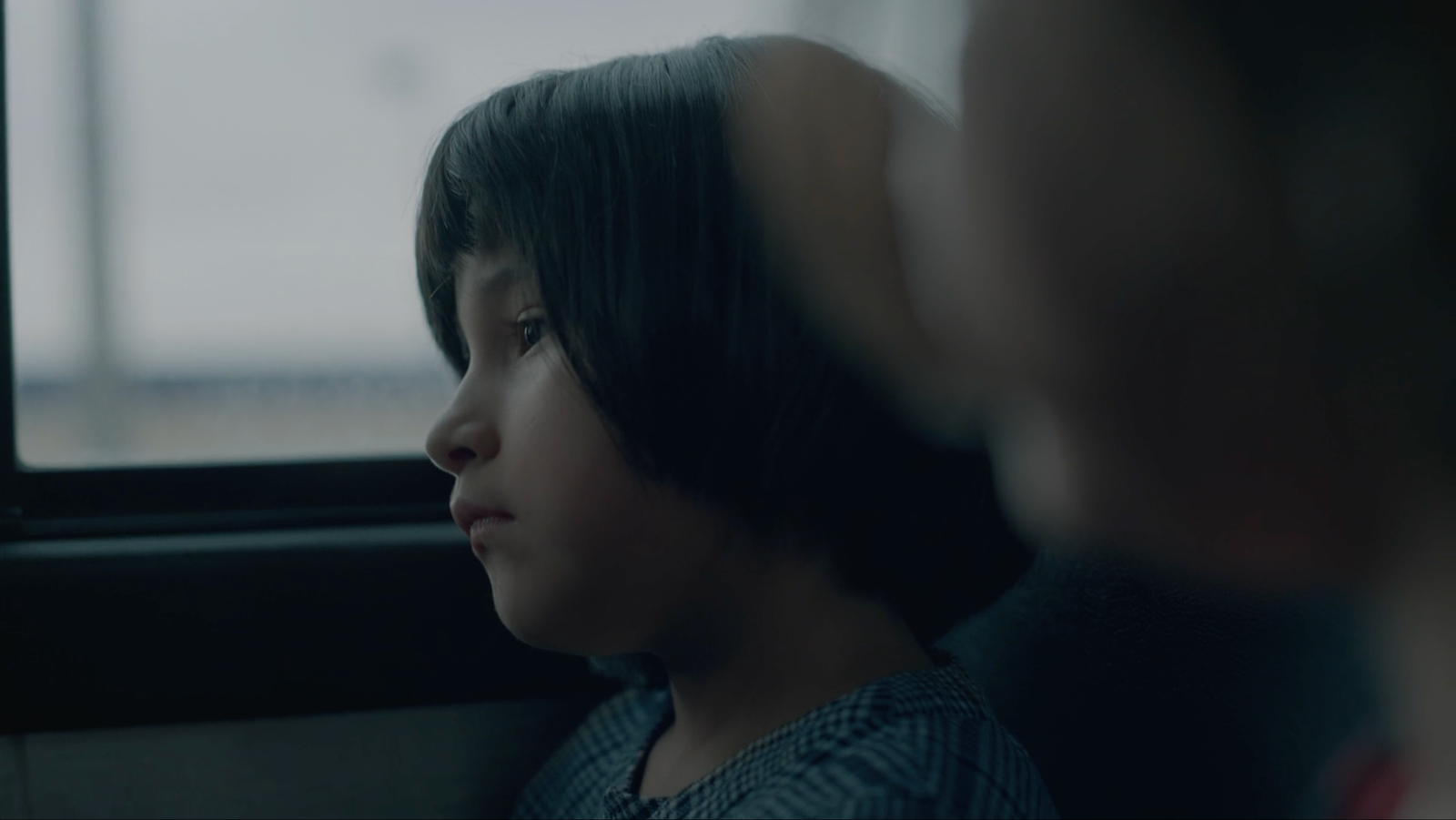
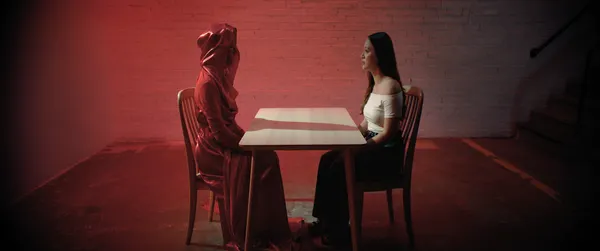
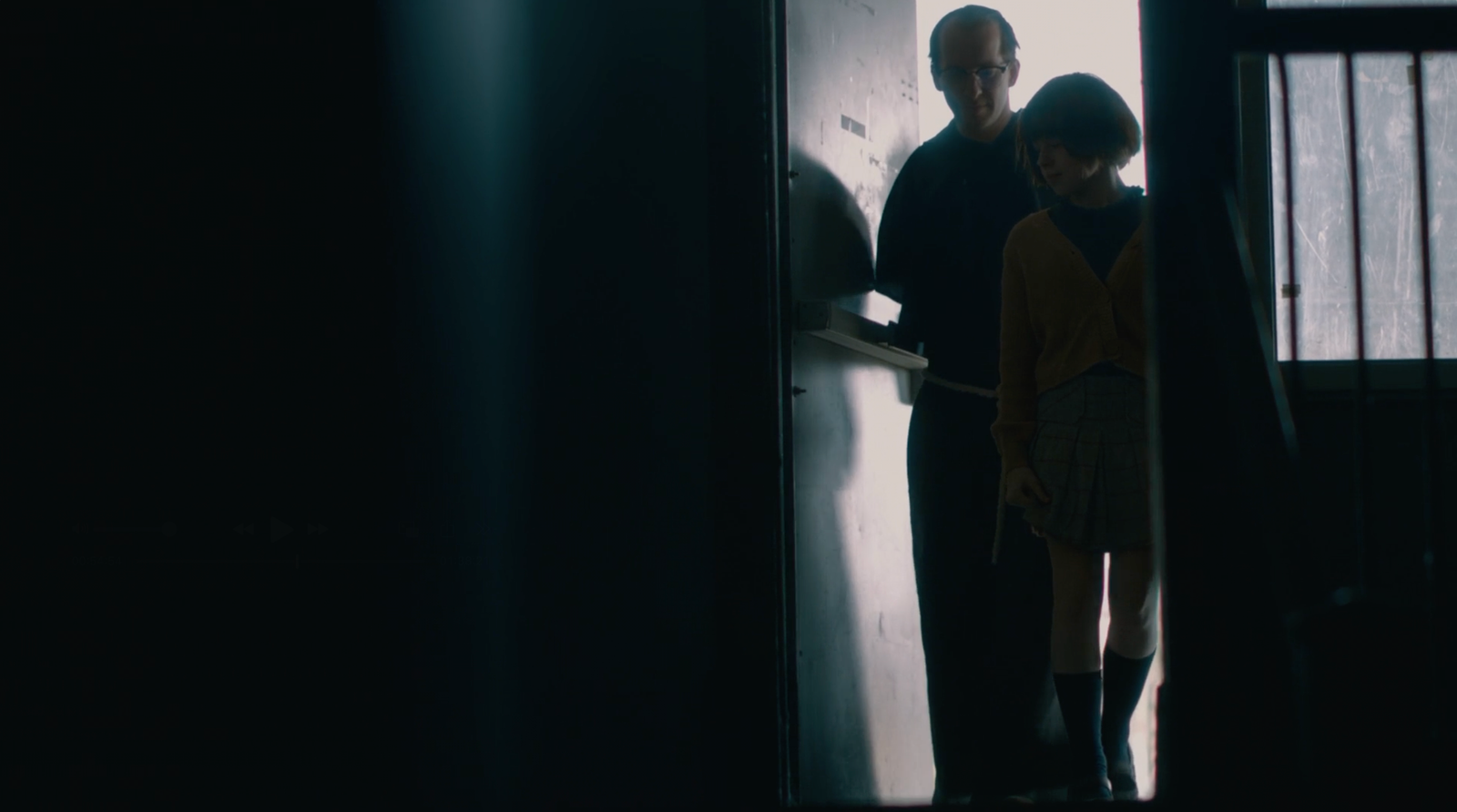
The film chooses to have actors recreate the experiences of the sisters, and while no recreation shows assault in graphic detail, the recreations of the abuses are– naturally–uncomfortable to watch. At one point, the film describes a forced abortion that occurred after one of the sisters was raped by the head priest.
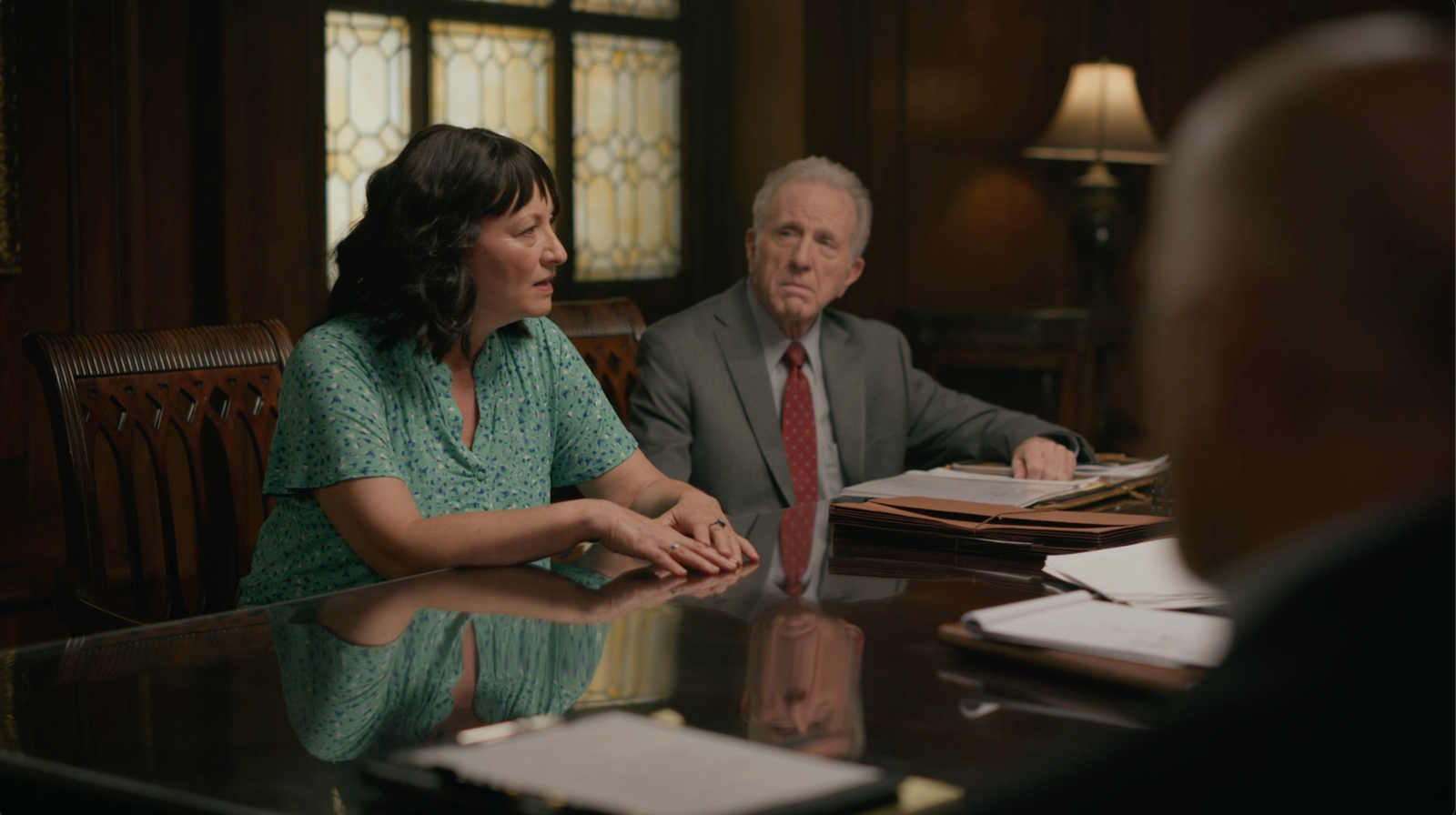
The film also recreates the hearings that the nine sisters went through to ensure their case against Marty be taken to trial. In these hearings, they were forced to recount their abuse to Marty's lawyers while facing numerous disrespectful and degrading questions that survivors of sexual assault often face. Questions like: "What were you wearing?" and "Why didn't you stop it?" Such questions were considered valid by Marty's lawyers.
These experiences clearly had long-lasting effects on the sisters into their adulthood. Sexual assault, especially against minors, whose brains are still developing, has the ability to rewire the brain. Many of the sisters blocked out these memories until they collectively remembered them while discussing their time at Marty.
In the end, the sisters' retelling to the court went unheard as their case did not go to trial. The remaining sisters still fight for justice today by advocating against laws that protect perpetrators, such as one in South Dakota which puts a strict statute of limitations on assaults against minors.
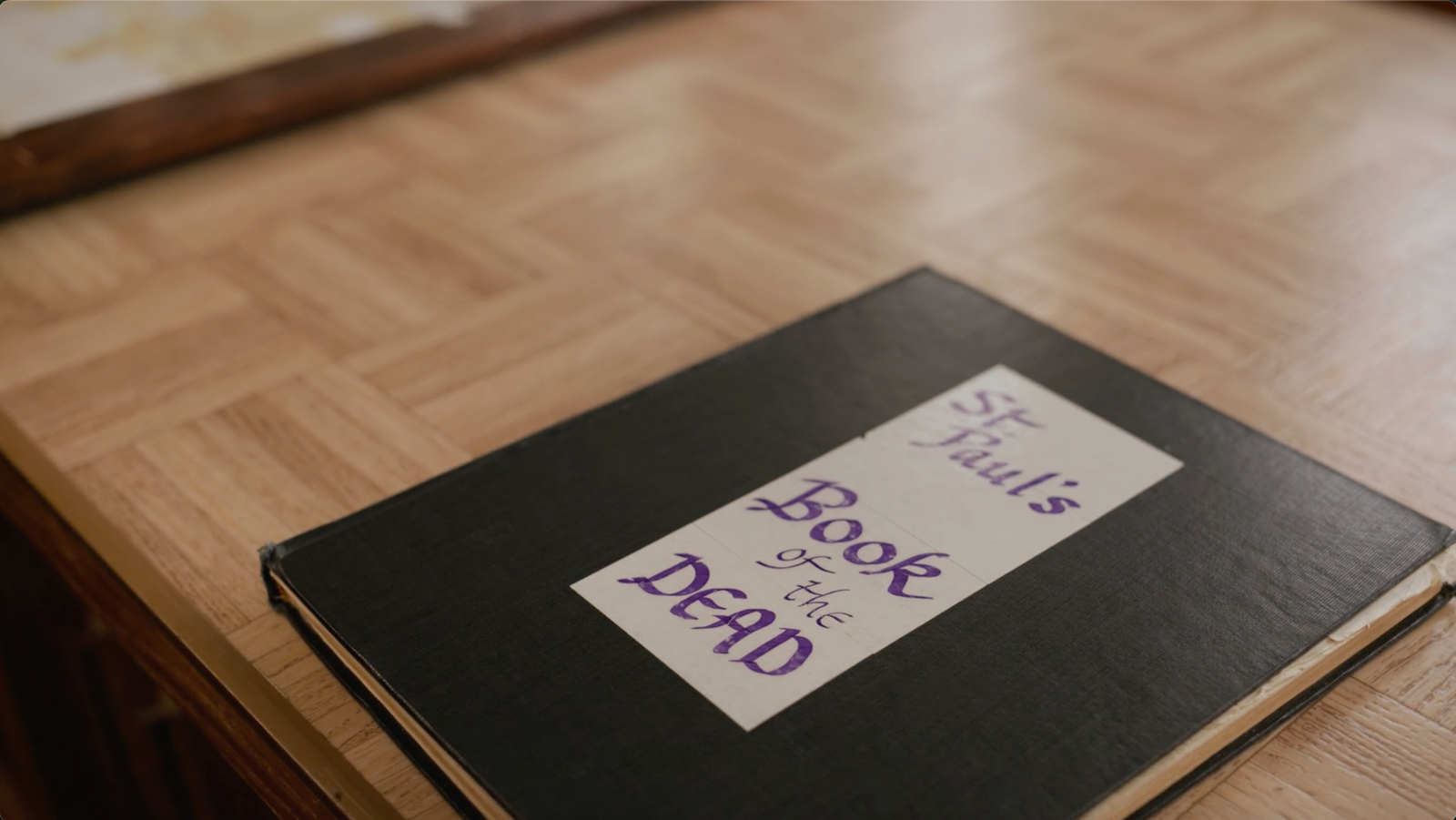
A second plot line of the film follows another Indigenous woman's quest to excavation remains of children buried at Marty and other Indian boarding schools. Indian boarding schools can often be identified by the placement of graveyards on their grounds. This is because it was frighteningly common for students to die while attending the school, whether that be from the abuse they faced during their time there or as a result of attempts to escape.
Many of the nuns and pastors are interviewed during the film, and while they act somewhat sympathetic to the victims, they often doubt their stories, hold too much sympathy for the perpetrators, and claim to have had no idea that the abuse was occurring. One of the nuns tries to avoid releasing proof of death on the school's grounds, not believing that finding the remains of specific children is important.
The film ends by showing Marty as it exists today. While it looks more like a traditional public school, it is still a boarding school now run by the Yankton Sioux Tribe rather than the Catholic church.
The Q&A
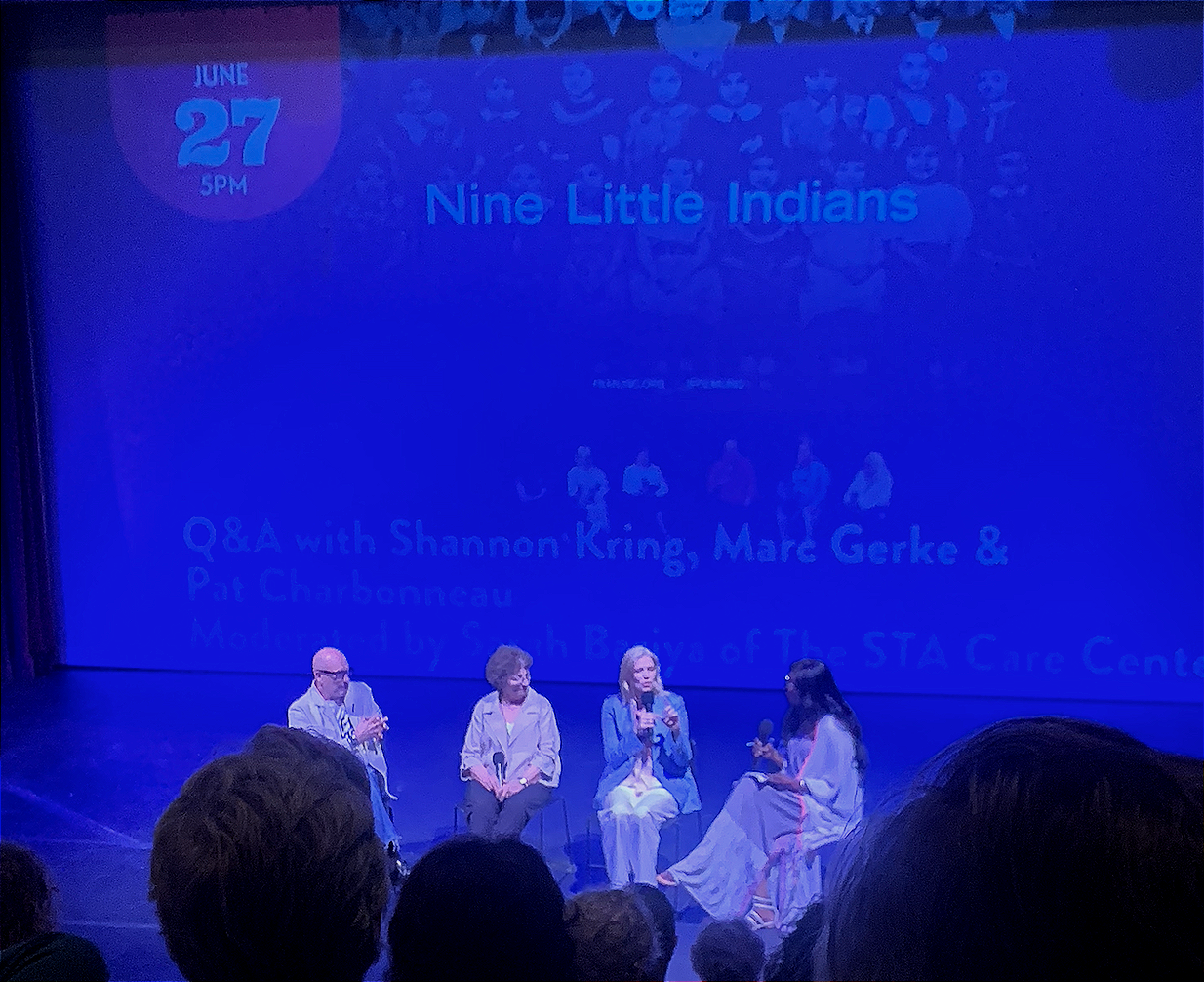
This screening also featured a Q&A with director Shannon Kring, director of photography Mark Gerke, and suvivor Yvonne “Pat” Charbonneau. The panel was moderated the executive director of the Sexual Trama & Abuse Care Center in Lawrence, Sarah Bariya.
Kring explained that she initially got involved with the story after receiving a call while shooting another film. She rushed to a church after hearing that they were possibly destroying the remains of Indigenous children who had died on the grounds. She arrived too late, and as this pattern continued, Kring was inspired to speak with the Charbonneau family and tell their story. Kring shared that many of her projects find her this way:
"My projects always choose me. My job is to get the story out".
Kring's Indigenous heritage lead her to study Indian boarding schools while in middle school. She was surprised to find that people are largely oblivious to this ugly part of history. Gerke admitted that he didn't know about these schools before being brought onto the project.
Charbonneau shared that of the screenings of the film she'd attended, this was the hardest. It is, of course, hard to watch a recreation of your abuse with an audience, but she found comfort in the fact that the audience had taken time out of their day to see and appreciate the film.
"What I see here, right here on the stage, is humanity."
The team at Red Queen Media (Kring's production company) took great care to balance story and representation by involving affected tribes in the creation of the film and listening intently. Many interviews were left on the cutting room floor due to the sheer amount of incidents at Marty.
Nine Little Indians has struggled to find a place on streaming services and in festivals. Kring has found that many find the film to be "too much" for their viewers. At this third screening of the film, Kring asked audience members to share the film in anyway they could as this is a story that everyone needs to see.
Final Thoughts
Nine Little Indians is a powerful documentary that is admittedly hard to watch. Many of its depictions are intentionally grossly uncomfortable and could bring anyone to tears. However, the dark subject matter comes with a sense of catharsis in knowing that all nine sisters survived long enough to share their stories and advocate for justice.
Pat Charbonneau shared some advice for fellow survivors of sexual assault: acceptance is a part of healing. Acceptance of past events allows a survivor to grow and heal through the trauma. She emphasized the importance of speaking out, not just for oneself but for anyone that's experienced abuse:
"We are strong. We know what we're doing. We speak for others."