Table of Contents
Three Key Takeaways
- Directing and cinematography combined can challenge and inspire resourcefulness within limited gear constraints.
- Bold creative choices, like an on-camera death scene, can powerfully impact audience reaction and define a film’s unique voice.
- Collaboration and compromise are keys to overcoming technical setbacks and completing ambitious projects under tight deadlines.
Jerry Swift, a multifaceted media powerhouse known for his love of all things dark, steps into the director’s chair with Falling Out, winner of the CFA Quarterly Film Challenge.
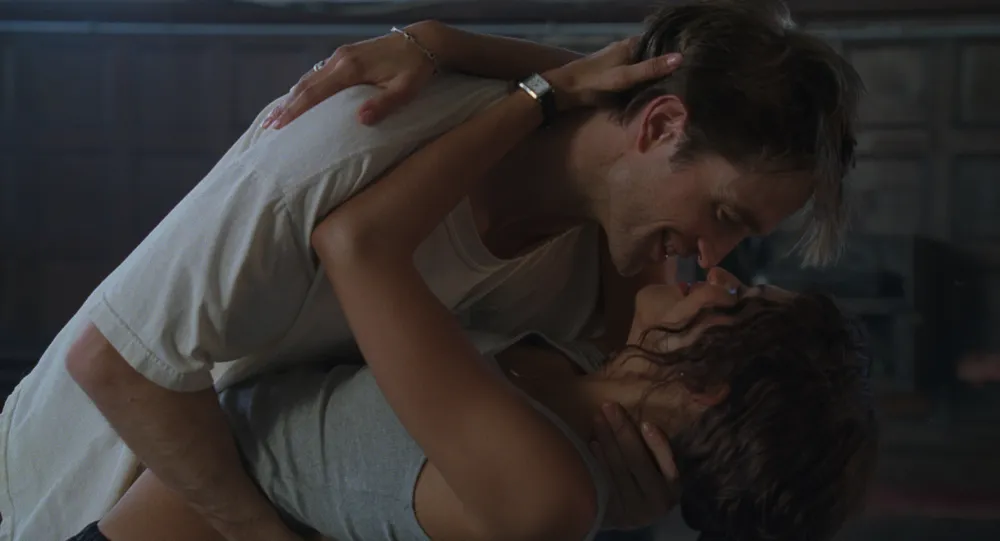
Joined by writer and lead actor Jonathan Davis, and producer and camera operator Leon Hogg, this tightly woven drama explores the unraveling of a troubled marriage in one intense session.
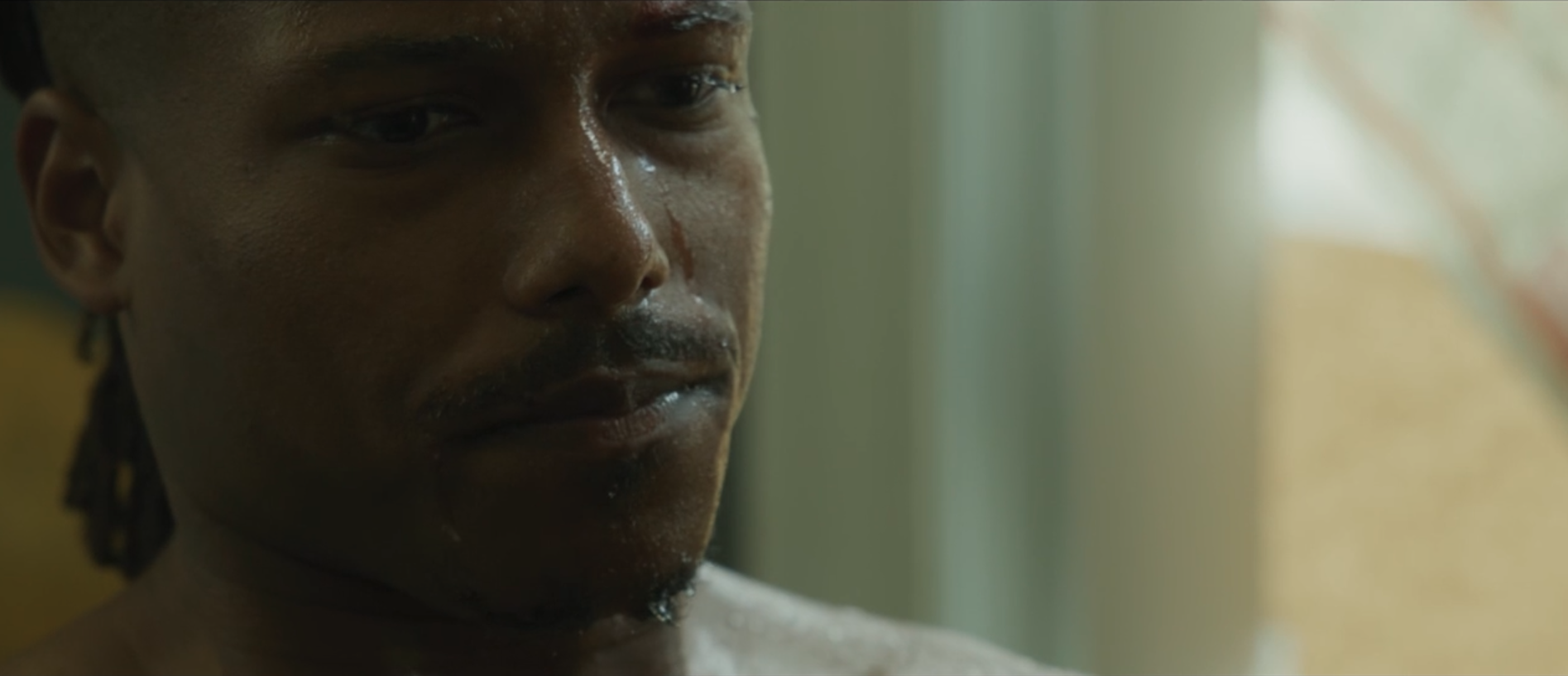
Shot on a Red V-Raptor and featuring a striking visual style achieved largely in-camera, Falling Out showcases the team’s creative risk-taking and tenacity under pressure.
Q&A Interview
Did you write your script during the challenge window or beforehand? Please explain your creative process.
I used a hybrid approach—some outlining earlier, and dialogue developed during the challenge. I wanted to direct something for the challenge while usually being the cinematographer on set. I found the challenge of taking on the role of cinematographer with limited gear inspiring not only to myself but also to others who might feel limited by what they have.
What was your biggest creative risk or boldest decision — and did it pay off?
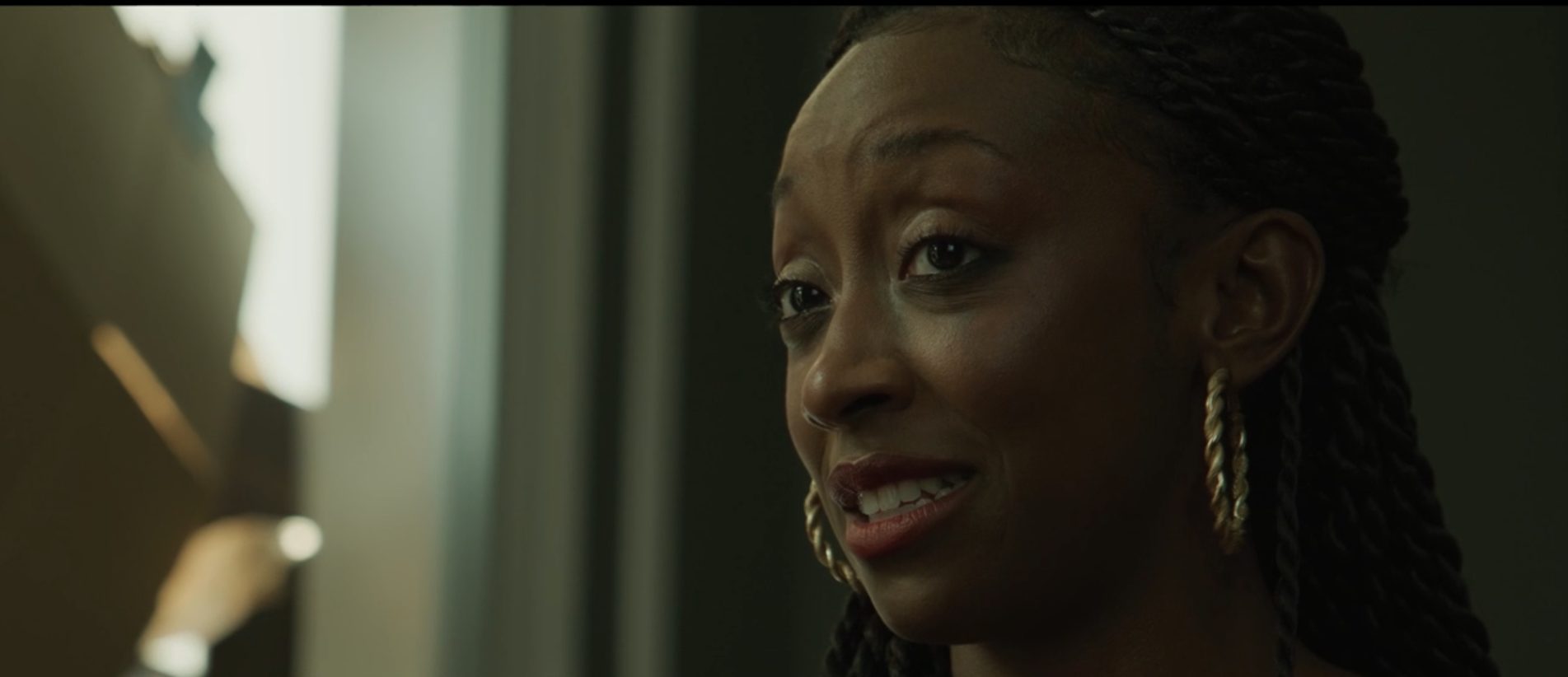
The biggest creative risk was having the death scene be on camera instead of showing a flash of light on the subject’s face. There was quite a bit of back and forth about how the audience might feel about it, but I personally wanted it to go out with a "BANG" both literally and figuratively. Based on the audience's reaction, it was absolutely worth it and definitely fit my style of work.
What surprised you most about the process — either about yourself or your team?
Directing for the first time showed me truly how much pressure is on your shoulders while on and off set. Having the final decision of what the audience sees is truly a daunting process, especially within the 72-hour time constraint. It was a phenomenal rush!
Was there a moment where you thought you wouldn’t finish? How did you push through?
Between slow render times, shooting high-res footage, VFX software glitches, and renders not turning out properly, I genuinely did not think we would make it on time. It got to the point during the edit where I was ready to apologize to all my crew and throw in the towel. It was only after making necessary compromises to resolution—which still looked great after downscaling—a talk with my co-editor (Jon Davis), and embracing the idea that completed is better than perfect, that I was able to finish the film in the final moments.
Did you meet new collaborators through CFA’s Collab Sheet?
Unfortunately, I did not meet people through the collab sheet due to time constraints, but I was able to meet many new faces on my set who will definitely be returning to the challenge. Some may even enter themselves, which means more lovely competition!
"I found the challenge of taking on the role of cinematographer with limited gear inspiring not only to myself but also to others who might feel limited by what they have."
What gear did you use for the production?
I shot on the Red V-Raptor camera with an RF 24-70 2.8 lens. Sound was captured using a Sennheiser MKH416 plugged straight into the camera. Editing, coloring, and VFX work were all done in DaVinci Resolve.
What was your shooting schedule like?
We shot everything in one day over the course of about 12 hours.
What would you do differently next time?
I would delegate more and make sure everyone is comfortable with the tasks given.
"I personally wanted it to go out with a 'BANG' both literally and figuratively."
What advice would you give to someone doing this challenge for the first time?
Do it! There are only winners here! Even if you don't get a prize, you'll gain invaluable experience you can only get by making the actual movie. Push boundaries and make what YOU want to!
Anything else we should know or include?
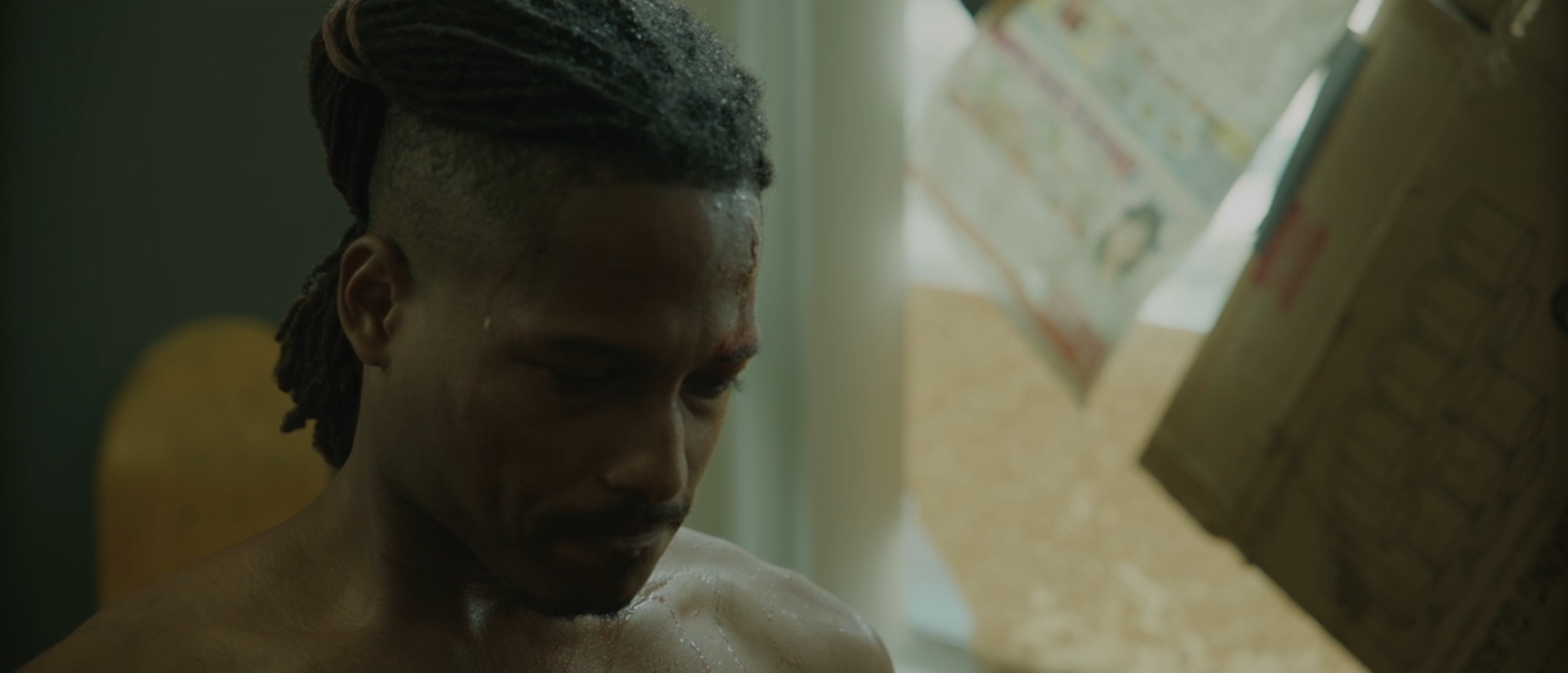
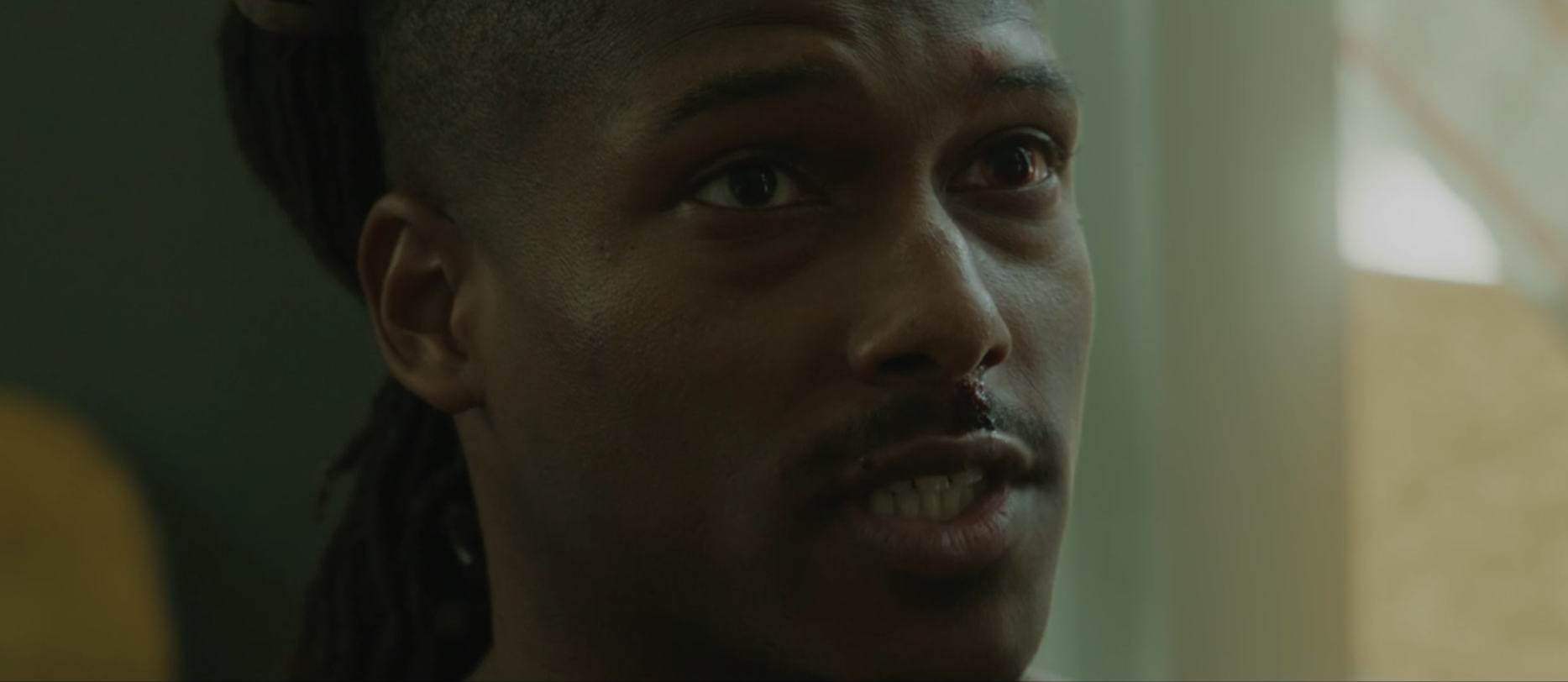
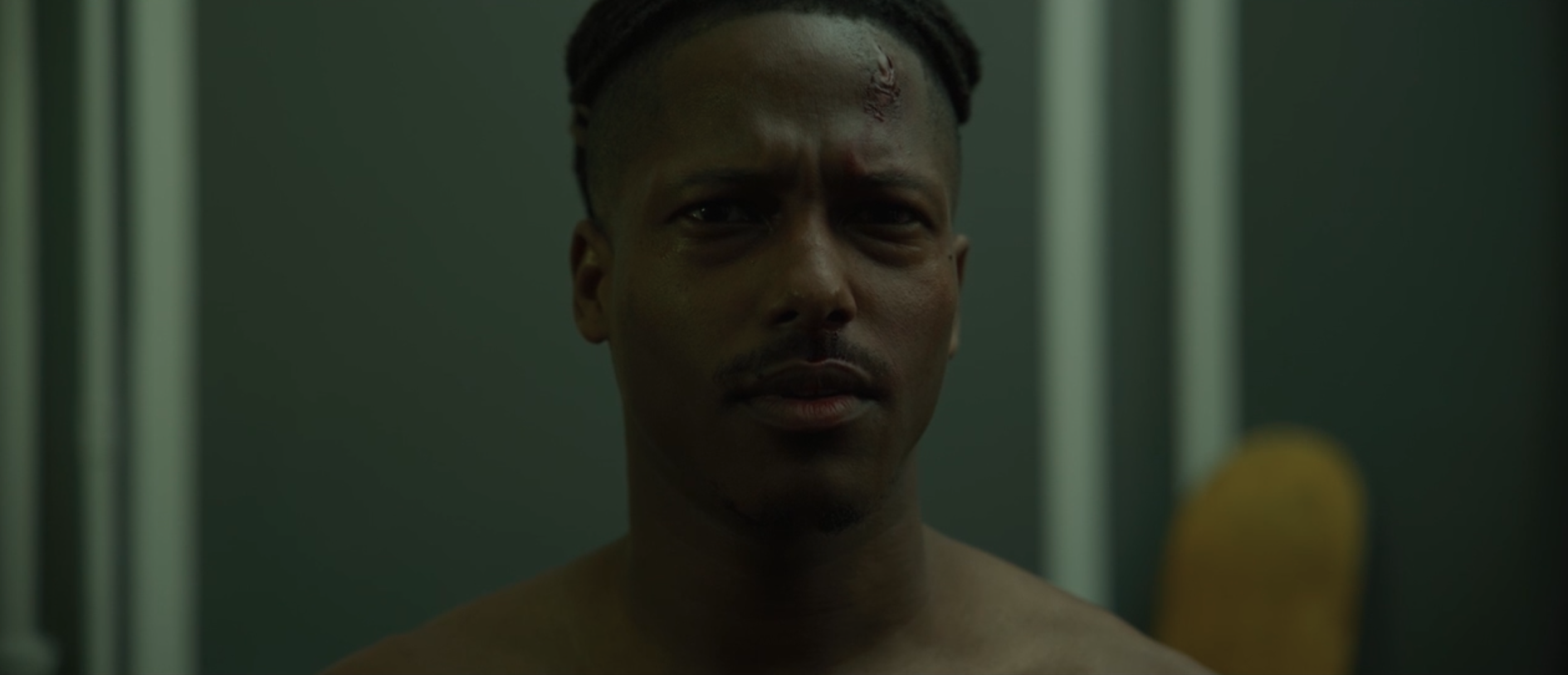
Fun fact: Most of the look from the film was made in camera. The green cast was a creative choice using a variable ND filter cranked all the way to give the color cast the cinematographer was looking for.
"Completed is better than perfect."
Cast & Crew
- Jonathan Davis — Writer, Editor, Lead Actor. A writer with a flair for romantic tragedies, dedicated to bringing the vision to life both on and off screen.
- Leon Hogg — Producer, Camera Operator. A tech and Sci-Fi lover who smooths out any production problem on or off set.