Table of Contents
On Christmas Eve, Father, Mother, Sister, Brother (2025) made its theatrical release in the US. The film did not have a flashy rollout but instead hit theaters silently, partially because it did not feature at the Cannes Film Festival, where director Jim Jarmusch’s films usually premiere. He has a long history of premiering his work at Cannes, from Dead Man (1995) to Paterson (2016), so not having his most recent film follow the same path came as a shock—especially since this was his first film release in six years. Instead, it premiered at the Venice Film Festival on August 31st, with Jarmusch bringing home the Golden Lion (and having a very funny encounter with the award while going through airport security). Despite its quiet release, the film undoubtedly made waves among moviegoers this past Christmas season.
Family Ties, or the Lack Thereof
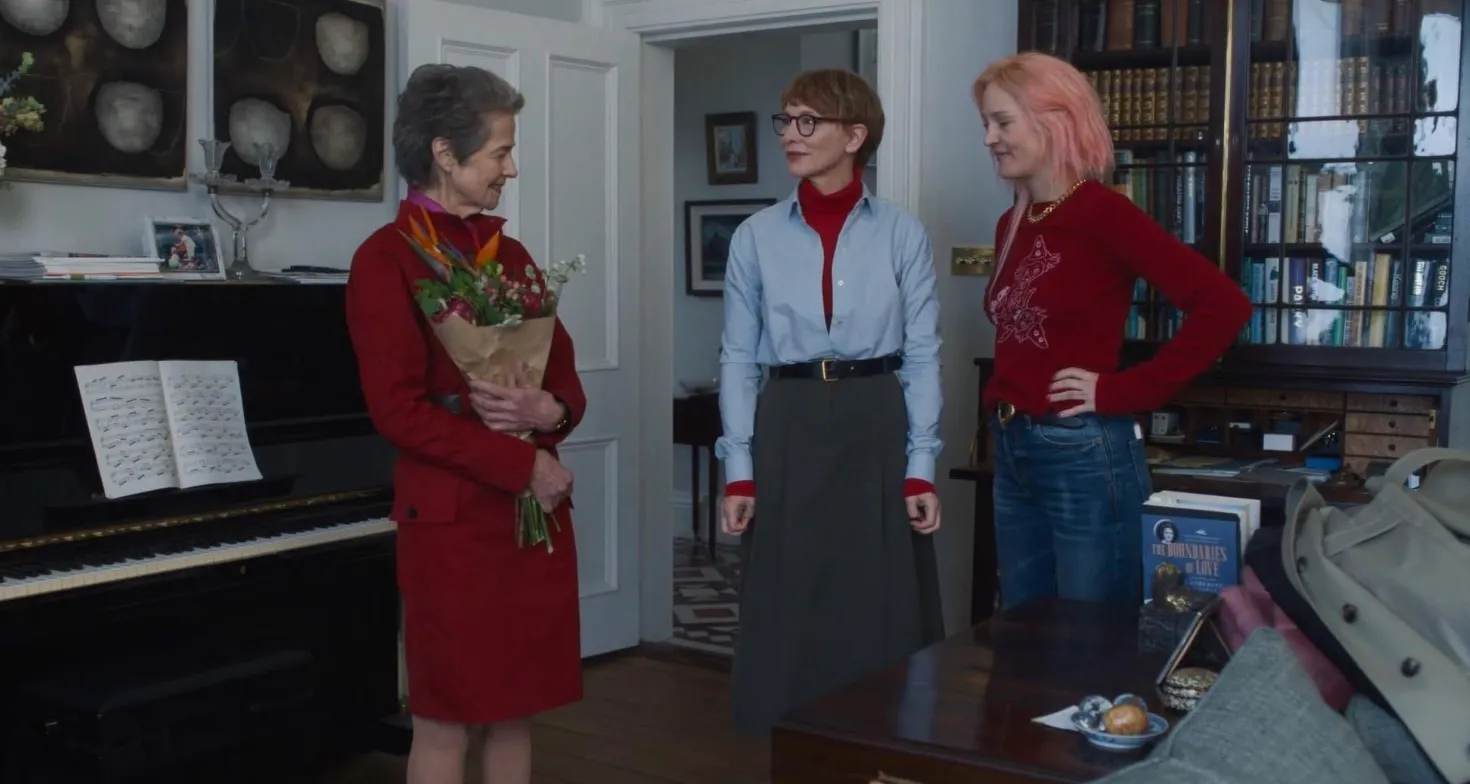
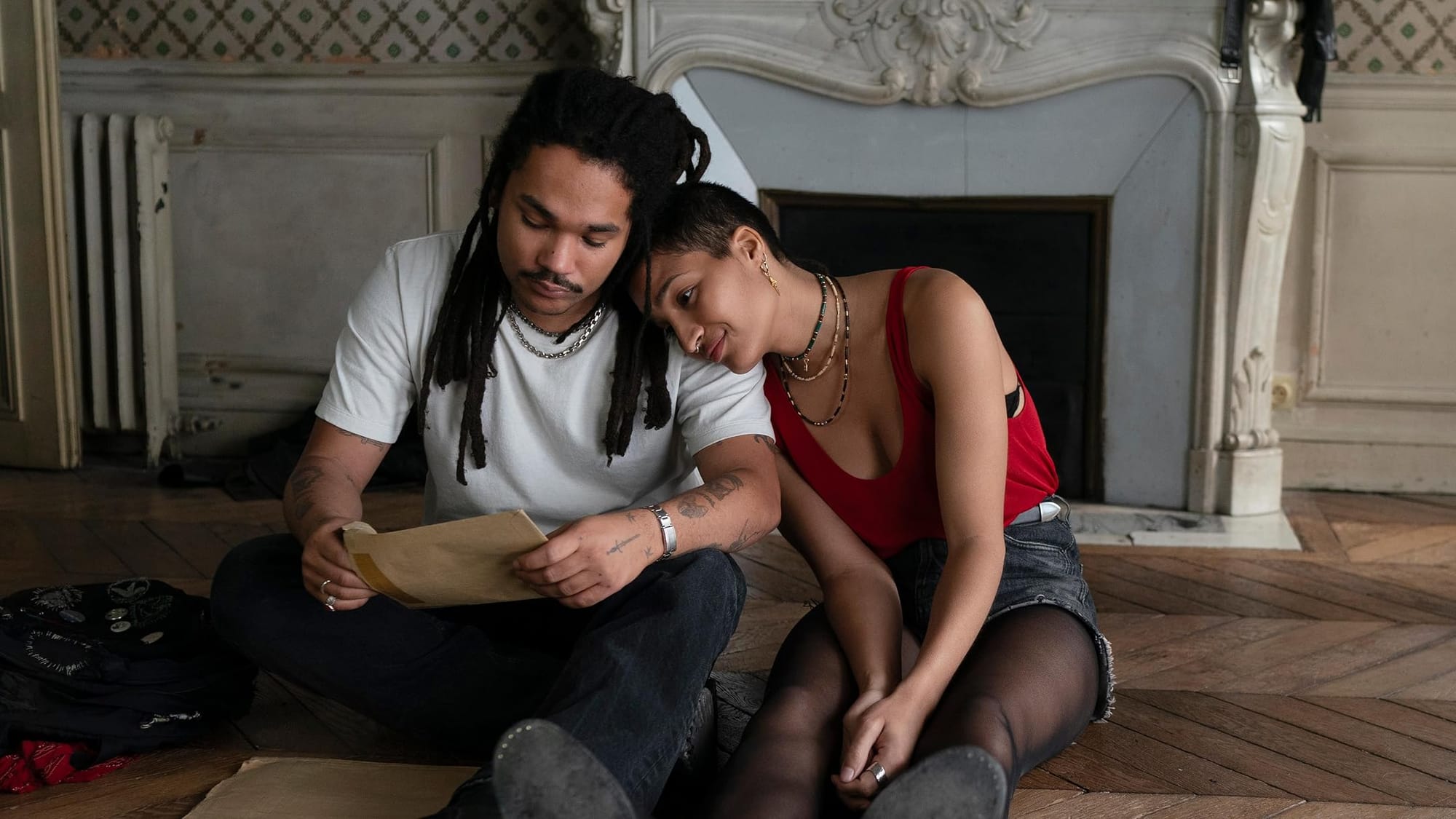
Father, Mother, Sister, Brother is told in three parts, each taking place in different parts of the world and following complicated family relationships. The first part, “Father,” follows an adult son and daughter who reunite with their estranged, aging father in the United States. “Mother” centers on the efforts of a mother and two daughters to have tea together in Dublin, though they remain emotionally distant. “Sister-Brother” follows twins in Italy who make a final visit to their childhood apartment, which they must vacate after their outgoing, spontaneous parents pass away in a fatal airplane crash.
Across country borders and varying family situations, the thread that ties all of these stories together is the discomfort that they face in coming together. Silence looms like a heavy veil in each part, whether born of suspicion, emotional distance, or grief. Even as an audience member, this discomfort is palpable and deeply familiar, especially during the holiday season, when families gather for what is meant to be a joyous occasion, but can instead leave a bitter aftertaste. In a world that moves at a relentless pace, where we rarely allow ourselves time to sit with our emotions, this film forces reflection on one’s own familial relationships by presenting not one, but three portrayals of dysfunction. Despite discussing topics that may weigh heavily for some, there is something hauntingly beautiful about this anthology that is expressed through its settings, characters, and dialogue.
Eccentricism in Filmmaking
As an auteur who has been making films in the industry for over 40 years, Jarmusch has never sacrificed personal style for mass appeal. The same applies to Father, Mother, Sister, Brother, as evidenced by the wildly mixed Rotten Tomatoes reviews for the film. Even in my own personal viewing experience, I left the theater not feeling entirely satisfied with the film. There were motifs and throwaway lines that were left unexplained, scenes that extended for a little too long, and part of me felt as though it was not remarkable enough for a feature-length film. However, this can all be attributed to how Jarmusch likes to create his films. In an interview with IndieWire, the filmmaker states, “I kind of feel like if too many people like a film I make, I did something wrong”. It is true that many, if not all, of his films have been met with harsh critique as well as rapturous acclaim, staying true to his belief that his art is not meant for everybody to enjoy, and that is precisely the point of his work. His contributions to music through the avant-garde rock duo SQÜRL further reflect Jarmusch’s emphasis on unabashed individuality. The experimental music he creates through varying textures of instrumentation is not made to resonate with popular culture, but is meant to be heard by those who can appreciate it.