Table of Contents
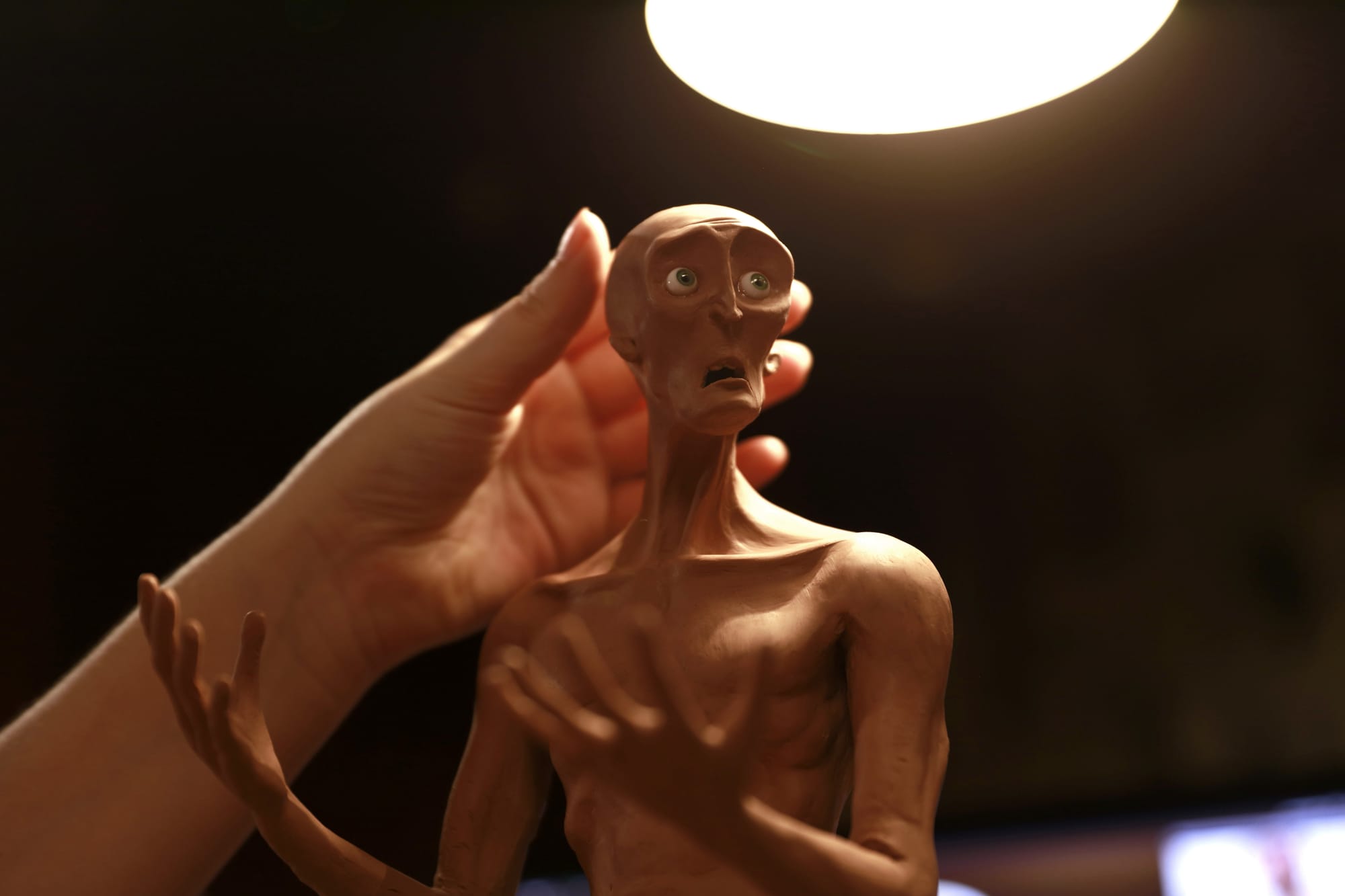
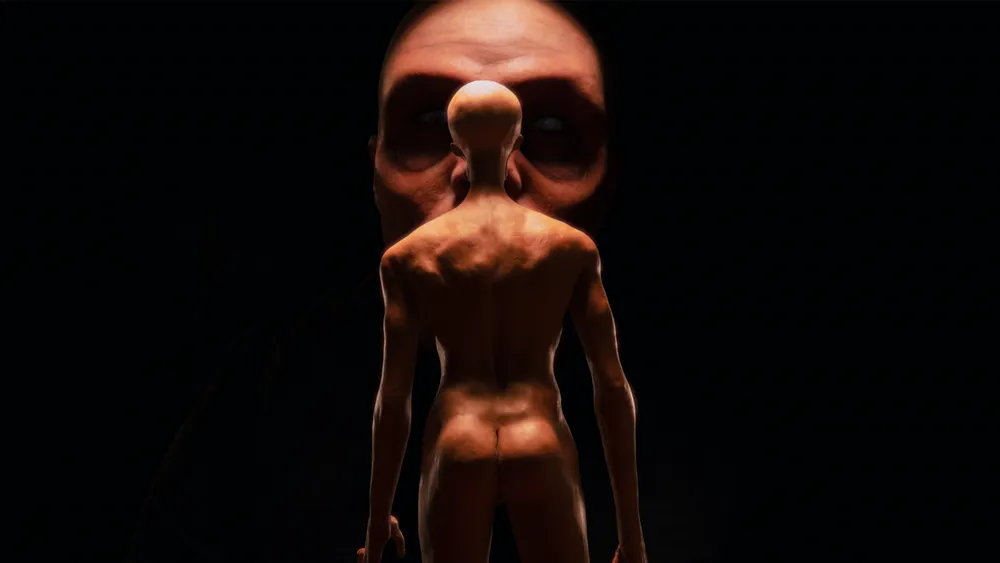
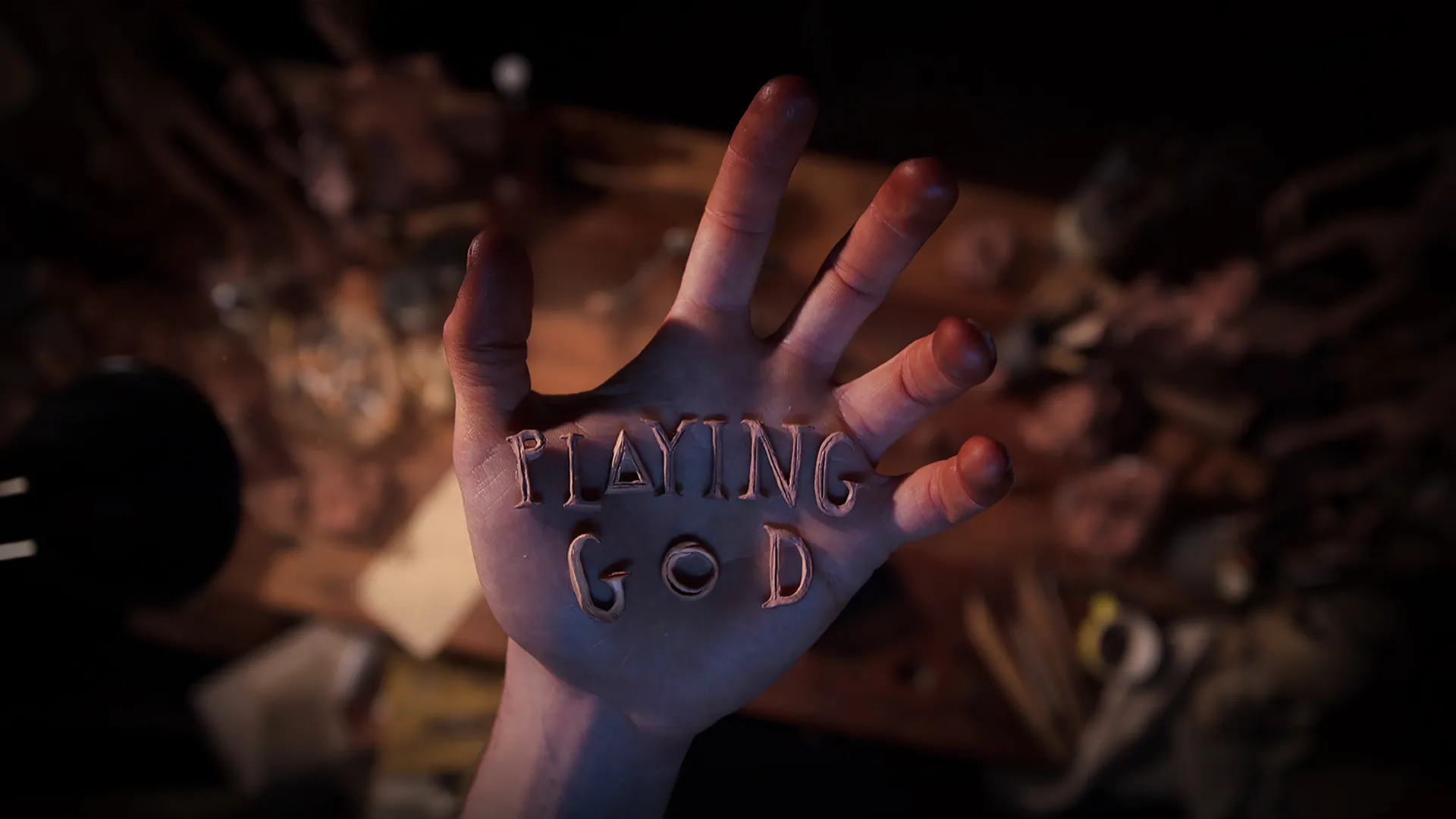
Playing God is an utterly beautiful animated short film directed by Matteo Burani. The film delicately displays the strained relationship between a creator and their creation. It's a graceful human allegory, so easily relatable to the human experience. I had the privilege of chatting with the producer, Rodolfo L. Masedari, to uncover all he's embarked upon to create his Oscar qualifying short film.
How did you become involved with CFA's fiscal sponsorship program?
I met Inde at the Nòt Film Festival in Italy in September and she was there doing a panel, and honestly I didn't know about Cinematography For Actors before that. But I loved the panel and I loved Inde, and I was just thinking about the idea of applying for a fiscal sponsorship for this project, so everything was perfectly aligned.
So she saw the film and liked it and then we decided to work together and open a fiscal sponsorship through CFA. It was perfect timing.
Tell me about the beginning stages of making Playing God?
This is a movie that started seven years ago. It was created by this Italian studio called Studio Croma, they are very good friends of mine. We grew up together in Italy, in Bologna, and I would edit some of their earlier shorts. They have always been focused on stop motion animation. I've always really appreciated the art of stop motion because it takes so much time and effort to do anything. Everything needs to be carefully planned and everything is very physical. I always had a huge admiration for that.
When they started discussing the idea of this short in 2017, I was immediately saying "yea let’s do this". I never thought it would take seven years to make. On my side I work mostly as a filmmaker, director but also producer. I opened – a couple of years ago – my own production company with which I produce different kind of projects: my own films, which are mostly fiction, but I also work on documentary and animation, even VR. We focus on stories that can have a social issues angle, or something that is a topic that is bringing meaningful themes to the audience, with an international appeal. We're always trying to look for artistic work – artistic voices – to platform."
What's the name of your production company?
"Onira. It comes from Greek, which means dreams."
Tell me about what Playing God is about. How did you guys get your story; who was behind the writing, and how did everything fit together?
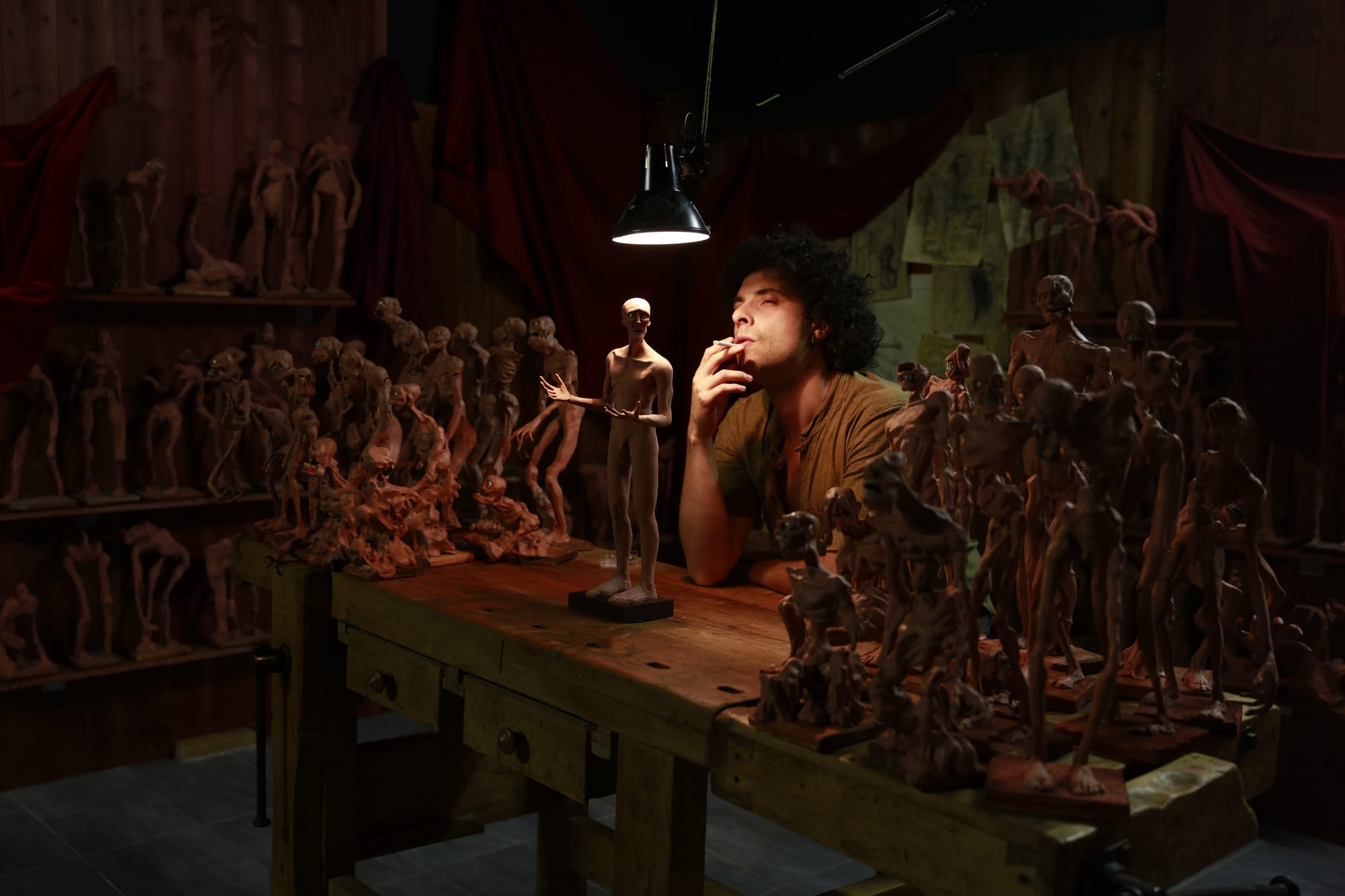
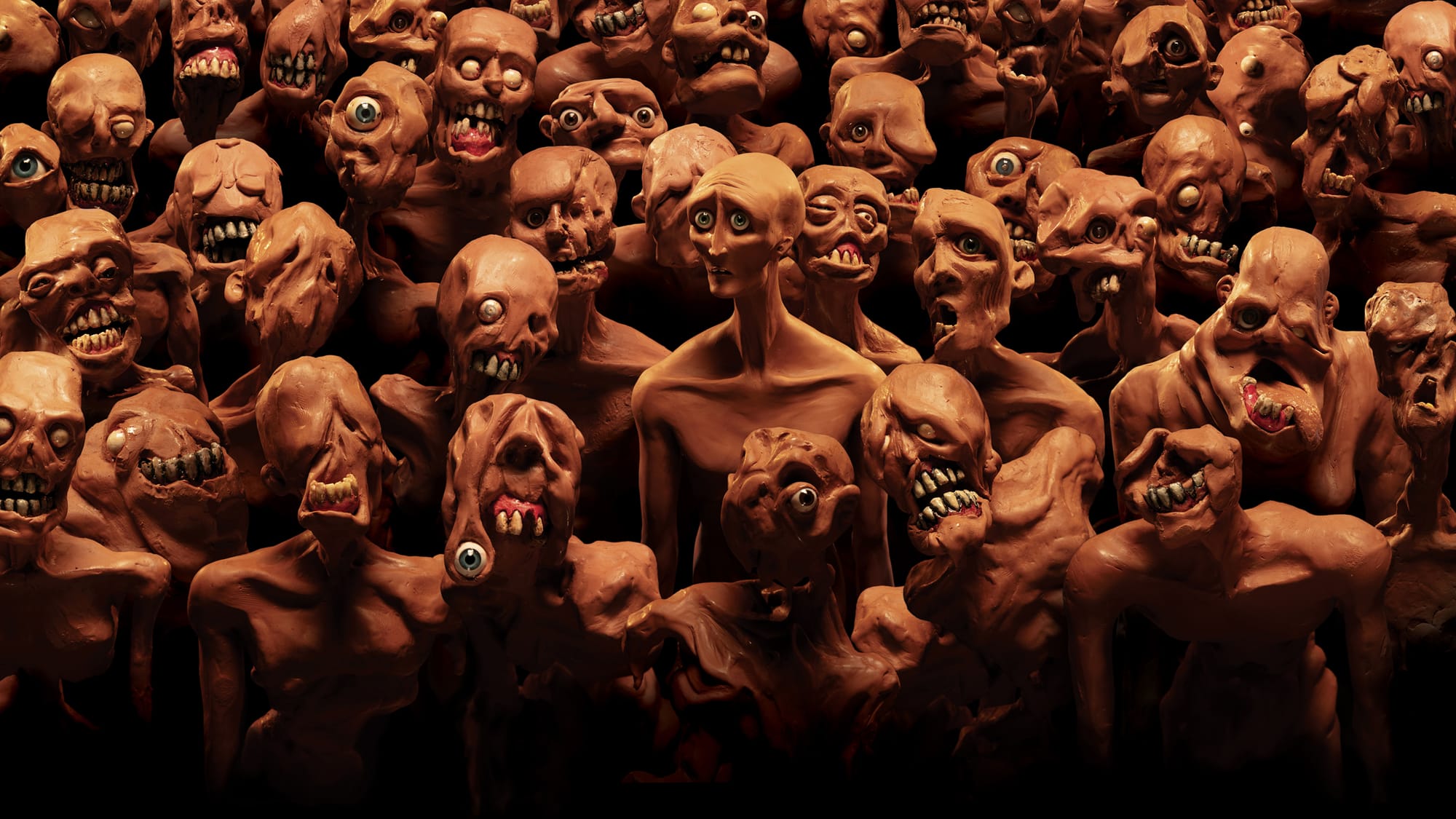
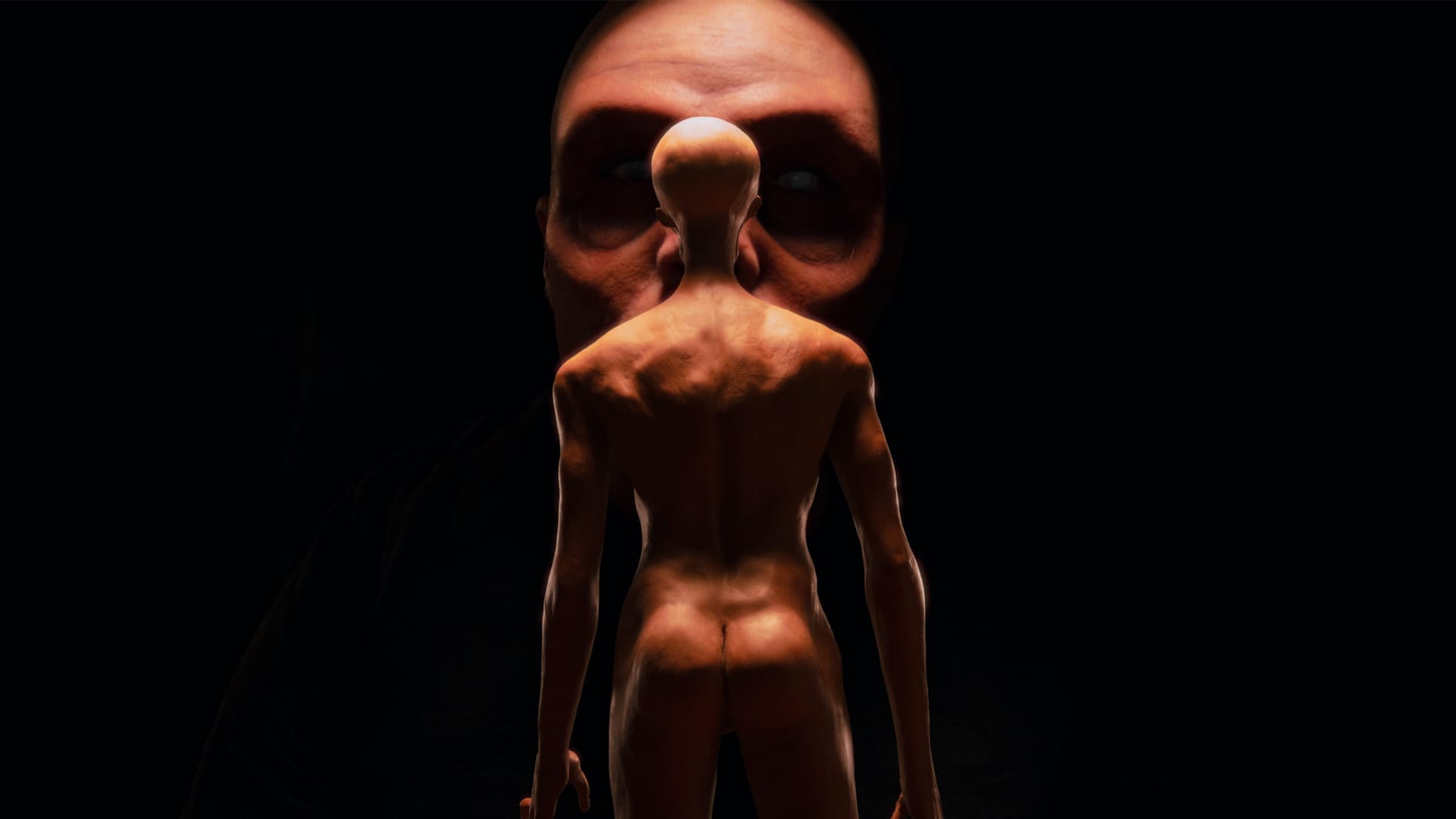
The story started as an idea of the director, Matteo Burani, and he had this concept, he's a sculptor and a painter, and he had this concept of this creator becoming obsessed with the sculpture that he's creating, and then somehow abandoning it. Abandoning the creation that the creator has created. So the point of view nearly immediately became one of his sculptures. So, a creature that comes to life and then [we] immediately empathize with that. And it's kind of a good metaphor of, you know, life entering into existence. We were brought into this world. We need to figure out who we are, where do we stand and who are these, you know, authority figures that we look for in our families, our fathers, our gods. So there was a lot there and it was immediately inspired by Goya for example, the Spanish painter. Alberto Giacometti is a very famous sculptor and he was making these very thin sculptures that really represented the fragility of the human experience. All of this came into this vision of Playing God.
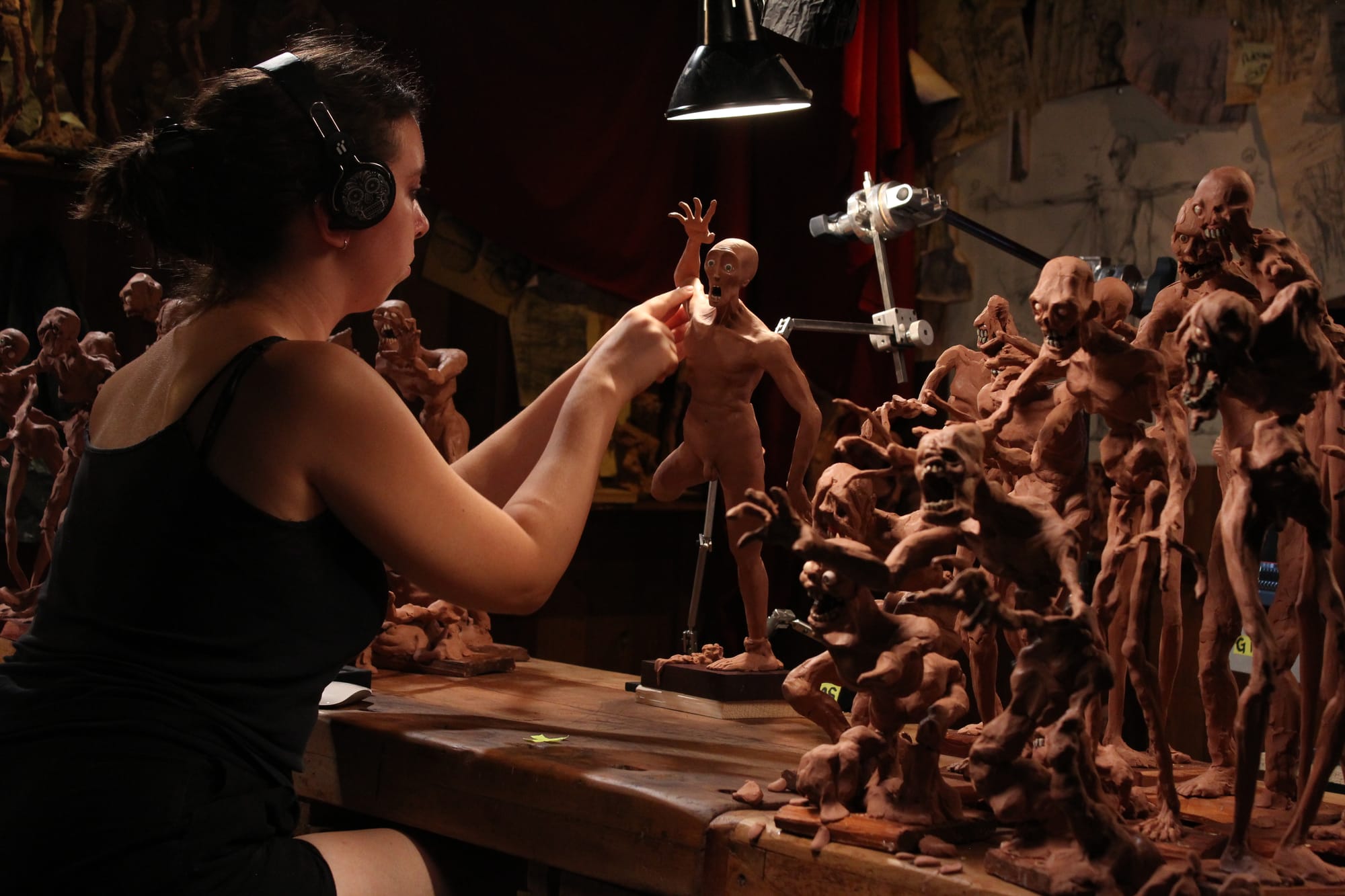
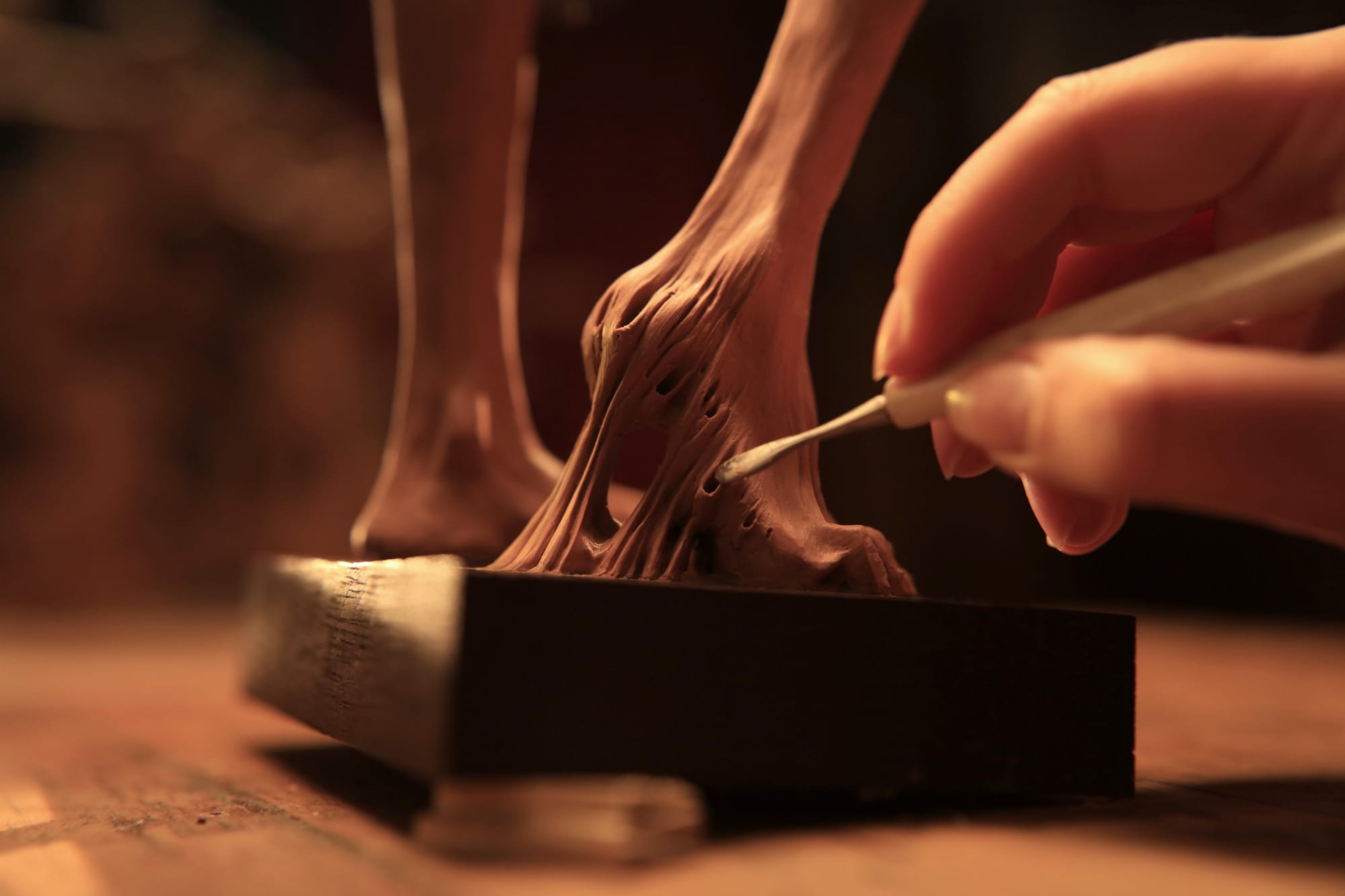
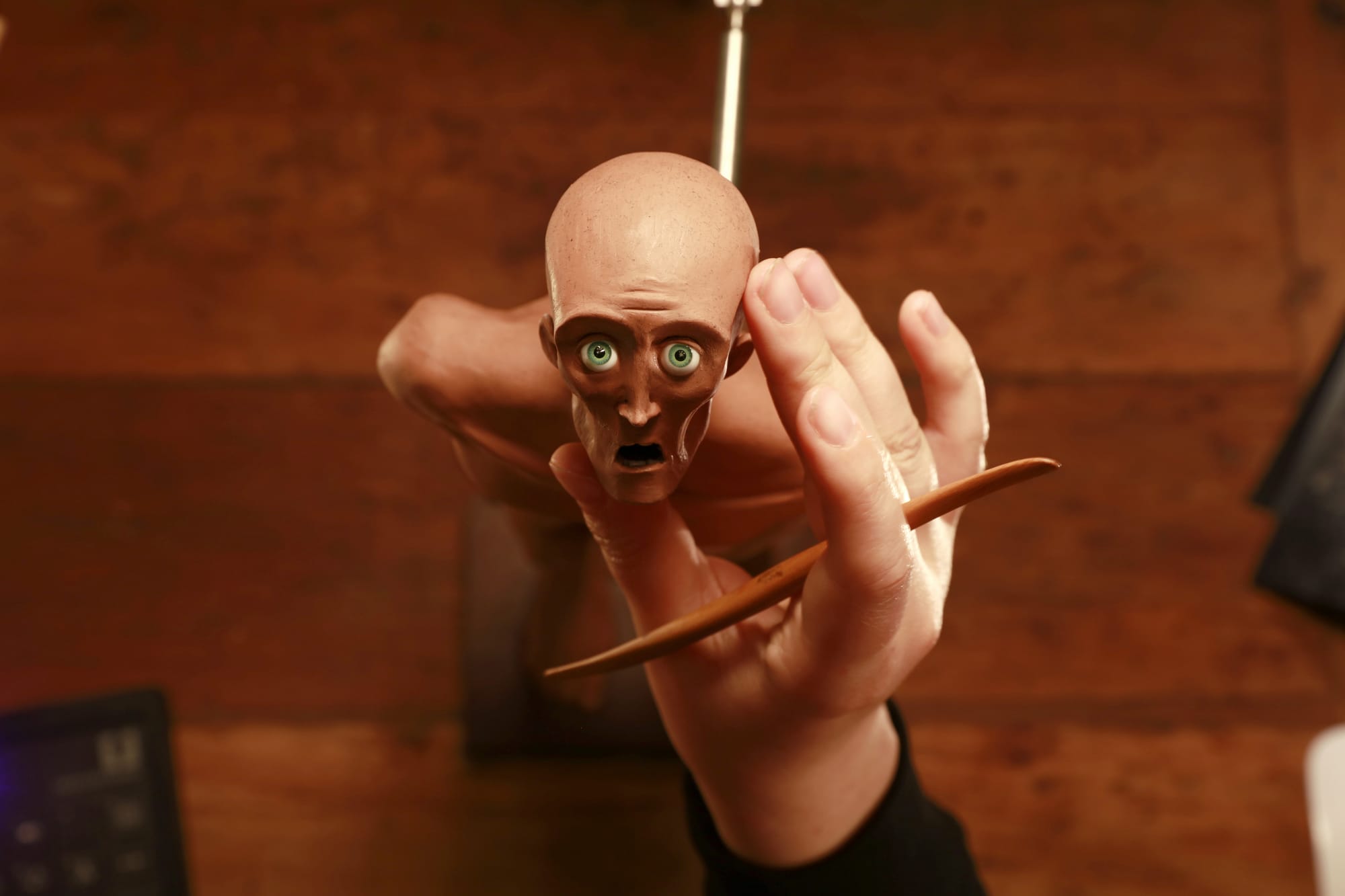
This came to life as the vision of the director, and came out with a lot of sketches and painting. There was another friend, Gianmarco Valentino, that was writing and supporting on the script. The script more or less stayed the same, of course it changed in seven years, and you can imagine that there are multiple iterations, especially on the ending. But the story always has been quite what it is now, it's always been very focused in terms of aesthetic and atmosphere. And then the project came to life when Arianna Gheller, another member of Studio Croma, came into the work as the animator. She is the only animator of the movie. And you will see how detailed the animation is. She is really incredible. She's one of the most talented artists I know. One of the things that always really touched me about this movie is the quality of the animation technique, which is very detailed. It's all clay sculptures that are sculpted frame by frame, and all of that is animated by Arianna, one person, and it’s crazy, and it’s one of the reasons why it took so long. You’ll see that there are so many different parts moving and she was behind all of that. It was an incredible, incredible time.
When Matteo and Arianna started approaching studios, and producers – as a young animation studio, especially in Italy, [where the] animation industry is not very well developed, no one wanted to finance the movie. So, it was very difficult to knock on lots of doors, they would always say no. We found a producer for some time, but then things didn't go very well with them. We had to stop the production and we were wondering "what do we do now?" We have no production, no producer anymore, we have this movie with scenes we shot already and we don't know what to do. We decided to go forward and launch a Kickstarter campaign and I think that was a pivotal moment of the production because it showed that we were successful in running it. It was the first time for us running a Kickstarter campaign, but we managed to receive our goal, which was not very much. It was around maybe 15,000 dollars, 10,000 euros. But that really showed that there was an audience that were willing to see this movie. After that, the team was able to apply to the public funds in Italy; first in the region and then in the national grants. Through that, [we made] a co-production agreement with a French studio called Autour de Minuit, which is [a] quite important French animation studio. They won an Oscar, I think in 2010. They've been in the animation world for a long time. Through them, we were able to get more grants for the post-production. And so that's how the whole production came together. You see, it was a long process, even for a short film.
Tell me about pre-production and rehearsals. What does that look like for an animation?
I was more in the production side, so that's more of the director and the animator and the screenwriter but what they basically did was use a process called animatic. You draw all the scenes and really work to get the timing of the movements, of the drawings, to get the animation shots – even try to match the music with drawings. So that really gives you a sort of skeleton [for] the structure of the movie. And that is essential because if you think also for a stop motion film, it takes so much to make one shot. It's 25 pictures to make one second, right?
So you have a very specific storyboard. It's an animated storyboard, basically. Second by second. Some days were five shots for one day. It's a very long process. If you can even have half a second less to make, it's maybe a couple of days of work. It was important to really have this very well done, and prepared animatics. After that, it was just a matter of going down and you know having the right photography coming placing the shots and making sure everything was moving smoothly and the animation was done well. It was a lot of preparation but then it was easier to shoot.
How long did shooting actually take?
I think the whole shooting was a bit over two years.
When it was time to actually do the stop motion, what kind of cameras or other tech are involved with that?
It was one camera. A Canon 5D camera, with specialized lenses for close-up shots.
What did the editing process look like? Did you go into post-production or was it editing day by day as you were shooting?
Yeah, as you shoot the scenes, you then consolidate them because you already have the animatic right. [Since] you have already prepared the storyboard, you start literally going one by one and taking out all the scenes and placing them. The editing phase is quite easy, I would say. If you've done the storyboard [well], the animatic part, it's easy. But then there was a bit of VFX, cleaning the shots, color correction, and of course a lot of sound design. The sound design took a long time because you have no sounds, right? You start with no sound. So to make everything come alive and breathing, you need to spend a lot of time on that part.
How long is the short?
Nine minutes.
You're at the point of campaigning now. You're campaigning For Your Consideration and you're qualified for the Academy Awards. What are your thoughts about that?
It's been fantastic. Since we screened in Venice, the first premiere, it's been doing incredibly well, beyond all our imaginations. We had now, I think, around 200 festivals, about 90 awards in total. I'm very happy that people are finally seeing the movie. It was shot in a dark place, in a sort of basement, so we're very happy the movie is out there now, not in the basement anymore. There were some scenes in which the director really had to glue himself to a structure and become part of the movie itself and stay hours and hours in these crazy positions to make the shot. So after all this physical pain, we're very happy that the movie can be seen. And yeah, we're now doing our campaign. Recently, we started doing a lot of the screenings, the For Your Consideration screenings, and being more active also with the communication, and with press and release. So definitely that's what we're focusing on now, and also that's what I'm doing specifically now. It's the time for the producers to get even more involved and start lobbying for the movie.
You guys are doing regular marketing and then you have the FYC marketing. How does the funding come about? Is that also sponsored by Italy?
It depends. You know, the Oscars for the short films go in phases. There are three phases. The first phase is the short list, then nomination, and then the actual prize. So the first phase, you get selected, you move from about, let's say, 200 shorts to 15, which is the short list. In the [short list] phase, there is no public funding. Italy and all the publicly funded economies, don't provide funding. So we need to self-finance this first part and so if you have money yourself that's great, if not, you try to work with sponsors for example and/or donations and that's okay. That's why, this for example, is [a] case of a fiscal sponsorship – working with CFA – and donations; you have to self-finance going forward in the following phases. Then it's easier to get public funding. For example, if your film was financed by Italy or France in this case also, then some money can come through that, but it's not enough. So you still need to do fundraising because unfortunately the Oscar campaign is very expensive and you're also racing with the teams that have a lot of money potential. Like if you go to the studios productions, they have millions of dollars just for the campaign, for shorts. It's a different league. You try to do what you can.
What are the next two stages?
You go from 15 to 5 shorts, and that's the actual nomination. So after 5, you get nominated, you go to the Oscars, and then the third phase is the one that gets the win.
I would love to know the different strategies you employ to make sure your campaign works. How are you ensuring votes? Are there voters in this first stage? And is it like Academy Members or is it a separate pool?
Yeah, there are voters. It's a subsection of the academy. In our case, it's short film and animation. It's people that's already within the world of animation. They were nominated and/or have won already. I think other people can vote but they need to opt in, I think [that's what] the rules say. The first thing you have to do is read the academy rules because they're very complicated, they're very long, and it changes every year. What worked last year doesn't apply this year. Every year you need to get updated to know what's changing, [or] what's not. So it's very difficult. And they're all very specific in the things that you can do or cannot do. That's why you need to really know them and be on top of it because even if you campaigned last year, things might change and you might get disqualified for [this year]. Yeah, so for example we are working with a PR strategist that is really on top of it and they know exactly how things are working. They really support us in this phase because it's [all] very specific and then based on the category you're in, there might be different strategies. Things that apply to short animation might be different from how live action short film[s] might go about their strategy, right?
We know that many of the voters for our category are in studios, in big studios, and animation studios. So together with our PR and our other supporter, this festival called Animayo. It's one of the leading European animation festivals. What they offer – [if you win] the main prize – they support you with a campaign here in Los Angeles. We have a lot of supporters that are helping us to organize these screenings within the studios. At the end of the day, that's what you want. You want people to see your movie, hopefully like it. And usually if you get to this stage, people tend to somehow like it. Also in the first voting round, it's not that you just give one vote, you give a list. I think in this phase, the voters will vote the top 15 shorts they have seen. As long as people place you within that 15 category, then it's good. You want to make sure that most people can see it in order for them to vote [for] it.
Which PR team are you working with? Were you prepared to have them be a part of your campaign?
Yes. We are working with two main organizations. One is called Animation Showcase, they are Oscar-focused PR strategists. They've been doing a great job and they've been doing this for years. They were working with most of the nominated animated short films in the past years. Then we're working with Animayo, and [they're] doing it as part of their, let's say, their prize for winning. So [it's] a great thing that we managed to win that festival and we are able to work together on this. They're all experts and of course, they really support you on different things. They support you [by] organizing these screenings at the studios, and they support you on the strategy. So understanding how to communicate on social media, for example, what you're doing, how they help you get in touch with their press. Some specialized press in our case, it's a lot of animation magazines and websites. We're getting interviews and sharing our behind the scenes and trying to get it out there.
At the end of the day, running an Academy Awards campaign is similar to running a political campaign. You need to be present in the right media, in the right places. Once you get to shortlist stage for the nomination, you know, these are all incredible movies. All of them are amazing and all of them might deserve to win and to be there.
What matters is not just the film itself, but also the story behind the film and how you present yourself. We've been doing this for seven years, with one animator and a group of very young and passionate people that spent days and nights working into this with no money, basically. Maybe you like the film, but maybe you appreciate the work that has been put [in] behind and the reason. We are not a big studio with 200 animators that work with a lot of money. We're a small, independent studio trying to make it, really for the passion of art.
"Running an Academy Awards campaign is similar to running a political campaign."
Were the Animation Showcase and Animayo apart of your plan originally? Or did you feel like you fell into that world?
Yeah, we fell into them. First, we originally qualified with Animayo because Animayo is also an Oscar qualifying festival. Once we got that prize we knew we would be working with them and it was fantastic and then as we decided it was important to get a pr strategist to help us navigate all this, even just navigating the academy rules. We were discussing with some, and eventually we decided to go with the Animation Showcase, because they were focusing specifically on animation.
What's the plan they gave to you to campaign?
We're starting with these studio screenings, because I think that's where we would get the most voters, you know, from the studios and from the big animation studios and sharing our story to them. Then we're trying to have a big online campaign where we're focusing on having more press and sponsoring some videos and some behind the scenes and that hopefully will help us reach a bigger audience and get executive producers on board, and these are celebrities.
So they can join this late in the process?
Yeah, many. You will see now these days, there are many articles popping up of, you know, A-list celebrities joining some teams as executive producers. And this is part of the idea of getting people to talk about your film.
What are some surprises that came up along the way, through this whole journey?
Can you imagine? There was so much in the seven years. For example, my friends, the studio that they have now was formally created during this process because no one wanted to produce the film. So we said, you know what, let's do our own. That was a big surprise.
Then the other surprise was probably when, we were receiving so many awards and Tribeca, for example, we totally did not expect it. We thought we had a good film, but seeing that people were really reacting to it was a great surprise. And I didn't know anything about Oscar campaigning until two months ago. I had no idea. Now I can tell you everything about it! You're forced to know about it. That was a good surprise.
Are you enjoying this process currently and what has been your personal journey with this project?
I think I'm definitely enjoying it personally because coming from Italy, from a small town, from Bologna, and then seeing myself going to the studios – I was at Pixar the other day. Going there with your small film that was made in your basement for many years is really incredible. Just to be here, for me, it's fantastic. Making sure that people can see the film and the work of the animator, director and all that they've been doing for so many years it's so amazing. It's also stressful, a lot of things are moving very fast because you need to constantly be out there networking and meeting people. There is a lot of things that are happening but I'm enjoying it and it's my first time. I'm in Los Angeles going to these amazing screenings and studios. It's fantastic.
What's something that you want the Academy Members to know about your film?
The fact that this was a totally independent project made by a very small studio, at most two people. They really dedicated, they gave all of themselves just for this one project, not knowing what would come out of it. This is a very passionate project and the work of these two incredible artists, Arianna and Matteo, they really put all [of] themselves into it. The movie really talks about the power of those who are rejected by society, how they can get together and really be together and bring everybody up. We want the Academy to still see the passion and the technique that was put behind this story.
Thank you so much for being here, Rodolfo. Congratulations to you and your team and we wish you all the best!