Table of Contents
In honor of Women’s History Month, I’ve compiled a list of four coming-of-age films featuring and directed by women. In these stories, the characters navigate their sexualities, family dynamics, and friendships, and try to make sense of a world that doesn’t always accommodate the messiness of growing up.
Eve’s Bayou (1997) - dir. by Kasi Lemmons
This film follows Eve Batiste (Jurnee Smollett), a precocious and rebellious ten-year-old, as she witnesses the unraveling of her family over one hot summer. Set in a Louisiana Creole community, Eve’s Bayou is Southern gothic to its core, with beautiful imagery of the swampy, sleepy land, the practice of voodoo, and dark family secrets. Although the serious subject matter is revealed to the audience through the curious and naive eyes of a child, it is not shied away from. Grief is not a solitary experience in this film; the hardships of one woman impact the whole family. There is a strong cast of women, each dealing with their own traumas and sorrows, and Lemmons showcases the devastation that can occur when there is no support system in place among them. Although the film looks stunning, Lemmons does an amazing job capturing the malaise underneath the beauty of the Batiste’s estate and well-presented family.
But I’m A Cheerleader (2000) - dir. by Jamie Babbit
But I’m a Cheerleader, Jamie Babbit’s debut feature, is full of humor, quirky characters, and bright pastel colors, making it a perfect movie to escape into. Natasha Lyonne plays Megan, a high school cheerleader who is in denial about her sexuality until her parents stage an intervention and banish her to a conversion camp. It is here that she truly comes into herself, falling for the cynical Graham (Clea Duvall) and learning to accept her desires. Even though homophobia, both internal and external, is a major theme, the film pokes fun at this hatred in tongue-in-cheek ways — for example, RuPaul plays a staff member at the conversion camp. The unabashedly wholesome nature of the movie makes it an iconic queer coming-of-age classic.
The Day I Became A Woman (2000) - dir. by Marzieh Meshkini
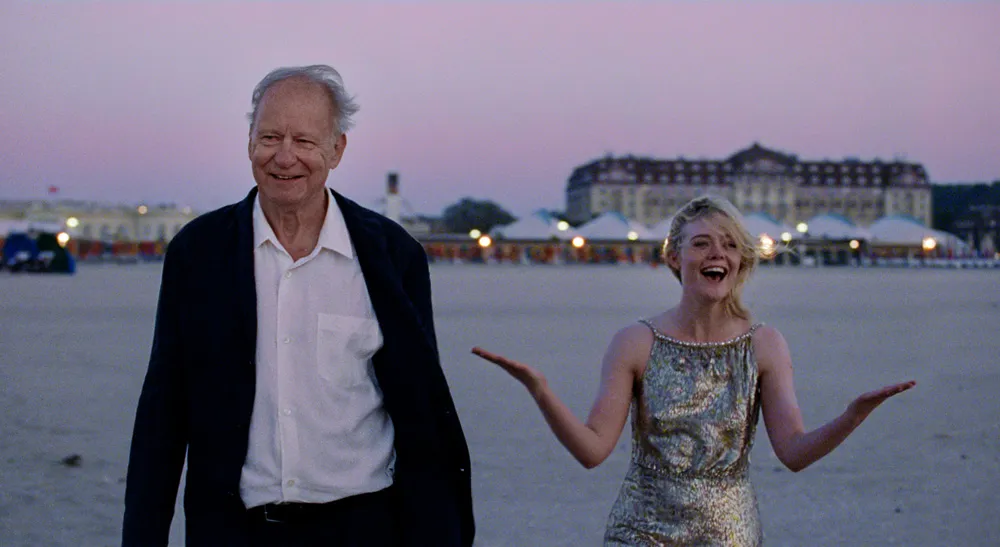
Split into three parts, the Iranian film The Day I Became A Woman follows nine-year-old Hava (Fatemah Cherag Akhar), a young married woman named Ahoo (Shabnam Tolouei), and the elderly Hoora (Azizeh Sedighi). Each character’s story represents the experiences and struggles faced as a part of coming into womanhood at every age. Having just turned nine, Hava is legally recognized as a woman, meaning she must cover her hair and body, and can no longer play with her male best friend. The first third of the movie follows her attempts to make the most of her last moments of girlhood. Ahoo challenges the status quo by competing in a bike race even though her husband threatens her with divorce. In the final third, Hoora has recently inherited money and finds unexpected freedom, with a poetic finale. The film is profound, meditating on womanhood both universal and unique to Meshkini’s native country.
Pariah (2011) - dir. by Dee Rees
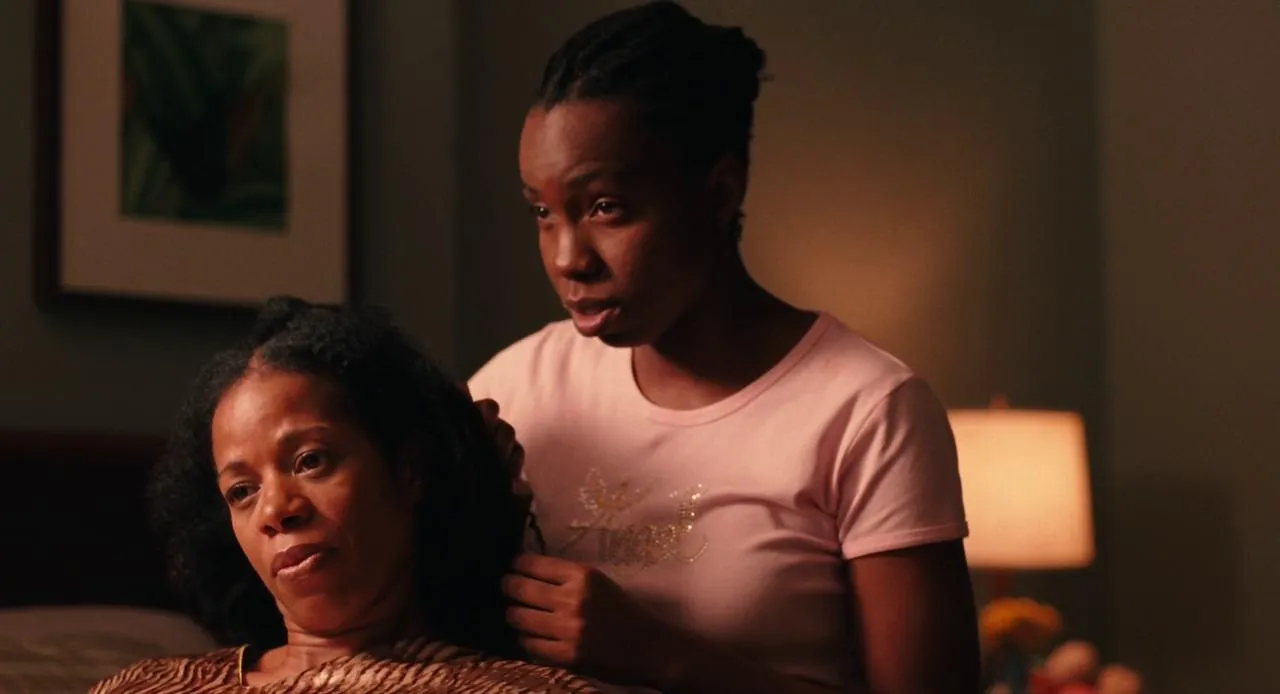
Pariah follows 17-year-old Alike, or Lee (Adepero Oduye), as she navigates the ins and outs of self-expression and sexuality. A masculine-presenting lesbian at school, Lee must transform into more feminine attire when she returns home, a dichotomy that creates tension among her family, as her mother has demonstrated that she would not be accepting of Lee’s sexuality. Over the course of the movie, Lee comes into herself as a poet and experiences her first heartbreak. Pariah is compassionate towards her mother but doesn’t excuse her homophobia, and deals tenderly with the complicated family dynamics. The sometimes shaky camera work and close-up shots create intimacy with every character, making this a moving and unforgettable film.