Table of Contents
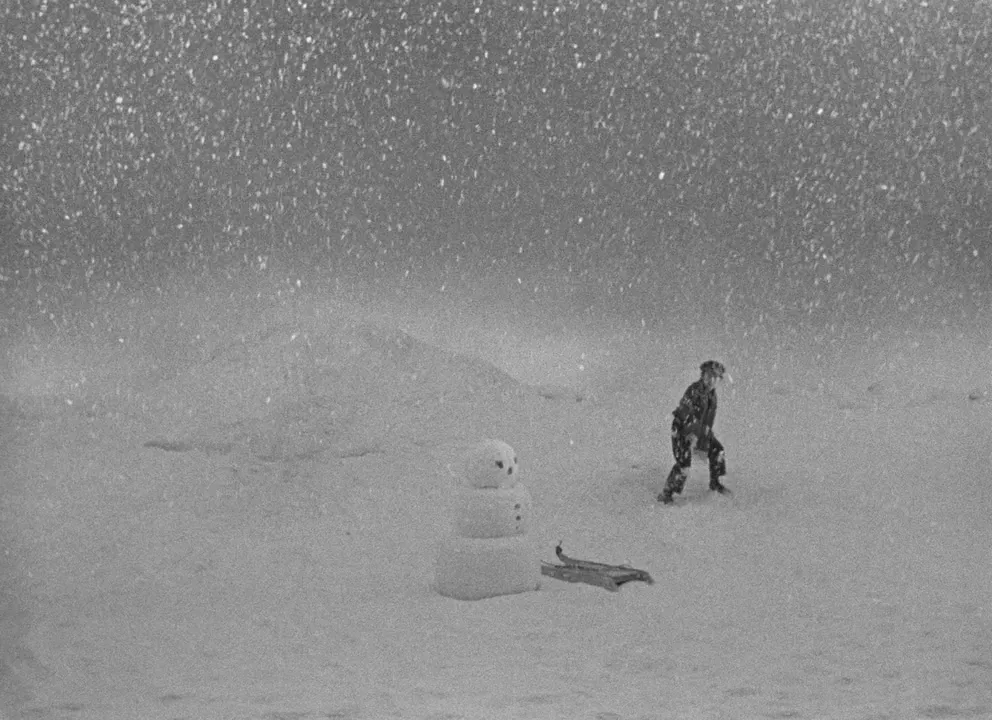
A white Christmas didn't come easily during the early days of film. The first recorded film featuring snow contained the real deal: Nanook of the North (1922), a predecessor to the documentary genre, was filmed on location in the Arctic. However, the balmy Los Angeles sets used for fictional films wouldn't naturally yield these effects. And yet, some stories — especially those set in colder climates or around the holidays — benefited from a realistic blizzard that made audiences want to bundle up in a blanket. Something had to be created.
Frosted Flakes and Asbestos: The Early Days
Like the exaggerated facial expressions silent movie stars copied from thespians, filmmakers initially borrowed special effects techniques from the theater. Flour, salt and bleached, sugared cornflakes fueled the first on-camera snowstorms. However, just like the actors gradually developed their technique to show more subtle facial expressions to better suit the closeup shots the camera provided, directors realized that artificial snow had to evolve to look more realistic up close. Unfortunately, the materials used were often toxic.
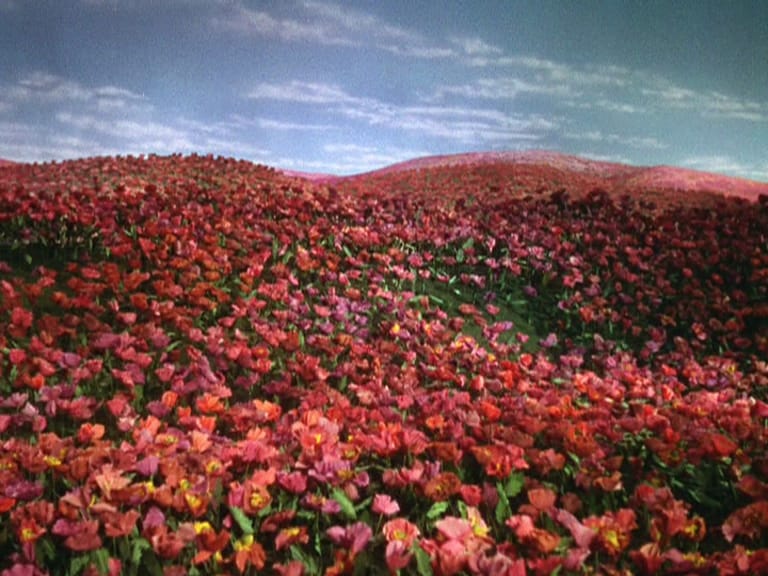
For example, in The Wizard of Oz (1939), Glenda sends a gentle snowfall to wake Dorothy from the dangerous poppy fields. Ironically, the real hazard existed for the actors — who were inhaling the silently falling asbestos. Although this material wasn't banned until the 1970s, it had already earned a dubious reputation through medical studies and case studies that documented factory workers with lung disease during the early 1900s.
However, asbestos was still used through the 1950s in many classic films, including Citizen Kane (1941) and White Christmas (1954). Ultimately, the turning point didn't come through awareness of toxicity, but innovation out of a desire to produce even more believable results.
How It's A Wonderful Life Revolutionized Snow in Film
Frank Capra produced and directed It's A Wonderful Life (1946) after acquiring the story from Philip Van Doren Stern. To say he was invested in the movie's aesthetics and outcome would be an understatement. Capra held significant influence in the writing and production, and was unsatisfied with the current methods of snowmaking — especially for the Christmas morning scene where George begs to live again.
Cornflakes were too crunchy. Directors that used cornflakes often had to re-record their audio separately from the video so that audiences could hear the dialogue clearly. Capra wanted the dialogue live with the visuals, so he needed a quieter method, preferably one that didn't sound like someone was talking with a mouthful of cereal.
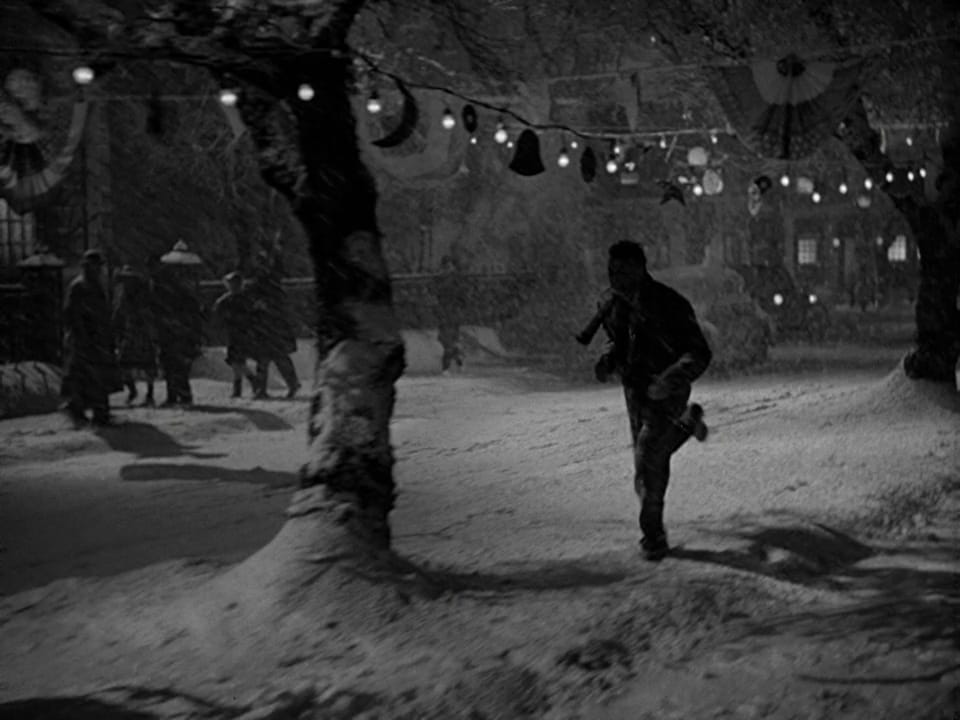
Russell Sherman, RKO Studio's head of special effects, came to Capra's rescue. Instead of using crumbled paper, cornflakes, or asbestos, Sherman and his special effects team engineered a new solution. Made from soap flakes, sugar, water, and foamite, a solution in fire extinguishers, this new "chemical snow" clumped like the real deal and didn't poison actors and crew in the process.
To achieve the falling effect, the crew blew the solution at high pressure through wind machines.
Fake Snow in Modern Times
Although 80 years have passed since Sherman's creation, filmmakers often still opt for the soap, sugar, water, and foam solution used in It's A Wonderful Life. The materials are inexpensive and yield incredible results. Even when filmmakers use CGI to create a snowy background, they frequently use the mixture for closeup shots.
It's also common for filmmakers to blow shredded paper across the set to simulate snow. Thankfully, the old days of asbestos and cornflakes are in the dust.