Table of Contents
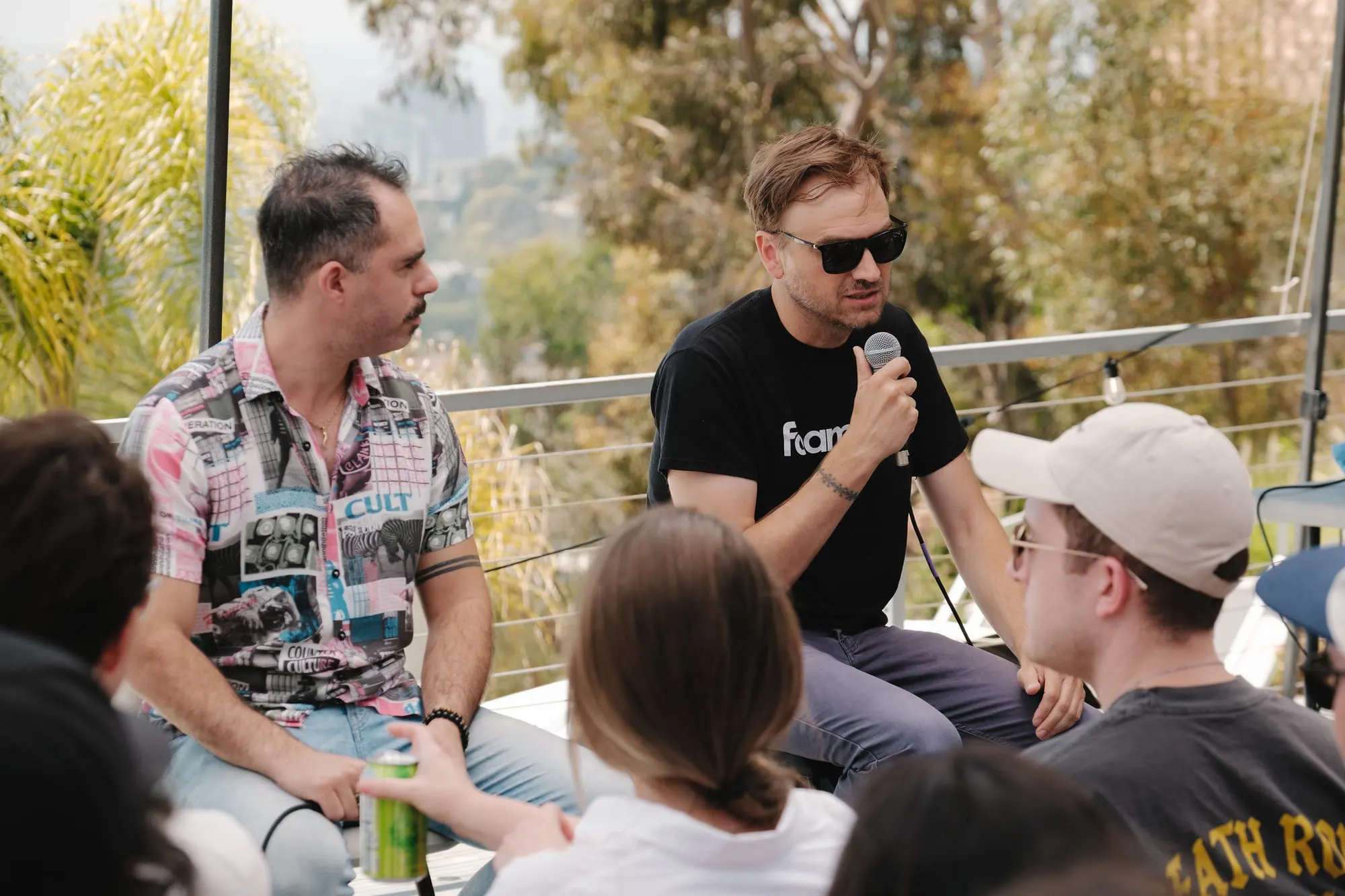
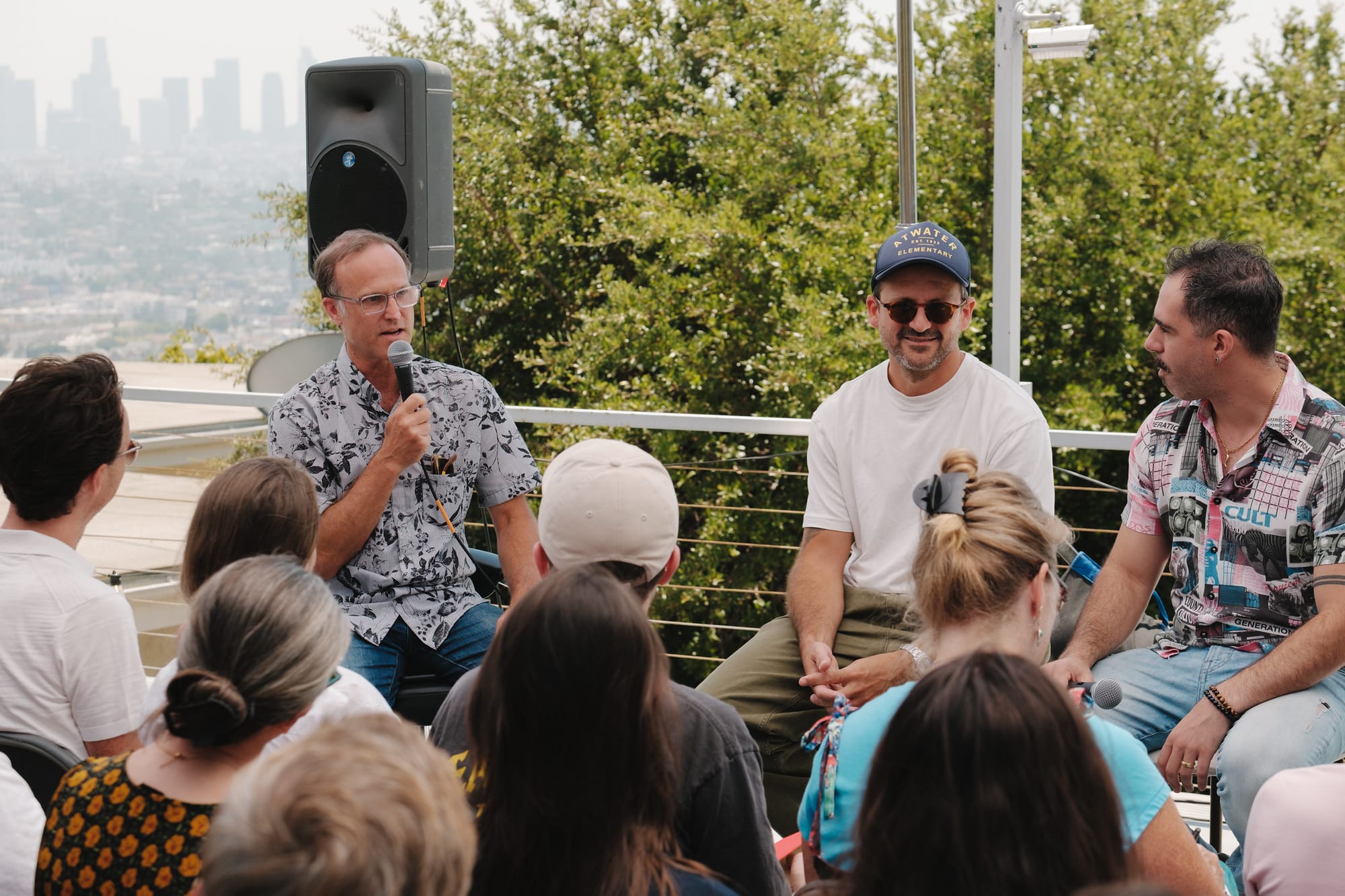
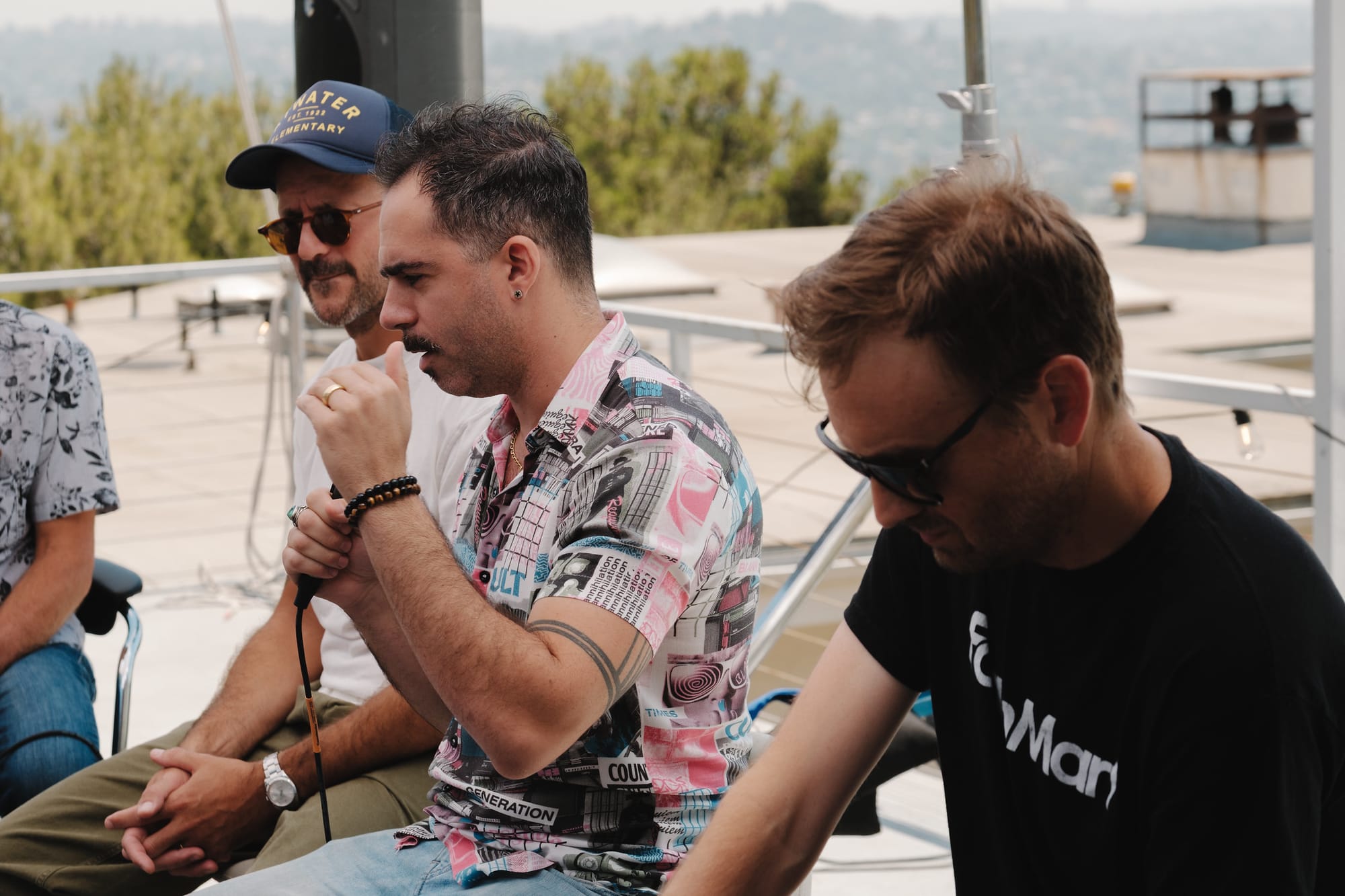
The panel discussion “From Short to Feature: How to Make the Leap” brought together moderator Jon Fitzgerald with panelists Pedro Luque, Calvin Reeder, and Michael Gabriele. Their conversation cut through the noise to focus on the concrete steps that truly help short filmmakers transition into features. For those looking to turn festival momentum into a produced feature, the takeaways centered on what actually matters: strong storytelling and scriptcraft, trusted collaborators, polished pitch materials and decks, viable funding paths (private equity, pre-buys, grants), festival strategy and networking, representation, and realistic distribution expectations.
Why Many Shorts Don’t Automatically Become Features
- Short films and features are different forms. Shorts are often built around an event or a single striking idea; features require extended character work and longer-form storytelling. Producing a short as a “proof-of-concept” can help in some cases, but it isn’t a guaranteed or always-optimal path.
- Practical takeaway: Invest as much time in developing your feature script and characters as you do in the craft of your short.
The Three Foundations You Need Before You Pitch
1) A strong script and honest rewrites
Panel consensus: The screenplay is what gets examined most closely. Short filmmaking skills don’t automatically prove you can carry a feature-length script.
Do the work: Get readers, hire trusted script consultants or experienced writers for polishes, and run table reads. The scripts most ready for production have been vetted and rewritten multiple times.
2) A pitch deck / lookbook (and a simple poster)
- A clean, professional look is essential. Investors and producers expect a deck: logline, synopsis, tone & comps, creative team, budget ranges (Plan A / Plan B), and a distribution strategy.
- Invest a bit to make the deck and poster look professional — designers and templated resources make that affordable.
3) A reliable creative team
- Short-production relationships matter. Producers, a line producer or production manager, a trusted DP and an editor who can perform under pressure will be persuasive to investors.
Tip: Filmmakers who keep working with collaborators (DPs, producers) build trust; you’ll learn how people perform when things go wrong.
Pitch Materials — What to Include (and Why)
- Logline: Practice your elevator pitch until it’s concise and clear. You should be able to explain the film between floors.
- Synopsis: One-page to three-page synopses depending on the audience.
- Tone & Comps: Visual references, films that show tone and target audience.
- Deck: 10–20 slides covering story beats, characters, director’s statement, look & feel, production timeline, budget scenarios, and distribution plan.
- Poster & Lookbook: professional poster and sample stills to sell tone visually.
- Optional: sizzle reel or short proof-of-concept only if it directly supports the feature and is well-made.
Visual References and Lookbooks — Practical Tips
- Use indexed image databases like ShotDeck (or FilmGrab) to assemble persuasive visual references for tone and cinematography.
- Don’t be afraid to gather lots of references; it’s better to show than to say when discussing visual language with DPs and producers.
Funding Approaches: Pros, Cons and Structures
Private equity, investor shares and typical waterfall
- Common structure in indie features: Sell shares to limited partners (e.g., keep 51% control, sell up to 49% equity). Contracts and subscription agreements are required — work with a lawyer who knows film finance.
- Typical return targets: many low-budget models promise investor payback plus a premium (examples given by panel: 110–120% back to investors before splits).
- Use tiers: executive producer on-screen credits and perks tied to the investor tier are common incentives.
Pre-buys & sales agents
- Pre-buys (a distributor or label committing before production) can be useful but carry risk: buyers may shift marketing priorities later and the film can be deprioritized.
- Sales agents offer market access but often take substantial commission (30% and up); some charge upfront fees. Vet them carefully.
Grants and public funds
- Grants can be meaningful, especially outside the U.S. (Canada, Europe are typically stronger), but are competitive and slow. Apply — but manage timeline expectations.
- Government funding can come with cultural or production requirements; learn rules before committing to project plans.
Alternative: micro-features and self-distribution
- If you can produce a micro-budget feature comparable in scope to your shorts, it can function as a calling card and sometimes be more persuasive than another short.
- Roadshows and curated theatrical tours (filmmaker Q&As, targeted social ads and local partnerships) are viable distribution alternatives for titles with a clear audience.
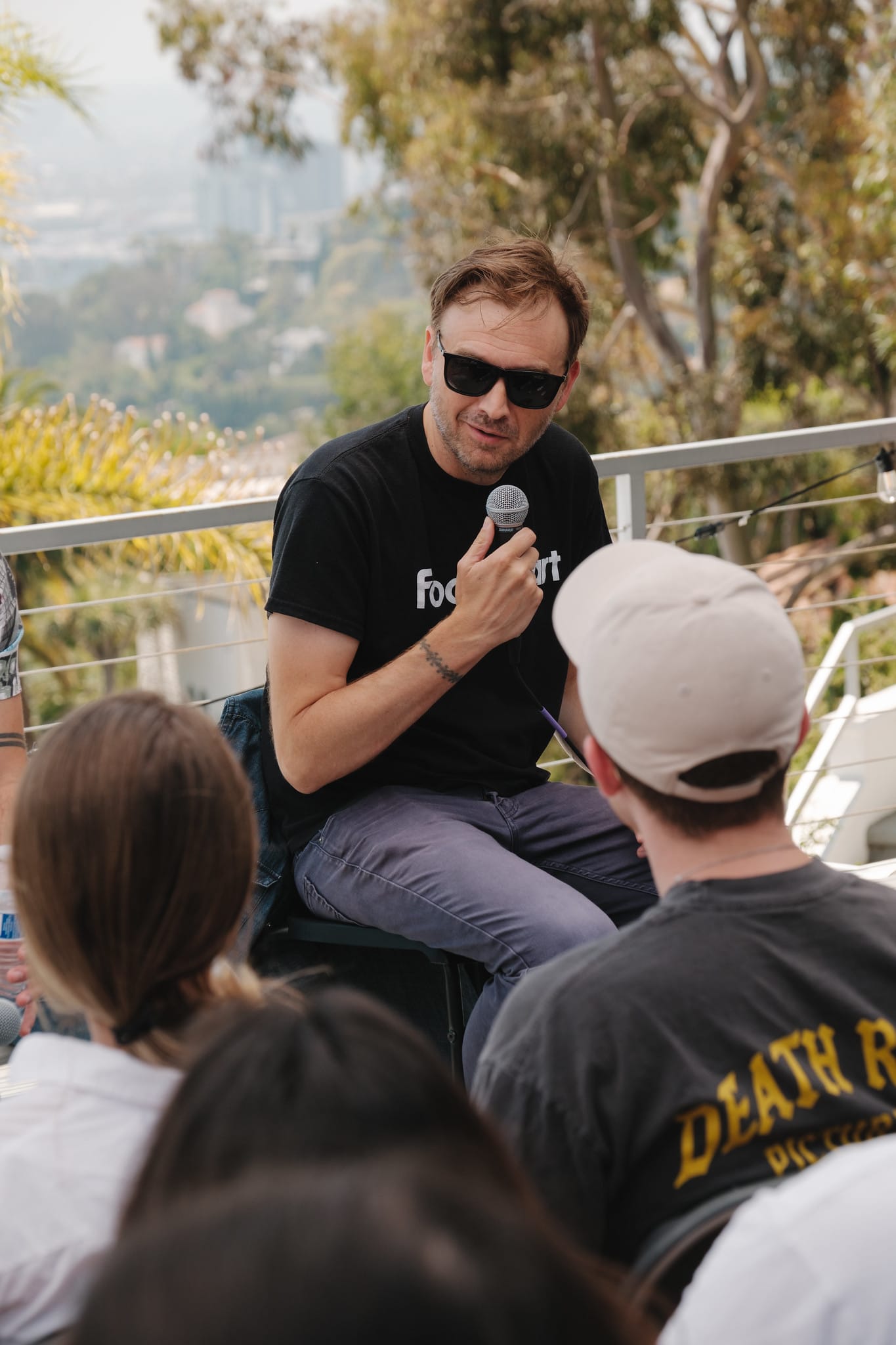
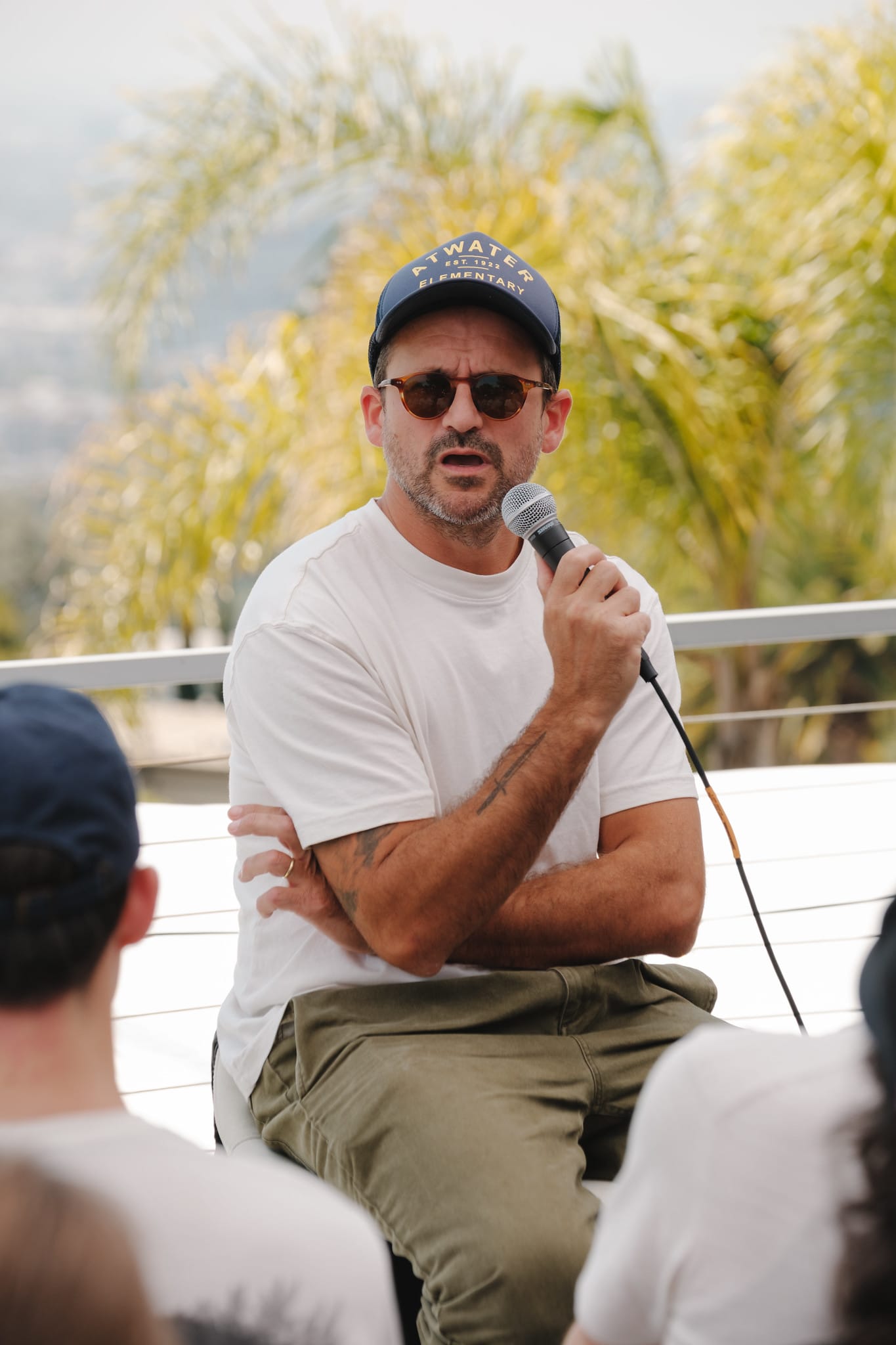
Photos by Charlie Nguyen
How Festivals Fit Into The Plan — Networking Beyond Selection
Festivals remain the most effective place to meet producers, financiers, sales agents and collaborators — but being strategic is key:
- Ask festival organizers about hospitality and filmmaker programming before submitting.
- Attend festivals in person when possible; meetings and casual conversations often lead to funding, representation, or production relationships.
- Plan targeted outreach while at festivals: list who you want to meet (producers, distributors, editors), attend panels, and follow up after meetings.
Representation — Do You Need Agents or Managers?
- You don’t need representation to succeed. Often agents/managers approach filmmakers after festival success.
- Consider representation when: you have multiple saleable projects and want access to studio or higher-profile opportunities.
- Beware mismatched expectations: find reps who support your vision and can show a track record in your genre and scale.
Distribution Realities — Be Cautious and Proactive
- Distribution can be treacherous: many acquirers offer low or no guarantees and long-term, unfavorable rights windows.
- Avoid long-term deals with no guarantee; educate yourself on terms and negotiate limited windows where possible.
- Aggregators exist: They can help you retain rights and get on platforms (Amazon, iTunes), but read the terms carefully.
- Roadshows and direct theatrical engagement (targeted bookings with Q&A) are growing and can be lucrative for films with audience pull.
“If you’ve made great shorts, use them to prove your craft — then treat your feature like a hard-won script and a team-building exercise. The script and your collaborators are what will get the feature made.”
Ten Practical, Panel-Tested Takeaways
1. Nail the script. Features demand sustained character and structural work; get feedback and rewrite.
2. Build a presentation: Logline, synopsis, pitch deck, budget scenarios (Plan A & Plan B), and a poster.
3. Assemble an all-star team where you can — hire for skills you don’t have (design, trailer, packaging).
4. Use visuals (ShotDeck/FilmGrab) to show tone and to align your DP and producers.
5. Network at festivals deliberately — know who you want to meet and follow up.
6. Consider multiple funding routes: private equity, pre-buys, grants, micro-feature self-finance — each has trade-offs.
7. Vet sales agents and reps; some charge upfront or take large commissions. Don’t sign long, unfavorable deals.
8. If you pursue investors, work with a lawyer and set clear waterfall terms (investor payback + premium is common).
9. Use micro-features or short-to-feature pivots thoughtfully — they can work, but the form differences matter.
10. Plan distribution before you shoot. Know if theatrical, VOD, aggregator, or roadshow fits your goals

Where To Go Next (Practical Resources)
- ShotDeck and FilmGrab: Visual reference libraries for lookbooks.
- Read “On the Circuit” (Substack) — industry-focused essays on festivals and distribution (panelist resource).
- Consult a film entertainment lawyer before selling equity or signing distribution/sales agreements.
- Attend reputable labs (Sundance Labs, well-established programs) after researching participants and alumni outcomes — be wary of pay-to-play “labs” with no track record.
Moving from shorts to a produced feature is rarely linear. It’s a mix of rigorous writing, honest assessment of budget/ambition, building long-term collaborators, smart festival networking, and pragmatic fundraising and distribution choices.
CFA, together with the League of Filmmakers, focuses to make these tools accessible: lean into your community, ask for feedback early and often, and treat each short or micro-feature as training for the next, larger step.