Table of Contents
Three Key Takeaways
- My Dead Mom candidly explores the long-term, complicated nature of grief through sharp wit and tender storytelling.
- Filmmaker Lauren Corber embraces the messy, irreverent humor in loss, offering a fresh perspective on mourning beyond immediate aftermath.
- The collaborative creative process and personal stakes deeply shaped this Emmy-nominated series’ unique voice and emotional impact.
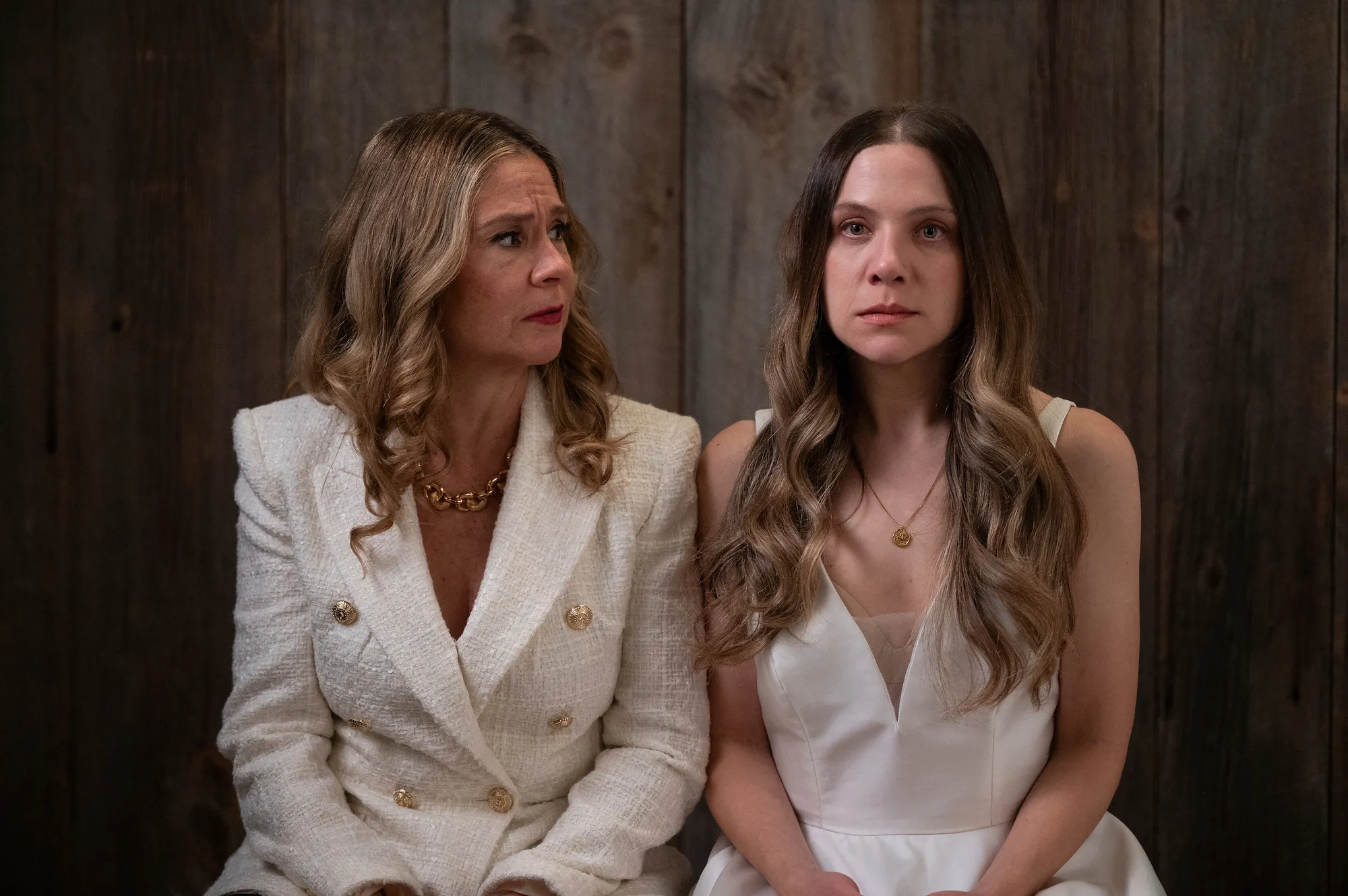
Lauren Corber is an Emmy-nominated producer and founder of LoCo Motion Pictures, known for award-winning digital series including How to Buy a Baby and The Communist’s Daughter. As executive producer of the HollyShorts-selected My Dead Mom, she helps bring to life Wendy Litner’s original series about a woman haunted by her deceased mother’s critiques and presence. The show blends comedy and grief with a heartfelt lens on mother-daughter bonds, starring Lauren Collins and Megan Follows.
Q&A Interview
What drew you to make My Dead Mom? Why this story, and why now?
People always talk about the immediate aftermath of grief—the casseroles, the awkward condolences, the crying in grocery stores. But no one really talks about what happens three, five, ten years later, when you’re still grieving and people are wondering why you can't just get over it. I lost my mom when I was 23 and I kept thinking, when is this loss not going to define me anymore.

And then I realized: I’d always be grieving my mom—not in a dramatic sobbing-on-the-floor way, but in the quiet, persistent everyday kind of way. She still shows up in my life. In my memories, in my mirror, in my head telling me that she hates the lipstick I'm wearing.
"I wanted to write a show where the a grieving daughter is haunted by her mom in a funny, less spiritual kind of way. She's just there. Because our mothers never leave us, really."
What surprised you most about the filmmaking process this time—creatively or logistically? Was there a moment on set or in post that completely changed how you saw the story?
What surprised me most was realizing that—for the first time—I got the last word with my mother. In life, she always had the punchline, the closing remark, the perfectly timed sigh. But in writing and filming My Dead Mom, I got to shape the conversation. I got to give myself the retort I never thought of in the moment. It was weirdly empowering and deeply emotional—like winning an argument three years too late, but still crying afterward.

Is there a moment in the film that feels the most you—something only you could have made?
"The opening scene, where Emmy calls her mother a not-so-nice word at her unveiling, feels the most me. That blend of irreverence and raw emotion—that’s my sweet spot."
If I have a signature, I hope it’s that: making people laugh at the exact moment they think they shouldn’t. Because grief is messy and funny and brutal and human—and I think comedy lets us actually feel the weight of it without getting crushed.
What was the hardest creative decision you made while making this film?
The hardest creative decision wasn’t something that made it onto the screen—it was showing the finished show to my family. I worried they’d see it as airing something too personal or irreverent. But really, my deepest hope was that they’d see my mother as human—complicated, funny, flawed—and see my love for her in every frame. That was the tightrope: being honest about the messiness of our relationship while honouring the depth of the bond.
What do you hope audiences take away from your film?
I hope audiences come away with the sense that grief isn’t linear—it doesn’t follow a tidy arc or wrap up neatly after a set amount of time. It lingers, it shapeshifts, it pops up when you least expect it. And that’s okay. I also hope they feel permission to laugh in the face of it all.


How has this film shaped or shifted the kind of stories you want to tell next?
The show affirmed for me that I want to keep telling stories about strong, complicated women—women who can make you laugh through your tears and cry through your laughter. It was also the first time I really wove my Jewish culture into my work, and that felt deeply personal and exciting. I loved being able to show my kind of Judaism—messy, funny, reverent and irreverent all at once. It opened a door I definitely want to keep walking through.
What’s a tool, technique, or resource that really helped you during production?
This was my first time directing, which was both exhilarating and mildly terrifying. I was so lucky to have an incredible DP who not only brought stunning visuals to life, but also taught me so much along the way. They were generous with their knowledge, patient with my questions, and made the set feel like a space where I could learn, experiment, and actually enjoy the process. It was a true creative partnership—and I wouldn’t have survived my directorial debut without them.
Independent filmmakers often rewrite the rules out of necessity. What do you think is the greatest strength of independent filmmaking, and how did you lean into that on this project?
"Every show feels like a creative marriage—you bring your vision, but then you have to trust and fall in love with someone else’s take on it, too."
For me, that’s the most rewarding part. The director, the producers, the entire team—everyone brought something that elevated the script beyond what I imagined. It’s a beautiful, chaotic group project where everyone makes it better.
What does it mean to you to have your film selected for HollyShorts?
I always try to love the process—that’s where the real joy is—but I’d be lying if I said it didn’t feel incredibly rewarding and affirming to be recognized by a festival like HollyShorts. It’s a place I’ve admired for so long, and to have My Dead Mom included means the world. It makes all the messy, emotional, joyful work feel that much more worth it.
How do you hope being part of HollyShorts will shape the life of this film?
I hope being part of HollyShorts helps My Dead Mom find more people who need it. Grief can feel so isolating, but if someone watches this and feels even a little less alone—if they laugh, cry, or call their mother (dead or alive)—then that’s everything. We made this with so much heart, and I’m just excited for more people to see it and hopefully feel seen by it.


Where do you see this film going next?
To be determined! It’s not an easy world for short form content, but there’s nothing I would love more than to keep writing these characters and expanding their world. The response so far has been so moving—seeing people connect with Emmy and Fern makes me feel like there’s more story to tell. Whether that’s through more festivals, a series, or something entirely unexpected, I’m open and hopeful.
“At the core of all my work is a desire to help people feel less alone by oversharing professionally."
Cast & Crew
- Wendy Litner (Creator/Writer/Executive Producer): Lawyer-turned-writer, Emmy winner, creator of My Dead Mom and How to Buy a Baby.
- Lauren Corber (Executive Producer): Emmy-nominated producer, founder of LoCo Motion Pictures, known for award-winning digital series.
- Chandler Levack (Director): Toronto-based director and film critic, directing debut with My Dead Mom.
- Lauren Collins (Emmy Shapiro): Actress known for Degrassi and upcoming Frankenstein.
- Megan Follows (Fern Shapiro): Award-winning actress known for Anne of Green Gables, director, and Canadian Screen Award winner.
- Additional cast includes Rainbow Sun Francks, Daniel Maslany, Matt Murray, Jenny Raven, David Reale, Naomi Snieckus.
Follow all their social media platforms: