Table of Contents
Introduction
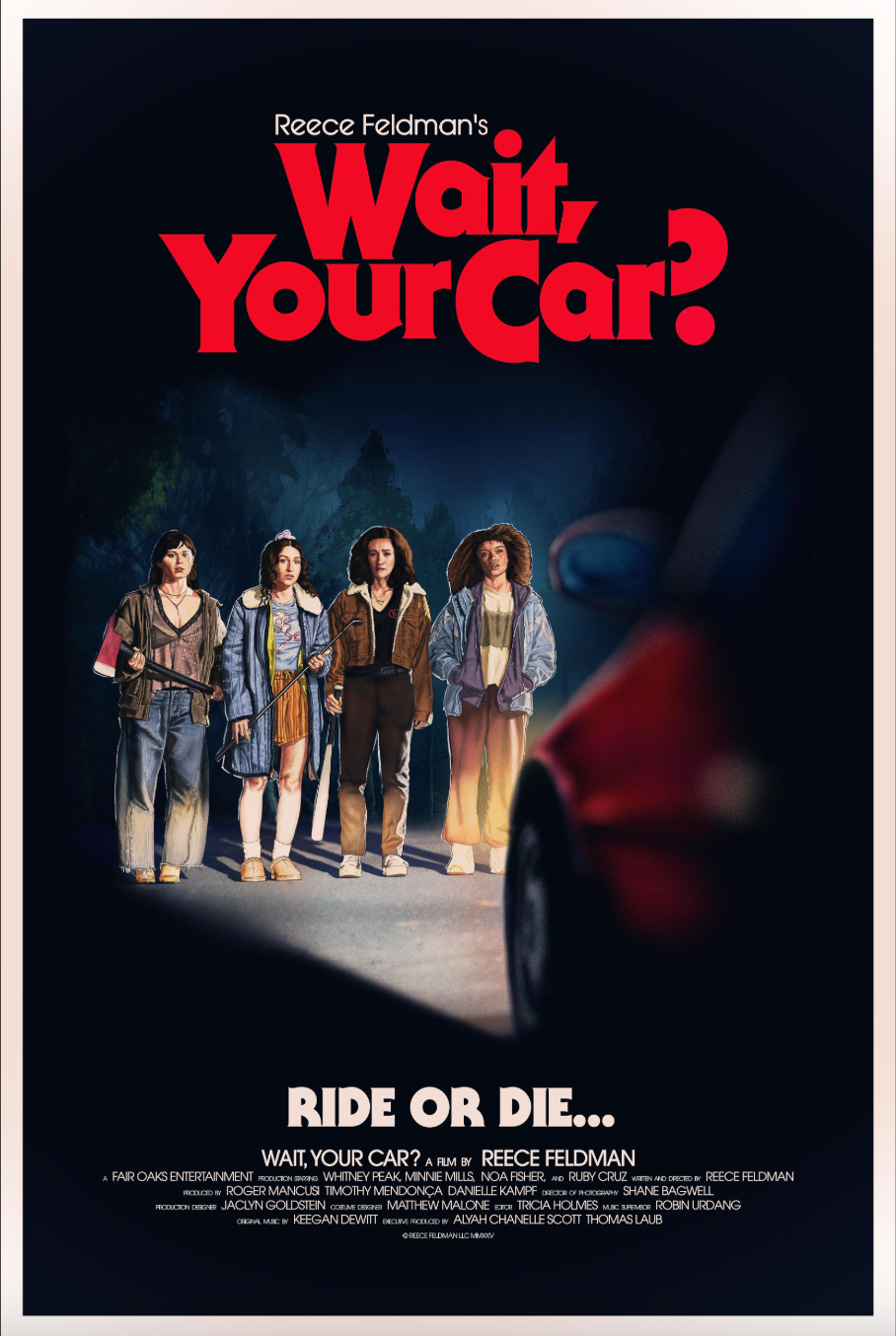
Reece Feldman is a new kind of rising filmmaker, one who represents the convergence of traditional Hollywood with new media. Known by the handle, @guywithamoviecamera to his nearly 3 million followers on Tiktok and Instagram, Feldman has become a recognizable face in film industry content over the past five years.
He began as a Production Assistant on Amazon’s The Marvelous Mrs. Maisel, where he started posting behind-the-scenes videos that quickly gained traction. His following grew rapidly, leading him to become one of the industry’s earliest “social producers,” creating official on-set content for major productions, and participating in some of the most high-profile events in entertainment like The Academy Awards, The Golden Globes, The Met Gala, and many film festivals and premieres around the world.
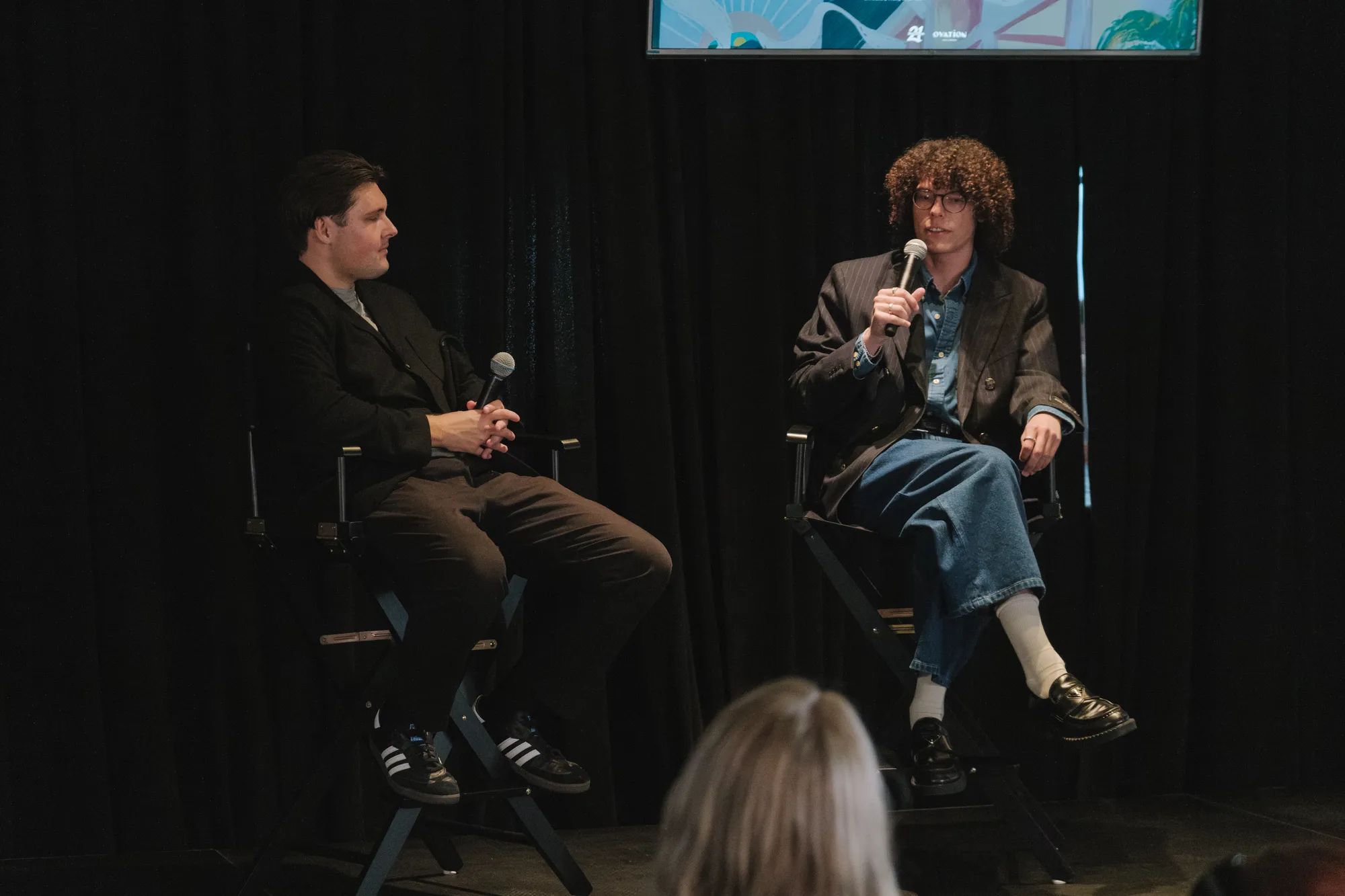
Now, Feldman makes his directorial debut with Wait, Your Car?. The film premiered at a special TikTok event at the Cannes Film Festival before celebrating its U.S. premiere at the HollyShorts Film Festival. Over the course of Hollyshorts, Feldman attended the Primetime screening of his film, he joined Hollyshorts for a featured discussion and Q&A as part of the festival programming, and he sat down with League of Filmmakers for an in-depth conversation regarding his film and his evolving role in the industry.
Wait, Your Car?
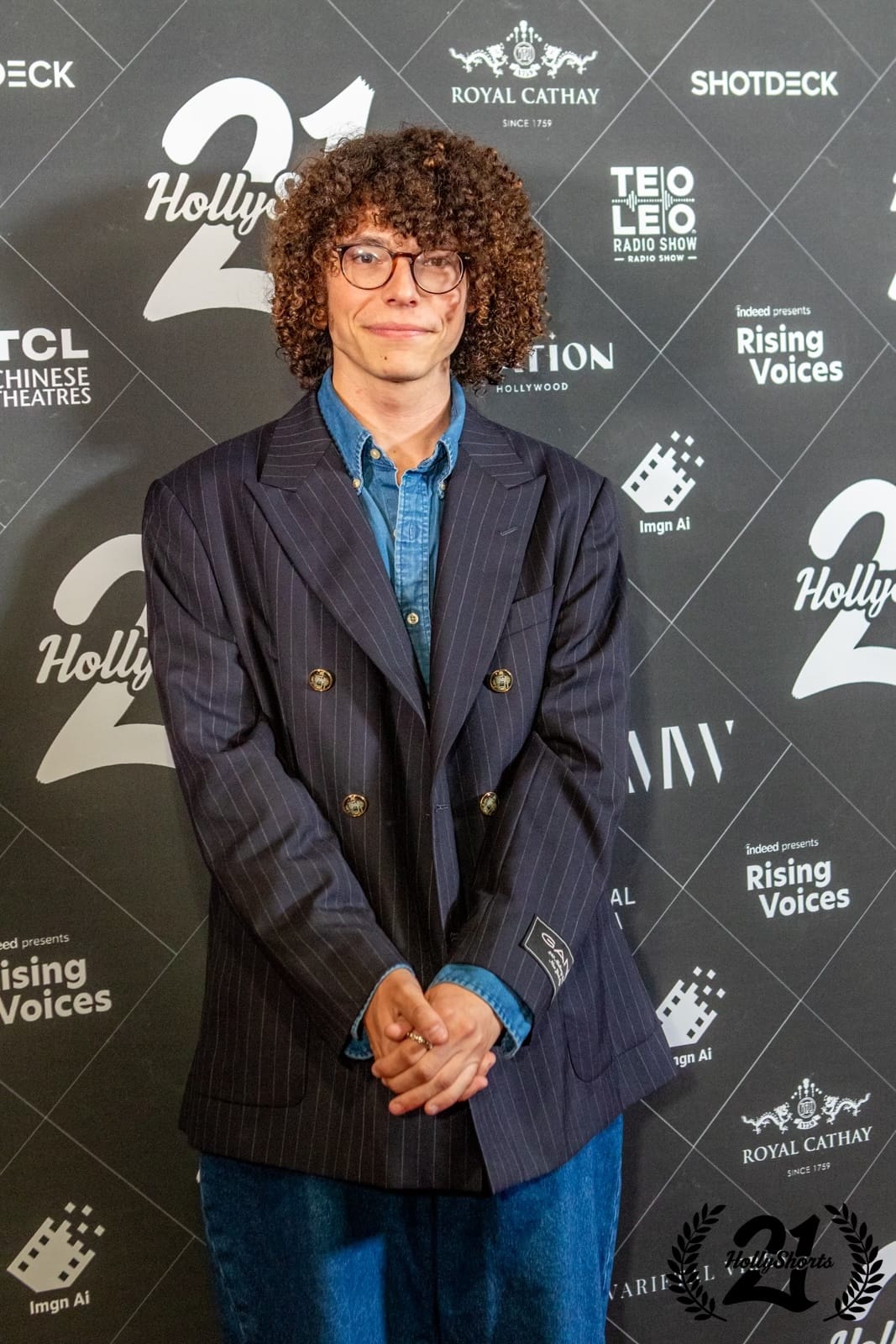
In Feldman’s 12-minute short, the friendship of four girls is put to the test after one of them claims her car is literally trying to kill her.
Wait…her car? Precisely.
Diving into Feldman’s creative vision for this playful, offbeat premise, the director explains that the story’s roots lie in his own tendency to be a bit overly pragmatic and practical:
“Everything I do, I try to be very calculated about. I try to work through peoples’ problems – my friends’ problems – in a very levelheaded way, which is not always the best way to do things. Sometimes people are allowed to be upset. Not everything needs to be solved, and not everything needs to be solved by me.”
Feldman’s reflection on his own behavior gave way to a uniquely creative vehicle that represents this idea: An anthropomorphic car with a violent agenda. And a victim whose friends struggle to believe her insane claims.
We have oddly personal relationships with our cars. We personify them. We name them. We have memories with them. We know them like a member of the friend group. Feldman mentions that one intention in choosing a car as the antagonist in this comedy thriller, is the inherent sense of betrayal. As he puts it, “If your car tried to kill you, yeah, you’d be a little offended.”
Noting some of his vehicular inspirations, like Spielberg’s Duel and John Carpenter’s adaptation of Stephen King’s Christine, Feldman explains that cars offer limitless possibilities for symbolic interpretation. Holistically, they are a glimpse into the American psyche. They can represent freedom, the shift to adulthood, consumerism, masculinity…
Feldman addresses this nuance with the remark, “I liked the idea of conflating a car with masculinity and with aggression, but I kind of just wanted it to be a story about believing friends.” This film is a comedy-thriller genre piece that surely can be enjoyed at face value, but Feldman has also threaded his engaging premise with a heartfelt nature and underlying sincerity.
Lastly in the director’s threefold argument for a car-centric story, “At the end of the day, they look pretty cool. Shooting a car is really fun.”
Feldman reminisces on the 2002 Red Honda Civic that became the star of his film. He describes the car as “beautifully ugly, like a pug,” which was perfect for the story and for visual interest.
Guy with a Movie Camera
While Reece Feldman is new to spearheading narrative film projects, he is no stranger to the film industry. For Feldman, social media has been both a means of making his mark in a stagnant, post-Covid industry, and a way to actively engage with the world of film that he loves. Now he shares that passion with millions in an online community who previously had less insight to the industry.
Feldman’s background in covering large-scale projects for a TikTok audience also prepared him for his own filmmaking endeavors. Regarding how his experience has informed his first time as a director, Feldman explains, “Working as a ‘social producer,’ with on-set content capture, and then doing press tours and everything – you learn the minutia. Seeing a set that’s worth $100-$200 million dollars and still seeing things go wrong put things into perspective. And also watching fantastic directors on set do things and make decisions in real time really informed me. It’s things that can’t really be taught on a multiple choice exam. Being on sets and working on films has helped so much with just knowing how to talk to actors and knowing how to talk to crew.”
Feldman expected to face intimidating moments as a new director, particularly when directing actors for the first time. Yet, by reframing his mindset, he realized that many of the skills he needed were already in his toolkit. He explains, “I was nervous to direct actors and then I realized, ‘Oh wait! I do this on set every day when I have to make a TikTok, and have to explain an idea to someone who is not on a social, and have to get a certain thing – that I need very specifically– out of this person.’ That was actually fun when I realized my day job is kind of translating into this.”
Reece Feldman is a perfect example of the kinds of self-starter creatives that are paving their own paths in this ever-changing world of socials and streaming. Nowadays there’s no shoo-in pipeline to guarantee success, and even Feldman’s path to early social media stardom was not without risk.
He states, “I think it's unfair to try to advise people to follow any path. What I did – to get started with social, which has lead to years of work – is I violated my NDA by making a video behind the scenes. It worked in my favor. It was a calculated risk that actually worked. But that’s not something I would recommend. I can’t say, ‘Violate your NDA! Do whatever you want!’ because that’s not how it works. There is no path that I can recommend because of the fact that everyone’s circumstances are so different.”
The Foot in the Door
There’s also the unspoken reality that in order create his first TikTok video, he needed access to a set. Even securing his first PA role was an uphill battle, a struggle familiar to many early-career filmmakers.
Feldman states, “Before I landed my first job, I sent out hundreds – literally hundreds – of emails just trying to get work. I would say 95 percent of those were ignored, 4 percent of those were zoom calls that led to nothing, and 1 of those got me hired. And then that was it. That was the one thing I needed. Just a foot in the door.”
Reece credits his break onto set to being active with his outreach, and not being afraid to fail. If you ask 100 different people how they found success in the film industry, you’ll hear 100 entirely different stories. But Feldman mentions that one thing you may hear more and more is that the people who are finding success are the ones who are making their own opportunities.
Making the Leap: From Content Capture to Short Film Director
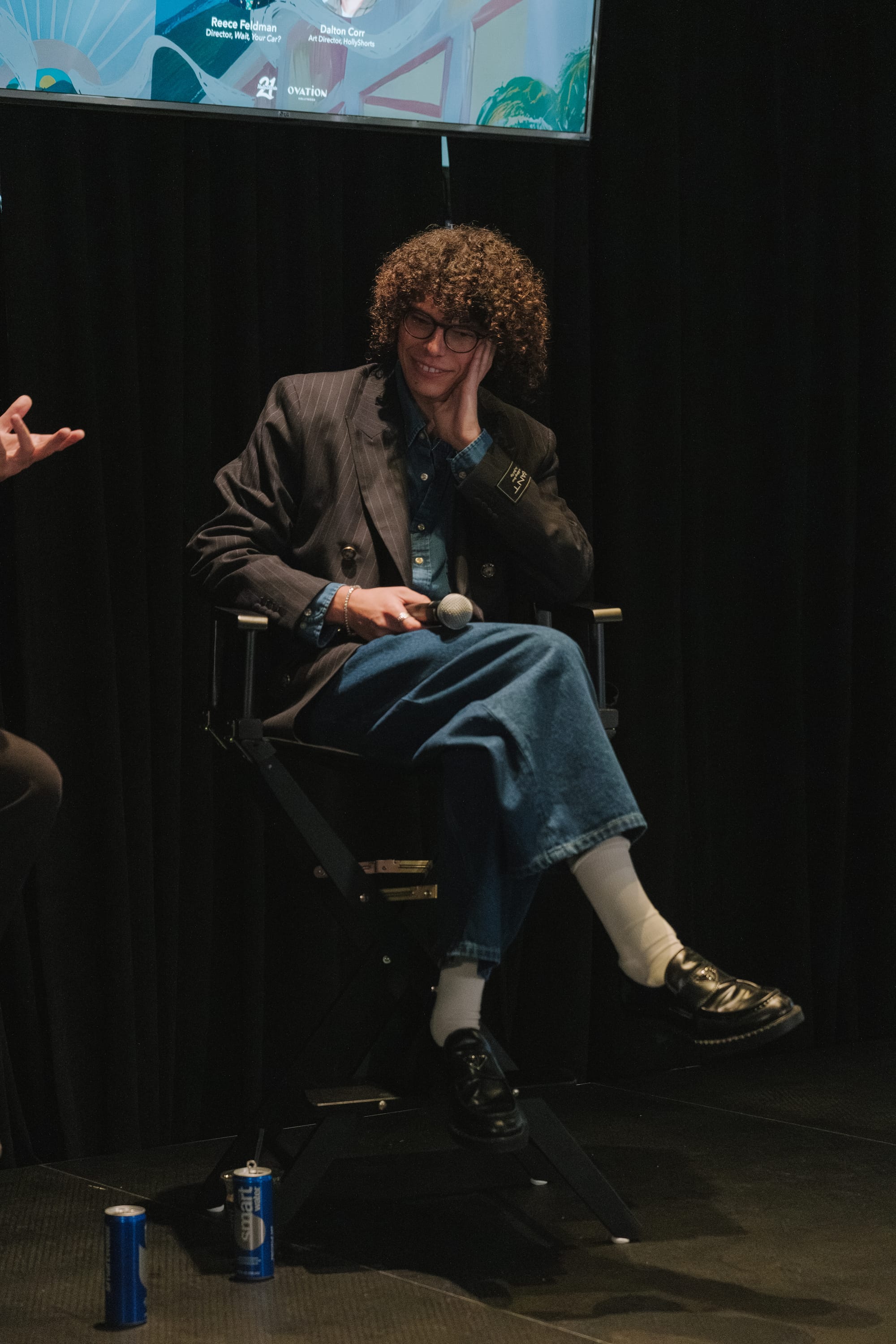
After five years navigating the film industry as a content creator, the natural next step, Feldman says, was to contribute directly to the medium he loves. “I do social for film because I love movies and I just want people to watch things,” he explains. “It felt like the right time for me to make the things that I want to watch, and for me to make the things I know my friends and my peers want to watch as well.”
Feldman has an extra bit of pressure on him compared to most first-time directors. He will be making his very first short film with a built-in audience. Wait, Your Car? will most certainly have eyes on it. Many student filmmakers find comfort in the low stakes of a first project, knowing that only professors or classmates will see it. But Feldman didn’t go to film school. Instead, he has 3 million followers who could tune in at a moment’s notice. It’s a filmmaker’s dream to have their work seen, but the pressure to create a very first project worthy of public attention was immense.
The opportunity to direct Wait, Your Car? came about in an unconventional way. In fact, this opportunity came knocking on Feldman’s door. Cannes Film Festival had been partnering with TikTok for several years, weaving the culturally defining platform into the festival programming. For the past two years, TikTok has sent Reece Feldman as a representative of the app. But this year, Cannes reached out to TikTok with a new proposal.
Cannes wanted to spotlight a creator that could have a short film unveiled at a special event hosted by TikTok. The app then approached Feldman, their trusted collaborator, with the opportunity. Did he have a short film? Could he make one? It would be a very tight turnaround. He had only a few months to make a film that would screen at one of the most prestigious festivals in the world.
Feldman told them, “I will have one done.”
Production and Collaboration
Once Wait, Your Car? was written, Feldman had just three months to complete the film, which was was in production for only two and a half days. He credits the expertise of his collaborators with making the process manageable: “I was really lucky in that this being my first time, everyone else that worked on this—it was not their first time. We did 10 pages of dialogue in one day, but everyone knew what they were there to do and made it much easier for me than it necessarily could have been or should have been.”
Relationships he built as a PA were also crucial to getting the project off the ground. One of the film’s producers was Feldman’s former boss on The Marvelous Mrs. Maisel, Timothy Mendonça. Feldman was intentional about surrounding himself with producers who had experience, connections, and the ability to work on a strict timeline.
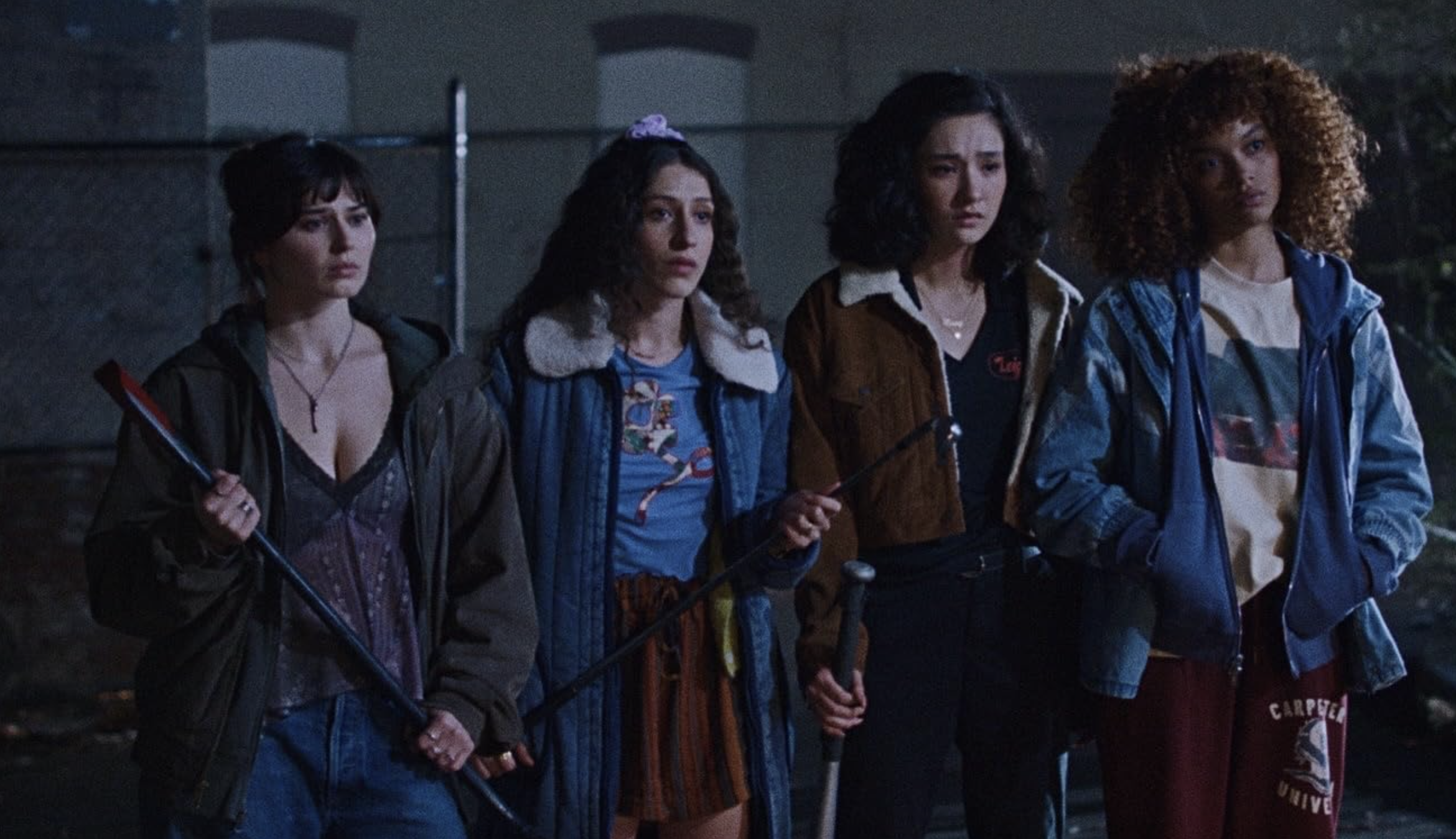
For casting, Feldman turned to familiar faces. He had worked with Minnie Mills on The Summer I Turned Pretty, met Whitney Peak and Noa Fisher at fashion events, and shared mutual friends with Ruby Cruz. He enjoyed watching the roles fall into place: “I sent the script to all four girls without telling them which part I wanted them to play, and they each organically chose the part I was hoping.” Feldman takes pride in capturing the comedic voices of the young women in his film, noting that, “The four girls speak the way that my friends speak,” which reflects his commitment to championing authenticity in his storytelling.
Alongside his cast, Feldman credits cinematographer Shane Bagwell, whose grounded, traditional visual style provided the perfect undercut to the film’s comedic Gen Z dialogue.
The Gen Z Audience
Since TikTok is primarily a Gen Z platform, much of Reece Feldman’s audience consists of teenagers and young adults. Whether a 20 second video, or a 2 hour feature film, Gen Z shows a sharp eye for the quality and sincerity of the content they consume.
Feldman argues that, “Gen Z is incredibly media literate. They can suss out when something is insincere. They know when something is written by someone of their generation, when it’s farce, when it’s not genuine.” Through his own work, Feldman hopes to show that it’s cool to care. While Wait, Your Car? is a thriller comedy about a bloodthirsty Honda Civic, it’s also a film about supportive friendships—something he approached with complete earnestness.
With his creative work, Feldman aims to marry what audiences already recognize as a Hollywood film, with something they haven’t yet seen: a genuine Gen Z voice. “There are times when traditional Hollywood looks down on the new-age approach,” he notes, “and there are times when younger people look down on the traditional approach.”
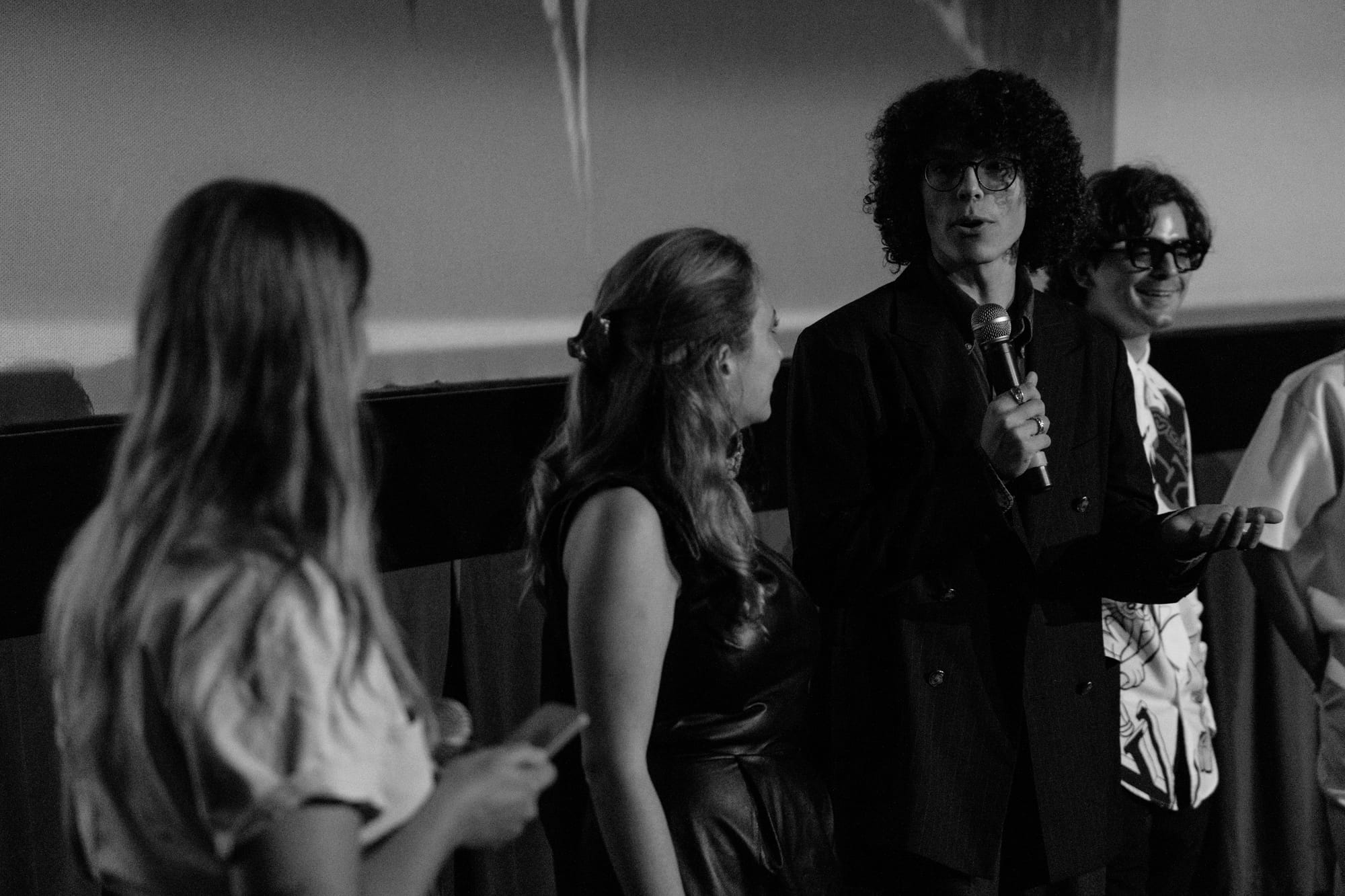
The path forward is balance. With Wait, Your Car?, Feldman brings the voice and value system of a younger generation, and pairs it with the aforementioned traditional cinematography, deliberately contrasting the fast-moving style often associated with younger filmmakers. Another core element of Feldman’s directorial voice is his interest in stories set in the “in-between” of adolescence and adulthood, a space that Gen Z audiences currently occupy.
He’s interested in continuing to explore these themes with future projects. Feldman, 27, elaborates on his love for stories about people his age: “I don’t want to tell stories about high schoolers who are literal children…And I don’t think I want to write about adults in their 40s because I don’t think I have that lived experience.” Feldman’s focus on young adulthood is that interesting space where, post-college, everyone expects you to have it all figured out despite the realities for people in that age bracket.
Building Your Own Pipeline
Reece Feldman is an example of an artist who created his own pipeline. He didn’t wait to be discovered or chosen, he just began creating with the resources at his disposal and found an audience, and an avenue forward into the film industry.
The way we define success in the entertainment industry is shifting. Traditional pathways like film school, writer’s rooms, and studio deals are no longer the only routes to recognition. Today, creators are building platforms online, finding audiences directly, and redefining what it means to be a filmmaker or storyteller.
Regarding self-made creatives, Feldman lists examples of modern success stories, revealing that now may be a better time than ever to do something entirely new.
First, Feldman states, “Someone who I really love is Quinta Brunson, who went from Buzzfeed to Abbott Elementary. I view that as this amazing career move because she proves herself as a writer, and establishes herself online, and then is able to make those connections in the comedy circuit, and then was able to pitch this thing (Abbott Elementary), and it wins Emmys. She was always talented, and maybe 30 years ago she’d be stuck in a writer’s room for 30 years. Whereas with Buzzfeed and that development, it changed things for her.”
Continuing with his industry observations, Feldman adds, “Now you see that there are YouTubers—like the brothers that did Talk to Me (Danny and Michael Phillipou), you have the Backrooms guy for A24 (Kane Parsons). You have all these podcasters who are now getting film roles. I don’t know if that’s a good thing or a bad thing, but I think it makes it a bit more democratic, when having a smartphone opens up a lot of these opportunities.”
Feldman advises that even though an iPhones gives you easy access to filmmaking tools and a potential audience, it doesn’t mean that you should make something without effort and intention. If people are going to help you, you should take the time and energy to make sure it’s worth their while.
Reflecting on the current landscape and potential future, Feldman says, “I think success is gonna look different. I think streaming has changed the way we view success and view what we think of as movie stars, and filmmakers and storytellers. I don’t know what the industry is going to look like, but I do think that good stories at their core will always be rewarded. Even if not in the moment – in time. People reevaluate things. People discover things. Audiences by and large, know the difference between good and bad. And even if they can’t articulate it, they are able to sense it.”
Conclusion
Hours before Wait, Your Car?’s Hollyshorts premiere, Reece Feldman excitedly prepares to release his film into the world. Faced with nerves, pride, and anticipation, he says, “I don’t expect my film is for everyone, and that’s okay. But I hope that when the right person watches it, it becomes one of their favorite things—something that makes them think, 'Maybe I can make something like this, or discover other things like it.'"
Amid a changing and unpredictable film industry, Reece Feldman is among the first to make the leap from short-form content to the brighter lights—and higher hurdles—of the Hollywood film industry. By taking this step, he demonstrates to both industry veterans and TikTok audiences that the future belongs to those reshaping the creative pipeline.