Table of Contents
Introduction
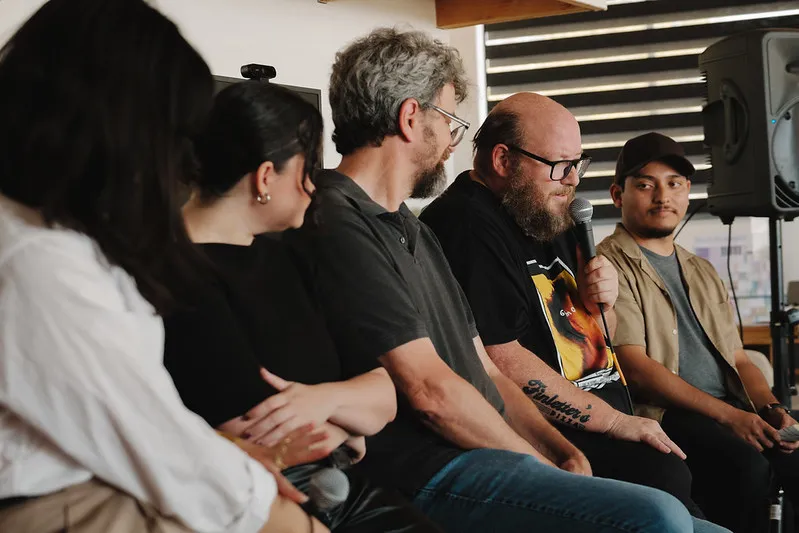
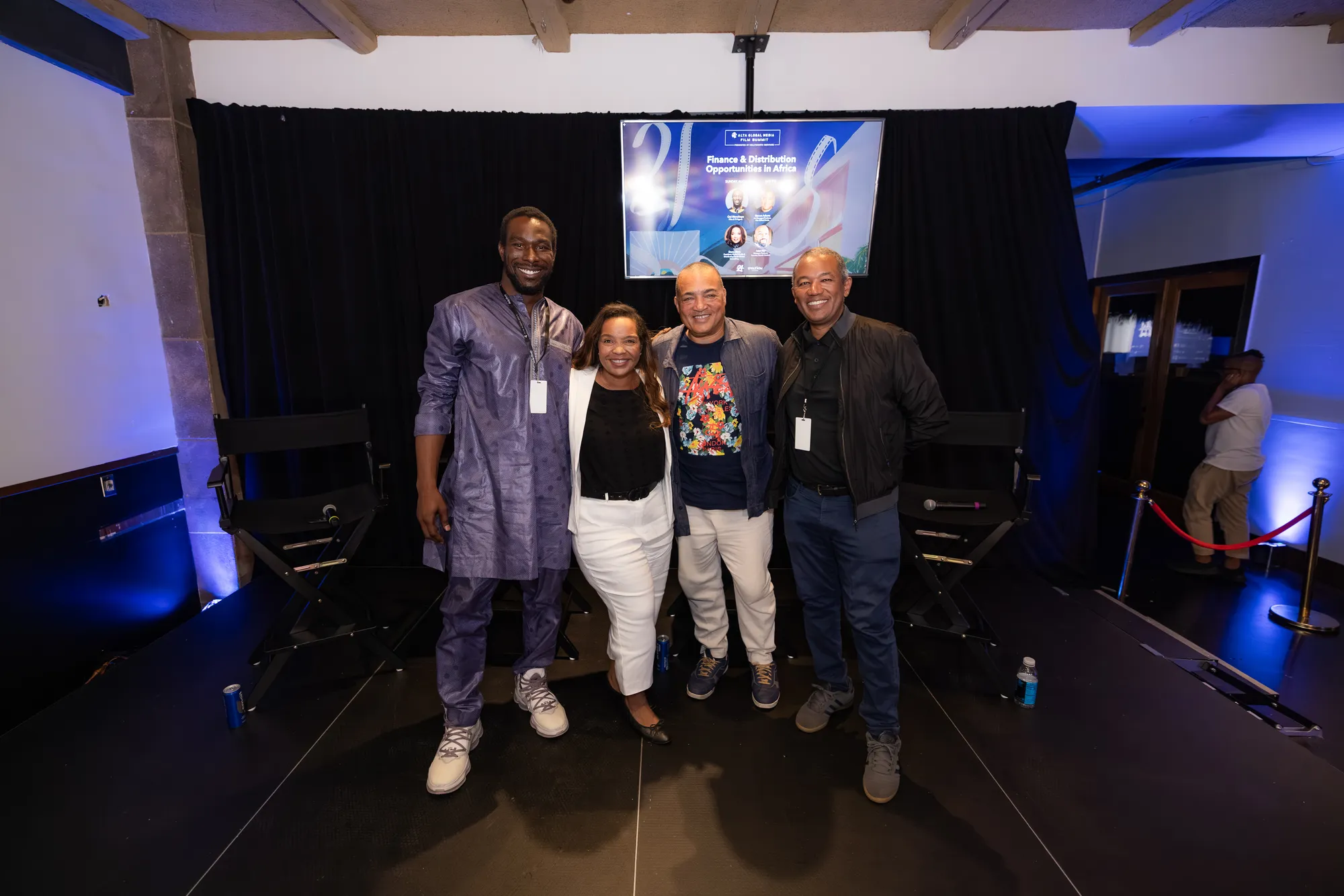
The panel was moderated by film and television agent Ozi Menakaya, whose work bridges international markets. Joining him were panelists Steven Adams, Dana Sims, and Adel Nur, each of whom contributes expertise in film development, distribution, and production across the U.S., Africa, and worldwide. Together, they painted a vivid picture of the opportunities and challenges facing filmmakers seeking to connect with Africa’s rapidly growing audience.
The Current State
While the African market has enormous potential, it remains largely untapped by the film industry. Nigeria, for example, is projected to surpass the United States in population by 2050, yet the country currently operates only 77 theaters. Even though American culture has already permeated the continent through American food, fashion, music, and culture, the infrastructure hasn’t been able to support an industry as costly as film. Cinema-going, unlike other cultural exports, is not historically ingrained in everyday tradition in many African countries like it is in the United States. To build a sustainable film economy, new foundations must be created from the ground up, and address not just infrastructure, but also cultural habits and accessibility.

Appealing Genres for a Young Audience
Africa has one of the youngest populations in the world, with the majority under 25 years old. For international films to succeed across borders, genres that appeal to youthful audiences, such as action, romantic comedies, and horror, offer the most promise. These are universally accessible genres, often less dependent on cultural context, which makes them easier to export and more likely to resonate with a wide audience.
Alternative Distribution Models
With only 1,200 theaters across the entire continent, traditional cinema distribution cannot be the sole solution. While streaming services provide another avenue, their reach is still limited. Netflix counts just 1.5 million subscribers in South Africa and 800,000 in Nigeria, which together account for the majority of subscribers on the entire continent. Many viewers rely instead on VPNs and satellite dishes to access global content.
There is also a technological gap. Western content is increasingly being produced in ultra-high resolutions and complex formats, which many African devices are not equipped to handle. To bridge this, some African companies have begun “deformatting” digital content to suit the devices people already own.
Meanwhile, YouTube, which is broadly accessible across the continent, presents a powerful platform not only for distribution, but also for African creators to produce their own content for global audiences.
Joint Ventures and Partnerships
One solution emphasized by the panelists was the importance of joint ventures. Investment should flow both ways: African production companies can invest in Western projects, while Western producers can support African stories. Playful examples thrown around by the panelists like Madea Goes to Africa, My Big Fat Nigerian Wedding, or even Sinners in Senegal illustrate the kinds of crossover projects that could engage both African and global audiences.
Corporate partnerships also hold promise. The panelists noted that Hair Love, the Oscar-winning animated short, was funded by Dove. Brands are increasingly eager to align themselves with powerful narratives, especially when media can function both as art and as a form of advertising. This could be a viable way to incentivize more African film production while keeping projects financially sustainable.

Other Creative Solutions
Beyond theaters and streaming, there are inventive, community-based ways to expand access to film. Mobile cinemas already exist in some regions, traveling to communities to deliver screenings. Existing public spaces like town centers, churches, and multipurpose halls can also be converted into makeshift theaters, offering cost-effective entry points for communities without access to formal cinemas.
The panelists also pointed to the potential of festivals and hybrid events. For example, given the continent’s passion for sports, pairing screenings with soccer games or other major sporting events could attract new audiences. Imagine a soccer match followed by a film projected onto the same field. This kind of integration could embed film within existing cultural traditions rather than asking audiences to adopt entirely new habits.
Conclusion
The panel illuminated the fact that Africa’s film market is not defined by its limitations, but by its potential. With one of the world’s youngest populations, a hunger for diverse stories, and growing opportunities for cross-border collaboration, the continent presents a strong foundation for both local and international creators. By reimagining distribution models, forging partnerships, and integrating film into existing cultural traditions, the industry has the chance to build not just a market, but a movement.