Table of Contents
Three Key Takeaways
- Holy Smokes blends stoner comedy with sharp, culturally-rooted humor reflecting Latina voices and Catholic school experiences.
- The filmmakers embraced improvisation on set, allowing actors’ genuine interactions to elevate the film’s comedic authenticity.
- Independent filmmaking’s grit and inventive spirit shaped the production, emphasizing practical effects and creative resourcefulness. Isabella Ares and Gabby Fiszman co-wrote and co-directed Holy Smokes, a stoner comedy spotlighting two best friends navigating absurd and awkward situations rooted in their Catholic school past.
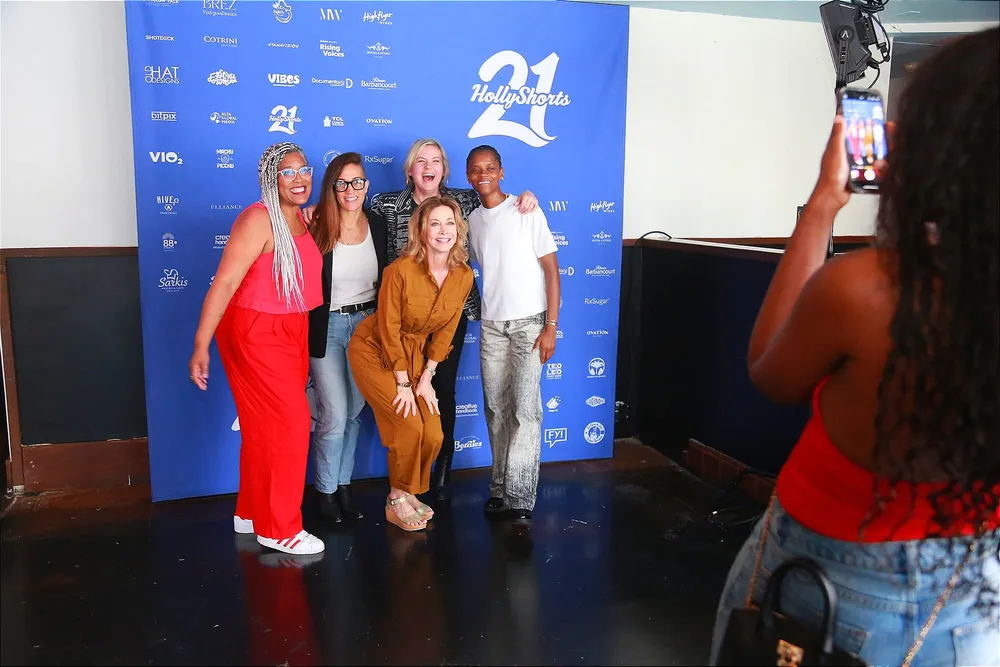
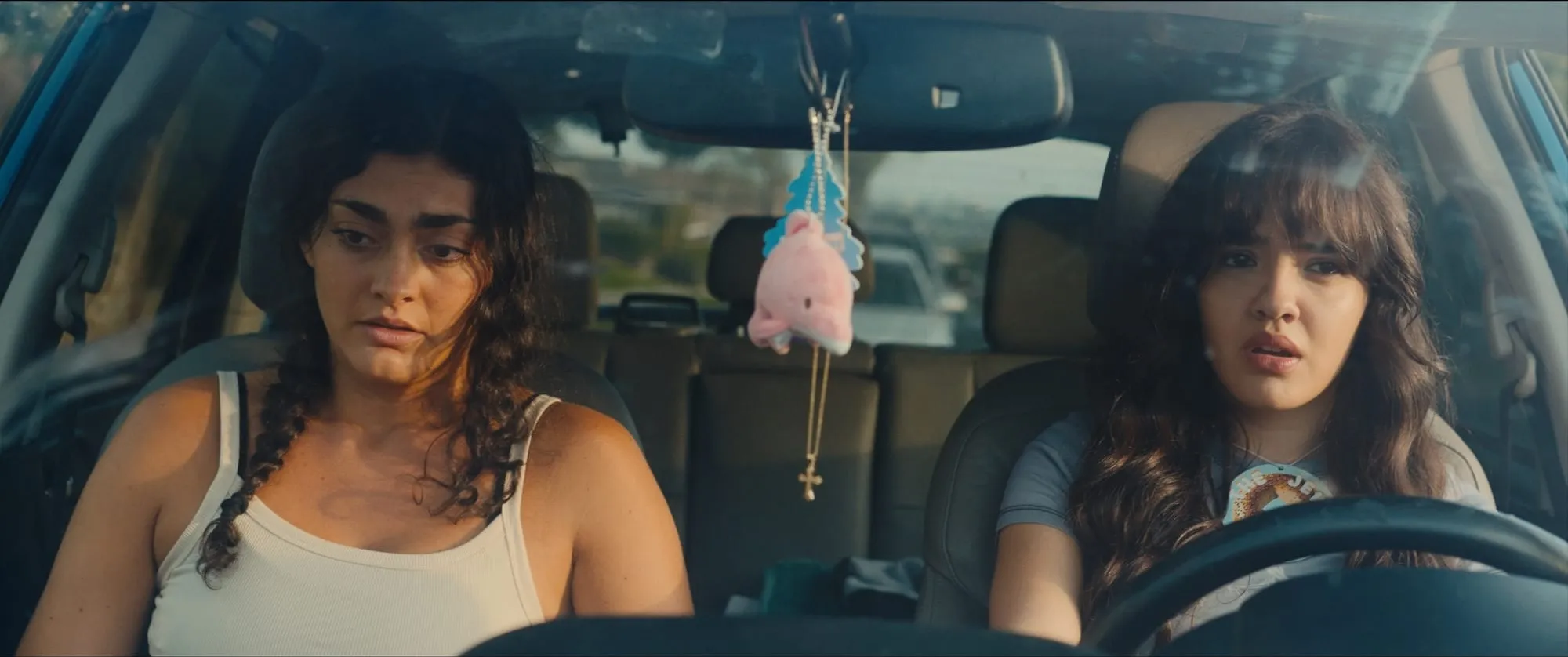
The film, executive produced by Kevin Smith, Roman Coppola, and others, recently had its world premiere at HollyShorts, an Oscar and BAFTA qualifying festival. With a talented crew including cinematographer Markus Mentzer and composer Kevin Robles, the film captures a distinct blend of raunchy humor and heartfelt cultural truths.
Q&A Interview
What drew you to make Holy Smokes? Why this story, and why now?
Stoner comedies have always been one of our favorite genres—from Pineapple Express to Harold and Kumar to Booksmart, we were always watching movies that didn’t take themselves too seriously. After watching Harold and Kumar, we knew we wanted to make a stoner comedy about two Latinas. We wrote Holy Smokes at the height of the pandemic when things seemed incredibly bleak. We found ourselves looking for any opportunity to laugh, and we wanted to be a contributing force to happiness and laughter in a world that needed it.

We also felt that our sense of humor was lacking in most comedies we were seeing. There’s all these attempts to reach a Gen Z audience with comedy that often fall flat because they are written by people not in our generation.
“We wanted to write a comedy that represented our sense of humor, but also tackled subject matter relevant to this day and age.”
What surprised you most about the filmmaking process this time—creatively or logistically? Was there a moment on set or in post that completely changed how you saw the story?
On set, we let the actors improv certain lines, which was letting go of a lot of control from a story and script we had babied for years. But there were moments when we would observe the actors’ rapport with each other and we just thought, “we should just let them do a take where they improvise.” And a lot of the improvisations were so genuine and funny that they made it to the final cut.
Is there a moment in the film that feels the most you—something only you could have made?
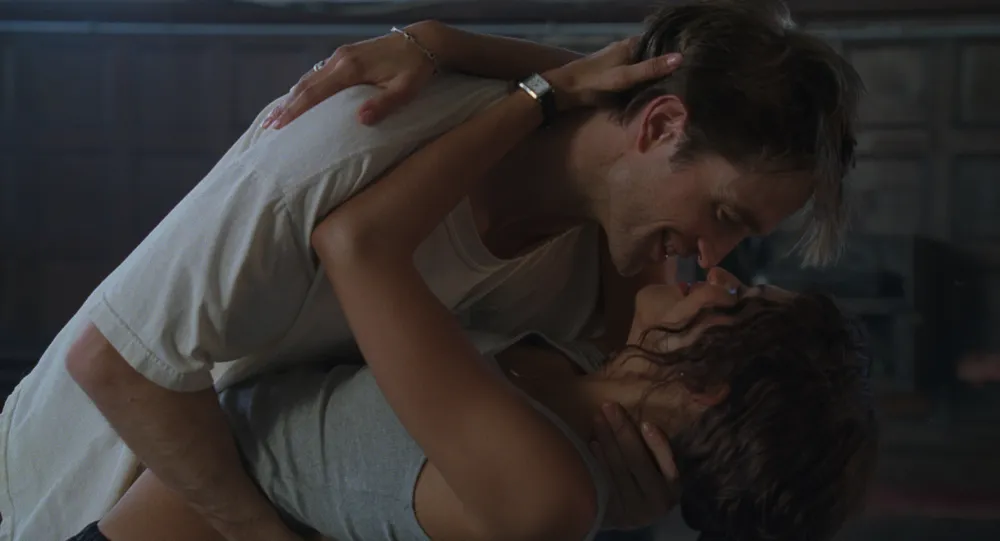
Isabella: I grew up going to Catholic school, so the entirety of the dynamic between Emma and Johnny is very much within the realm of how things were in that environment. The repression, the guilt, the shame. So much of that is felt in the scene, even if it’s funny. I also think a lot of the situational humor is something I strongly gravitate toward, I love coming up with absurd situations to put characters in.
Gabby: Not that this is reflective of something I would actually do, but I resonate with the ridiculous soaking scene. The build up to that scene and then actually following our character under the bed is something I haven't seen before in any other media. When making comedy, I really like to push things in sometimes uncomfortable or awkward directions— I think the unease makes people feel like they shouldn't laugh, but then that tension builds until they have to laugh.
What was the hardest creative decision you made while making this film?
Like most short films, we were up against timing, both during shooting and in the editing room. We had to cut some scenes during production or in the editing process that we were excited about, but it just didn’t make sense in the final cut. It was definitely for the better, but we had to part ways with some very scandalous scenes.
What do you hope audiences take away from your film?

“I hope that the audience can watch this and laugh. I want to challenge the rules of comedy and show people that female-led comedies can be funny, raunchy, and rooted in societal truths.”
How has this film shaped or shifted the kind of stories you want to tell next?
Isabella: I love a buddy comedy, so I will definitely be going in that direction again in the future. I also love subverting expectations and writing in worlds that feel slightly surreal. I think that suspension of disbelief is incredibly important when telling stories that get as absurd as Holy Smokes, and that is something I will be taking with me to my future projects.


BTS shot from Holy Smokes
Gabby: Making Holy Smokes has made it clear that I love making dark comedies. I think going forward I want to bring an even more grounded element to comedy. I think realizing this story onto the screen, it felt more grounded than I expected. I want to lean into that, keeping this sense of realism, especially in form, that can make you take a ridiculous comedy more seriously.
What’s a tool, technique, or resource that really helped you during production?
Isabella: Trusting my gut. It was my first time directing anything with a budget, so I was nervous. I didn’t want to say the wrong thing or mislead people in our vision, but as soon as we started our first take on the first day I knew exactly what I wanted. We also had some incredible mentors throughout the process who wholeheartedly believed in our project and our vision.
Gabby: On this project, shooting with two cameras really facilitated making our days, as well as helping us capture comedic performances. Our director of photography, Markus, has a lot of experience shooting comedy with improv, and since we leaned into the actors riffing, having A and B cam really saved us. Not only did it allow us to capture more unique deliveries, it also gave us more freedom in the edit.
Independent filmmakers often rewrite the rules out of necessity. What do you think is the greatest strength of independent filmmaking, and how did you lean into that on this project?
Embrace traditional filmmaking, especially when it comes to practical effects. It leads to this outcome that looks more artistic and intentional. There is this desperation from making independent movies well that forces you to be scrappy and be innovative.
You’re going up against budgets, time, and energy— the main reason you’re making a movie at that point is because you have something to say. So many big movies with big budgets lose their grit and that grit is what ultimately makes this artform human.
What does it mean to you to have your film selected for HollyShorts?
A dream come true! So honored to have our World Premiere at a local film festival that is both Oscar Qualifying and BAFTA qualifying.

How do you hope being part of HollyShorts will shape the life of this film?
I hope that it puts our film on the map for other likeminded filmmakers. We would love to meet future collaborators who are excited about our vision.
Where do you see this film going next?
We adapted the short from the feature—our goal was always to make Holy Smokes a feature length film. With the short at present, we will be going to other festivals and finding a home for it online.
“At the core of all my work is a desire to make people laugh and think about what they watched."
Cast & Crew
- Writers/Directors: Isabella Ares & Gabby Fiszman
- Executive Producers: Kevin Smith, Roman Coppola, Leo Matchett, Daniel McGilvray, Michael Musante
- Producers: Daisygreen Stenhouse and Liz Destro
- Cinematographer: Markus Mentzer
- Composer: Kevin Robles