Table of Contents
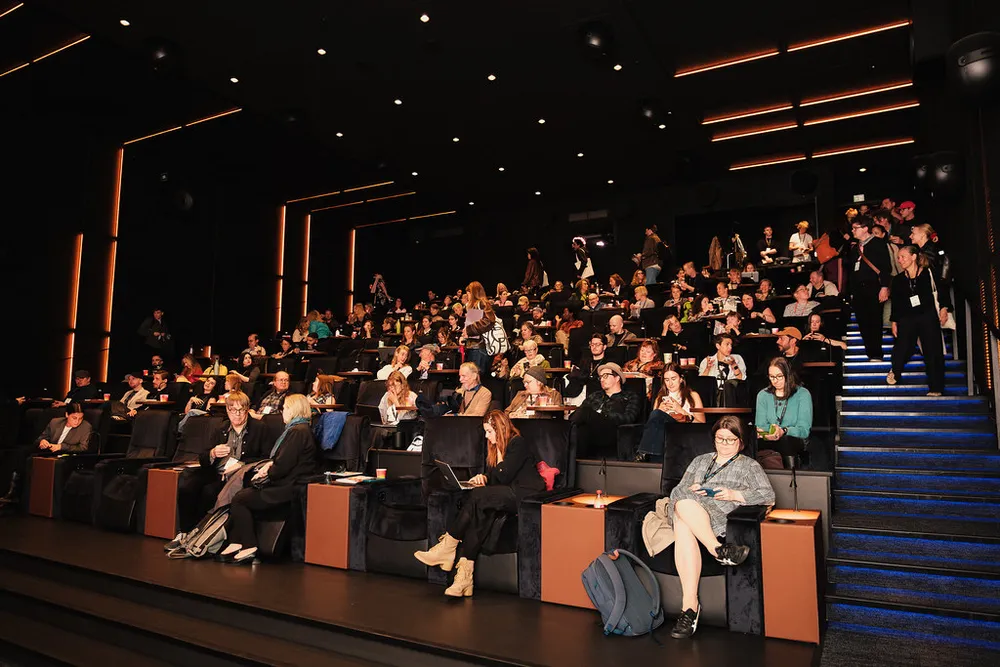
In this live workshop, casting director Emily Cook and writer‑director "Mikey" or John Michael Riva Jr. (screenwriter of the sci‑fi feature Fontana) walked through how to prepare for an initial casting meeting, choose actors for tone and authenticity, and use casting strategically to help finance a project.
If you’re an underrepresented filmmaker or creative producing a concept that sits between indie and mid‑budget, this article gives concrete casting tactics, budgeting benchmarks, casting‑contingent financing ideas, and outreach tactics you can use right away.
What Happened In The Workshop — Quick Context
- The session simulated an initial casting meeting for Fontana, a thesis‑feature sci‑fi thriller about a drone pilot (Bryce) who discovers an AI version of himself (Fontana) and must do therapy with that AI to resolve buried trauma.
- Emily Cook (LA‑based casting director, credits include How I Met Your Mother, Chilling Adventures of Sabrina, Star Trek Discovery) reviewed a pitch deck, discussed casting choices for principal roles, and mapped how casting connects to budget and financing.
- Mikey explained the project’s origin, tonal goals, and current strategy to develop the idea as IP (including narrative podcast development) before moving into feature production.
Casting Priorities And How They Relate To Story
Be specific about what each role needs to do dramatically and emotionally. Example roles from Fontana:
- Bryce: Outwardly composed yet internally suicidal — needs woundedness plus a capacity to "hold it together."
- Fontana (the AI avatar): Often lighter, sometimes humorous, and deliberately polished — can be an AI’s fabricated ideal image.
- Carol (therapist/overseer): The emotional anchor and authority figure who must show restraint, command, and occasional tenderness.
- Kevin (CEO/antagonist): Charming, volatile, able to flip from genial to menacing.
- David (handler): Tough on the surface, opens up as the story progresses.
Cast for narrative payoff, not only name recognition. Emily suggested casting that supports key story beats — e.g., have the AI appear visually polished (to sell the twist) and later reveal a scruffier real person to heighten the reveal.

Casting choices should also ask: “Will this be believable?”
- Don’t let star image interfere with plausibility. A very conventionally “supermodel” actor can distract if the character’s job or social milieu wouldn’t realistically read that way.
- Conversely, an AI’s avatar may logically be very attractive or “perfect,” which can be used deliberately to deepen the twist when you meet the real person.
Casting As a Financing Strategy
- Casting‑contingent financing: You can attach names to help secure additional financing. This is common—financiers often respond to specific attached talent or letters of intent.
- Practical path Emily recommends:
1. Have a producer/line producer build a tentative day‑out‑of‑days and a line budget.
2. Bring on a casting director for a defined "attachment phase" to secure lead talent (Emily described a minimum monthly fee, often 3 months).
3. Use escrowed funds to show commitment when making offers (agents want to see money held).
4. Once greenlit, hire casting for additional weeks to fill out supporting roles and one‑off parts.
- Budget reality check (as discussed in the session):
- Barebones indie possibility: $2–5k (extremely tight; might require major compromises).
- Realistic indie feature for this material (volume/stage, VFX/post): aim closer to $20M? (In the workshop, line producer suggested $20M to do it “the right way” — that figure may vary widely by scope and creative approach.)
- Midpoint example Emily discussed: ~$30M for a fuller production with named talent.
- Important: financiers vary. Some financiers will sign off for a single bankable name (even if they aren’t the best dramatic fit); others will value ensemble and story more. Know your financiers’ priorities.

Practical Outreach And Attaching Talent Before Hiring A Casting Director
- Cold outreach can work: email, Instagram DMs, polite in‑person asks at festivals/industry events. The workshop gave real examples of people successfully cold‑contacting talent and mentors.
- Use your network and be tactful: ask a friend‑of‑a‑friend to pass materials only if you’re sensitive to gatekeepers and relationships.
- Offer letters of intent and escrowed deposits when possible—these materially help you pitch to financiers.
- Consider alternative paths to build IP and demonstrate audience interest before a big budget: narrative podcast or audio drama (high signal, lower production cost) can be a viable step. Emily and Mikey discussed making a 3‑episode pilot or demo in audio form to shop to platforms (Spotify, etc.). Audio lets you expand worldbuilding without expensive visual effects.

How A Casting Director Typically Structures Their Engagement
- Attachment phase: a casting director may work for a monthly fee for a minimum time (e.g., three months) to pursue and attach lead talent and send offers. This phase can include outreach, tape viewings for suggested actors, and negotiated offers.
- Production casting: after greenlight, casting works a set block (e.g., 8–10 weeks) to cast the full supporting and background roster.
- Rates, scope, number of roles included, and deliverables vary—discuss this proactively with any CD you hire.
Tips For Directors Prepping Their Materials For A Casting Meeting
- Bring a clear logline and concise character descriptions emphasizing emotional arcs and specific beats.
- Include visual references and aesthetic notes: mood boards, stills, and an initial deck can clarify tone (Emily praised a well‑structured deck that paired looks with character notes).
- Know your tentative budget tiers and what you can realistically offer talent (SAG minimums vs. name rates).
- Be ready to answer practical questions: production schedule, shooting locations, VFX/post expectations, and whether casting is part of contingency financing.
- Be honest about pivots you made for marketability (e.g., age/chemistry adjustments) but explain creative reasoning.


Photo by Charlie Nguyen
Casting Beyond The Big Agencies
- Breakdown/industry casting platforms: post background and supporting roles to Breakdown (or equivalent) to make those jobs visible to a broad range of agents and managers.
- You don’t have to restrict outreach to CAA/UTA/ WME clients; many talented working actors are represented by smaller agencies or managers and are eager for good material.
- Consider casting a mixture of working recognizable actors and emerging talent you can help “break” — this can be budget‑friendly and creatively rewarding.
"Cast for the twist, not for the poster. If your story hinges on reveal and authenticity, your casting choices should heighten those story beats — even when that means passing on a big name that distracts from believability." — Emily Cook
Quick Checklist You Can Use After This Workshop
1. Finalize crisp logline and 1‑page character descriptions emphasizing beats.
2. Build a tentative day‑out‑of‑days and three budget tiers (barebones, realistic, ideal).
3. Decide which roles you want attached for financing and which can be casting later.
4. Prepare a pitch deck with visual references for characters (avatar vs. real person if your story needs that).
5. Start outreach: friendly cold emails/DMs to talent or reps, and use your network to ask for introductions.
6. If budget is constrained, develop a narrative podcast or audio proof‑of‑concept to establish IP and early audience.
7. When you engage a casting director, confirm attachment fee structure, the number of roles included, and timeline to production casting.

This workshop models the collaborative, accessible approach CFA champions: opening industry practice to filmmakers who aren’t yet in the inner circles, encouraging smart scrappy outreach, and showing how creative casting choices can both strengthen story and unlock financing. If you want help turning your script into a casting plan or a casting deck review, CFA’s community labs and workshops are built for that next step.