Table of Contents
Three Key Takeaways
- Abby Tozer channels her classical piano frustrations into an absurdist, experimental short that blends art and neuroscience.
- Muse’s production overcame significant logistical hurdles, revealing unexpected creative opportunities in lighting and mood.
- The film’s indie spirit and collaborative ethos underscore the power of community and artistic flexibility in storytelling.
Abby Tozer, a bilingual Berkeley Neuroscience graduate turned filmmaker, presents Muse, a surreal short film exploring the torment and liberation within the classical music world.
Featuring a haunting performance by Tozer herself as Myra, the film marries absurdist narrative with a stark, noir aesthetic crafted alongside cinematographer Hanna Hurd.
Selected for the TRC Shorts Fest, Muse is a testament to Tozer’s unique voice and her indie filmmaking ethos.

What drew you to make this film? Why this story, and why now?
I wrote this as an ode to all the absurdist and noir material I’ve come to love. I’m a huge fan of Samuel Beckett and stream of consciousness storytelling, and Robert Zemeckis. I also wanted to try something more experimental in the cutting of the piece to give a collage-like rawness to it, almost like a children’s fairytale. Themewise, I wanted to dive into the dilemma of structure vs. freedom into classical piano and the classical music world. I grew up as a pianist with a strong aural ability and abysmal sight reading skills– and was always tortured by it. This piece is an ode to all my fellow frustrated musicians. It’s a kooky little short that I had a blast making with my friends.
"The indie mindset is our greatest strength."
What surprised you most about the filmmaking process this time—creatively or logistically? Was there a moment on set or in post that completely changed how you saw the story?
Well– we actually shot this film twice. The first time, unfortunately, we were shut down. We rented a space through Peerspace that was very poorly run with a tenant who was aware of a neighbor who (apparently) had called the police on multiple occasions before us when film crews came through. We were out $5k, but we picked a new day and still made Muse happen. The thing I was most surprised with creatively during the process was the light. We had all these incredible industrial looking shadows in the space where we shot making it look almost like New York City. I love how it turned out. It gave a whole new noir feeling to it that I couldn’t have found in the initial space. I guess the shut down was worth it!

Is there a moment in the film that feels the most you—something only you could have made?
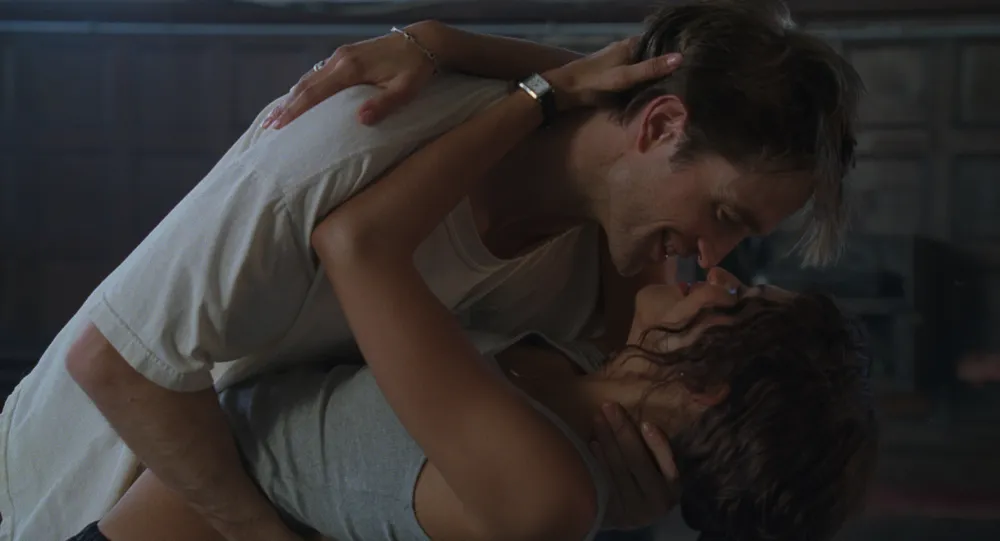
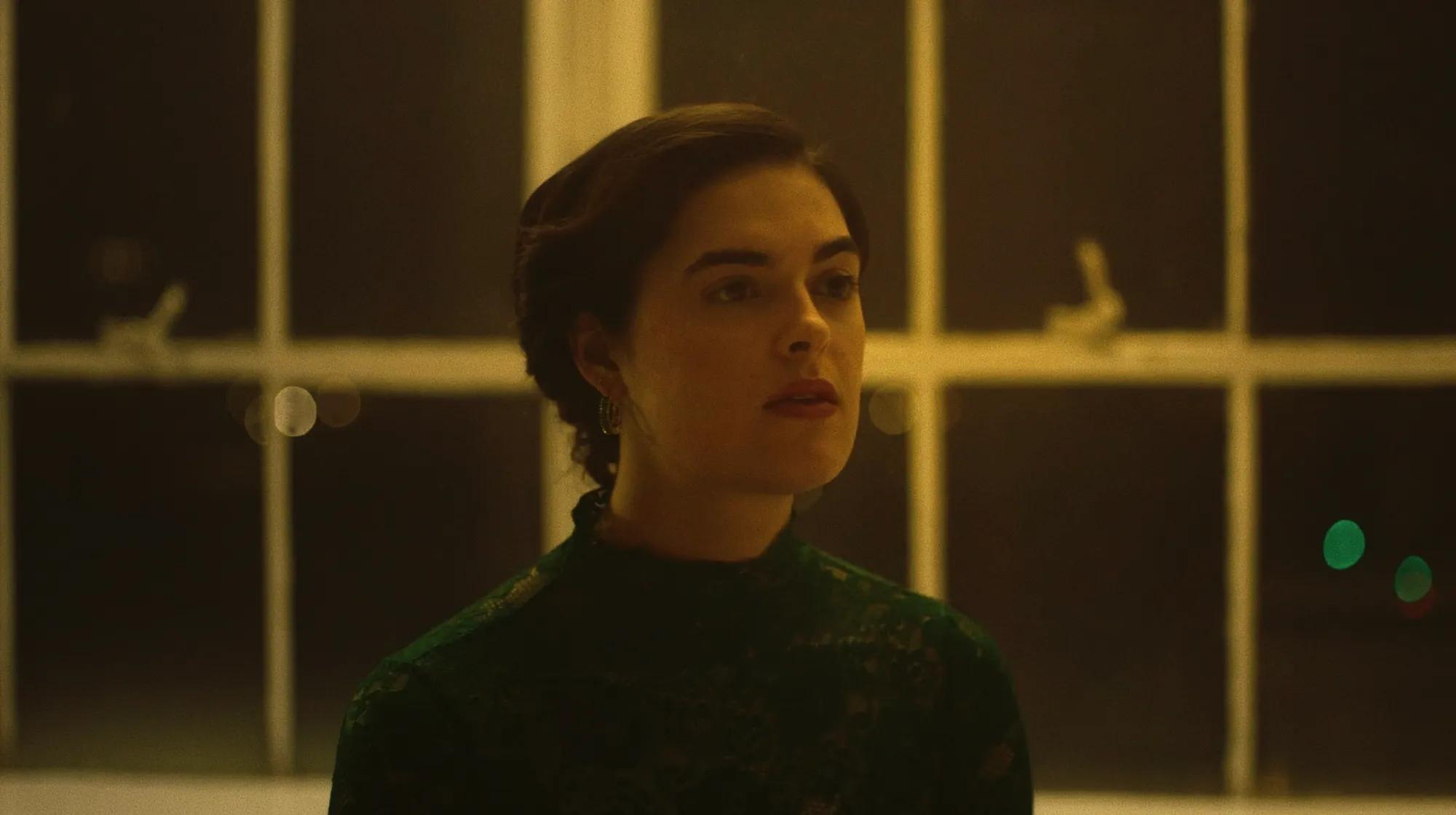
There are two shots in here that I think really exemplify me as a filmmaker. One, where Myra sits on the ledge with light spilling behind her from the windows. I wanted it to feel angelic, Coppolla-equse. I love how it feels. Then, the hands rising from below gently touch the piano. It’s so creepy, kooky and fun. I wanted to bring that levity to the screen and I had so much fun doing the cut-outs. Those were concepts from before I wrote the script.

What was the hardest creative decision you made while making this film?
Initially I wanted to shoot on film, so trying to figure out how to capture that filmic look in the space while making it still feel fresh was definitely a process. Also– the stream of consciousness dialogue needed to come off stilted yet approachable, unsettling yet comedic in a way that was Yorgos but me. So that was also a fun challenge.

What do you hope audiences take away from your film?
I hope people see a little more flexibility in the artform of classical music as well as filmmaking. This film is experimental and doesn’t fit into any typical form of storytelling, and that’s okay.
"This film is experimental and doesn’t fit into any typical form of storytelling, and that’s okay."
How has this film shaped or shifted the kind of stories you want to tell next?
I love absurdism, strong female characters and scrapbooking. This definitely plays on a lot of pieces that I’d love to incorporate into greater projects in the future.
What’s a tool, technique, or resource that really helped you during production?
Pre-pro tools that I couldn’t live without: Milanote, Shotdeck and Procreate – the trifecta.

Independent filmmakers often rewrite the rules out of necessity. What do you think is the greatest strength of independent filmmaking, and how did you lean into that on this project? Is there a lesson or breakthrough you’d share with others navigating this path?
I am an indie filmmaker through and through. I think the power of indie filmmaking is the mindset of making it happen. We don’t have money, we have people. It’s a medium that is still about the power of community and that’s a rare thing. The biggest breakthrough I’ve had in my career so far is that the bigger the projects get, nothing changes except the inability for people to keep this indie mindset. Once resources come into play, people get complacent. Those that keep the indie mindset once they have everything in the world at their disposal, these are the greatest artists in the world. The indie mindset is our greatest strength.
What does it mean to you to have your film selected for TRC Shorts Fest?
I’m so stoked!! Any chance to screen on an actual big screen is an honor, and to be part of a festival of all badass women? This is the dream right here.
"I wanted it to feel angelic, Coppolla-equse. I love how it feels."
Where do you see this film going next?
I’d love to play at some European festivals. That’s where I think a lot of my audience is and I grew up in France which was definitely part of the influence.
“At the core of all my work is a desire to make movies with my friends that allow someone’s staunch opinion on something to become just a little more flexible."

Cast & Crew
- Steven Loomis — Actor (Mr. Nichols)
- Connor Angus — Producer, 1st AD
- Tess McLeod — Costume Designer, UCLA grad with major film credits including Black Adam and Dune Part 2
- Jose Rodriguez — Sound
- Nick Luna — Grip/Gaffer
- Mady Tozer — Production Assistant and opera singer
- Jeffrey O’Brien — Colorist, screenwriter, and filmmaker
- Casey Nimmer — Editor, with extensive experience in digital media and YouTube variety shows
- Madison Fitts — Production Assistant, NYU Drama alumna
- Natasha Marcuse — Production Assistant