Table of Contents
Three Key Takeaways
- The Quinta's Ghost explores the universal emotional engine within Goya's isolated struggle, pushing animated genre storytelling into new territories.
- The film's quietness and visual impact required mastering pacing, especially through Goya's expressive eyes, to truly inhabit his world.
- Independent filmmaking allows for unfiltered creative freedom—embrace the bold risks that other situations wouldn't permit.
James A. Castillo, a seasoned animation director, is no stranger to international acclaim. With a career spanning major studios like Sony Pictures and Netflix, his work has consistently pushed the boundaries of animated storytelling.
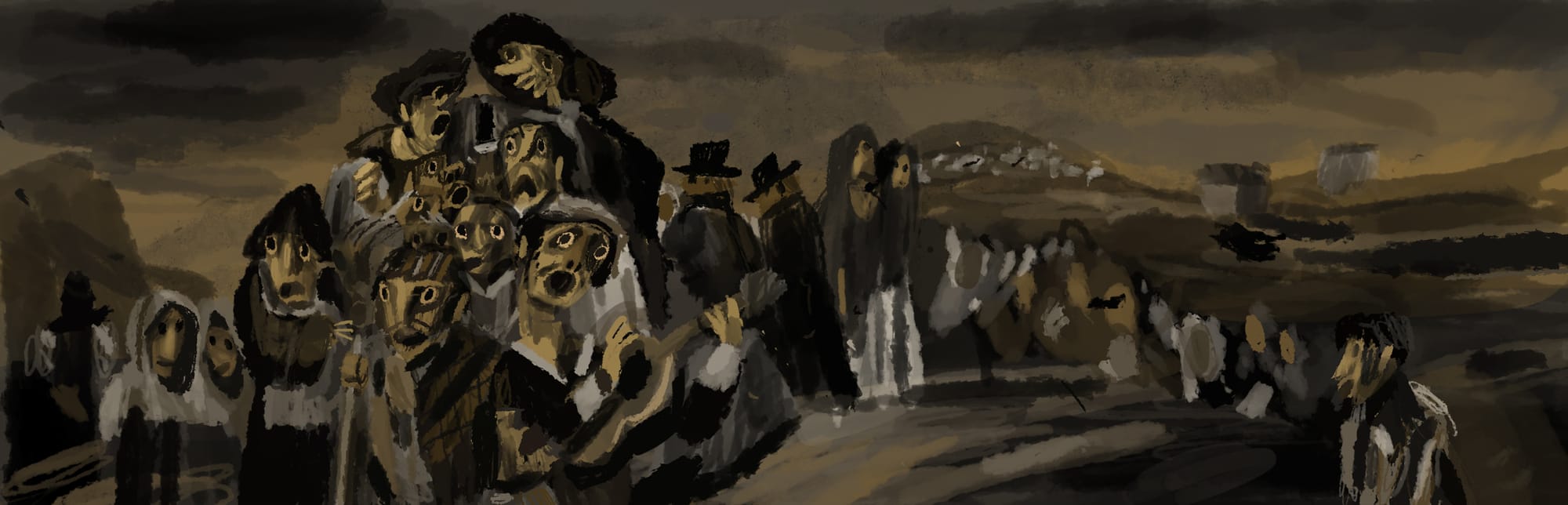
Castillo's latest project, The Quinta's Ghost, dives into the haunted solitude of Francisco de Goya's final days. The film, produced alongside Raul Rocha, features talent like Maribel Verdú and music by Carlos Rodriguez Rodriguez. Set to screen at this year's HollyShorts Film Festival, Castillo's film is a testament to his commitment to genre filmmaking in animation.
On the Inspiration Behind "The Quinta's Ghost"
What drew you to make this film? Why this story, and why now?
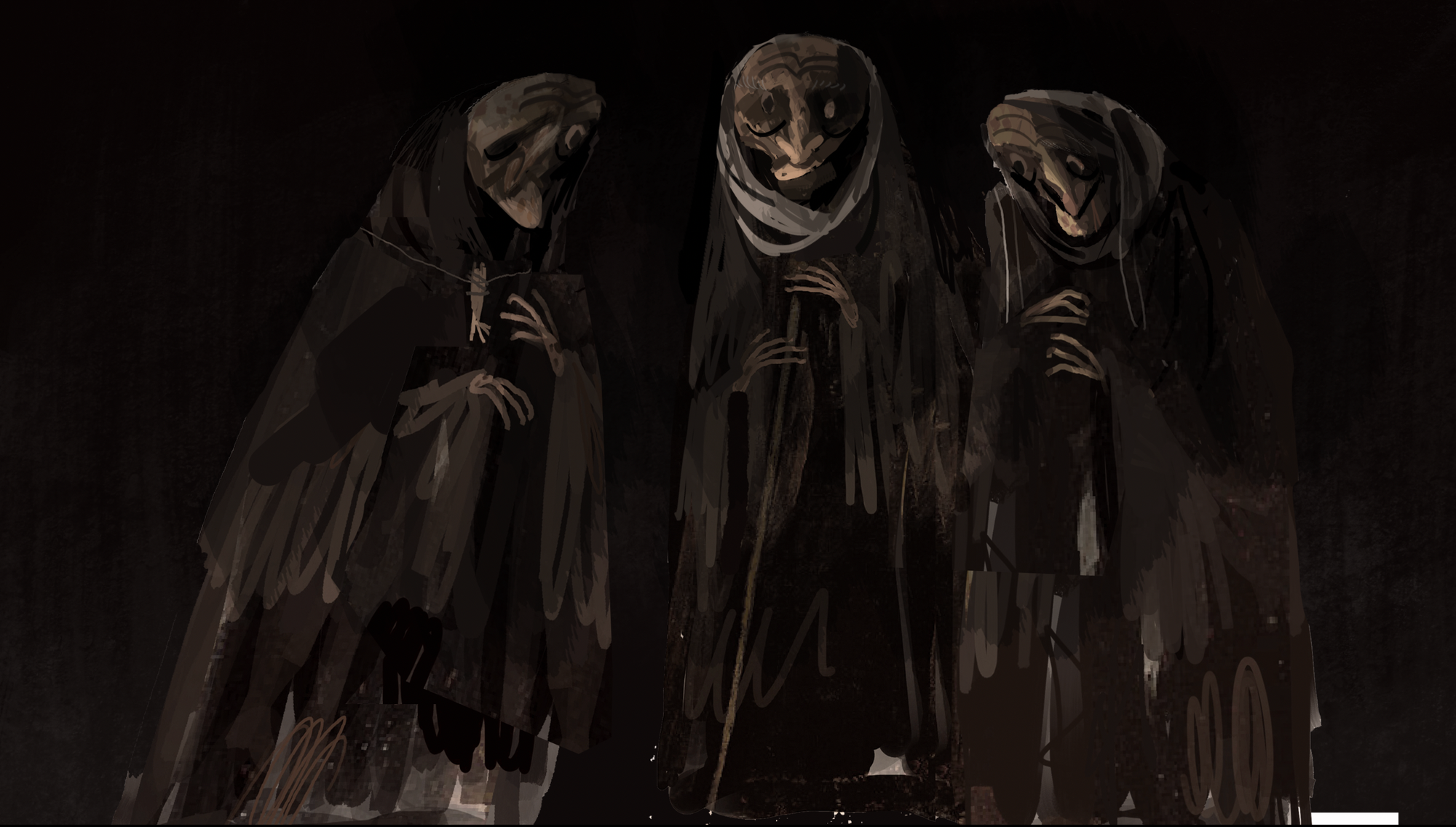
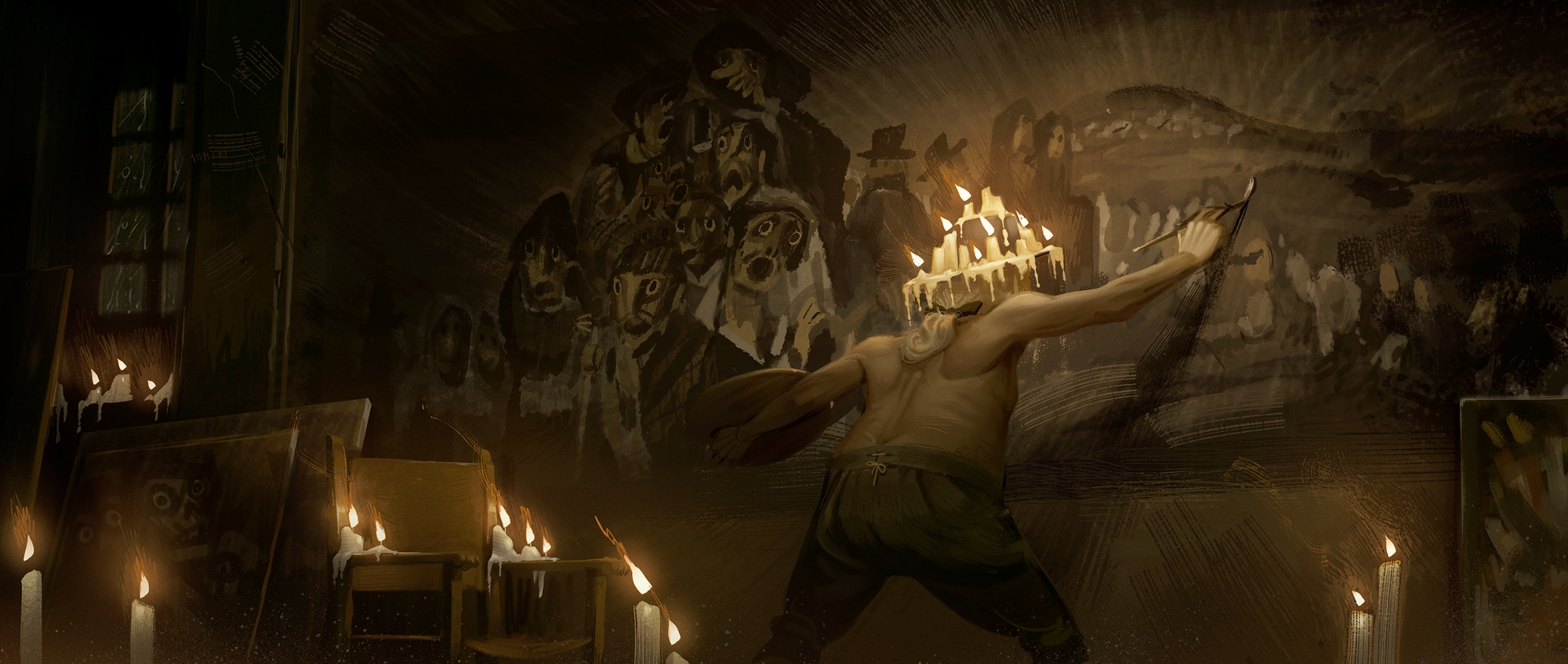
Francisco de Goya is a fascinating character. From his life to his career, everything about him is mysterious, surprising and relevant. I had been looking for a subject to make a horror film about for a long time. I am very committed to bringing more genre filmmaking into animation and it seemed like the perfect timing to make a horror film given its rise in popularity. When I started reading more into this era of Goya's life—the four years he spent isolated in his country house—I began imagining it as a gothic story; a man isolated, contemplating death, haunted by the ghosts of his past, and the only way out? To paint!
What surprised you most about the filmmaking process this time?
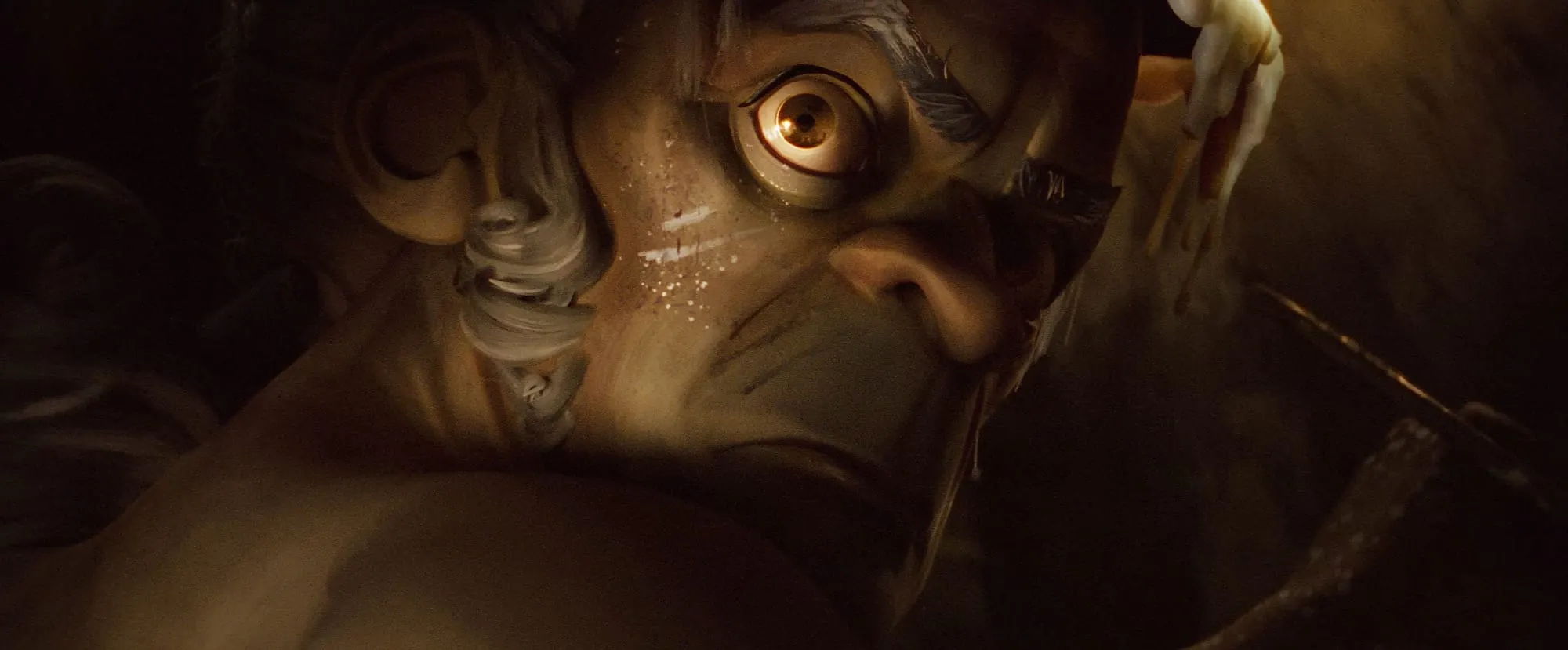
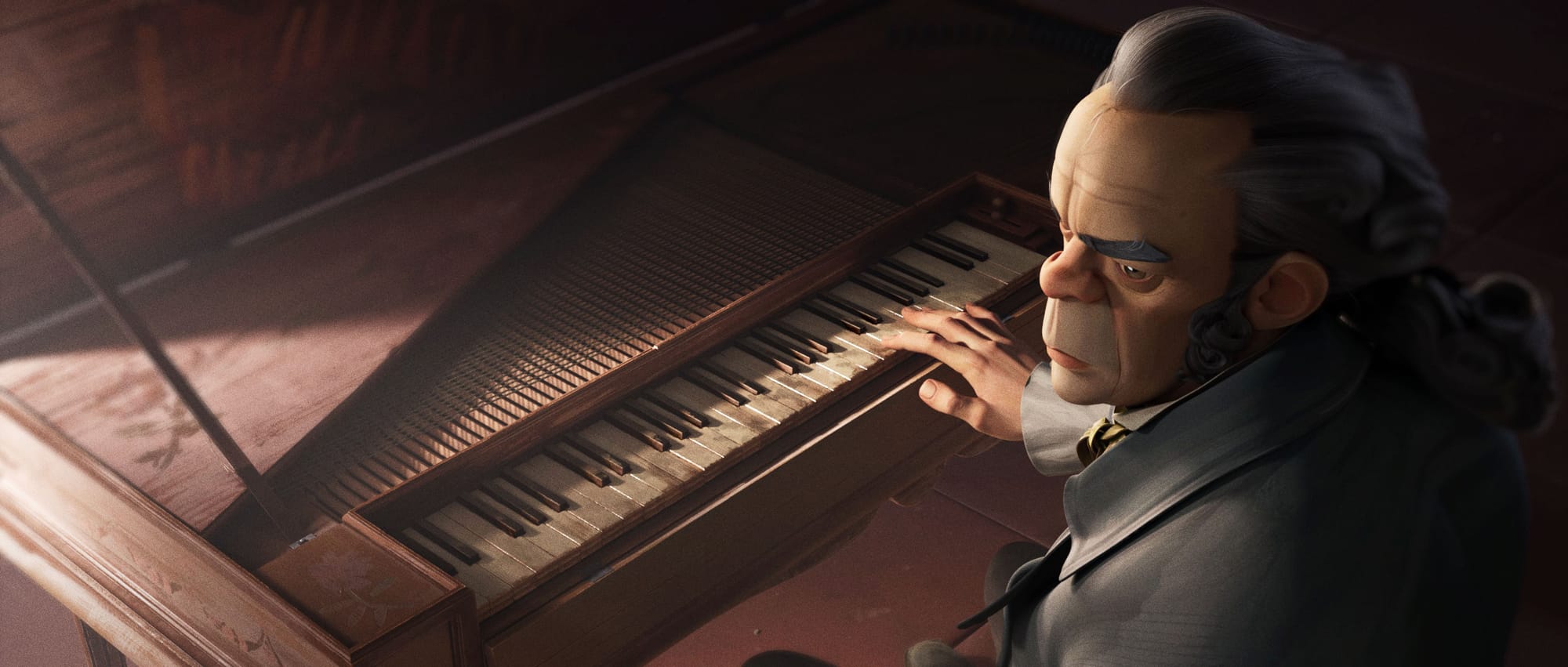
This film is defined by its quietness as much as by its visual impact. Learning to control the pacing and tempo of the film was a hard thing. We realized pretty fast that, in order to empathize with the main character, we needed to master how to control his eyes and allow time for the audience to breathe with him and inhabit the space with him.
Is there a moment in the film that feels the most you?
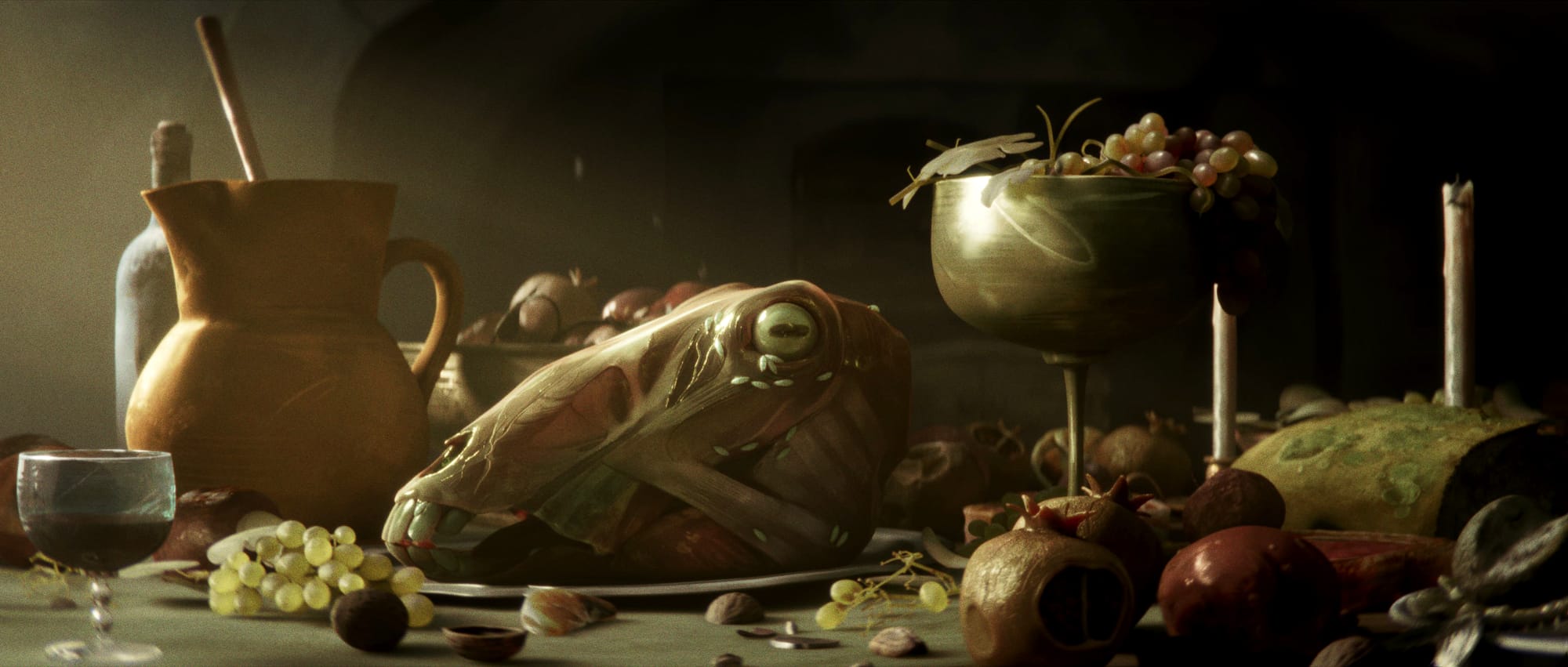
Well, The Quinta's Ghost is an incredibly Spanish short film, not just because of the subject matter, but I think a lot of the sensibilities are very Spanish as well. It's hard to point to a specific thing, but the scene with the bull is probably something we could have only made, and would have only made sense to make, in Spain.
What was the hardest creative decision you made while making this film?
Early on, when we were still developing the film, we had long discussions about how we were going to address the audience. We thought that the only way was with a voice-over by Goya himself, but we had a feeling that might become redundant and somewhat confusing. Eventually, we came up with the idea of having the house itself be the witness and teller of the story, shifting the focus of the protagonist from Goya to the house. That proved to be the right choice, but it was a bit of a leap of faith.
Insights into Filmmaking
What do you hope audiences take away from your film?
I hope that people empathize with [Goya] and gain a new understanding of what it takes to make art. Every painting you have seen has a story behind it and an artist behind it. An artist with a pathos, a life, regrets, pains, joys—a myriad of feelings and vicissitudes that make them unique, and make their art unique.
How has this film shaped or shifted the kind of stories you want to tell next?
If anything, the reception that this film is getting is emboldening me to keep taking risks and tell stories independently. I want to keep pushing for genre to become more common in animation, as well as talking about subjects that represent bold ideas and allow for a healthy discourse around film and culture.
What’s a tool, technique, or resource that really helped you during production?
We are talking about animation, and I know this might sound trite, but there is little that can replace the power and effectiveness of a pencil and a piece of paper. Preparation is the key to a clear vision and effective storytelling, and this film, in particular, has been pretty much solved one frame at a time by a pencil and paper.
On the Power of Independent Filmmaking
What do you think is the greatest strength of independent filmmaking?
The best and the worst part of making an independent film is that you have no money. The worst part is obvious, but the best part might be harder to see. Exercising your creative freedom is the biggest flex you can do as an independent filmmaker; you have no one to answer to, you have nothing to lose. That, is a gift.
Anticipation for HollyShorts
What does it mean to you to have your film selected for HollyShorts?
It means the world, to be honest. Making a film is one thing, but finding an audience for your film is equally difficult. Being able to showcase our film in a festival as big as HollyShorts is amazing, especially given the fact that it's showing at the Chinese Theater.
How do you hope being part of HollyShorts will shape the life of this film?
I hope it helps the word of mouth, especially in a town like Los Angeles. I hope it opens an interesting discussion about the potential of animation and the way audiences respond to it.