Table of Contents
Three Key Takeaways
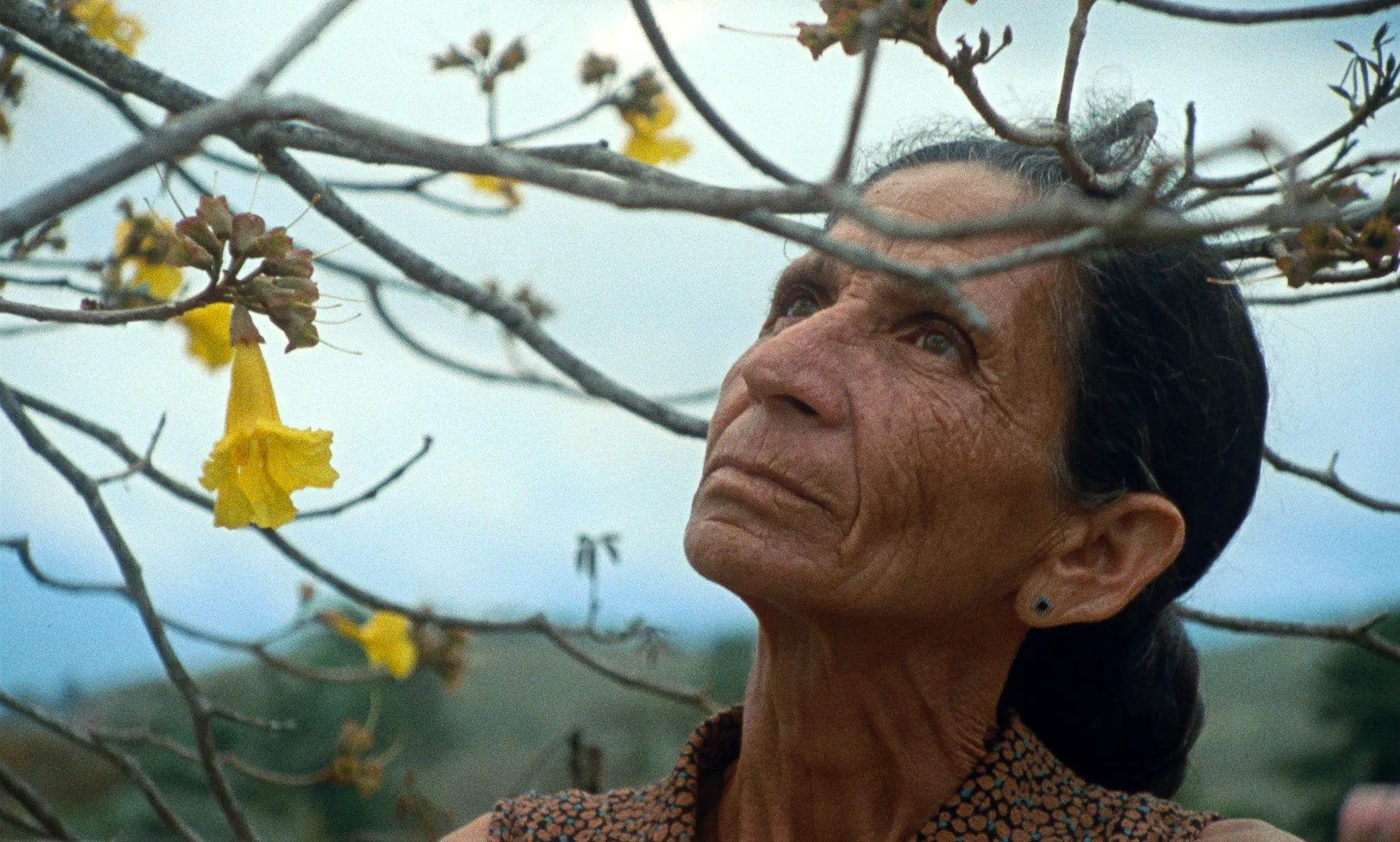
- Pasta Negra offers a close-up look at a Venezuelan family's emotions amid a national crisis. The film is a tribute to the sacrifices of grandmothers, mothers, and women who have given up everything.
- Working with non-professional actors requires teaching them to connect with their emotions on camera. Jorge Thielen Armand finds these casting decisions crucial, as they are "already half the work."
- Independent filmmaking allows for cross-cultural collaboration and diverse perspectives. This project saw Thielen Armand collaborate with new international team members to enrich the storytelling.
Jorge Thielen Armand, a Venezuelan-Canadian filmmaker, brings his latest short film, Pasta Negra, to this year's prestigious HollyShorts Film Festival. Known for his feature films La Soledad and La Fortaleza, Thielen Armand continues to explore stories rooted in Venezuelan experiences. With a dedicated team including writers Mo Scarpelli, cinematographer Simone D’Arcangelo, and producers Stefano Centini, Felipe Guerrero, and Rodrigo Michelangeli, Pasta Negra offers a poignant exploration of family and survival amid the Venezuelan crisis.


On the story and its timing
The Venezuelan crisis has been causing ravages for over 25 years now, and I think it has reached a tipping point after the disputed election in July of 2024. Eight million people, or a third of the population, have left the country.
This massive exodus has reached the political stage of many countries, particularly in the United States, where xenophobia is on the rise. Yet the Venezuelan catastrophe is still widely misunderstood. While Pasta Negra isn't intended to explain the crisis, it is a closeup look at one particular family and their emotions in the midst of surviving through the crisis. I think such closeness is necessary right now.

On the challenges of shooting on film
We shot on 16mm film and had seven cans of 400ft, or about 70 minutes of film. I could do an average of 3 takes per shot. This process helped me be precise but ultimately forced me to change my process of working with actors, which was the main challenge. I shot my features La Soledad and La Fortaleza in digital, and I utilized the digital format to get the best possible performances from my non-actors.
This time around, I had to rehearse a lot because there was choreography involved, the video-monitoring was basically non-existent, and we had to be very economical with our film stock.

Shooting in unfamiliar territory
We shot the film in and around the city of Cali, Colombia. Shooting at the border was not possible due to security and budget concerns. This was my first time directing a project outside of my native country of Venezuela. It was my first time using real spaces to convey the sense of a totally different space. We had to find Venezuela in Colombia, and live with some things that were different. This meant a big change for me, because my features La Soledad and La Fortaleza were both so personal.
On emotional connections with non-professional actors
The protagonists were women who had never acted before. But they were special. Not only for their looks but also because of their sensibilities and connection to one another. In working with non-professional actors, these casting decisions are already half the work.
"At the core of all my work is a desire to capture and save images, but, at the same time, I understand it as a mirror for the audience to see themselves reflected."

On the independent filmmaking process
The film is a collaboration between several countries. This is how I always work because funding in Venezuela hasn’t been available for over a decade. Going back to the short format gave me an opportunity to work with different people, spaces, and material.
For more details on the project's talented team, visit the their IMDB page.