Table of Contents
Three Key Takeaways
- Kyle Sykes’ film is a personal tribute to his grandfather, Doc Sykes, intertwining family history with the legacy of the Negro Leagues.
- The film’s production overcame major challenges through innovative technology like virtual production and a dynamic, adaptable crew.
- Negro League Nights aims to spark conversations about race, resilience, and legacy, with plans to expand into a feature-length film.
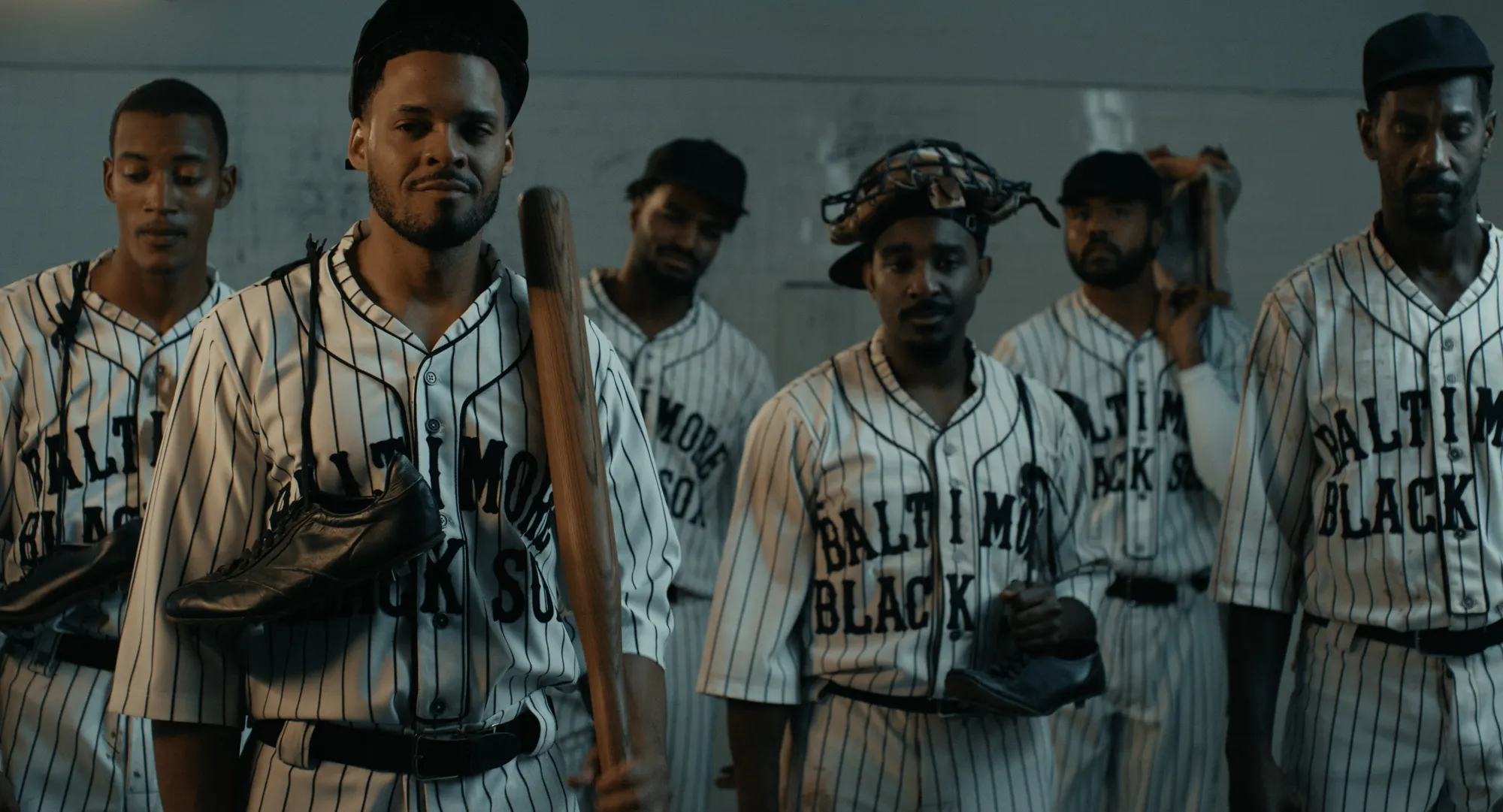
Award-winning director Kyle Sykes brings his deeply personal short film, Negro League Nights, to the HollyShorts Film Festival. The film features a talented cast, including Deric Augustine, Norman Towns, Jordan L. Jones, and Cj Pierre, and draws on the rich history of the Negro Leagues to tell a story that merges sports with activism. With a background in both commercial and narrative filmmaking, Sykes is dedicated to exploring themes of legacy and racial justice.

On the inspiration for Negro League Nights
This story is deeply personal—and grounded in history. We’ve seen films like "42," but we haven’t had a major feature centered on the Negro Leagues in nearly two decades. There’s a rich, untapped legacy there—stories of excellence, resistance, and dignity in the face of systemic injustice—that deserves to be told with the depth and humanity it warrants. My grandfather, Doc Sykes, played professional baseball to put himself through dental school and later testified in the Scottsboro Trial. His life straddled two worlds—athletics and activism—and his story has always stayed with me.

On the challenges faced during production
One of the biggest logistical challenges was finding historically accurate locations in Los Angeles. As a relatively young city, LA doesn’t have many preserved spaces that resemble the 1920s, so we had to get creative—repurposing existing locations and relying heavily on production design to sell the period. Creatively, I was surprised by how the casting process unfolded. Because we were working with a very talented director, Ryan Maharaj, most of the actors we approached were “offer only,” which meant we weren’t holding traditional auditions.
"Ultimately, I hope the film serves as both a reminder of what previous generations overcame and an inspiration for the next."

On a pivotal creative decision
The hardest creative decision I faced was whether to scrap our opening scene entirely or find a new way to shoot it after months of weather-related production delays. We pivoted to a new approach: we shot the scene indoors using an LED volume wall and Unreal Engine to recreate Yankee Stadium in the 1920s through virtual production. It was a huge technical and creative shift, but we committed fully. The final scene looked and felt like a real game, and we were able to maintain the emotional impact we’d envisioned from the start.

On the film's impact and future plans
I hope audiences walk away with a deeper understanding of how far we’ve come—and how much further we have to go. This film highlights some of the greatest baseball players to ever play the game, legends like Josh Gibson. We’re planning to expand this film into a full-length feature to dive deeper into the story and its historical significance. Meanwhile, we’re submitting to more festivals to build momentum and connect with audiences.
"Independent filmmakers are often forced to innovate, problem-solve creatively, and build deeply collaborative teams that share a passion and vision."

Kyle Sykes' director bio and filmography highlight his dedication to storytelling that uplifts the Black Diaspora, further underscored by his fellowship with the Deutsche Bank Frieze Los Angeles Film Award and contributions to various film festivals. Discover more about Kyle Sykes on his website and follow Negro League Nights on Instagram.