Table of Contents
For those looking to dive head first into the New Queer Cinema Movement of 1990's America, no filmmaker offers a better starting point than Gregg Araki.
Born in 1959 to Japanese American parents, Araki grew up in Southern California surrounded by cinema and alternative culture. He studied film at UC Santa Barbara and USC, developing his craft in an academic setting while also writing and directing numerous short films during his free time.
Araki made his feature-length debut in 1987 with the release of Three Bewildered People in the Night. Shot on a budget of only five-thousand dollars, the micro budget film allowed the director to secure greater funds for his following projects.
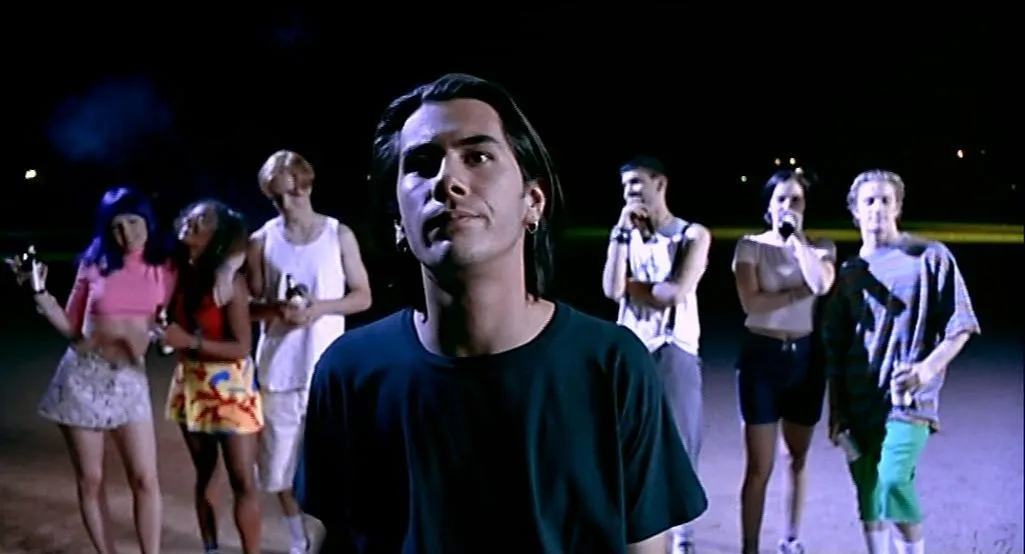
His fourth feature, Totally F***ed Up, is often considered the best jumping off point for those looking to explore Araki's body of work. The 1993 film exemplifies the alternative appeal of his previous films (particularly 1992's The Living End) while also establishing many of the stylistic flourishes which would come to define Araki's filmography – vibrant visuals, actor James Duval in the leading role, and an unforgettable title card which labels the work as "Another Homo Movie by Gregg Araki."
Totally F***ed Up takes shape as a collection of fifteen vignettes (likely inspired by the works of Jean-Luc Godard) in which the lives of six queer teenagers intersect in a litany of hilarious and tragic ways. The film's attitude is quite ironic from the outset, but a deeply upsetting meditation on abuse and the AIDS epidemic hides underneath its caustic facade.
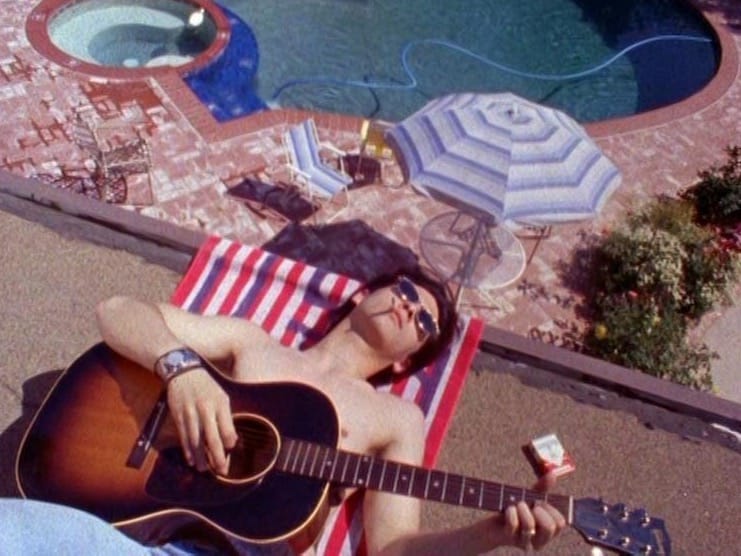
Following the successful premiere of Totally F***cked Up at the 1993 Sundance Film Festival, Araki quickly secured funding to begin production on a new project. Armed with eight-hundred thousand dollars and a professional crew, the young filmmaker took to the streets of Los Angeles to shoot The Doom Generation.
The film follows a trio of troubled teens that engage in a variety of violent and sexual acts, ultimately culminating in one of Araki's most unforgettable finales. The Doom Generation served as a spiritual successor to Totally F***ed Up, billed as "A Heterosexual Movie by Gregg Araki" and serving as the second installment in the Teenage Apocalypse trilogy. Though the film performed poorly with both audiences and critics at the time of its release, contemporary film lovers often consider it to be one of Araki's most stylish and politically charged works.
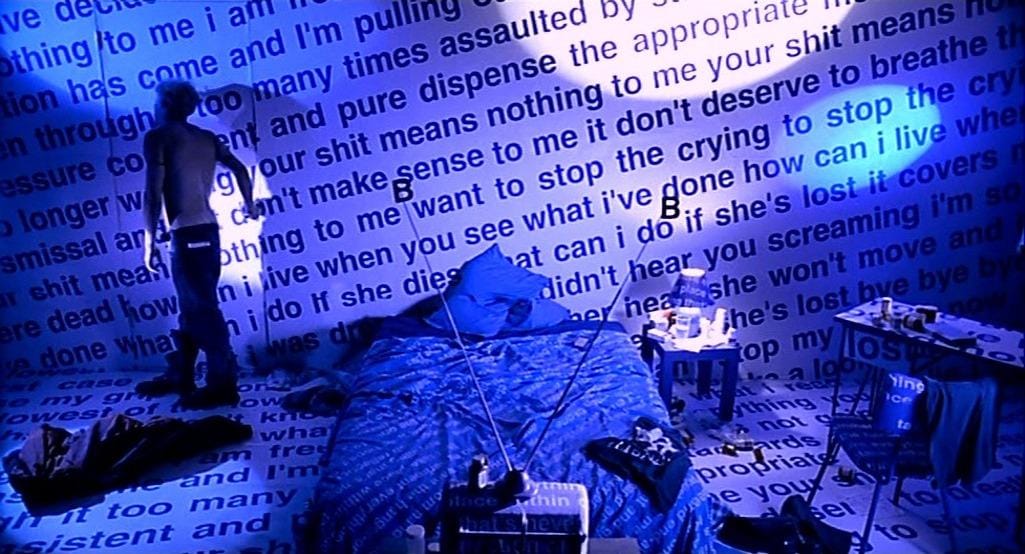
Another two years of hard work led to the release of Nowhere in 1997 – the third and final entry of Araki's Teenage Apocalypse trilogy. Though primarily populated by much of Araki's usual cast, the film's ensemble is rounded out by a slew of teen stars who would go on to define the blockbuster cinema of the early 2000's (Denise Richards, Ryan Phillipe, Kathleen Robertson, and more).
Like many of the previously discussed films, Nowhere follows a group of Los Angeles twenty-somethings through a series of hyper-violent and sexual encounters. The film stands apart from its predecessors due to its strong visuals and inclusion of soft sci-fi elements, leading many fans to cite the picture as the absolute strongest of Araki's early career works.
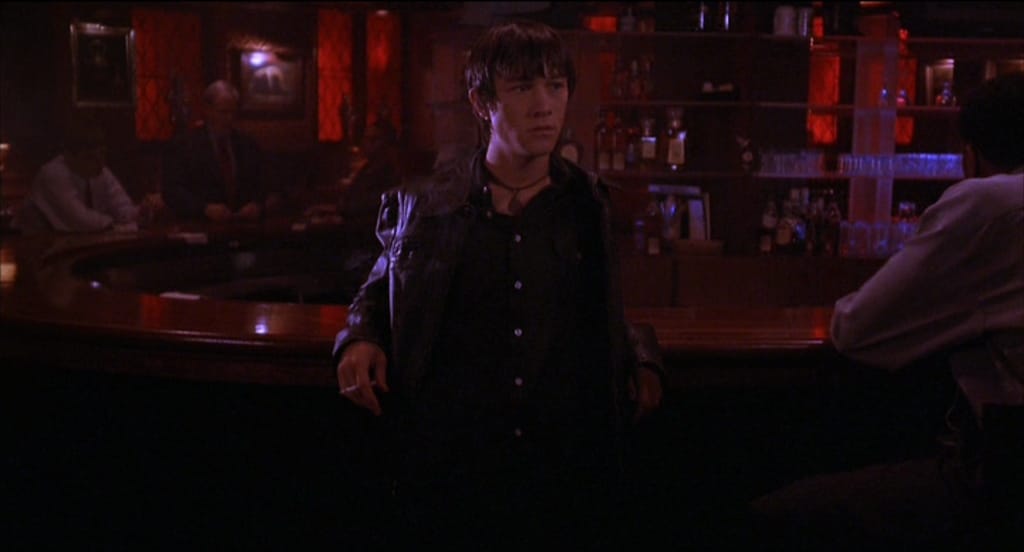
Araki reached his highest level of mainstream recognition in 2004 with the release of Mysterious Skin. The film stars Joseph Gordon-Levitt and Brady Corbet in leading roles, playing two troubled young men whose lives have been forever changed by their memory of a traumatic childhood event. The film grossed over two-million dollars at the domestic box office and received endless praise from critics and audiences alike. If Mysterious Skin had not received a NC-17 rating from the MPAA due to its sexual contents, it would have likely achieved even greater success within the Hollywood zeitgeist.
Regardless, the film's modest popularity provided Araki with more resources and methods of distribution. His next three films – Smiley Face, Kaboom, and White Bird in a Blizzard – featured higher budgets and well-known actors, finally allowing for film's with Araki's name attached to be marketed to traditional audiences. Unfortunately, Araki's turn towards mainstream cinematic sensibilities was met with disdain from critics and fans alike. The complete failure of White Bird in a Blizzard and Now Apocalypse (a short lived television program created by Araki for Starz Network) led to the queer filmmaker being placed in "director's jail" for several years.
Not all hope is lost however, as Gregg Araki's comeback tour is already in progress. I Want Your Sex will be the Japanese-American director's first feature film to be released in over a decade. The erotic comedy, starring Cooper Hoffman and Olivia Wilde in leading roles, is set to debut in theaters later this year.