Table of Contents
Three Key Takeaways
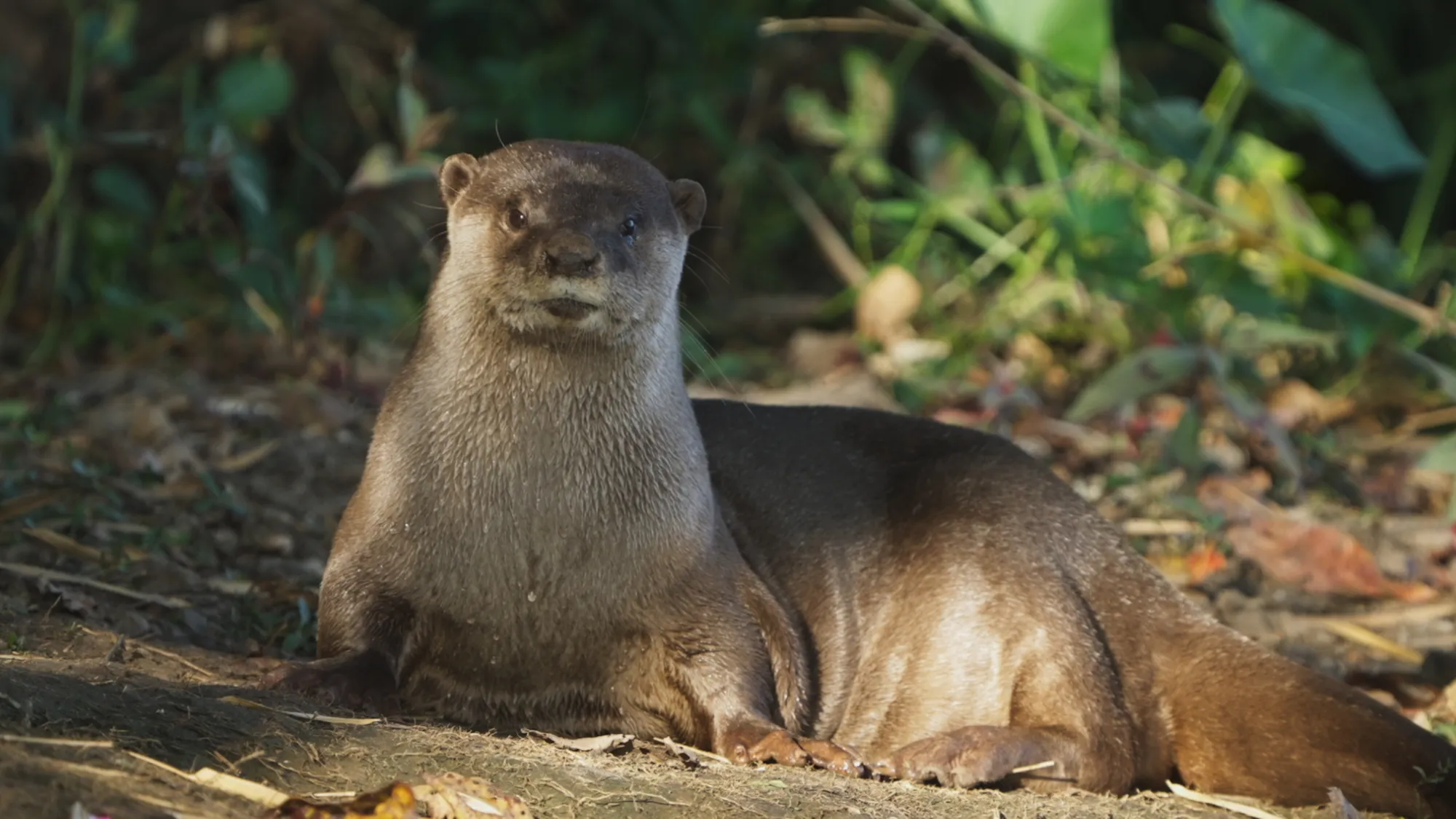
- A rare glimpse into India’s elusive smooth-coated otters reveals a poignant human-wildlife coexistence story.
- Years of patient observation and innovative underwater filming techniques capture intimate otter behaviours and river realities.
- The film sparks vital conversations about water, conservation, and the pressing conflicts faced by both otters and fishermen amid environmental change.
National Geographic Explorer and wildlife filmmaker Sugandhi Gadadhar brings viewers close to the secretive lives of smooth-coated otters in her documentary My Otter Diary, selected for the Blue Water Film Festival.
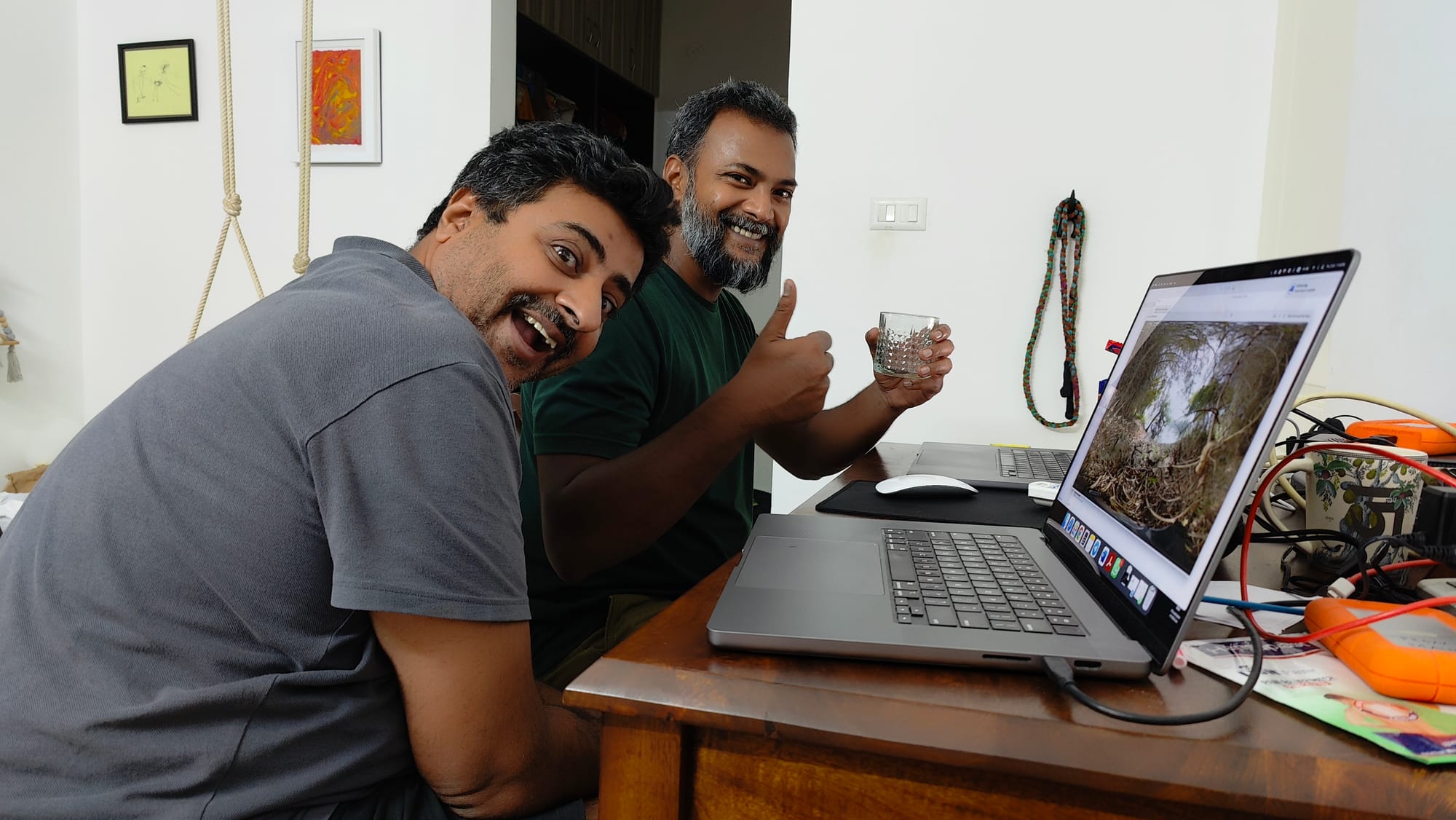
Alongside producer and DoP Raghunath “Rana” Belur and editor Joseph “Joe” Raja K, Sugandhi crafts a touching narrative that explores the complex relationship between otters, fishermen, and a rapidly changing river ecosystem in India.
With a score by Emmy-winning composer Brollyman, the film blends science, story, and environmental urgency.

Q&A Interview
What drew you to make this film? Why this story, and why now?
Smooth-coated otters are extremely shy and elusive—so much so that the challenge of getting just to see them made the experience more exciting. They have adapted beautifully to a hostile environment. But how have they done that? We wanted to observe and understand their behaviour, scientifically, and know what makes them tick.
For any conservation, it is essential to foster love for the species or the landscape. But here, we had a unique case - where most people don't know we have otters in India. When I mention otters to someone in the UK or the US, they are surprised to learn that we have otters in India. Most Indians who are not exposed to wildlife have no clue that we have otters here. So, if we don't know what we have, how can we protect it? If we can't protect it, how can we conserve it?
Through the film, we want to raise awareness of otters and foster love for the species, which in turn leads to their conservation.
I want My Otter Diary to spark conversations about otters, fishermen's livelihoods, and the extent of our abuse of the Cauvery River. The same story is unfolding in every river in our country. Otters and humans have lived together for centuries, and the fact that this conflict is happening now calls on us to begin conversations about why.
What surprised you most about the filmmaking process this time—creatively or logistically? Was there a moment on set or in post that completely changed how you saw the story?
Filming natural history is always challenging, because neither wildlife nor the weather is easily predictable. We began with big tele lenses and trail cameras. But we were working in a highly disturbed landscape. The otters were constantly forced out of their dens for various reasons, primarily due to human activity, and we were continually searching for them.
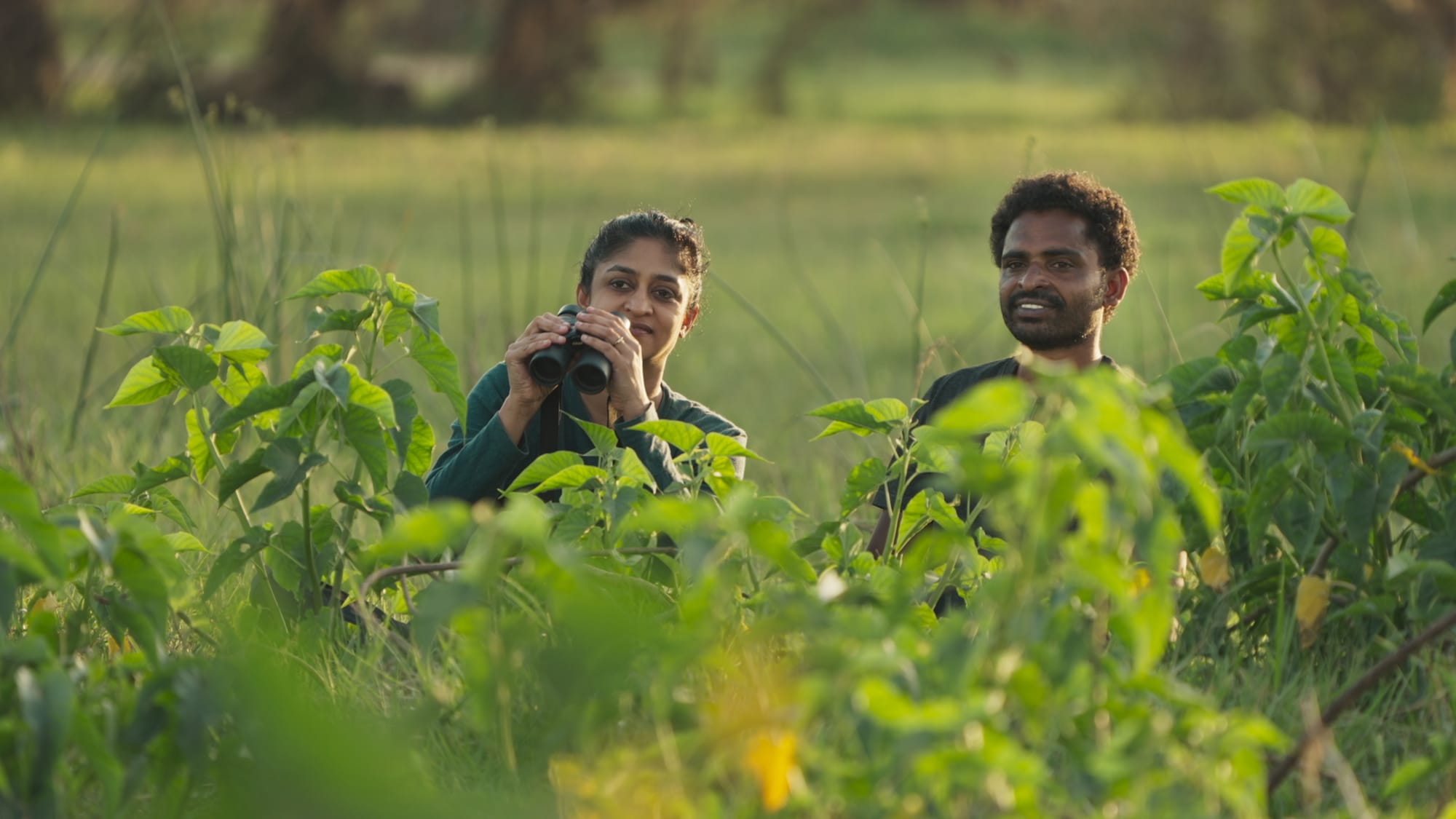
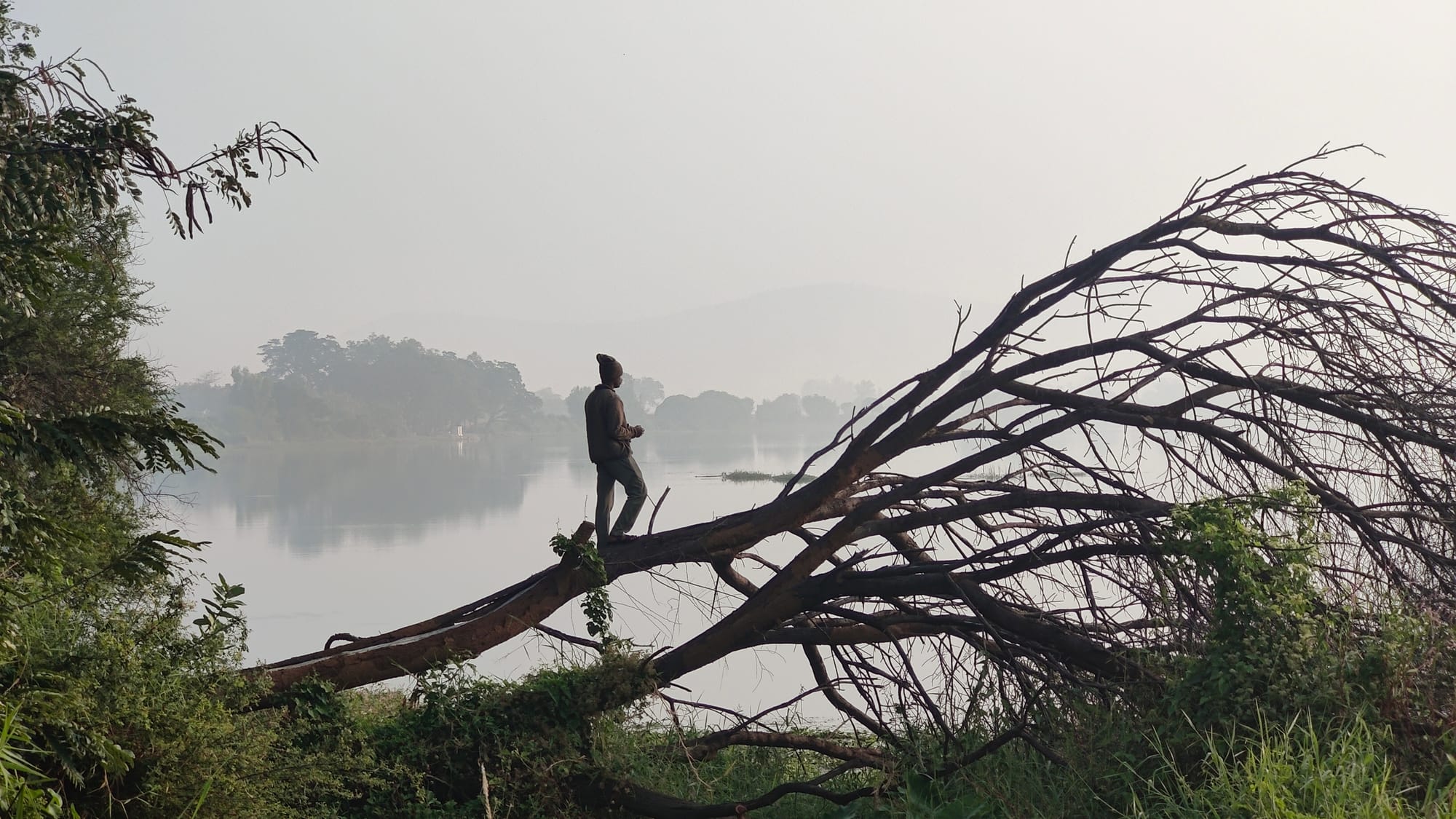
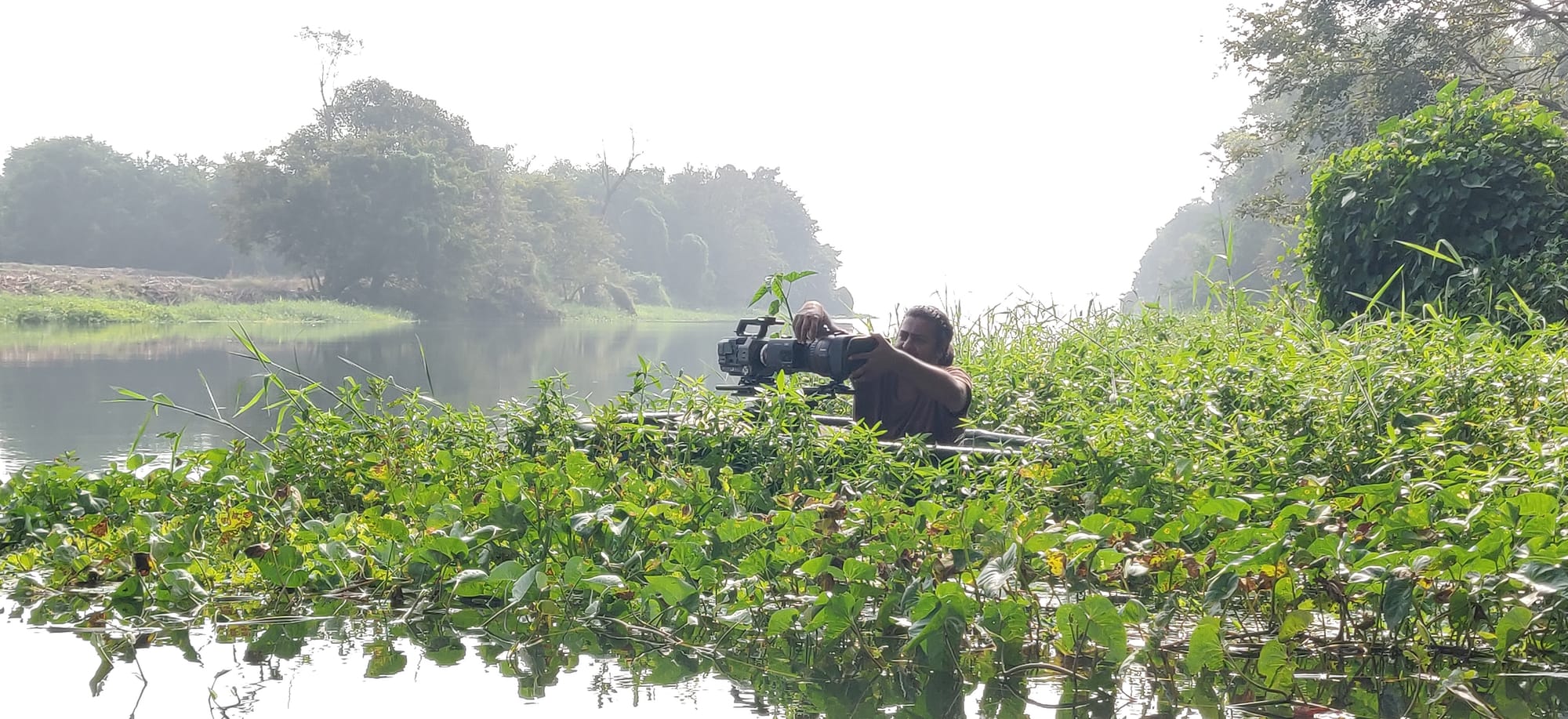
The flowing river and strong winds on the open water also made it impossible for us to film from a boat. So we would always have to film them from the opposite bank or find an island to sit on. When the river got too wide, it made it more difficult to film them. Rana and I would observe the family for hours and days to understand their movement patterns.
If filming above water was hard, getting underwater shots of otters in the wild was harder. The waters were always murky, and we had to find the few days in a year when the water was slightly clear to film, and make the most of them. We then had to devise a method to remotely trigger cameras underwater. This was a case of hit-and-miss - or Murphy’s law - when the underwater cable worked, the otter would swim behind the camera, and when the otter obliged, the cable would stop working! But in the end, everything was worth the wait and the challenges because the underwater footage we got was so amazing.
Is there a moment in the film that feels the most you—something only you could have made?
The entire story called for patience - not days, but years of waiting and observing a species that is very shy and elusive. We have had researchers in our audience telling us that they wish their students spent time like this in the field, observing and gathering data. It is challenging to highlight one moment. But I think Maya’s strategy with the decoy den - that was something only our team could film because we spent hours, months and years with these otters, understanding every one in that family.
What was the hardest creative decision you made while making this film?
The otter family faced many challenges and setbacks. It was a tough time during the edit, deciding which ones could make it into the final film while keeping both the duration constraints and our audience in mind.
"If we don't know what we have, how can we protect it? If we can't protect it, how can we conserve it?"
What do you hope audiences take away from your film?
While this story is from my point of view, it is really a river’s story, told from the otter’s and the fishermen's perspectives. Water is the key to all life - and if we continue to abuse our sources of water, conflicts are bound to rise. Today, the otters and fishermen are the ones fighting; tomorrow, we humans will be fighting amongst ourselves for the waters of the Cauvery, and it happens almost every summer between different states in southern India. I want our film to make us think not just about otters and fishermen, but about what binds us all together - water.
How has this film shaped or shifted the kind of stories you want to tell next?
I am a person who is unabashedly biased towards wildlife and the environment. But as we spent more time in the field, we came to understand the conflicts faced by people living alongside wildlife. It is easy to speak on behalf of either side of the coin when detached from the environment, but human-wildlife conflict is always a very sensitive, complex issue. There have always been two strong sides of activism or support – one for wildlife, one for human (or socio-economic) issues. This film has taken me along the first few steps of telling a story with a balanced view. Whether the audience feels for the otters, the fishermen, or the river, it’s a win to at least get them thinking.
What’s a tool, technique, or resource that really helped you during production?
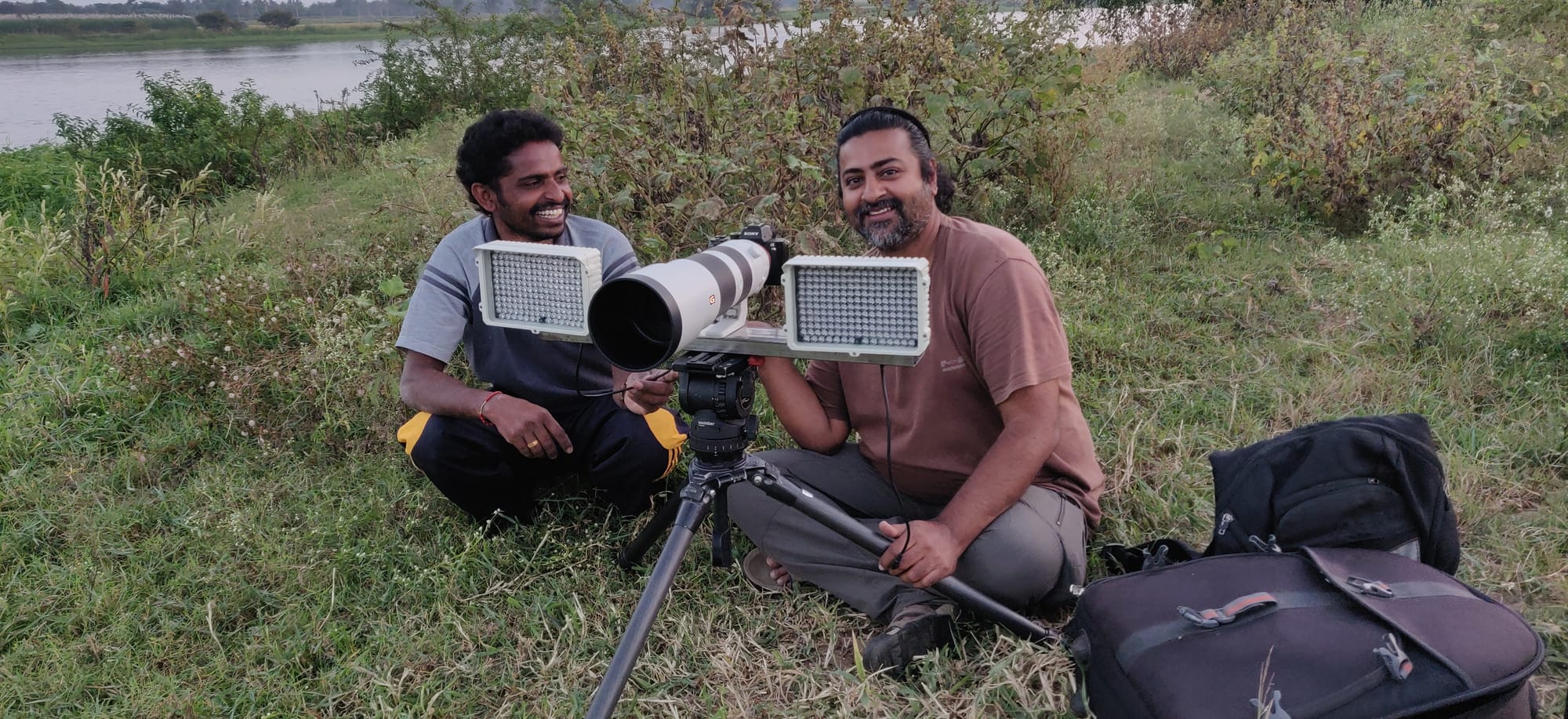
Filming animals is hard; filming elusive animals is harder; filming elusive animals in a human-dominated landscape where they are wary of humans is extremely difficult. To get close to these animals and understand their behaviour, we tried using DSLR camera traps, but the otters didn't like them. We quickly figured out they were ok with trail cams and GoPros, so we adapted and switched to these to get intimate shots of the animals playing, caring, and strategising. Filming these animals underwater was a must for us. Getting their movements and their acts of stealing were a deal-breaker. We couldn't swim with them with an underwater rig as they were shy, so we tried GoPros. They were okay with it, but these cameras lasted less than an hour. So we had to devise a cable that would let us control the GoPro underwater remotely. So one person would hide close by while the other would be on lookout and radio in an approaching otter so we could turn on the camera. With this, we could make the GoPro last an entire day.
Independent filmmakers often rewrite the rules out of necessity. What do you think is the greatest strength of independent filmmaking, and how did you lean into that on this project?
Rana and I wanted to tell the story of otters in the wild, from India. Apart from our own families, the only family we know intimately is Maya’s (our protagonist otter). When we pitched this film and story, everyone said they loved otters but weren’t ready to fund a movie on otters. We didn’t give up – we believed in the story and its cause. We put a lot of our savings into this passion project and delivered it. And otter love is pouring in. We have children discussing otters, pollution and co-existence – can we ask for anything more? We wanted this to start conversations, and it has.
"The entire story called for patience - not days, but years of waiting and observing a species that is very shy and elusive."
What does it mean to you to have your film selected for Blue Water Film Festival?
Our film is a homegrown story that blends scientifically observed animal behaviour with social issues faced by fishermen. There is pathos, but there is also wit and humour. The bigger picture is the plight of the river as seen through the eyes of otters and fishermen and the trials and tribulations they face, which is, in fact, a global issue. For our team, being selected at the Blue Water Film Festival (BWFF) means a lot, as this festival is committed to the preservation of the planet and its waters. BWFF is a festival that celebrates diversity, discusses sustainability, and actively engages with its audiences – all of which help give our film and our river-related issues a much-needed global platform and voice.
How do you hope being part of Blue Water Film Festival will shape the life of this film?
The Blue Water Film Festival team has been very supportive and encouraging, and they have curated panels and discussions that are timely and urgent. The selected films address a wide range of issues across marine and freshwater environments. My film explores a lesser-known species in India and a not so-easily-solved human-wildlife conflict, while addressing the threat to our rivers. With BWFF focusing on water, it will help elevate the message of our film.
Where do you see this film going next?
Along with the 52-minute broadcast version, we have already expanded the film into an 89-minute feature for NHK World Japan, and it was a fun learning journey! We have partnered with All3Media International, UK, which is helping take our film to various TV and/or streaming networks worldwide. We will be participating in more festivals and conducting more in-person screenings in India to get local people more involved in the field in our rivers. We are also working on a local-language version that we will take to rural schools and village communities along the river, so they too can be part of these conversations.
"I want our film to make us think not just about otters and fishermen, but about what binds us all together - water."

“At the core of all my work is a desire to conserve our wildlife, wild spaces and wetlands.”
Cast & Crew
- Brollyman — Emmy-winning composer who created the film’s evocative score.