Table of Contents
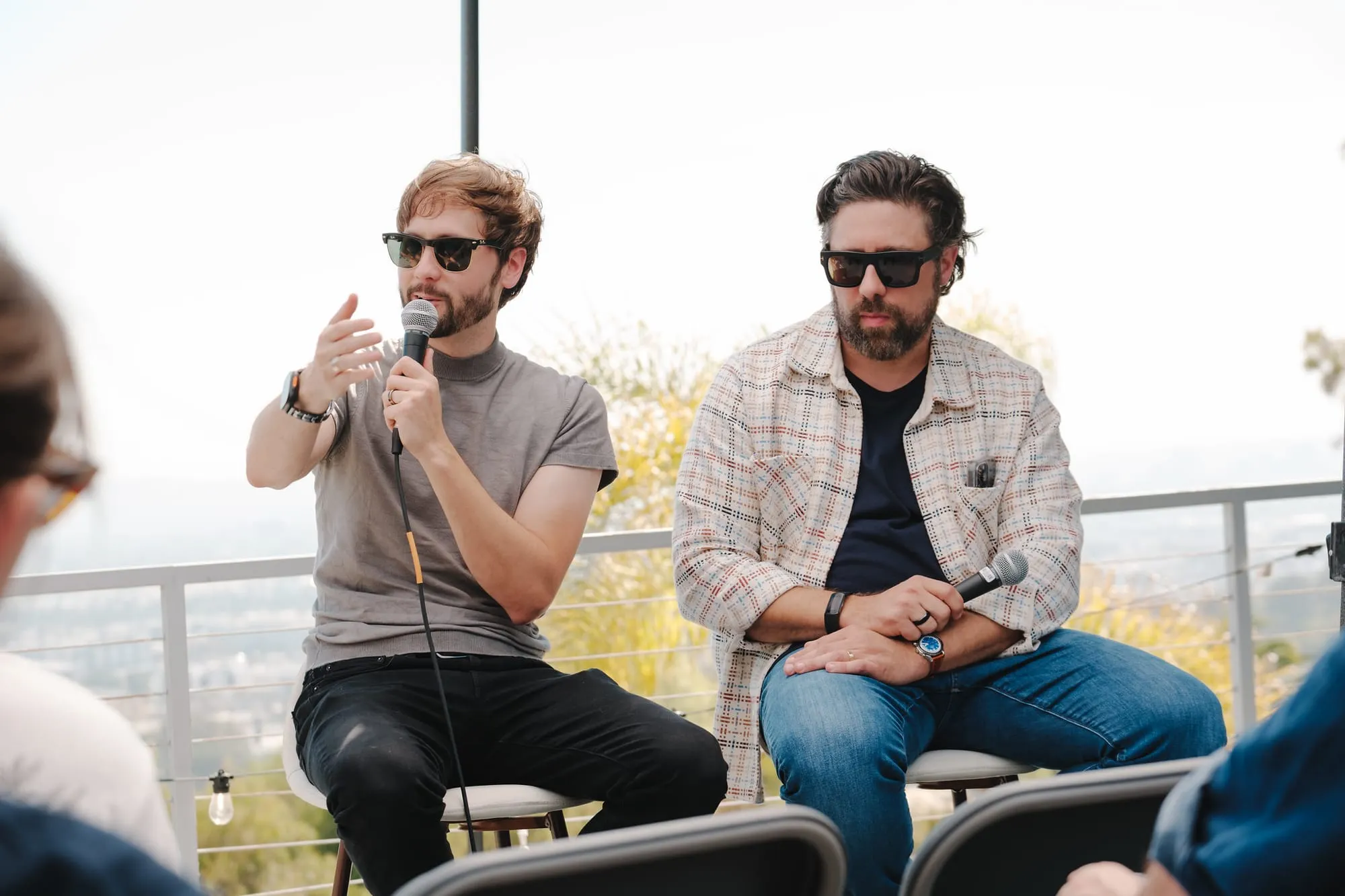
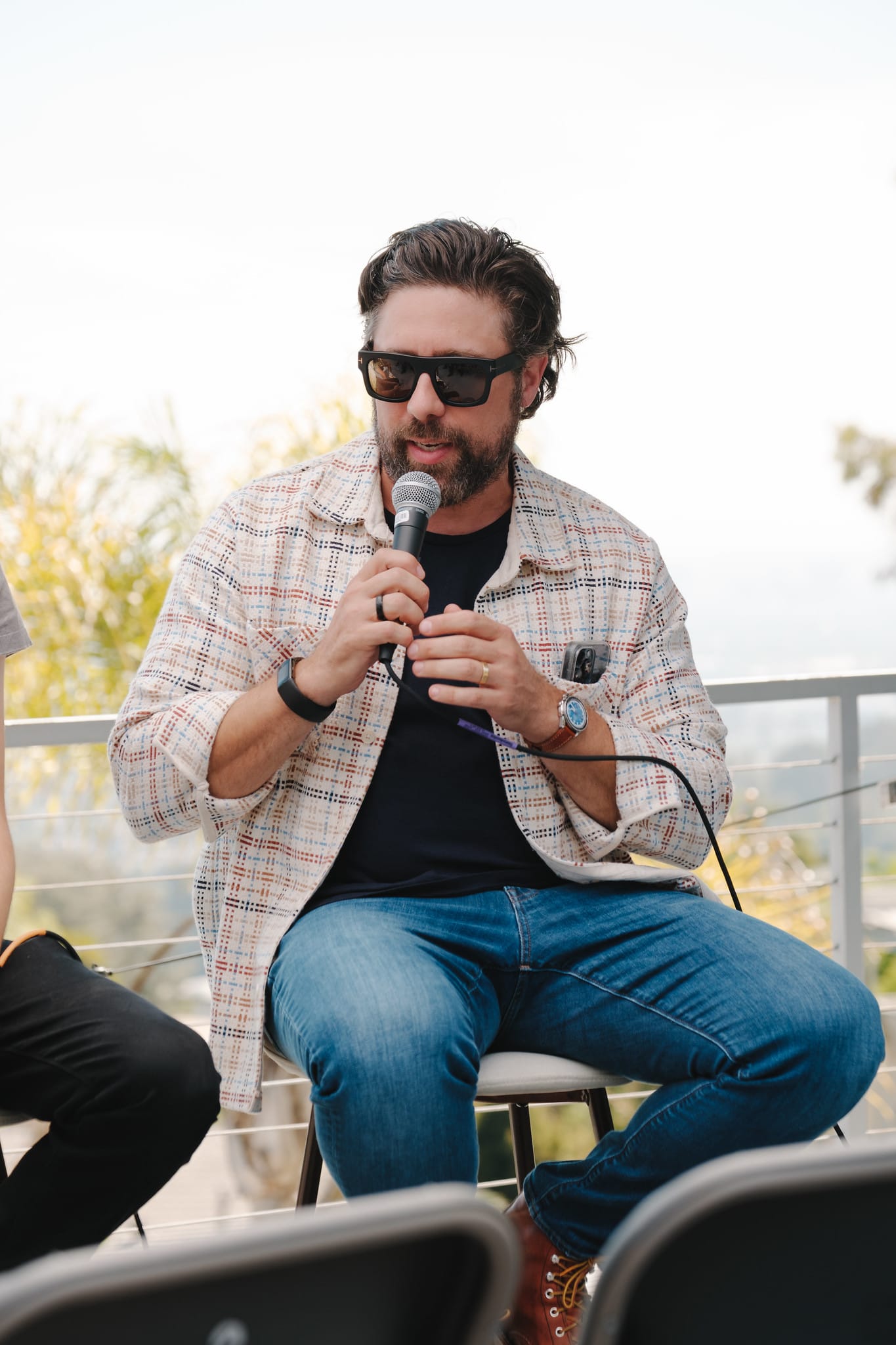
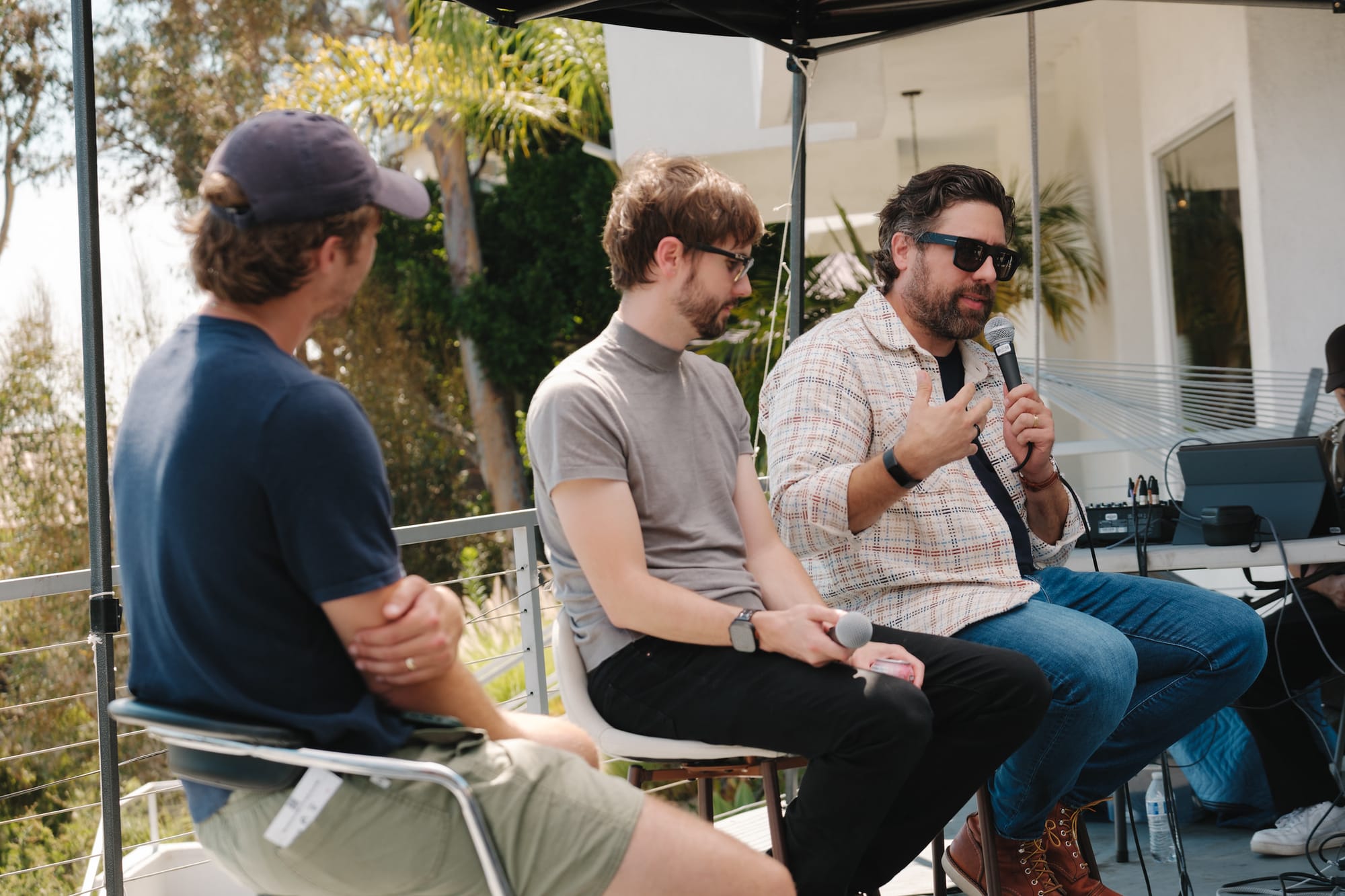
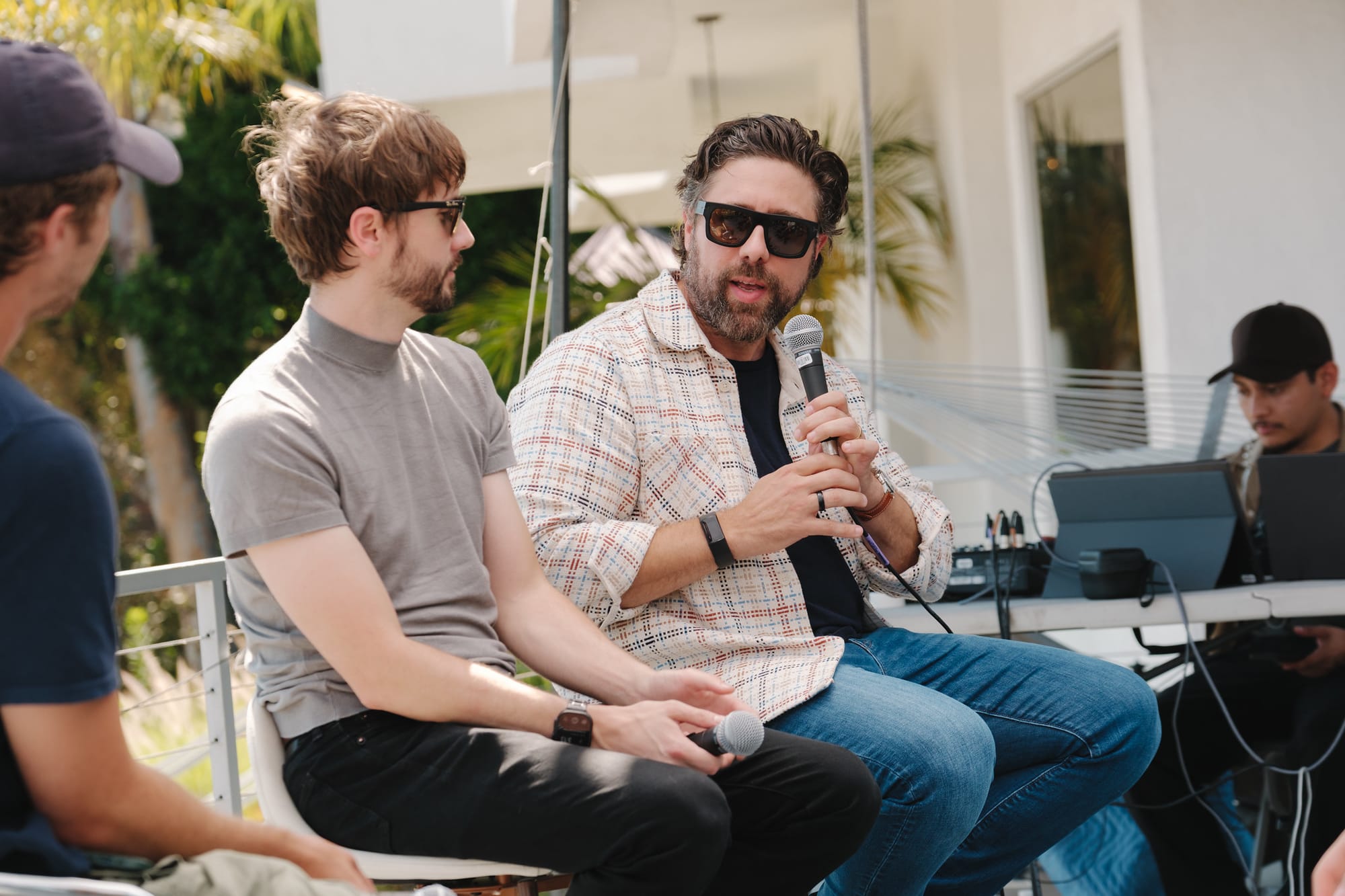
In “Scaling Post Production Workflow,” moderator Ryan Nielsen led a lively conversation with Ryan Turner (co-founder & head of post at Echo Bend) and Nathan Ruyle (founder of This Is Sound Design) on the realities of building post pipelines that actually work.
Rather than theory, the panel zeroed in on the choices filmmakers face every day—how to stretch budgets without sacrificing quality, plan realistically for picture and sound, keep communication clear with clients, and lean on modern software and AI to carve out more creative time.
Who Spoke And Why Their Perspective Matters
- Ryan Turner: Co‑founder and head of post at Echo Bend. Background: 12 years freelancing across music videos, commercials, features, documentaries, and branded content. Ryan emphasizes iterative editing, mentorship, and building a nimble post house that adapts tools and pipelines to projects
- Nathan Ruyle: Sound designer, re‑recording mixer, and supervising sound editor; owner of This Is Sound Design in Burbank. Nathan runs a turnkey sound facility (mix stages, 4,000 sq ft) and brings nearly 20 years of experience mixing indie and studio projects. He focuses on the intersection of creative (emotional/music) and technical (architecture/process) demands of sound.

Photos by Charlie Nguyen
Why Post And Sound Are Different Kinds of Craft
- Post as a puzzle and iterative craft: Ryan describes post as a place to “take something to the end” — editing is iterative, analytical, and testable. Performance (actor choices) is central; editing and sound help make those performances land with audiences.
- Sound as “the magic trick”: Nathan explains how synchronized sound shifts brain processing from analytical to experiential. Well‑designed sound (including many invisible elements like layered Foley) makes the viewer accept a crafted, heightened version of reality. That’s why sound can dramatically transform how a project feels — often after the director first experiences a mix.
“We’re not trying to make the perfect version of the movie in your mind. We’re trying to make the perfect version the audience will experience.” — Panel insight capturing the audience‑first approach to post and mix.
Practical Workflow Differences — Micro Budget to Studio
- Core idea: The creative work is similar, but what changes is time, staffing, and trust.
- Small budgets: You’re buying less time. Expect junior editors/assistants to carry more of the workload; prioritize mentorship to protect quality. Be explicit about tradeoffs.
- Medium budgets: Opportunity to balance speed and deeper creative passes. Break down the scope (editorial, VFX, color, Foley, ADR, mix) and offer tiered budget options so clients can see tradeoffs.
- Large/studio budgets: More time and resources for deep creative work and planning (for example, early coordination with composer and sound teams). More stakeholders means more versions and approvals — not always an improvement.
- Business rule: Avoid “blind” flat fees or opaque packages. Break work down into components (Foley hours, ADR, mix sessions, editorial passes, VFX, deliverables) so clients understand tradeoffs and you can protect your team.
Trust and Client Relationships
- Trust is earned through consistent delivery. Early jobs with a client may require extra time to prove reliability.
- When budgets are tight, set expectations: be transparent about what will be different (turnaround, polish level, number of passes) and offer clear options.
- If a client wants a fixed low fee with big scope, consider declining — it often creates a bad relationship and compromises the final work.
Sound-Specific Workflow & Decision Making
- Performance vs. technical fixes: Performance choices are primary. Post should solve for narrative and emotional clarity while using technical tools to support, not override, performance.
- Audience mindset in mix: Mix engineers and sound designers should approach work from a first‑time audience perspective (the “magic if”) rather than the director’s intimate knowledge of the shoot.
- Examples that illustrate sound’s power:
- Simple edits that look like wild visual transitions can be perceived as seamless with cleverly synchronized sound design.
- Layered, subtle effects in a mobility‑scooter chase transformed the scene into an effective car‑chase experience in the example discussed.
Budgets — What To Expect And How Much To Set Aside
Short answer: It’s variable. Common rough rules exist, but context matters:
- Historic sound rules of thumb: 1–2% of budget or $1M–$2M for post on larger productions; these break down at indie scales.
- Practical guidance for indies: aim to reserve a meaningful fraction for post — a common heuristic is to target ~10% as a starting point for post (editorial, sound, color, deliverables) on many projects, but adapt to your film’s needs (VFX, complex sound design, animated or effects‑heavy sequences require more).
Be sure to budget for:
- Dialogue cleanup and ADR
- Foley (the panelists consider Foley essential)
Sound editorial and mix sessions (studio time + mixer) - Color grading
- VFX and conform (if applicable)
- Marketing deliverables — trailers, social cutdowns, and different aspect ratios (often overlooked and costly)
Tip: Ask producers what production budget is — it helps you gauge sincerity and set realistic post proposals.
Tools And Software — What Matters Now
- Editing: Premiere, Avid, and DaVinci Resolve are commonly used; each has pros and cons. Resolve is notable for free accessibility and strong color tools; Premiere remains popular for editorial workflows.
- Color: DaVinci Resolve is the industry standard for color grading.
- Sound: Pro Tools is the core mixing hub, but sound work is plugin‑heavy. Expect many specialized tools and ongoing plugin updates.
- VFX: Nuke, Maya, After Effects, Blender, Unreal — pipelines vary widely depending on the studio or freelancer.
- AI and new tools: Rapid improvement in dialogue cleaning and audio repair (AI‑assisted tools) is freeing mixers from repetitive cleanup so they can focus on creative choices. Use these tools to regain time for higher‑value creative work.
- Attitude to tech: Favor adaptability. The best software is the one that solves your problem efficiently — be prepared to switch when a better tool appears.
Communication Hacks Editors And Mixers Use
- Show two versions. Instead of arguing about a subjective note, deliver A and B edits back‑to‑back so stakeholders can pick or refine based on direct comparison.
- Wear different hats. Try to view the work from multiple audience lenses (stranger on streaming, friend of the filmmaker, social media scroller) — this helps prioritize beats and pacing.
- Short turnaround advantage. For commercial work, a fast, consistent turnaround can win repeat clients even at moderate budgets.
Advice For Independent Filmmakers And Composers
- If you’re a composer or music supervisor: early coordination matters. Larger projects get time to plan composer/sound handoffs; on indies, plan which scenes must “own” the music and where sound should take the lead.
- For filmmakers: avoid under‑funding post and then expecting miracles. Make post part of your production plan from day one (deliverables, trailer cuts, social assets).
- For all creators: prioritize relationships with post vendors who will explain tradeoffs clearly and offer tiered options. A transparent breakdown reduces surprises.
Closing Takeaways
1. Time is the scarcest resource — money often buys time. Protect time for editorial and sound passes.
2. Sound transforms perception: investing in sound (especially Foley and a proper mix) often yields the biggest experiential gains.
3. Be transparent with budgets and scope. Offer clear, tiered options and avoid opaque flat fees.
4. Use AI and modern tools to remove repetitive technical work so your team can focus on craft and audience experience.
5. Build trust through consistent delivery; mentorship and shared workflows help scale quality on smaller budgets.
Further resources and reading
- In the Blink of an Eye (referenced in the panel) — for editing theory and hierarchy of decisions.
- Pierre Schaeffer / film sound theory (for deeper conceptual reading around sound’s role in perception).
- Look into contemporary audio plugins for dialogue repair and “de‑essing” (mentioned during the panel) to streamline cleanup.
Post‑production and sound aren’t add‑ons — they’re where a film’s final shape and emotional clarity are made. Plan them early, budget sensibly, communicate tradeoffs, and use tools to free creative time.