Table of Contents
No Ordinary Blockbuster
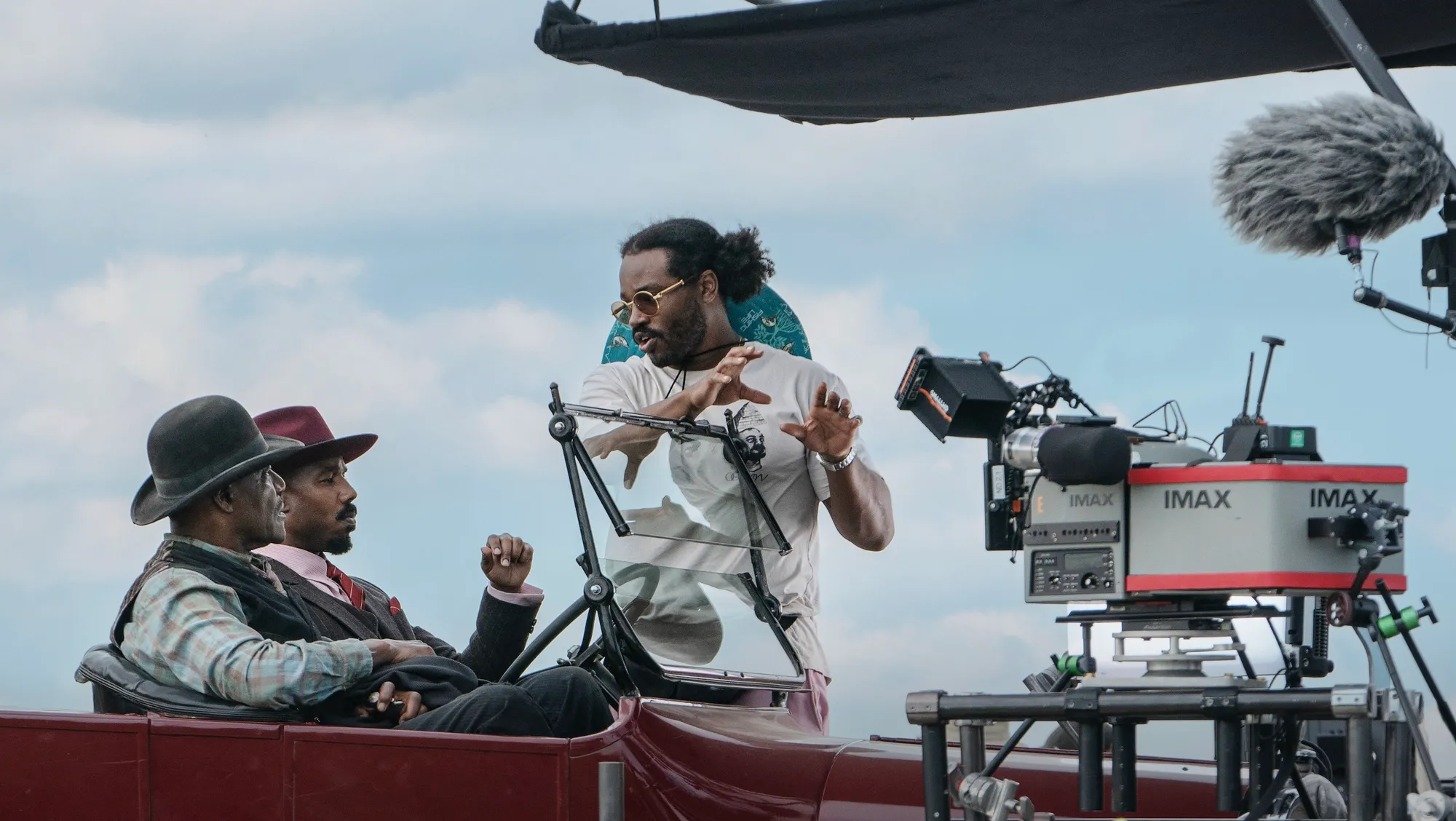
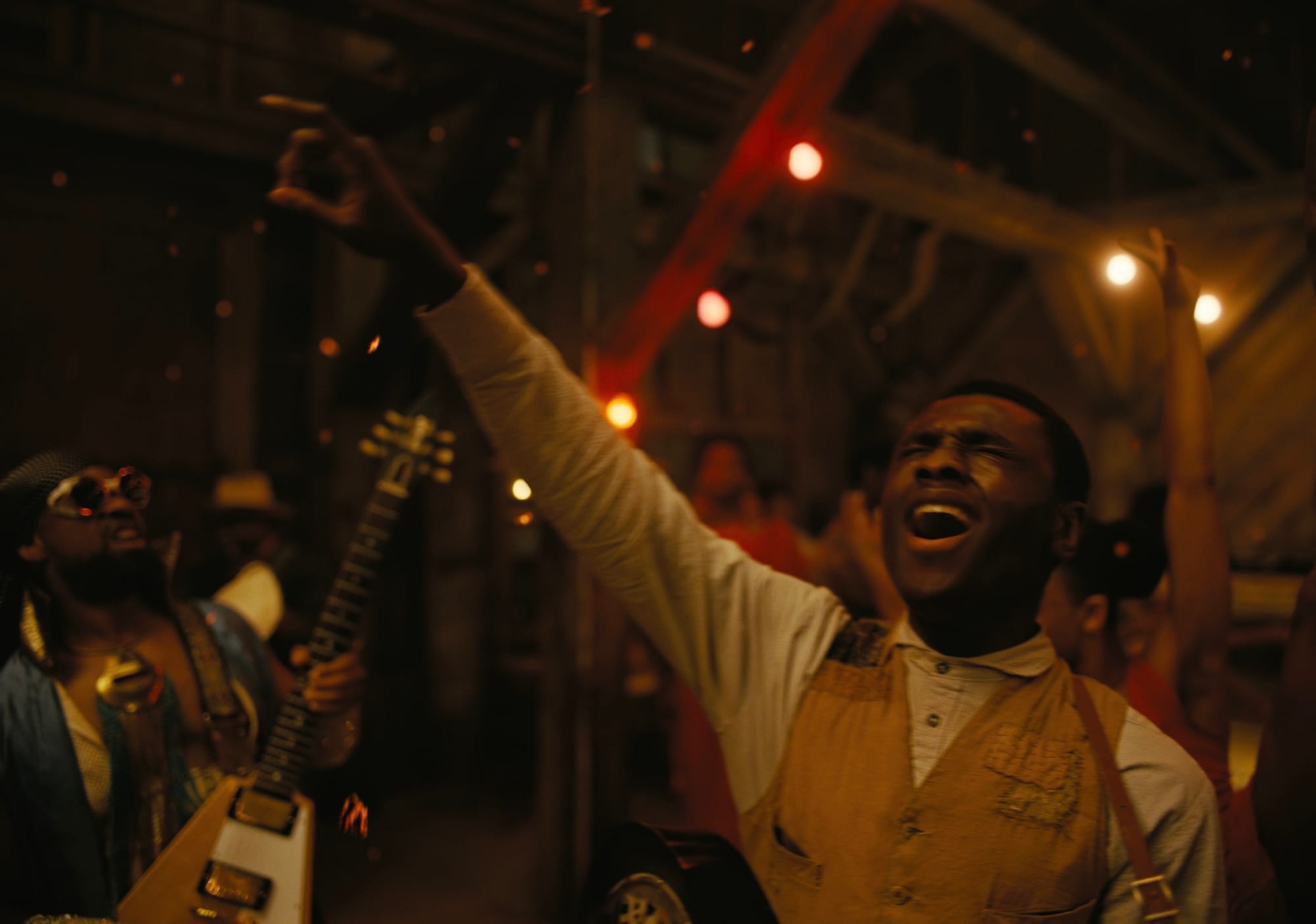
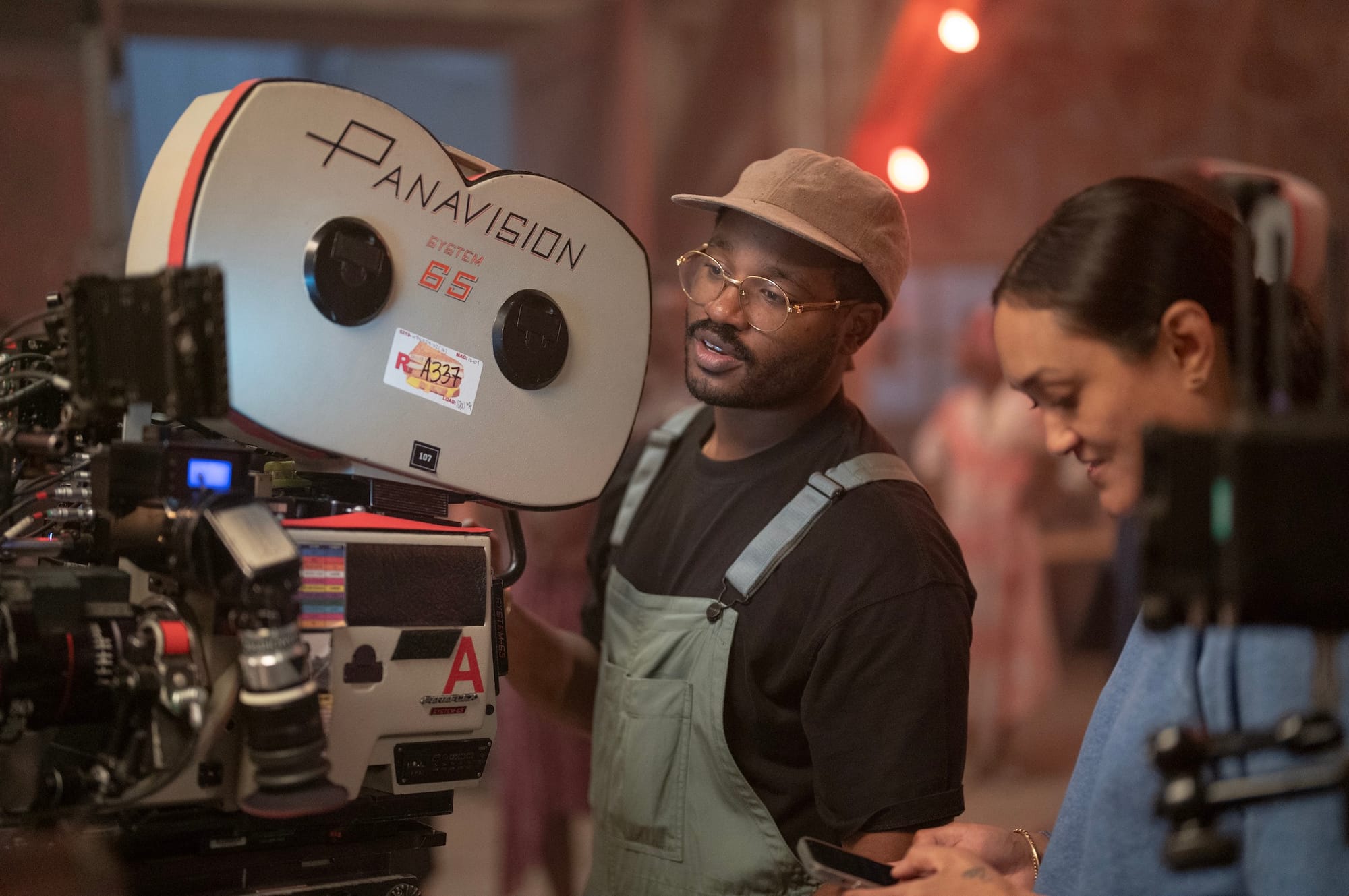
Upon its release, Ryan Coogler's genre-defying masterpiece, Sinners, achieved both critical and commercial success, earning a 97% rating on Rotten Tomatoes and finishing eighth at the domestic box-office in 2025. Beyond these milestone achievements, Sinners also boasts a litany of groundbreaking elements within the film itself. The large ensemble cast is predominantly made up of Black actors, a rare and impressive occurrence within the world of high-budget Hollywood productions. Furthermore, DP Autumn Durald Arkapaw's choice to shoot on 65mm IMAX film-stock lends Sinners a uniquely striking look – more reminiscent of the Giallo horror films and Technicolor westerns of past decades than of anything coming out of the major American studios today.
However, while watching the film in theaters, I couldn't help but latch onto a specific facet of Sinners that I felt ingeniously separated it from its contemporaries: the narrative structure.
What Are Audiences Used To?
Since the emergence of the modern American blockbuster in 1975 – an event marked by the release of Steven Spielberg's Jaws – audiences have largely grown accustomed to Hollywood's conventional three-act narrative structure. Even if viewers don't formally acknowledge a film's structure, or consciously recognize genre conventions, they will often approach films with very specific expectations in mind.
These narrative expectations are thoroughly outlined in Screenplay: The Foundations of Screenwriting, a well-known handbook by Syd Field that advocates for strict adherence to a three-act structure. Within the text, Field explicitly identifies and defines specific components of each act that work to build a cohesive narrative. Notable examples of these components include the "Inciting Incident" and "Plot Point #1" – two story beats that appear in nearly every Hollywood film in order to propel the central conflict forward.
Considering both audience expectations and the widespread influence of Field's screenwriting principles, it's not hard to understand why so many films (both acclaimed and despised) follow a very familiar dramatic rhythm.
Sinners, however, is not one of these films.
How is Sinners Different?
The most obvious distinction of Sinners' irregular narrative structure is the delayed placement of its inciting incident, occurring over an hour into the film when our lead characters first encounter the vampire, Remmick. The film's ultimate conclusion also plays out quite irregularly, taking the form of an extended epilogue/post-credits scene that takes place nearly sixty years after the main events of the picture.
With these observations in mind, it becomes clear that Sinners does not abide by Hollywood's traditional three-act structure. Instead, I believe that Ryan Coogler has crafted the first major American blockbuster to employ a kishōtenketsu narrative structure.
What is Kishōtenketsu?
Kishōtenketsu is a four-act narrative structure, often described as "without conflict", that is most commonly found in classic works of East Asian literature. The name of the structure is derived from four separate words – kiku, shōku, tenku, and kekku – which aptly describe the function of each act within the larger narrative context. In the section below, I have outlined each of the four acts in the kishōtenketsu structure, and briefly explained how they inform the key plot beats of Sinners:
Ki (起) or Introduction: Sinners opens with an expository prologue that focuses on the multicultural mythology at the center of the film, before moving into a nearly forty minute sequence which serves to introduce the film's large ensemble cast.
Shō (承) or Development: The following twenty minutes of Sinners are devoted to further develop the characters and their interpersonal tensions in the juke-joint. This sequence ultimately climaxes in a surreal musical montage that expands on the mythology discussed earlier in the film while simultaneously foreshadowing the supernatural twist of the ensuing act.
Ten (転) or Twist: Once the trio of singing vampires has arrived at the juke-joint, Sinners enters its third act. The film's dramatic stakes begin to quickly ramp up alongside its visceral action, communicating to the audience that the characters will not leave this act physically or emotionally unscathed.
Ketsu (結) or Conclusion: Sinners concludes with an incredible showing of hyper-violent filmmaking (in which Michael B. Jordan's "Smoke" delightfully massacres a group of White supremacists), before presenting an epilogue that confirms the film's world and characters have been irrevocably changed by the events of its narrative.
Where Have I Seen This Before?
Now that you're familiar with each act of the kishōtenketsu structure, and its accompanying narrative specificities, you might be wondering: where have I heard all this before?
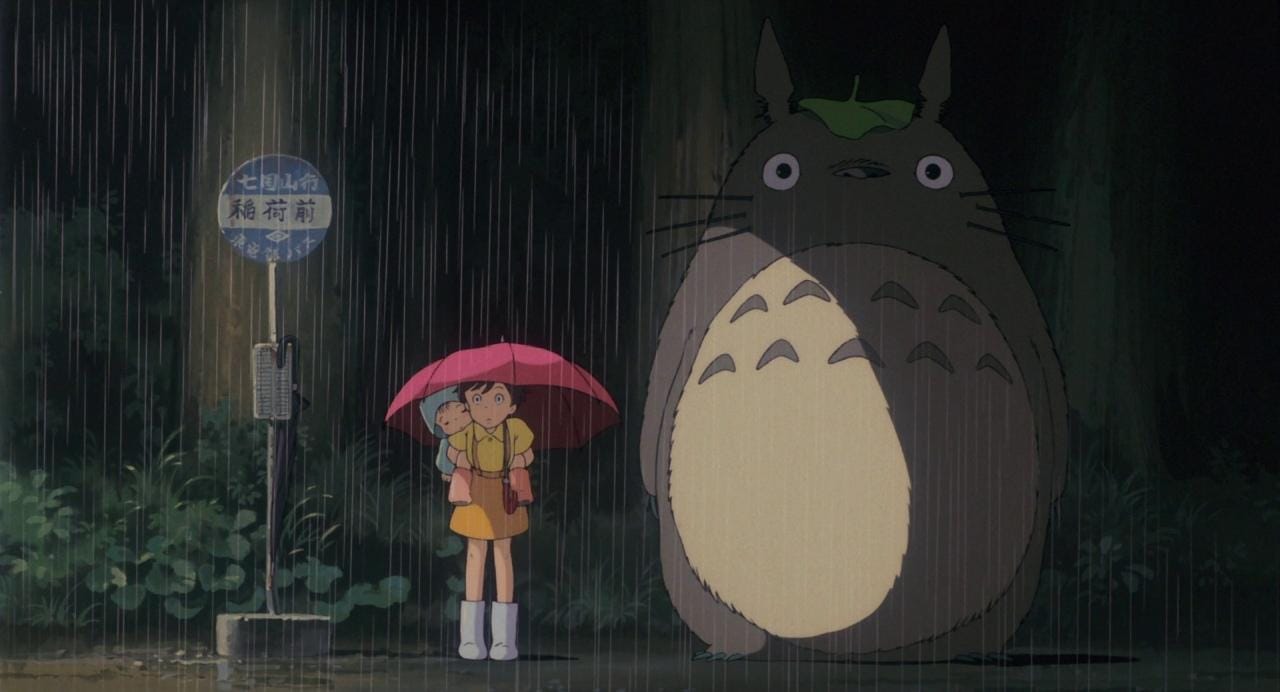
Within the English speaking world, I believe that the most popular instances of kishōtenketsu narratives appear within the films of Studio Ghibli. Time and time again, the legendary Japanese animation studio has shown a clear tendency towards constructing their films around the classical Asian tradition. Whether it be in the magical woods of My Neighbor Totoro, the cozy cityscapes of Kiki's Delivery Service, or the war torn wetlands of Princess Mononoke, well-informed viewers can easily sync most plot beats within Ghibli's filmography to specific components of kishōtenketsu.
How Can Kishōtenketsu Make My Scripts Better?
While this article may not serve as a wholly comprehensive guide to the kishōtenketsu structure, it can still function as a useful resource for anyone looking to challenge conventional screenwriting norms. For those that find themselves developing a story which requires extensive character development or untraditional pacing, looking towards the narrative traditions of East Asia may offer a compelling alternative. Moreover, any filmmakers inspired by Hayao Miyazaki (and the greater creative staff at Studio Ghibli) can draw on the structural specificities of kishōtenketsu to further imbue their projects with the nostalgic spirit of the world's greatest living animator.
Though Hollywood films have long relied on formulaic plot beats and generic character drama in order to minimize financial risk, the captivating success of Ryan Coogler's Sinners proves that audiences are still hungry for cinema that innovates and entertains.