Table of Contents
Three Key Takeaways
- A nuanced exploration of the green transition’s hidden costs: The film reveals the conflict between ecological sustainability and the environmental harm caused by increased mining within Europe.
- Personal stories illuminating systemic issues: Through intimate portraits of affected communities, the film invites viewers to grapple with the complex dilemmas of climate action and resource extraction.
- Independent filmmaking as a tool for authenticity: Grassl’s resourceful approach maximizes creative freedom and emotional honesty within the constraints of a TV documentary format.
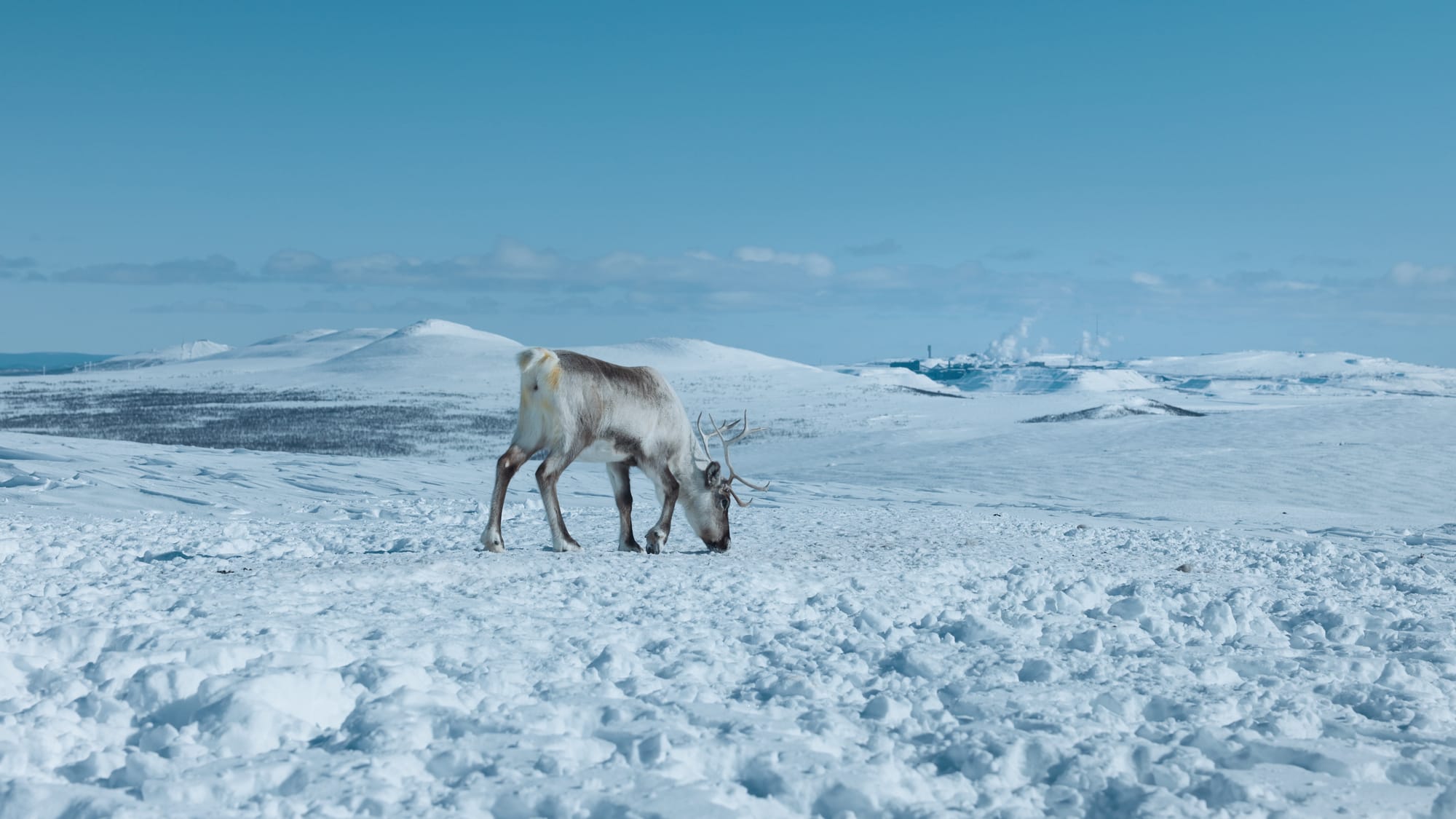
Austrian filmmaker Monika Grassl, alongside investigative journalist and co-director Linda Osusky, brings an urgent and intimate perspective to the unfolding green transition in Europe with Scars of Growth.
This poignant documentary, selected for its U.S. premiere at the Blue Water Film Festival, examines the environmental and social impact of mining sites positioned as allies in the fight against climate change.
The film’s compelling narrative and striking visuals are borne from Grassl’s extensive experience in documentary filmmaking, including her award-winning Girls Don’t Fly.

Q&A Interview
What drew you to make this film? Why this story, and why now?
The idea to this film was born in 2019 when Linda, working as an environmental journalist, went to the Spanish-Portuguese border for a feature story on an uranium mine in the poorest Spanish village named Zahinos. During her research, she discovered that more than 200 exploration licences were active in the entire region. She started to exchange with local people, activists and NGOs and began writing articles about this topic. Further investigation revealed that this mining rush on the periphery of Europe was linked to the European climate strategy. In conversation with friend and filmmaker Monika, who is also very interested in ecological issues, it became clear that there was a need to deal with this very complex topic about the contradictions of our green transformation and our capitalist way of life in a visual-artistic form, a long documentary film. However, as we are currently in the process of switching from fossil fuels to renewable energies, we also need to talk about the downsides of the green transition and not simply shift the problem of (energy) overconsumption to another, supposedly greener sector. For us, it is time to think about and discuss real solutions such as systemic change and alternative economic models.

What surprised you most about the filmmaking process this time—creatively or logistically? Was there a moment on set or in post that completely changed how you saw the story?
While working on the film, we were constantly torn between the arguments of the mining industry and politicians on the one hand, and opponents of mining and the affected population on the other. Although we knew which side we were on, we still found ourselves in a dilemma: metals are needed in everyday life, even to make this film and now also for the green transition, but at the same time their extraction destroys nature and people's habitats. When we then had a real exchange with many locals and those affected, that was the moment when the whole story changed.
Is there a moment in the film that feels the most you—something only you could have made?
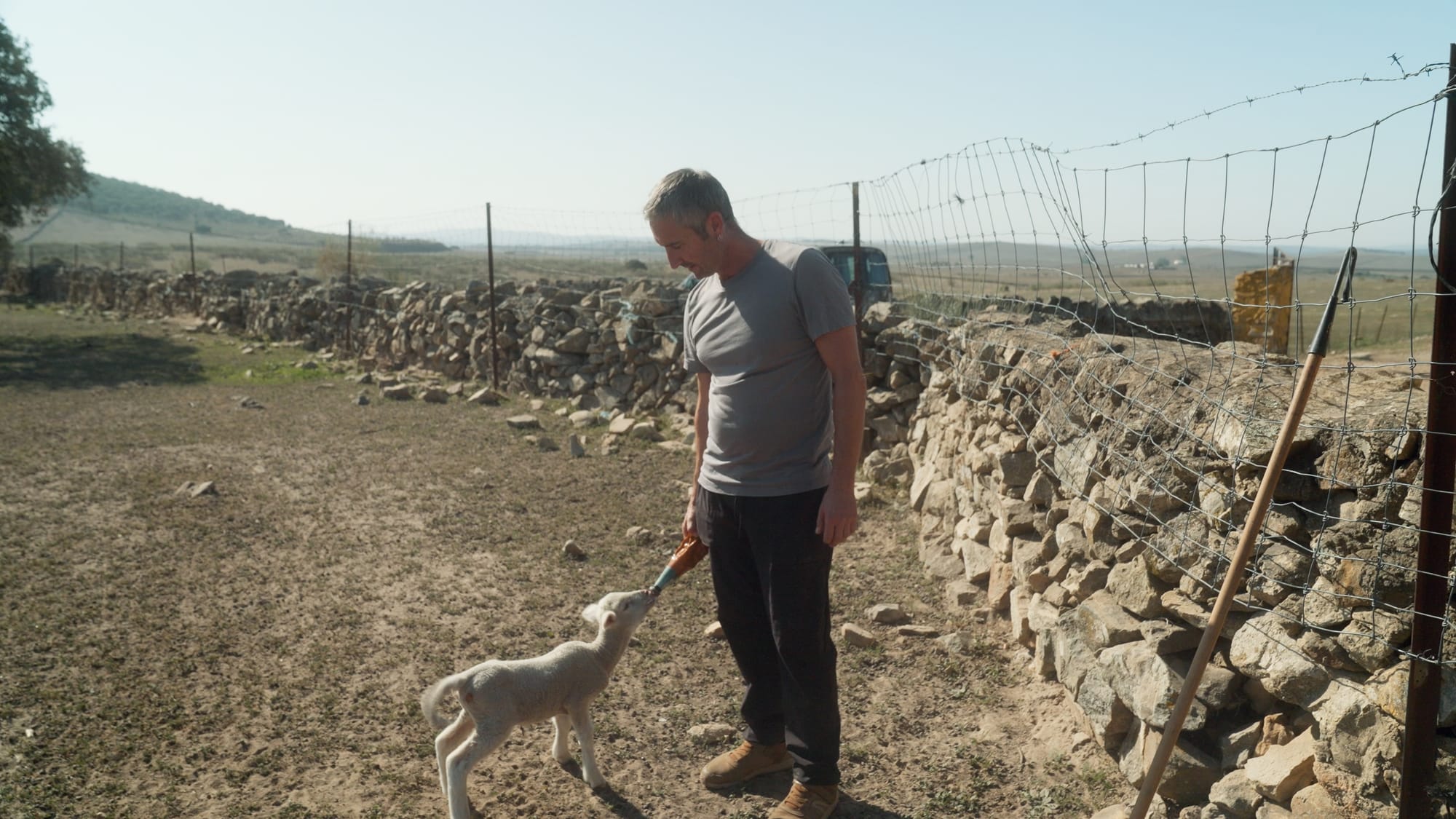
These moments always arose when we spent a lot of time with people threatened by mining projects. They weren't just climate activists, but ordinary people like you and me. Infrastructure projects such as mining could have affected us or anyone else out there. We were able to make this film because we met these people at the right time, and they gave us an insight into their struggle for their way of life and their rights. It was mainly because of our previous films and work, which also dealt with colonialism, that we were able to bring the sensitivity, it needed to realise this film.
What was the hardest creative decision you made while making this film?
Not being able to include all protagonists, locations and the whole complexity of the topic in the film. And realising it as a TV project with artistic constraints, not for cinema as funding was missing.
"When we then had a real exchange with many locals and those affected, that was the moment when the whole story changed."
What do you hope audiences take away from your film?
Scars of Growth wants to encourage our audience, policy makers and industry to rethink the growth paradigm and overconsumerism with its exploitative nature and reflect on everyday material consumption - a step towards respecting planetary boundaries. So we hope to provoke individual thinking, but without imposing a ready-made position what is good or bad or who is right or wrong. We wanted to offer a more nuanced story by offering several points of views on one topic and to let the judgement to the spectator. In the best case our audience feel like us in the process, while hitting the Dilemma: we are all part of the problem.
How has this film shaped or shifted the kind of stories you want to tell next?
The question of what to do to prevent climate change and safe the planet and, above all, how to live a respectful life towards nature, not only accompanied us while working on this film, but will also always be part of filmmaking in the future.
What’s a tool, technique, or resource that really helped you during production?
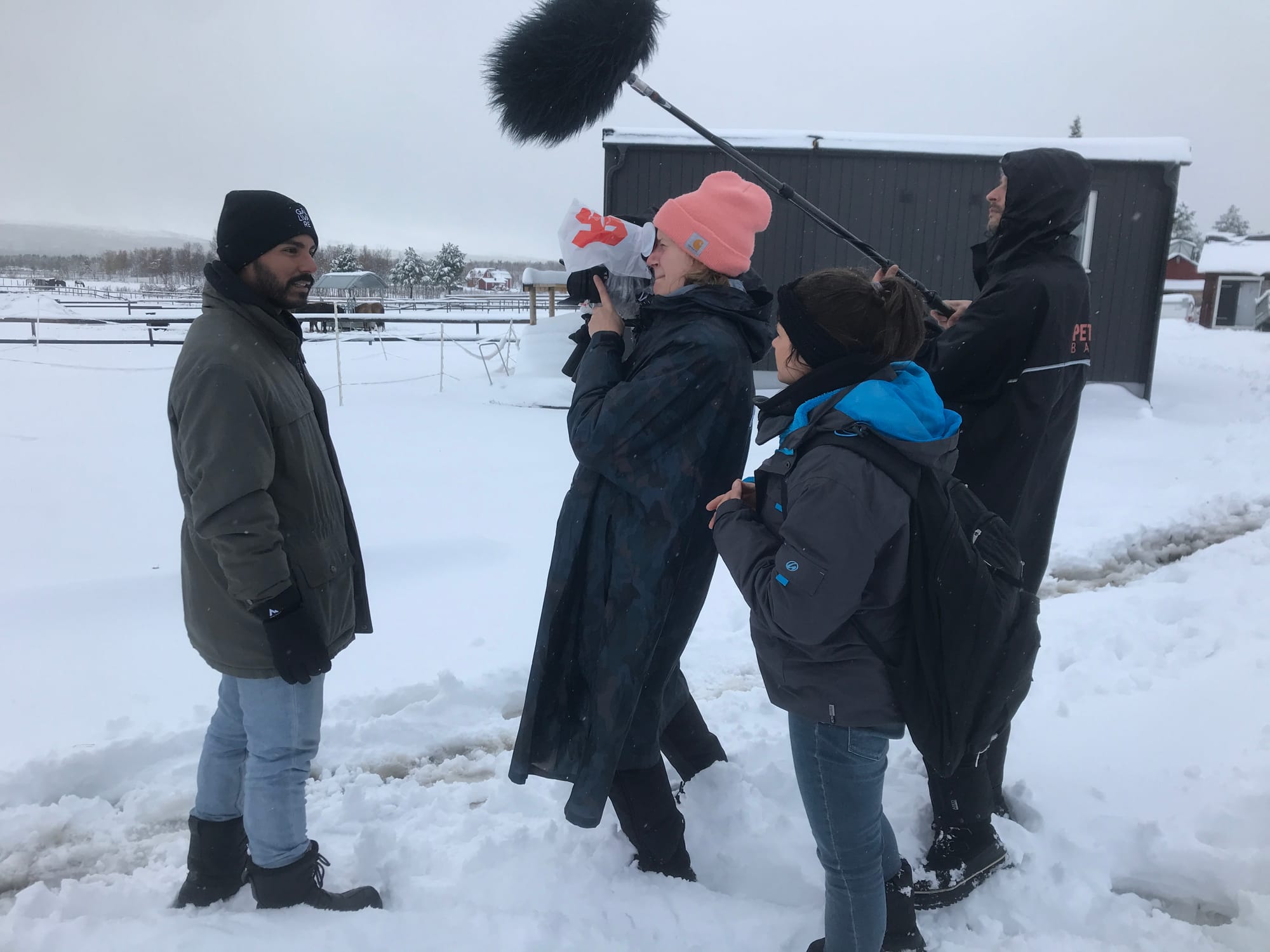
Sometimes it is better to use smaller cameras with some technical limitations (Sony Alphas, iPhone) than a large camera (Sony FX 6), which can make filming more difficult and slow down the process. And we have realised how important it is nowadays to include drone footage and impressive images to show the impact, in our case the scars in the landscape.

Independent filmmakers often rewrite the rules out of necessity. What do you think is the greatest strength of independent filmmaking, and how did you lean into that on this project? Is there a lesson or breakthrough you’d share with others navigating this path?
As this film is more a TV documentary, my answer is more general about independent filmmaking: The greatest strength is creative, structural, and emotional freedom. We would have loved to initially realise a cinema documentary without any constraints. Even though it was a TV documentary we had quite a lot of freedom to realise the film how we wanted to. But for example it was not possible to put in our own or no voice as a narrator. Nevertheless, we didn't have a big budget and needed to design the film around what we had, like it is in independent cinema. But this also brings you to other path and new creative solutions. We tried to build the story around our real resources, people, places, and time. If you do so you often end up with something far more authentic than if you try to fit into a slot.
"We wanted to offer a more nuanced story by offering several points of views on one topic and to let the judgement to the spectator."
What does it mean to you to have your film selected for Blue Water Film Festival?
This is the film's US premiere. Not only is this festival’s focus well suited to our film, it is also a great honour for us and a perfect opportunity to present Scars of Growth to an audience in the USA.

How do you hope being part of Blue Water Film Festival will shape the life of this film?
We hope that after its screening at the Blue Water Film Festival, our film will continue its life in the United States and that there will be opportunities for further screenings.
Where do you see this film going next?
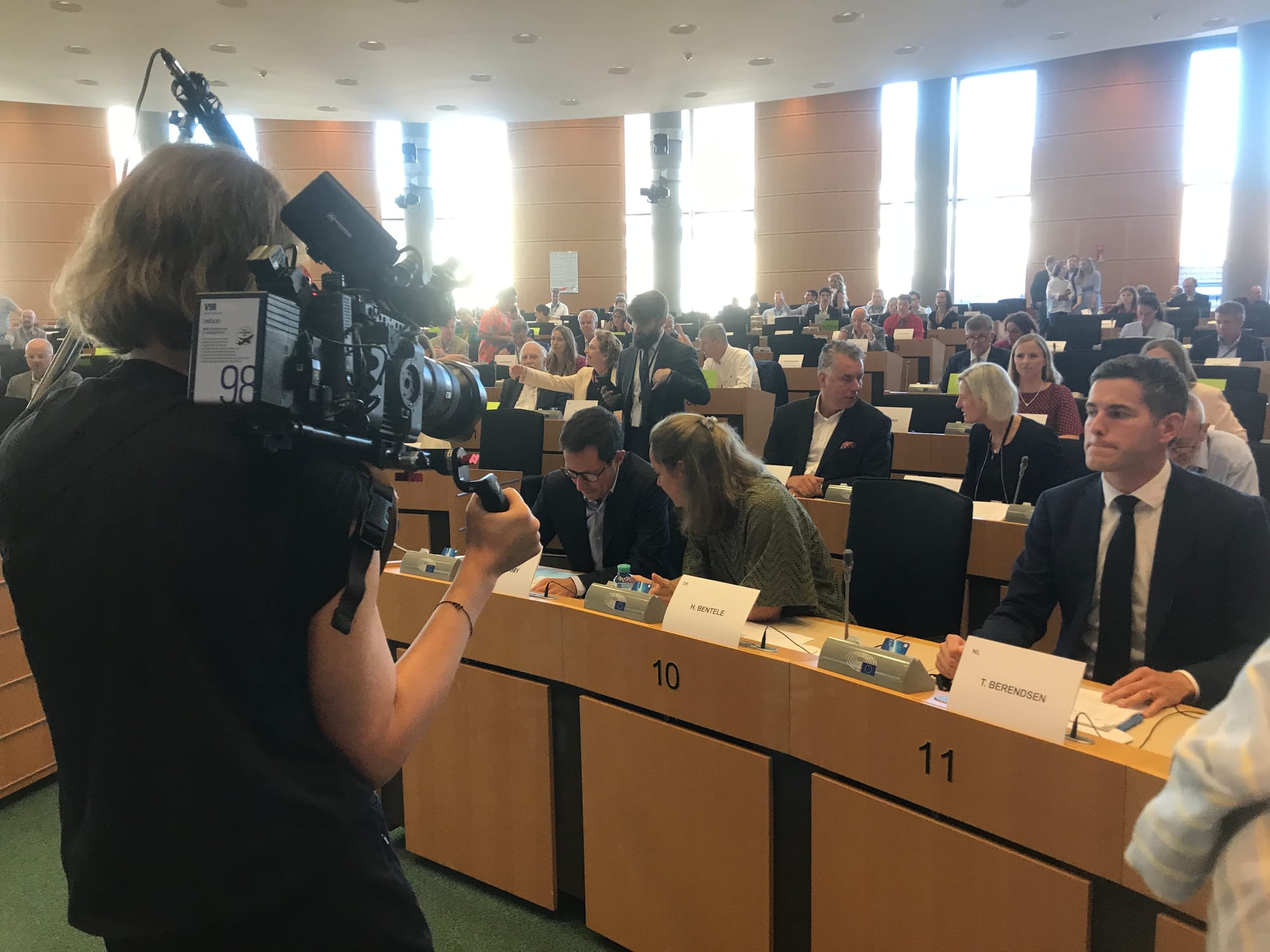
We hope to see more festivals and film screenings in the fields of education, science, society and politics (parliaments, etc.) and hopefully also for television broadcasts in the USA.
"The greatest strength is creative, structural, and emotional freedom."
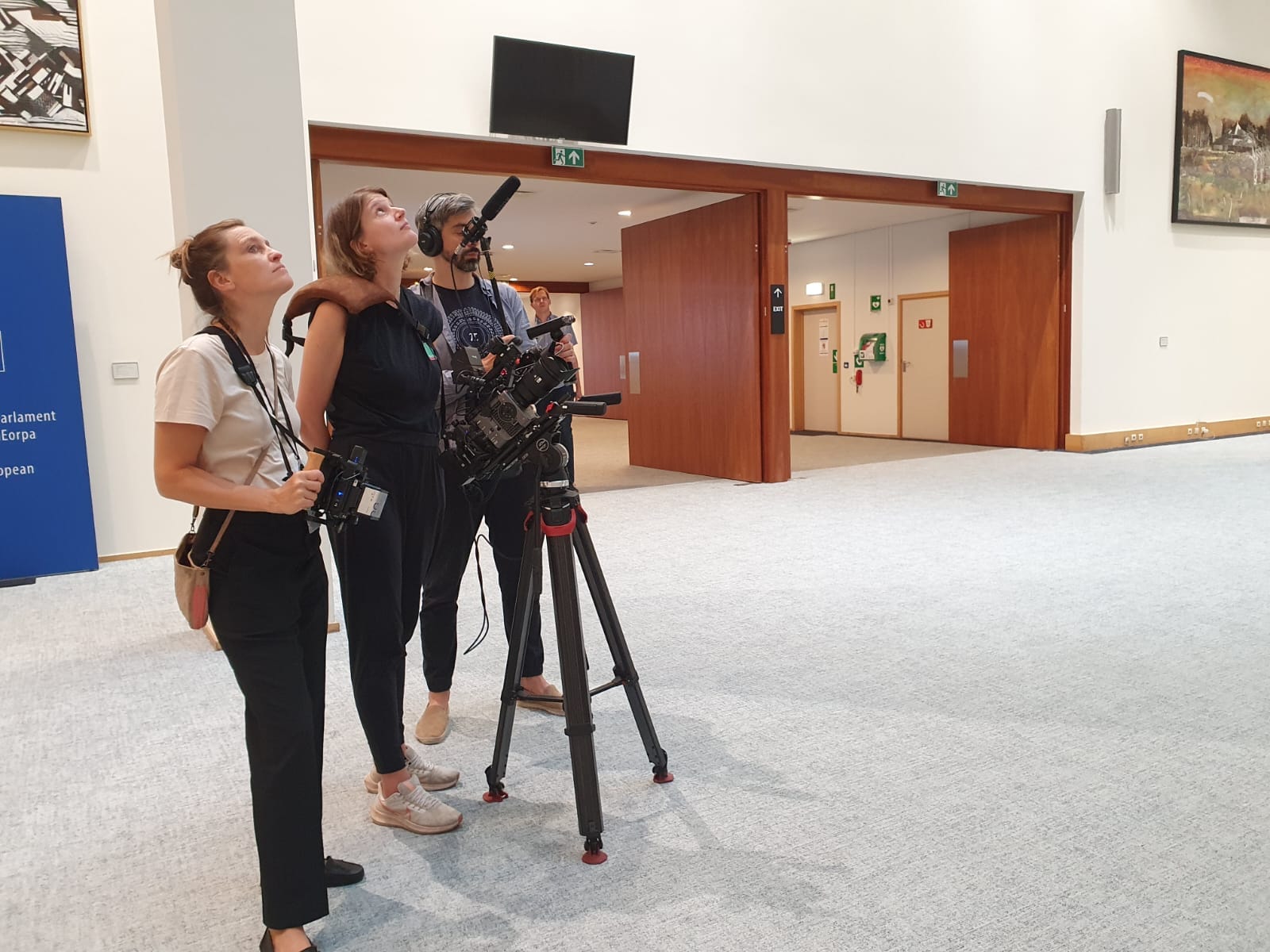
“At the core of all my work is a desire to better understand the world and people, to change my perspective and that of others, and to see issues from a new point of view.”