Table of Contents
The animation industry is at a turning-point due to recent film releases, such as Pixar's Elio and Sony's K-Pop Demon Hunters. These animations have illustrated the rapid tension between tradition and cultural shifts within the animation industry. In the same weekend, Elio had a disappointing $21 million opening weekend, while K-Pop Demon Hunters was a global phenomenon on Netflix, topping charts in 93 countries. Both films were eccentric and original, which is a rarity given the circumstances in the film industry, but the results and outcome of these particular releases showcases a fundamental shift in how modern audiences interact and connect with animation.
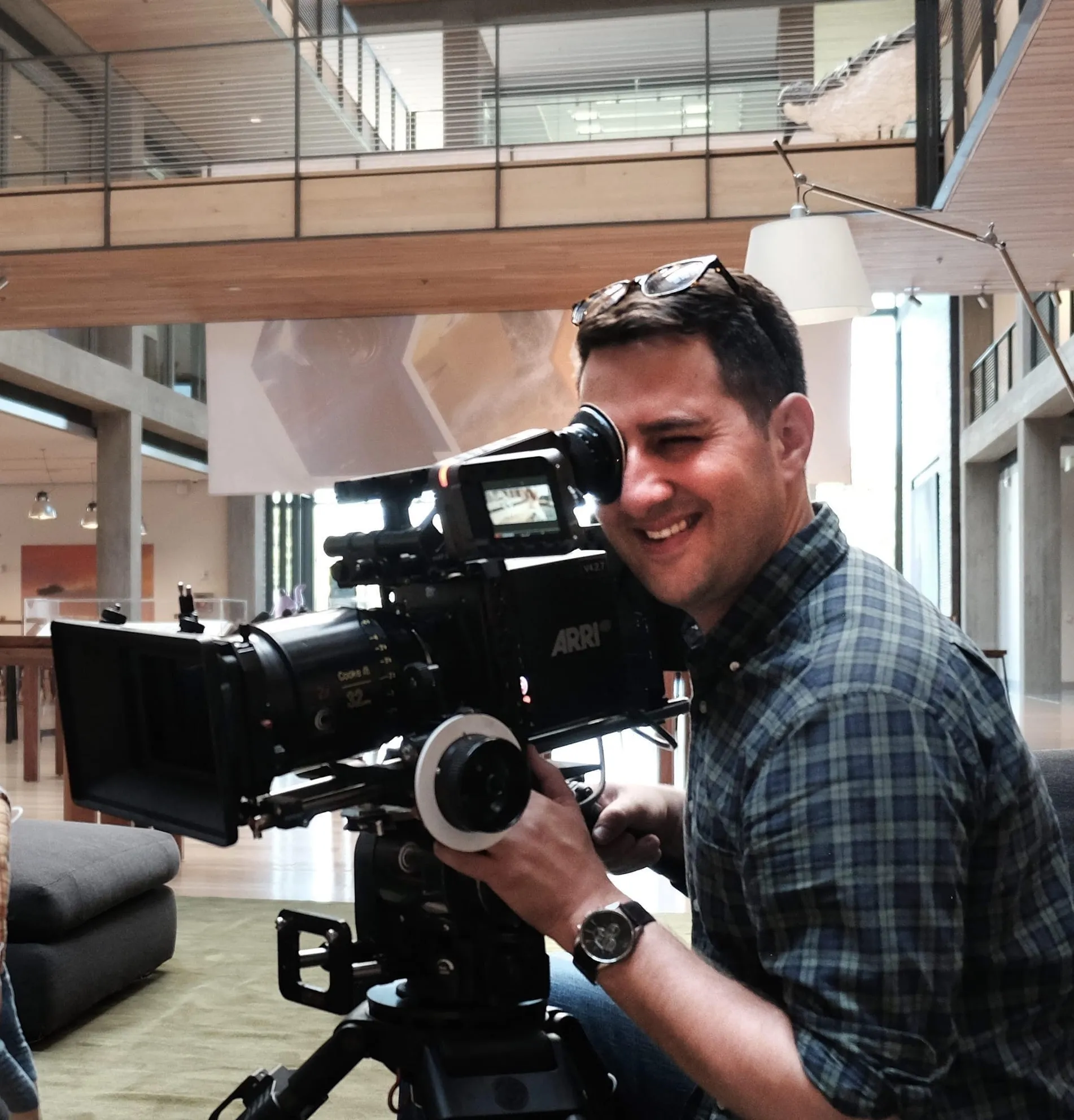
I spoke with Adam Habib, a Pixar cinematographer who worked on Inside Out, Inside Out 2, and Onward, about this divide. His insights shed light on the creative challenges of animation in an era where streaming dominates, and theaters struggle to justify mid-tier originals.
The Theatrical Experience
Habib's perspective on theatrical viewing goes beyond mere screen size.
"When I saw Dune in theaters after the pandemic, there was a scene where Paul uses the voice that felt like it really took its time. The tension built slowly. Then I watched it on HBO Max the next day and the same scene just flew by. Moments that had weight in the theater became fleeting on streaming."
This phenomenon directly impacts how Habib approaches his work at Pixar. For Inside Out 2, he specifically designed visual techniques to enhance the emotional storytelling:
"I started thinking: How does anxiety make me feel? And I noticed that when I'm in a state of anxiety, I lose perspective a little bit. So if you watch that film as Anxiety takes over Riley's world, we used wide angle lenses to reflect that feeling."
This uneasy sensation that reflects her mental state is brought on by that distortion of the wide angle lens. Its effect is palpable to audiences and is amplified by the collective experience. On smaller screens, that goal may be obscured by the rhythm of swiping and scrolling. Although it's "cool looking," viewers might not see how it pertains to Riley's anxiety.

The Streaming Revolution: Its Strengths And Limitations
Habib acknowledges the creative possibilities streaming enables, praising K-Pop Demon Hunters:
"That fight scene on the plane uses this comic book-inspired style that really fits the film's energy. The freedom they took really works for that style of storytelling."
However, he notes an emerging pattern in streaming-first animation:
"There's pressure to make every moment pop because you're competing with infinite distractions. In theaters, you can have slower moments that build tension. On streaming, there's this unspoken rule to keep things constantly entertaining."
The Production Reality: Making Films for Two Audiences
Habib reveals the practical challenges animators now face:
"The shot always starts on a tablet. And when we start to blow up the composition a little bit, we have to make changes based on that to make it work on theatrical screens. It's funny, I'm sure that process influences us in ways that we don't think about"
This duality affects creative decisions at every level. "In Onward," Habib explains,
"we maintained strict rules about camera movements being physically plausible. No impossible shots that would break the reality of the world. But with something like K-Pop Demon Hunters or the mind world of Inside Out 2, you could embrace this more exaggerated style
How Visual Mediums Shape Stories
Drawing from artist Marina Abramović's philosophy, Habib reflects:
In a world where everything competes for our attention and so many experiences are tailored for individual, on-demand consumption, the communal, simultaneous experience of theaters and concerts feels more valuable than ever."
He contrasts this with streaming's solitary nature:
"At home, you're fighting distractions. You're never fully immersed in the way theaters demand."

Art vs. Accessibility
Habib is pragmatic about the financial realities:
"I understand why families might choose streaming. The hassle of getting everyone out the door, it's an investment. But something gets lost in that trade-off."
He shares his personal compromise:
"I've canceled most of my streaming services. Now when someone recommends to me or they're like 'you should watch this', I rent it. That intentional choice, even if it's at home, brings back some of that special feeling of going to the movies."
The Future of Animation
Looking ahead, Habib envisions an industry where both formats thrive:
"The success of Spider-Verse proves audiences will come to theaters for visually bold animation. At the same time, K-Pop Demon Hunters shows streaming can also support niche styles that may not be released in theatres.
He grounds this optimism in technological shifts:
"With tools becoming more accessible, we could see Vietnamese studios making films about water puppets. Streaming gives these voices a platform, while theaters can amplify their craft."
The Bigger Picture
The conversation ultimately moves beyond simple "streaming vs. theaters" rhetoric. As Habib notes,
"The toolset changes, but our goal remains the same: to create emotional connections. Whether that happens in a crowded theater or on someone's tablet, what matters is that the story resonates."
The path forward may be recognizing that animation is big enough for both approaches, provided that filmmakers understand how each format shapes the viewing experience and craft their stories accordingly. As Habib's work demonstrates, the most powerful animation understands its medium and uses it to full advantage.
What Happens Now?
The animation industry is undoubtedly evolving and changing. The main concern is how the studios will adapt. Will Pixar and other legacy firms spend in altering audience behaviour, reminding them why theatrical animation is important? Or will they shift to streaming, adopting a model in which original stories thrive online?
Habib suggests one possible approach:
"I just decided to... pay for the film that I want to watch and then it almost does—it brings back a little bit of the specialness."
That may be the key. In an age of endless content and instant access, animation’s next chapter might depend on how it reclaims its sense of wonder and event-ness. Whether on a 40-foot screen or a tablet, what matters most is how deeply a story makes us feel.