Table of Contents
Social media has become an ever present piece of our lives. In an instant, we can have access to almost anyone across the globe. To many filmmakers, this can be seen as an asset. Long gone are the days where you needed to ask a company to distribute your film; now the only barriers to sharing your work are an electronic device and an internet connection.
However, all is not as it seems. Social media is a fickle beast with an algorithm that doesn't always play nice. Before start you marketing yourself or your work on social media, it's important to consider if this is the best option for you.
The Benefits
For almost all artists, the ultimate goal is to share your work with the world. Social media is one of the best tools to do so. Not only are the majority of social media sites free, they allow users to easily share almost anything you could imagine. Most of us associate social media with cat videos and Tik-Tok slop, but we forget that social media can be used to create real meaning. Whether you write personal essays for Substack or create cool skits for YouTube, there are people out there who are interested in what you have to say!
Social media can also be a great marketing tool. Behind-the-scenes videos and insight into an artist's inspiration are very popular on Instagram and other platforms. Many indie filmmakers, such as the team behind Blooming Blues, "a rom-com about jazz and synesthesia," use social media as a way to spread the word about their work.
Using assets from a film such as music in marketing can also help a film gain traction. For instance, the three-person crew of EVERY LIVING BREATHING MOMENT, asked editors to use the soundtrack to create edits on Tik-Tok. The virality of the soundtrack lead to an explosion of viewers for the film.
Social media makes distribution essentially free. If you're not too worried about film festivals or theater distribution, posting your film on YouTube can be a great way to get eyes on your work. While it can be harder for short films to gain traction on YouTube, they can still see success. For example, I Love You, Bro, a student short about male friendship, recently went somewhat viral, gaining 100,000 views in under a month.
The Drawbacks
I think we're all at a point where we're getting sick of social media. The infinite scrolling, endless advertisements, and rage-inducing content can send a shiver down anyone's spine. Generating content for social media can take the artist out of you. There's a reason we call social media posts "content" instead of "art". Even if you are able to stay creative, it can be easy to get burned-out or feel like you're creating for your audience rather than yourself.
Social media is also unpredictable. You can do everything in your power to be seen, but there is no true way to guarantee success. You could work for years without seeing a single view. It's also common for successful creators to report feeling like their audience isn't seeing their content. Unfortunately, many social media companies don't tell creators how their algorithm picks posts to do well, so even people who go viral can struggle to gain success.
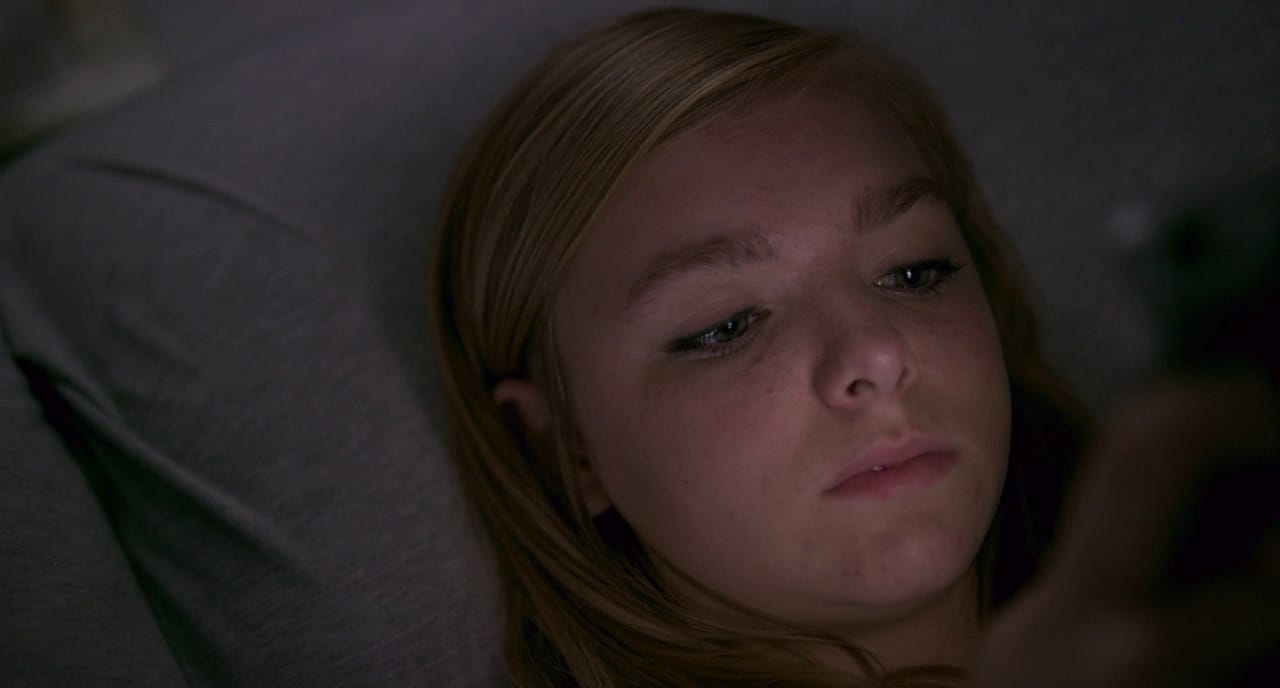
When thinking about starting a social media account, it's important to ask yourself why you're doing this. Because you can't force virality, you should have some external incentive to create content. Wanting to share your passions with others or cultivate a community are great motivations that can help you keep creating art that you love.
It's important to set boundaries with social media. Content creators are especially susceptible to doom-scrolling because it's part of their job. Setting limits on screentime or focusing on real-life relationships can help you stop the scroll. It can also be easy to overshare on social media. Sometimes, we forget that anyone can see what we're posting, which can cause us to divulge sensitive information. Make sure you're not giving out private information by showing too much of your house or the place you go. If you wouldn't want a stranger to know it, don't say it online!
We forget that the reason that social media is so popular is because humans crave connection. We want to be seen and heard. That's why as someone who has shared some of my work online, I will say that I still adore the simple satisfaction that comes when you share a piece of yourself with the world.