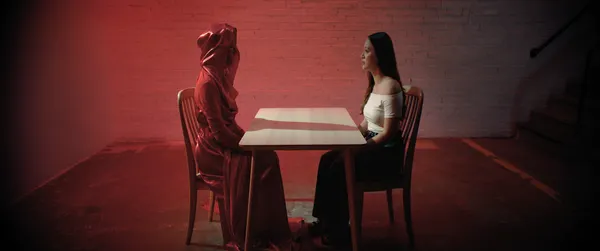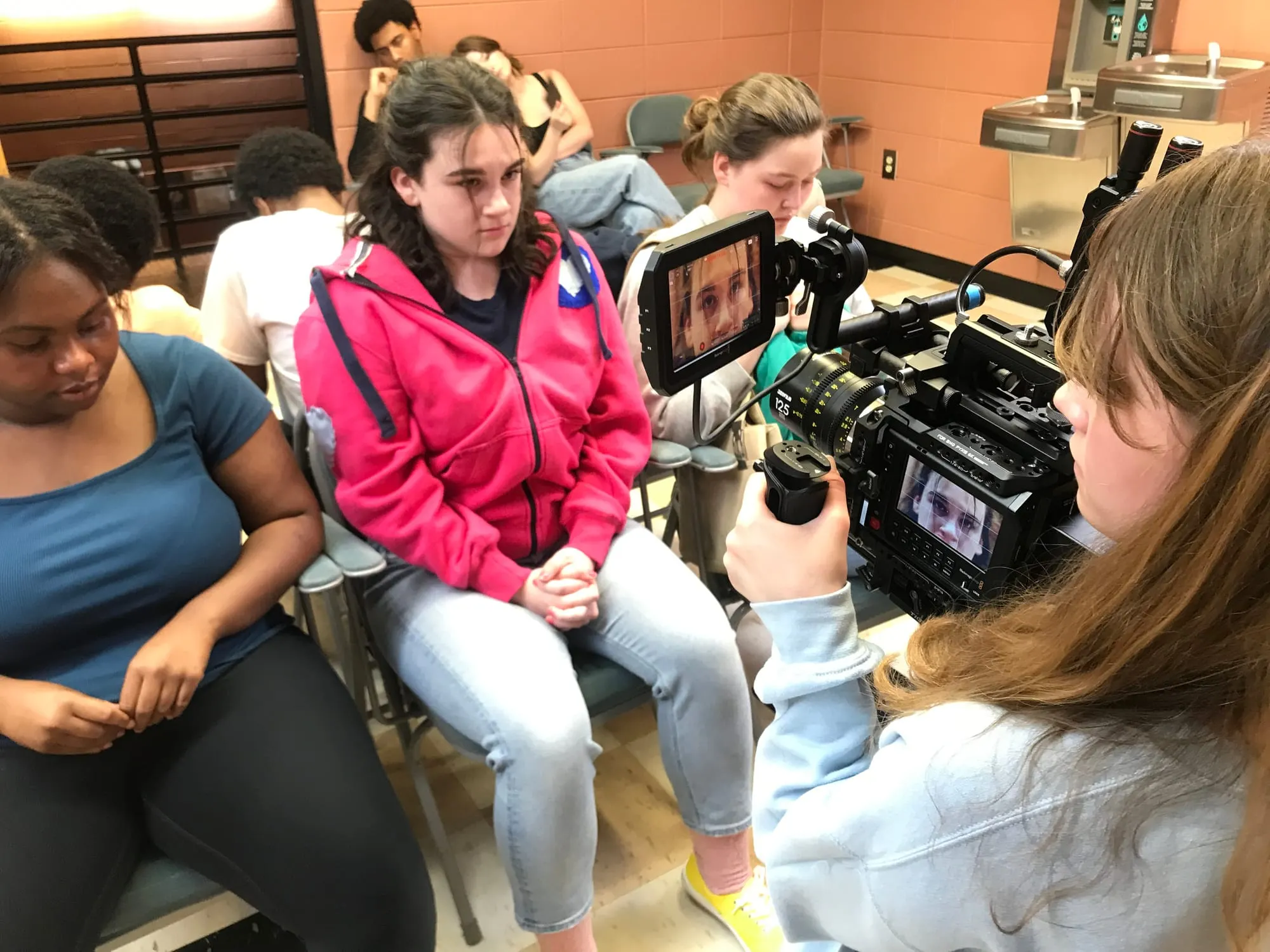
The South Carolina Governor’s School for the Arts & Humanities is a residential, two-year arts high school that serves the entire state of South Carolina with programs in Creative Writing, Dance, Drama, Music, Visual Arts, and Film. Film Department Chair Kevin Human is a native South Carolina filmmaker, screenwriter, and producer who spent over 10 years in the industry in Los Angeles, working his way up to VP of Development at an indie film studio. In forming the film program, which teaches junior and senior students a hands-on approach to film production and post, Human was determined to provide exposure to students interested in film. “I came back home to start this program to show students that there is a path forward in the industry if they commit to working for it. I didn’t have a resource like the school when I was growing up, so it took me a long time to find my way into filmmaking as a career, even though I knew from childhood that is what I wanted to do.”
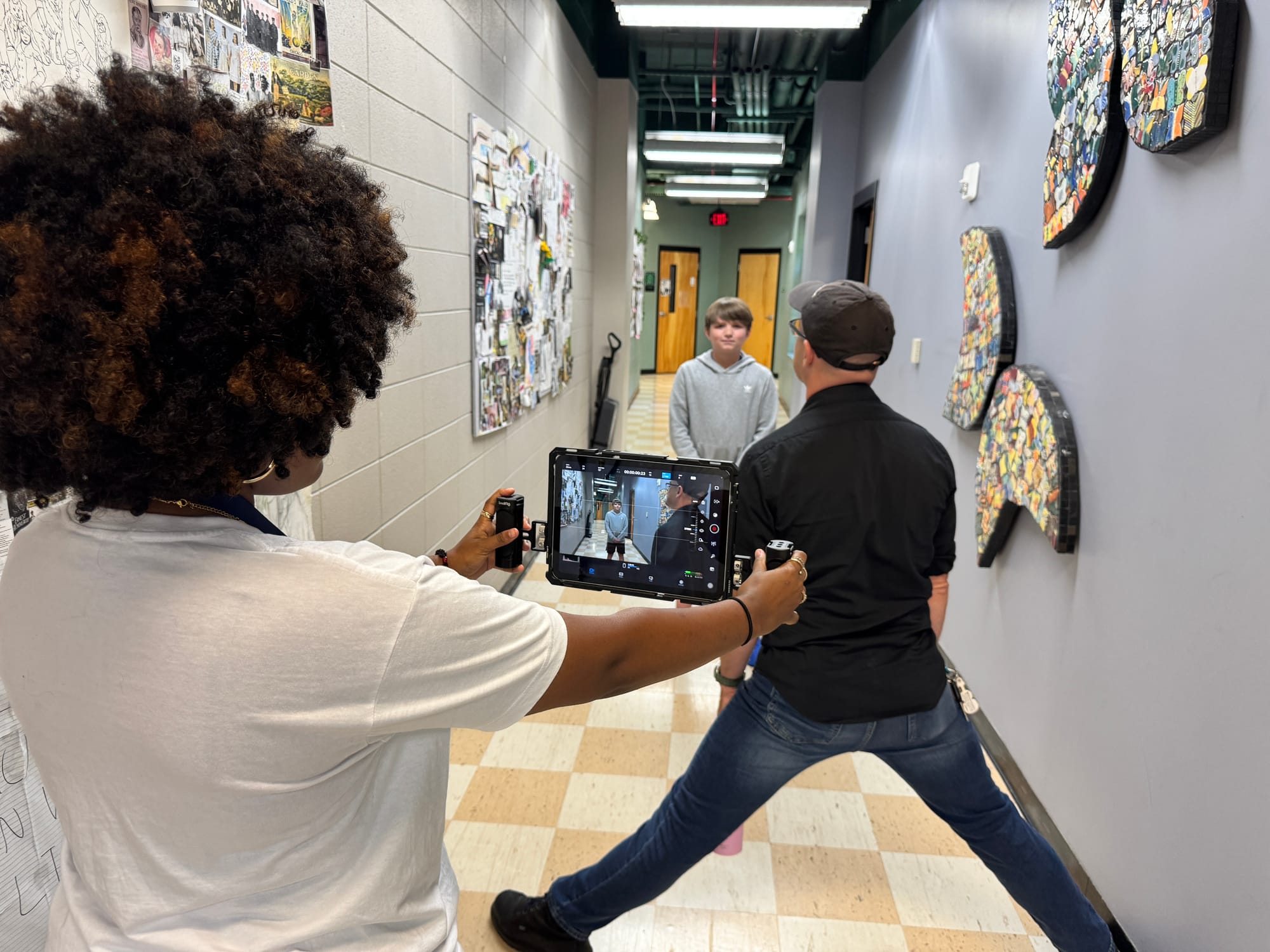
The goal of the program isn’t necessarily to get students into top film schools, although that happens as well. “I make it clear that I don’t have any expectation that they will continue to study film or make films beyond that” Human explains. “At this age, some of them know they want a career in film and some of them are still figuring it out.” Students are expected to be engaged in the two years of intense study and practice of filmmaking, but Human believes “if a student is committed to that process and realizes that they never want to see a camera again after they leave here, that’s still a win.”
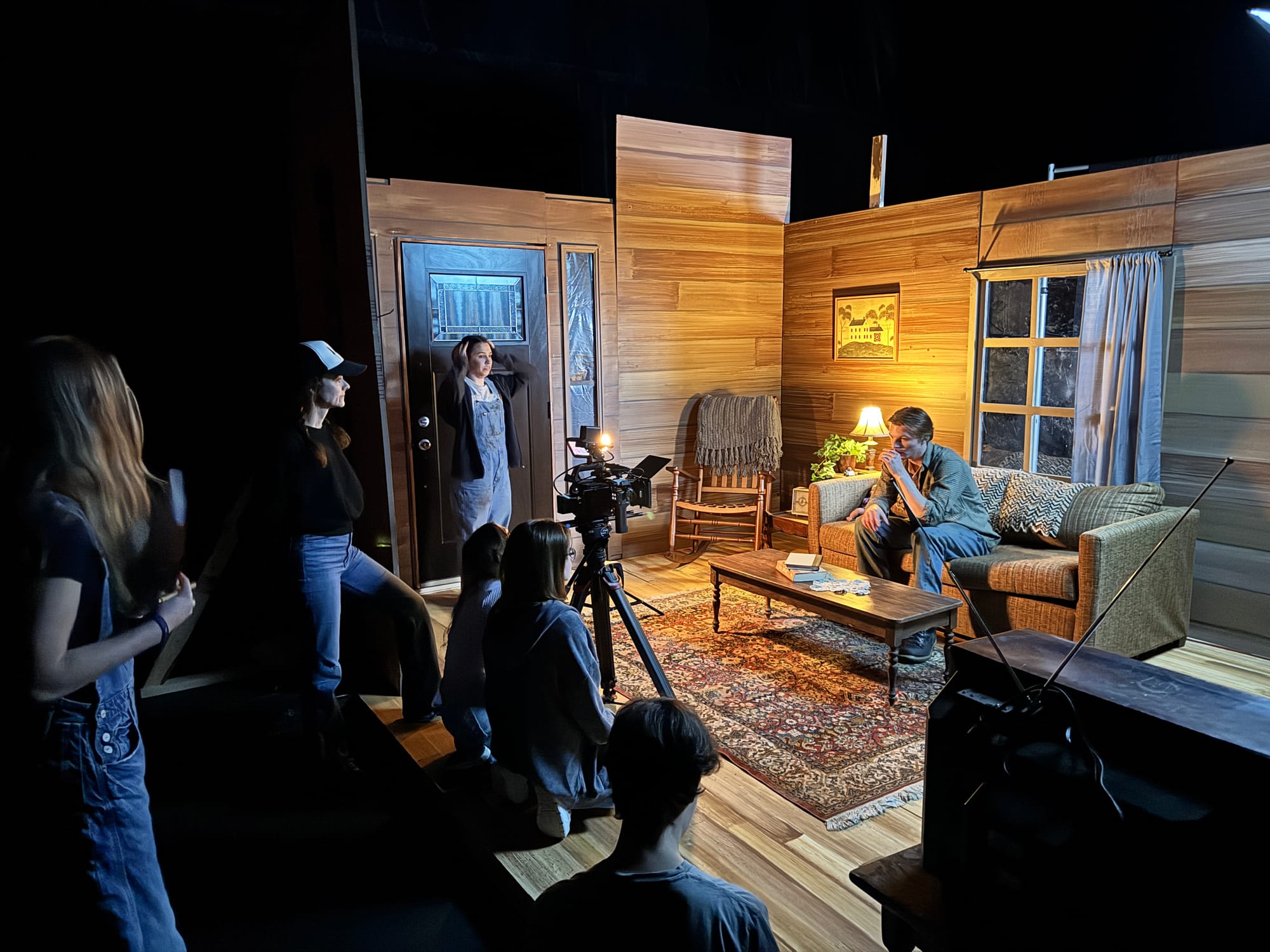
“The goal is that students find their voice and are empowered to make the best choice for themselves after they graduate.” This perspective takes away a lot of the pressure high school students face with post-graduation decisions, while still diving head first into a potential passion. For students who do decide they want to pursue filmmaking, they are equipped with not only the knowledge, but the hands-on experience to become well-versed film school students or film industry professionals. By graduation they already know what areas of filmmaking they are most interested in pursuing thanks to the holistic approach of the program.
Human also wants to show his students that they don’t need to move to Los Angeles or New York City to make it in the industry. “I’m working to partner with local commercial agencies and our state Film Commission, among others, to develop opportunities for students after they graduate”, with these opportunities happening close to home.
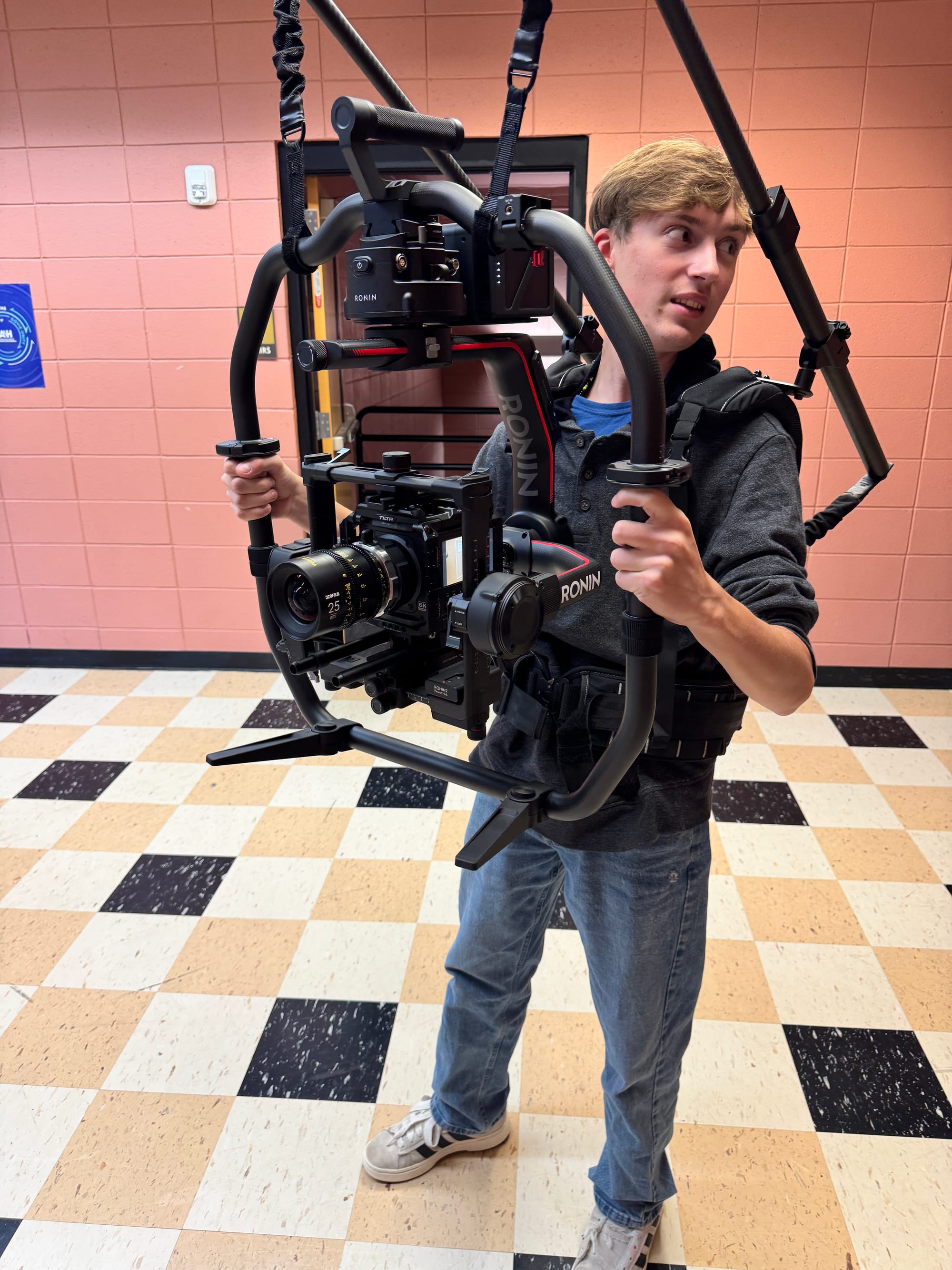
The program starts students inside the Blackmagic Design ecosystem from day one, hoping to avoid the complications of learning various operating systems and instead focusing on storytelling. “We start the students on iPads using the Blackmagic Camera app,” continued Human. “On the app, we focus on the basics of visual storytelling, things like composition and shot sizes. We do introduce lensing with the iPads as well, but it’s pretty basic. Then we move them up to the Blackmagic PYXIS 6K.” Since the students become accustomed to the camera interface through the app, the transition to using cameras is virtually seamless. “We make sure that the students understand the concepts behind what makes a camera great, from a tech and design standpoint.” Teaching students through the Blackmagic ecosystem gets rid of the barrier to entry. It allows more time to focus on actual creation. “We want to be able to teach the concepts and let them get to work making their own creative choices. There’s so much that goes into filmmaking. You have to understand storytelling, technology, photography, music, design, color theory… I could keep going” Human explains. “We mirror that in our curriculum by teaching as much as we can. Students study screenwriting, performance, directing, camera, grip, lighting, editing, color, sound, VFX, etcetera. It’s a lot. By teaching our students these many facets of filmmaking they wind up becoming empowered.”
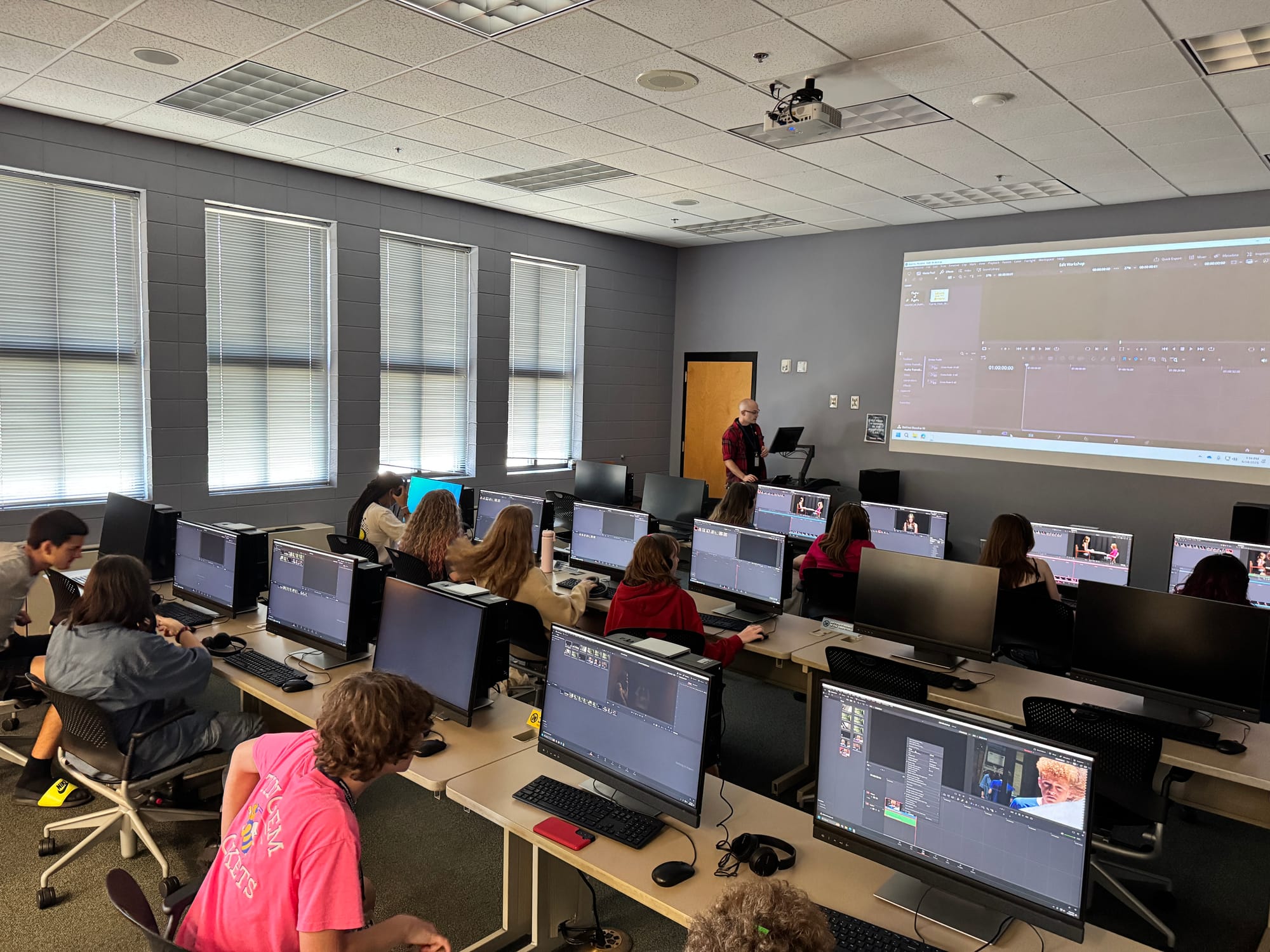
For post production, Human takes advantage of DaVinci Resolve for iPad, simplifying the pipeline from shoot to post for beginning students. “We use DaVinci Resolve on the iPad initially but try to quickly move into the desktop version. By the time the students start shooting Blackmagic RAW on the PYXIS 6K, they’re already comfortable with the edit page, and it’s a natural progression to introduce them to color and then Fairlight audio. We get into Fusion when they take VFX in their second semester,” he noted. “It’s not an easy field to make it in, and changes in technology, culture, and our relationship with media and screens can seem daunting, but there’s also opportunity in that.” Human hopes that the school’s curriculum gives the students confidence in their ability to constantly learn and adapt to the ever-changing world of filmmaking.
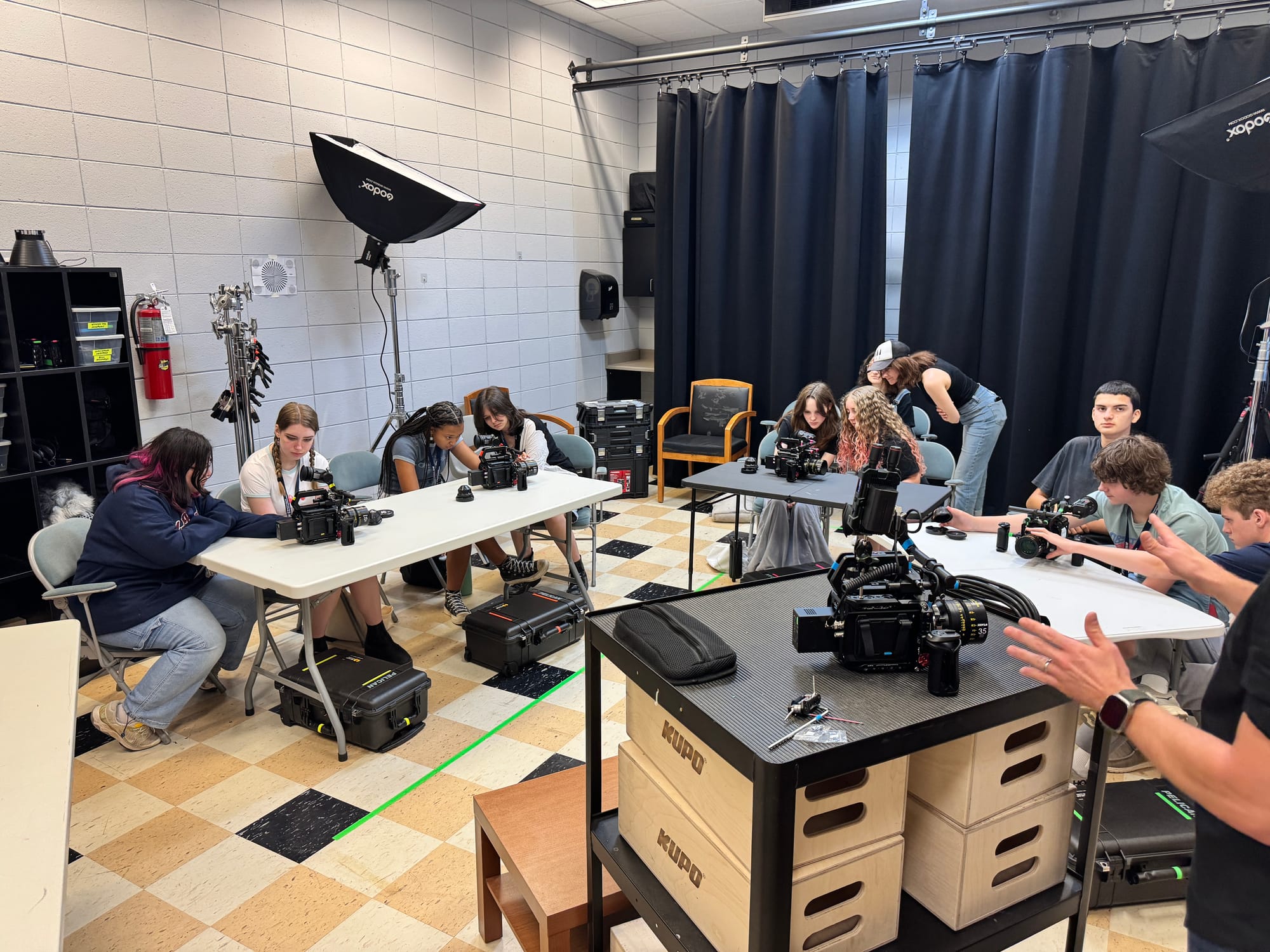
The program is an intensive and comprehensive approach to the business of film, giving future filmmakers a strong set of practical skills. Human emphasizes how so many skills required of a filmmaker are transferable to other careers and facets of life. “Skills like diplomatic communication, planning and logical thinking, and creative and technical problem solving” are important both on set and out in the real world. “By teaching our students these many facets of filmmaking, they wind up becoming empowered,” added Human. “I’ve seen this in the short time our program has existed. Students who came in quiet and timid are now calling ‘quiet on set’ with the authority of a seasoned assistant director! And that is a joy, to see these young students using the cinematic arts to grow as individuals.”