Table of Contents
It's the first day of your first production class at film school. You're excited, but not sure what to expect. The professor enters the classroom and proclaims that you, yes YOU will be expected to complete your first short film by the end of the semester.
Your heart flutters in exhilaration, but your mind starts to race with worry. Sure, you made a few video projects back in high school. You've even made some skits for your personal social media. But a whole short film? You don't know where to start!
Luckily for you, I've written this guide to help you get started on your first student short film.
Pitching
Every film starts out as an idea in someone's head. In order to share these ideas, you have to pitch them.
Pitches in film classes are usually pretty informal. Many professors only require that students give a basic idea of their plot and characters.
Some may require a presentation with more details. If this is the case, try to keep it simple while still meeting the class requirements. People do not like to read large paragraphs on far away screens, so only include basic facts and images on in your presentation and explain more complicated ideas out loud.
Try to keep your ideas simple, too. You'll only have the semester to complete this project, so your film will probably be under 20 minutes. If you're struggling to come up with anything, think about what locations, props, and costumes that you have easy and/or free access to. It can be hard to restrict yourself, but limitations can cause you to be more creative than you would have been otherwise.

Scripting
If your idea was picked, you may be required to write it. (This is not always the case; I was the screenwriter on my first student short despite not coming up with the idea.)
You may have never written a screenplay before, and it's hard to learn all the ins and outs of screenwriting in a few weeks. If this is the case, I'd recommend reading the screenplay for one of your favorite movies on a website like Script Slug. (I read both Get Out and Spider-Man: Across the Spider-Verse when writing my first screenplay). This will give you a general idea of what a screenplay looks like.
Screenwriting software is expensive, and the purchase can be daunting when you don't even know if you like screenwriting. Consider getting a free trial of a software or trying a free software like WriterDuet. If you're feeling adventurous, you could try formatting it yourself in something like Google Docs. If your school gives you access to any screenwriting software, use it.

It's important to remember that one page in a screenplay is equal to about a minute of screentime. While this number fluctuates, DO NOT be like me and write a 40 page screenplay and expect to be able to make it within a semester. The guideline is meant to be a tool, so don't ignore it.
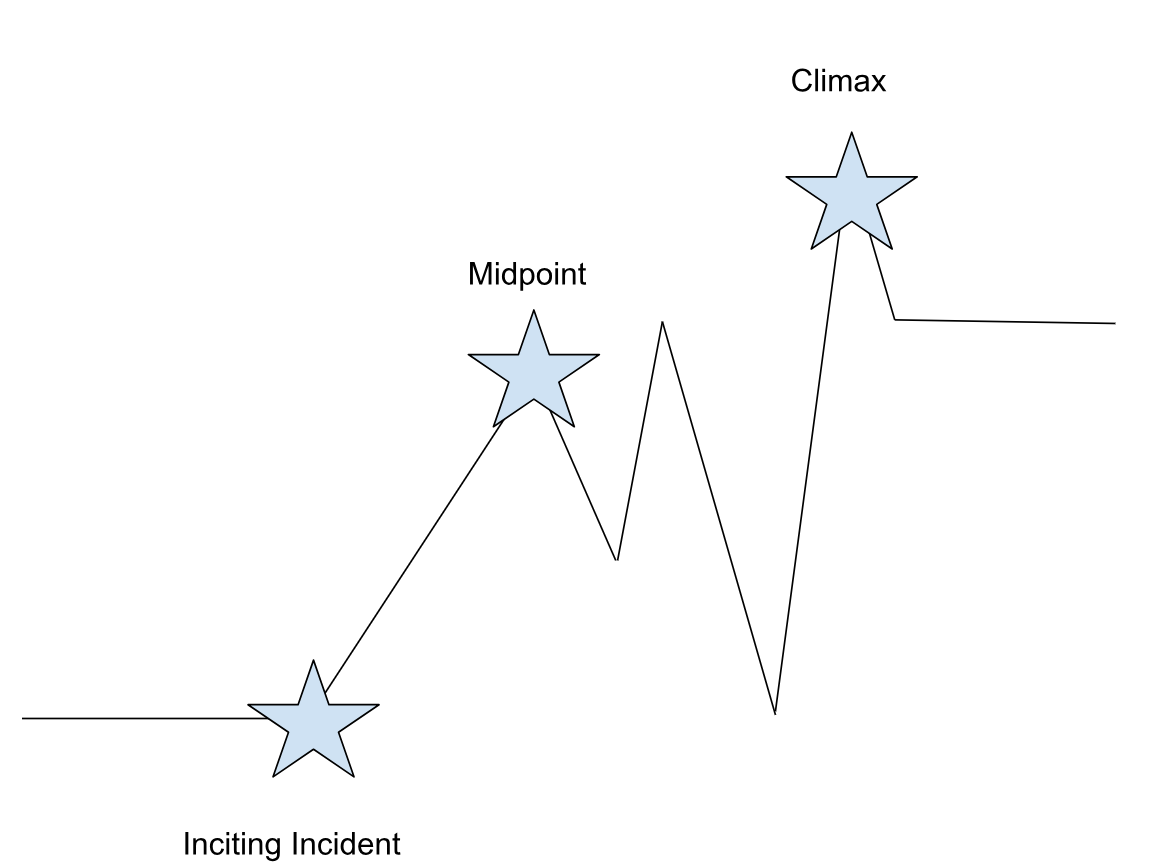
If you're unsure how to write the story, try using something like the three act structure. This structure is common because it's easy to use.
Role Selection
Most classes will have each student pick a role. Because classes usually only have 20-30 students that are split into groups, not every role that would exist on a professional set exists in the classroom– students often cover several of these roles at once. Here are the roles which I've found to be the most common:
- Director
- Cinematographer/Director of Photography/Camera Operator
- It's common for the director to also take these roles on a student set.
- Producer
- Screenwriter
- Many classes require that the director and screenwriter are not the same person. While this may be annoying, it is realistic to the professional world and allows you to remove yourself from your work.
- This person will most likely have a separate role during production.
- Gaffer
- Sound Mixer/Boom Operator
- Art Director/Prop Master/Costume Designer
- It's common for the producer to also take these roles on a student set.
- Editor
- This person will most likely have a separate role during production.
Since this is your first short film, you probably haven't had any of these roles before. If you don't know what role you'd like, think about what you're good at. Strong leaders make great directors. Producers have to be organized.
Remember, your professor is there to help you learn, so if you end up with a role that you know nothing about, you should be, at the very least, competent in it by the end of the semester. You may even find that you want to persue that role professionally.
Preproduction
Preproduction is the time for planning. On a student film, this will include creating budgets, call sheets, and storyboards among many other things. Your script is the guideline for your film. Making a breakdown script can help you get your planning started. Hopefully, you took my earlier advice about choosing your idea based on locations and items you have easy access to. If so, prepreduction should be a bit easier on your crew.
Finding actors is also a vital part of preproduction. A great place to start is the theater program at your school. Many student actors want experience, and student films are an easy way to get it. You can also find local actors in Facebook groups and other places online. If you still can't find anyone, consider asking friends and family or even acting in the film yourself.
(Hint: promising food or offering to edit an actor's reel can be an incentive)
Production
You've finally made it! It's time to start shooting the film!
Your professor should have familiarized you and your crew with all the tech you'll need on set.
Here's a few more tips that help your set keep running smoothly:
- If you're not paying your actors (which is likely considering you are a student), feed them! Student films usually cost the collective crew between $100-$500. Most of your money should be going to keep your actors and crew happy!
- Have someone remind the director how much time has passed. It's not fun shooting until 4 a.m. when the shoot was supposed to end at 10 p.m. (Not that I have any experience with that...) Try to stick to your shooting schedule!
- Be friendly. You're supposed to be having fun and people don't want to work with others when they are rude.
- Wear dark, comfortable clothes. Blacks absorb light and will have less interference with on-set lighting. You will be on the move all day, so remember to dress appropriately with loose-fitting clothes and supportive shoes.
Post Production
You're in the final stretch. Everything is shot. All you have to do is edit.
If you are not the director or the designated editor, your job might be done. However, I'd still recommend that first time students sit in on the editing process. It's a good idea to learn about every part of the filmmaking process.
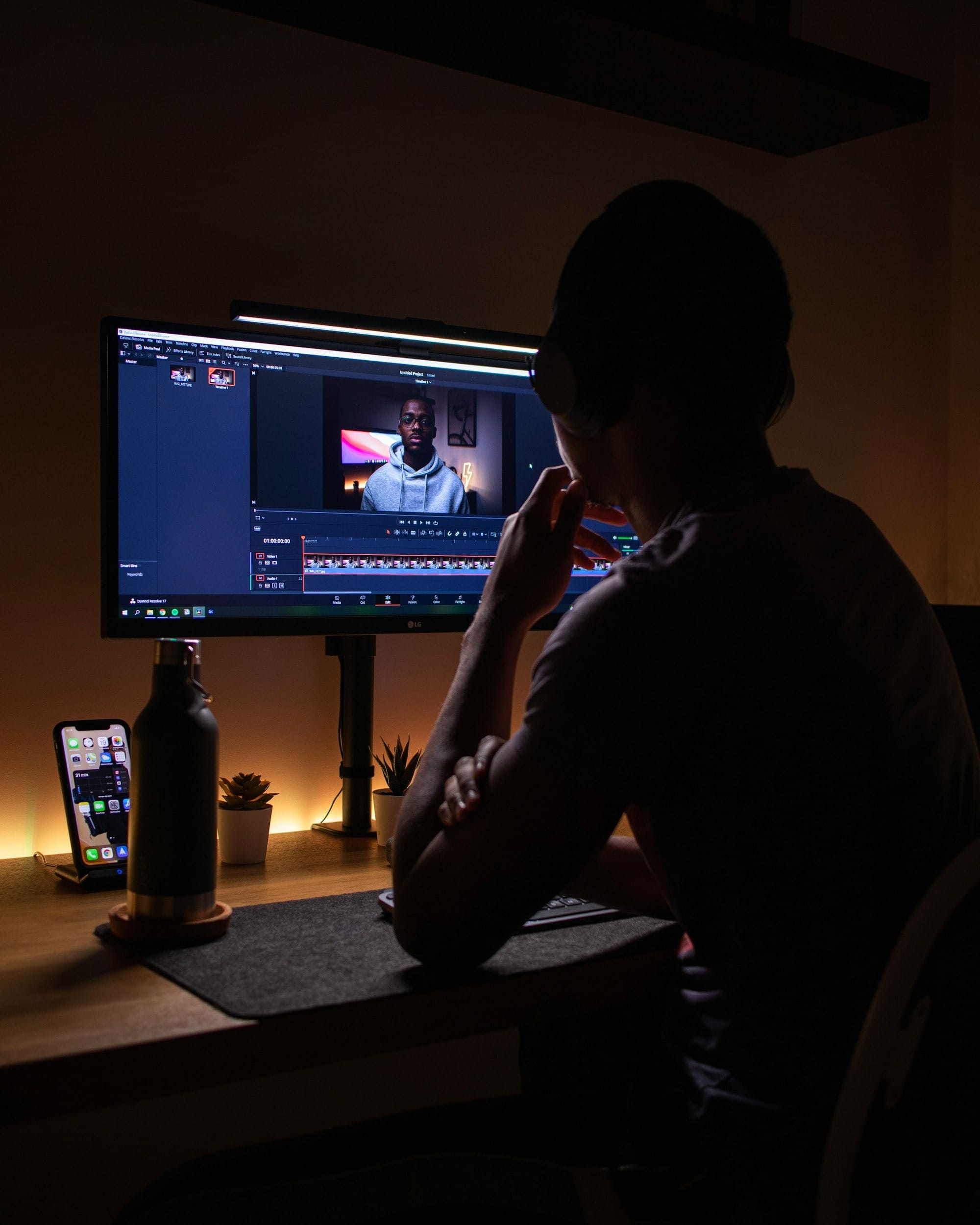
If you don't have access to an editing software, first check what your school offers. Adobe Creative Cloud is commonly offered for free or at a discounted rate by universities. Otherwise, use a free software like DaVinci Resolve. Whatever you do, don't use non-professional softwares like iMovie. You are in film school to learn how to work professionally, and iMovie isn't going to help with your career.
Final touches for Finals Week
Your film is basically finished, so it's time to show it in class! Your professor may have a few notes for you, but watching something you made on the big screen should make you feel accomplished. It's time to celebrate a semester's worth of hard work!
Want to show your film to a wider audience?
You of course can distribute if for free on YouTube, but if you'd like an advantage professionally, consider sending your film to a festival via FilmFreeway.
Never been to a film festival? Don't worry, I've also written a guide on how to attend your first film festival!
Filmmaking is hard, but we do it out of love for the process. Your first student film is a rite of passage into the world of filmmaking. Good luck!