Table of Contents
While fairy tales often contain unbelievable and fantastical narratives, there are deep truths rooted within them. Fairy tales were often used as a way to teach and control children and there is a discussion worth having when it comes to how that fear shows up throughout our lives today as we engage with current issues in our reality. For many, these depictions have been harmful and, instead of empowering young readers or viewers, teach children to reject their own power, independence, and personal autonomy.
It's only in recent years that fairy tale adaptations have begun to shift the original narrative, particularly through the writing of Linda Woolverton. It seems that, with a woman at the helm, these one-dimensional stories have gained complex personalities and independent protagonists in charge of their own happy endings. This begs the question: How does the female gaze alter our perception of these characters and what new ideas can be taught from them?
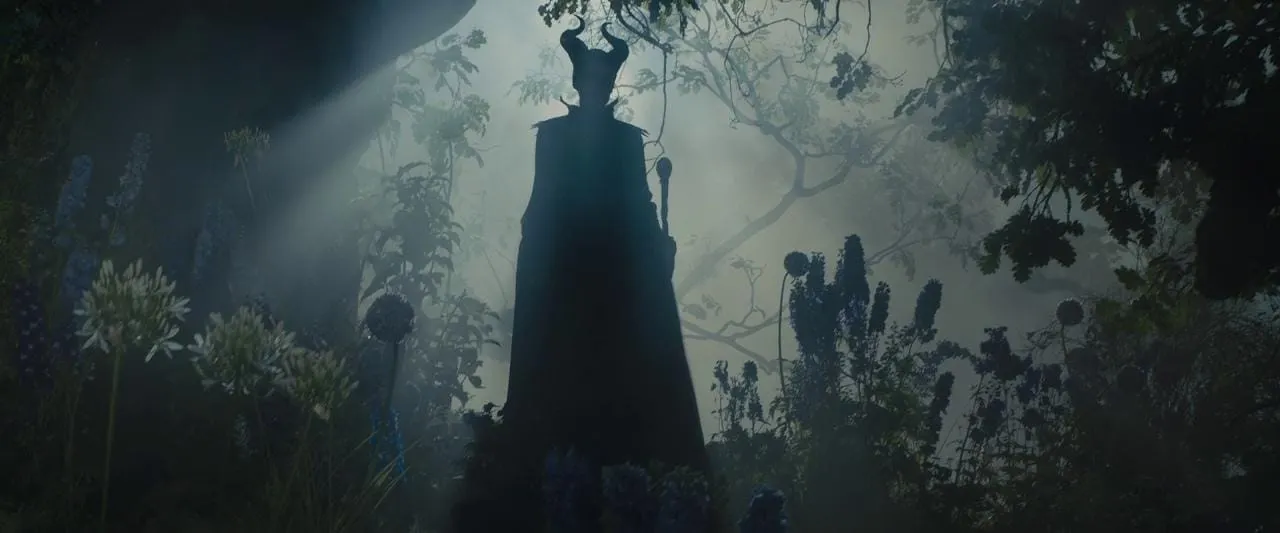
The 2014 the film Maleficent takes the tale of Sleeping Beauty and alters our perspective from Princess Aurora's to the dark fairy that cursed her. In a heartbreaking twist of events, we learn that the curse didn't simply stem from a left-out party invitation as the original story suggests. The true reason she doesn't have wings like all the other fairies is because they were stolen from her by King Stephan, Aurora's father. Knowing that fairies are burned by iron, he drugs Maleficent and saws off her wings with iron chains in order to claim the throne. When Maleficent wakes up the next morning, she screams in agony. As her flesh burns with the absence of what she once had, she forces herself back up and stands tall. She will make King Stephan suffer for what he has stolen from her, no matter the cost.
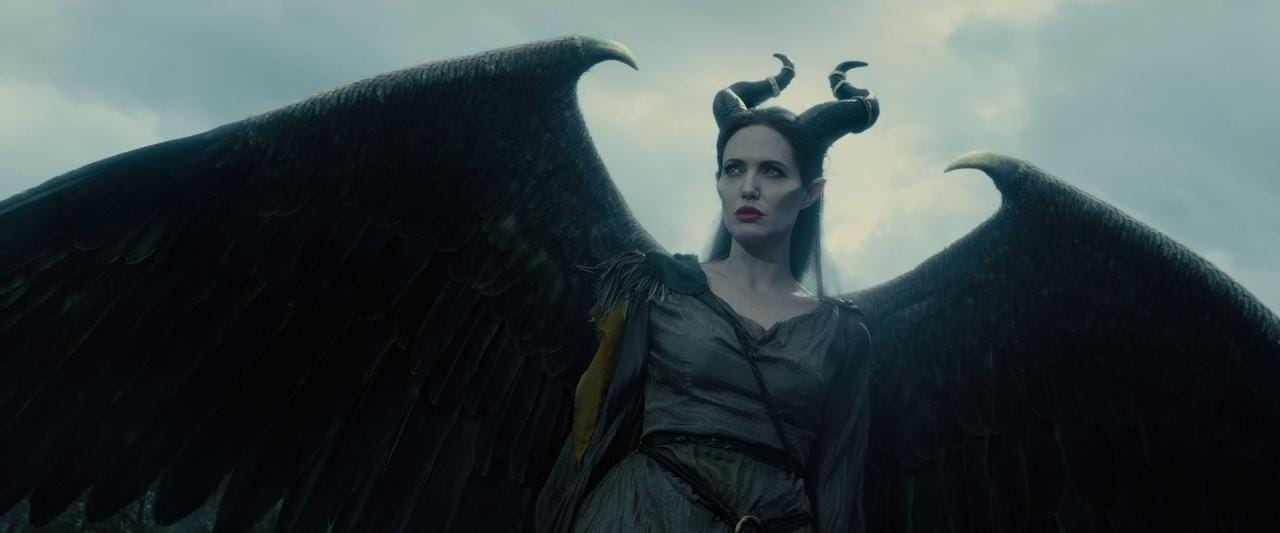
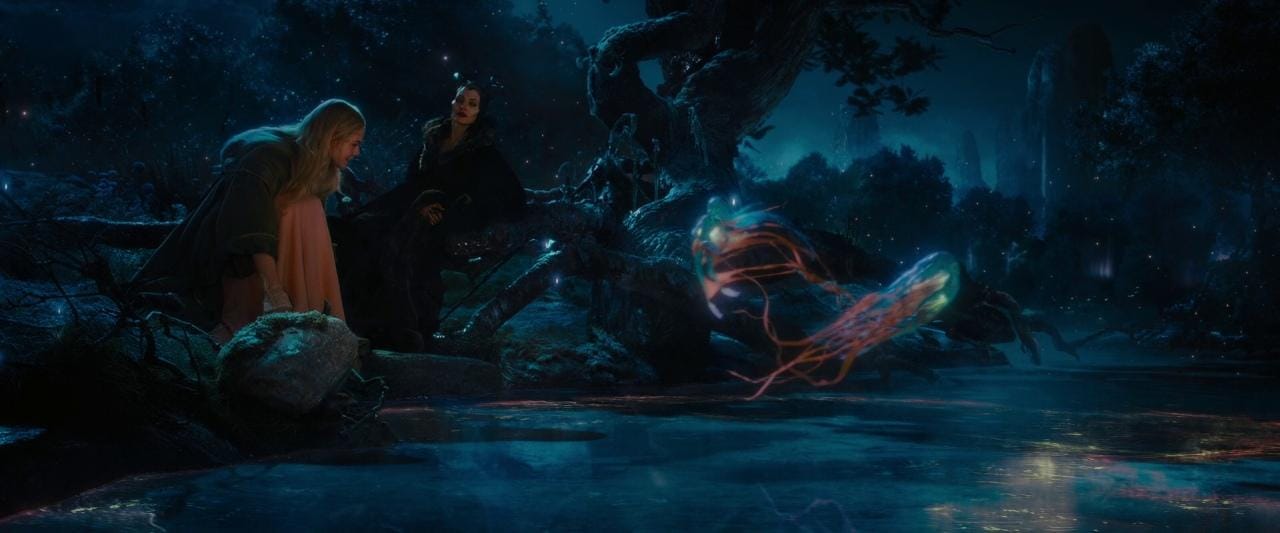
Maleficent is a woman who has been subjected to rape and torture; serious traumas that aren't truly understood by other characters throughout the film. It's only years later that she begins to remember that lost part of herself through Aurora. It's a cruel twist of fate that the one who understands her the most is the one she cursed to eternal sleep. Never truly believing in true love's kiss, Maleficent nearly tears herself apart trying to reverse her curse, but her magic isn't enough to break through a spell forged in such rage. As Aurora inevitably succumbs to her fate, it seems not even the prince's kiss can wake her. As a final farewell, Maleficent leans down and kisses the girl's head. It's at this moment the curse breaks and, in pure disbelief, she learns that true love does exist. It may not be what she initially expected, but their bond reflects a mother's love for her daughter in its purest form.
It's rare that we are able to see a female character with both emotional complexities and contradictions in media that isn't immediately rejected by the public. It's because of this that imperfect women are forced to exist within vilified bodies, such as typical antagonistic roles. Even so, Maleficent completely defies these stereotypical conventions by embracing her imperfection and taking the role of an unconventional single mother claimed by a found family. With Aurora's help, she learns to not let her pain define who she is and reclaims her wings from the king both physically and spiritually.
Another film written by Linda Woolverton is Alice in Wonderland (2010). In the real world, Alice is seen as a girl with her head in the clouds or her nose in a book. It isn't until she falls back into her childhood home of Wonderland that everything is literally and figuratively turned upside down. She is forced to confront the societal conventions that have been thrust upon her and think independently for the first time since her father's death in a world that defies everything she's been taught she should be. It's a constant push and pull between her grief and loss of identity and the woman her family wishes her to be.
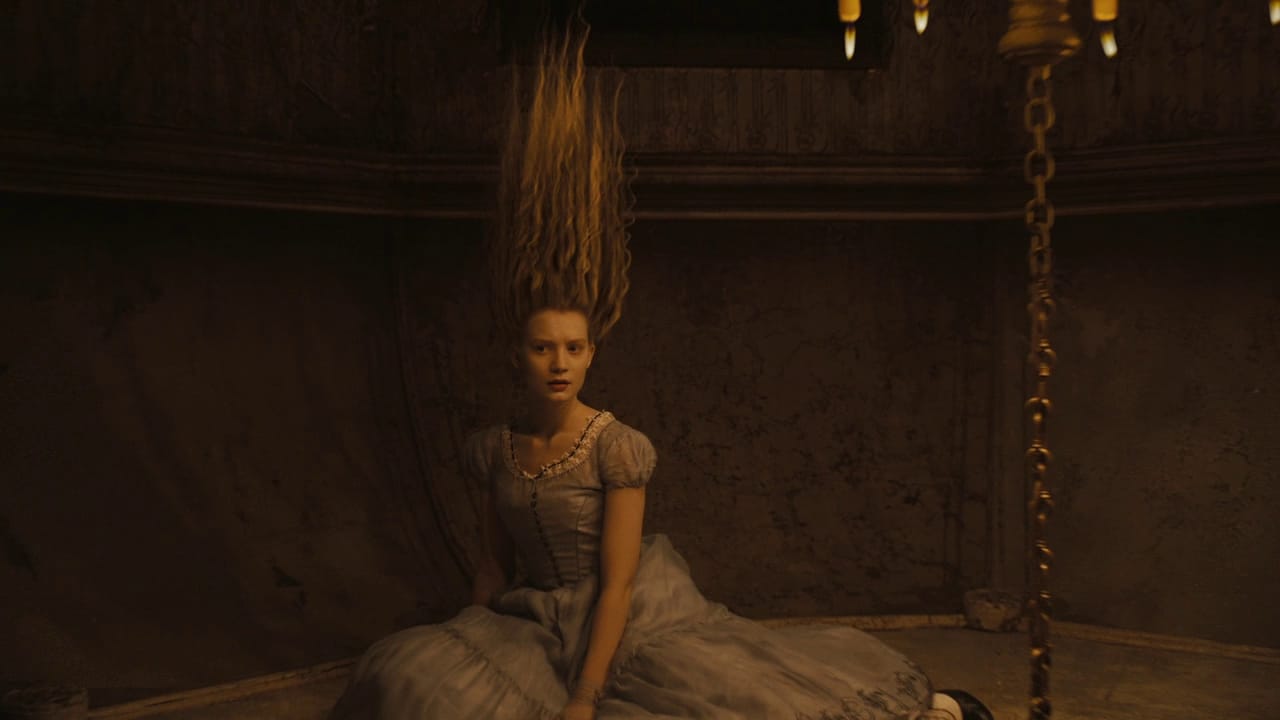
In Wonderland, Alice is a warrior. The prophesied slayer of the Jabberwocky. Her uniqueness is valued and sought after in a way it couldn't be in everyday society as a young woman at that time. This portrayal of Alice depicts a certain dimensionality that still lacks in films today. In fact, every woman in the film is morally ambiguous with flaws and an inherent darkness. It's only through the facade of a fantastical world such as Wonderland that we are more willing to accept these flaws and complexities within ourselves.
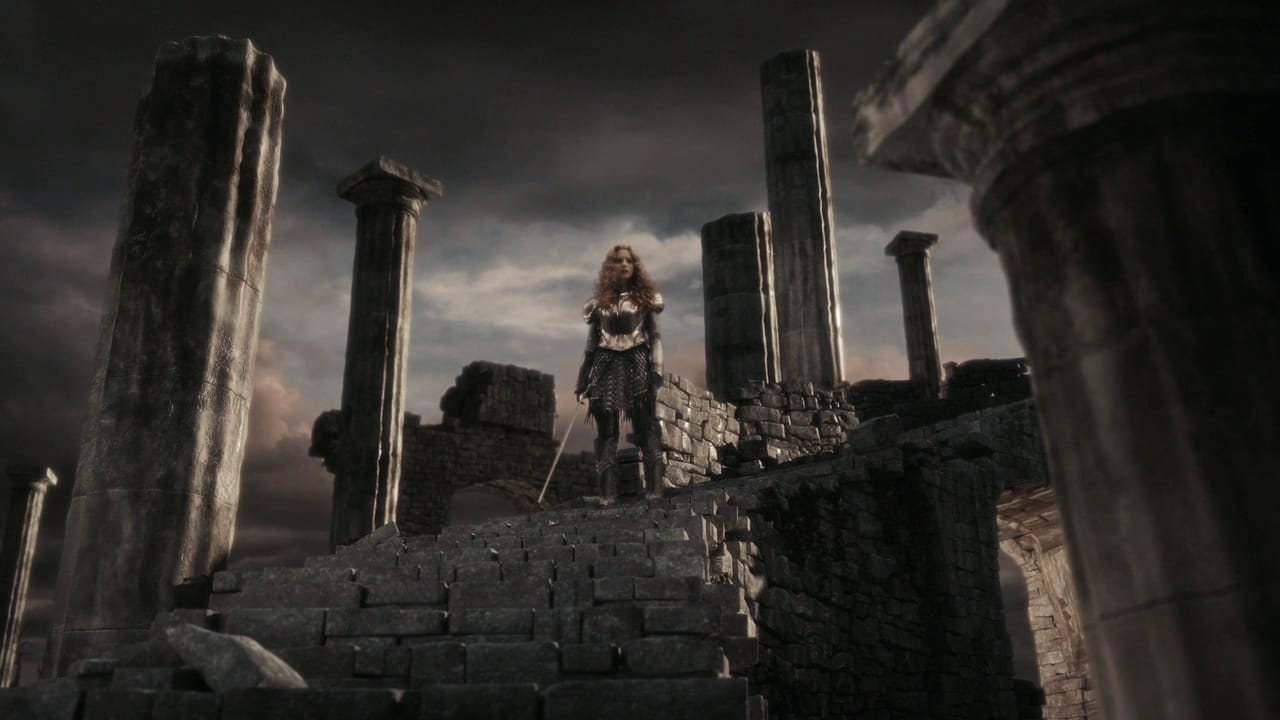
With these films being so well-loved by young women even after more than a decade, it makes you wonder why we haven't continued down this path. The sad reality is that women-led fantasy and action films like these are simply not being made today. Although they were immensely popular at the time of their release, the industry is male-dominated and refuses to believe that audiences would spend money to watch a female-driven narrative where men aren't at the center of their universe. This is a fantasy that doesn't hold an ounce of truth.
What Linda Woolverton provided in her writing was a safe space for unconventional women and people to explore their own struggles along with the characters. Even though children may not realize that Maleficent was a victim of rape, they are smart enough to empathize with her pain. Later in life when someone they know experiences something similar, they are able to take that feeling from memory, and place it somewhere that holds significant meaning in their own reality. Even younger audiences can understand and learn from dark and complex stories. Yes, these films teach fear, but they also teach you how to overcome it and fight for yourself and what is morally right in a world that will try to strike you down every step of the way.