Table of Contents
There was a time when entering the film industry meant chasing after magic, the exhilaration of creating stories that could touch the hearts of audience members, spark conversations, and leave long-lasting cultural footprints. Nowadays, the process can be likened to applying for a job at a tech company, one that is focused on efficiency, marketing and formula.
In a 2024 interview with the SAG-AFTRA Foundation, Jessica Lange spoke her mind about what many have likely been thinking:
“The film industry feels corporate. And I think that's a huge disadvantage."
She spoke with a tone of passion and quiet honesty, emphasising her feelings over the fading loss of something she had once cherished.
In the past 20 years, cinema has shifted from films being brought to life by directors with personal visions, to being motivated by property, sequels and streaming algorithms. Storytelling was once the catalyst of the process, but now the process feels like an engineered product designed to satisfy both audiences and shareholders.
This change has definitely influenced how young up-and-coming artists approach the field. Film school graduates, independent filmmakers, and aspiring actors are walking into an environment that resembles a corporate office more than a creative space. Nowadays, streaming companies and large media groups set filming and production schedules, content quotas and unauthentic PR stunts that transform artistic decisions long before a camera starts rolling.
“I liked it in the beginning where there were wild creative visions for movies.”
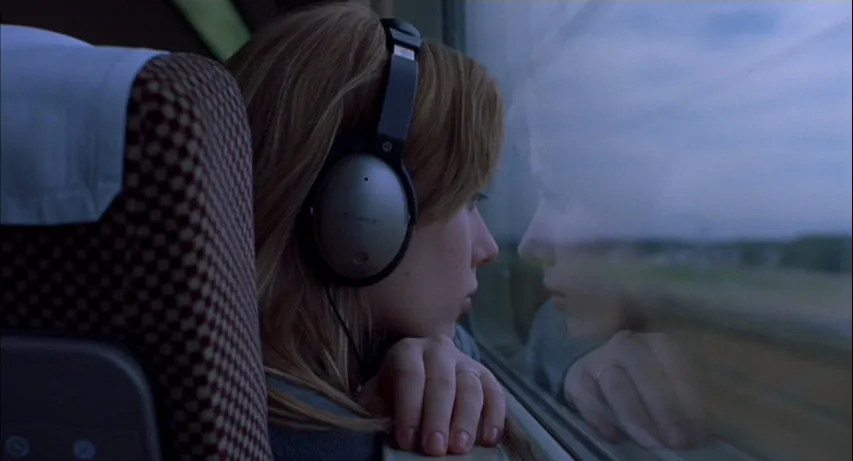
Lange's reminiscence aligns strongly with those who study or practice film in this day and age. Arguably, the pinnacle of cinema was when directors such as Martin Scorsese, Sofia Coppola, and David Lynch revolutionized unconventional films that thrived on creative risk. Coppola’s Lost in Translation relied on solemn, pensive moments, set in unconventional places, over traditional plot beats. Lynch’s Mulholland Drive welcomed the use of surrealism and an unreliable narrator that evokes disillusionment that broke the supposed "rules" of cinema and experimented with atypical, new techniques to storytelling. On the other hand, today’s studio model leans heavily toward guaranteed returns through sequels and remakes. A strong example of this being Disney’s recent catalog of live-action remakes, from The Lion King to The Little Mermaid, along with a surge of adaptations that often prioritize brand familiarity over creative reinvention. In this day and age, risk often means financial loss, so studios avoid it.

The domination of algorithms and global markets has fundamentally changed not just the stories that get made but how they are developed. Scripts are modified to appeal to broader audiences, the endings are tested for acceptance scores, and visual styles are made to fit big franchise brands. In the end, even though films are competent and have a broad audience range, the shock and surprise element is lost. For instance, after The Last Jedi, Star Wars: The Rise of Skywalker had the potential to take daring narrative turns, but a large portion of its narrative was refocused on fan service and safe plot resolves, which undermined any genuine feeling of surprise.
This raises a question for the next generation: What does it mean to pursue a creative life in these dire circumstances? For the majority of film enthusiasts who value and embrace emotional connection, originality, and catharsis, the corporate transformation in filmmaking feels less like a strategic adjustment and more like a loss creatively.
Luckily, there are signs of resistance. Firstly, international cinema continues to draw attention and independent distributors such as A24 bring smaller projects to wide audiences. Directors such as Greta Gerwig, Jordan Peele, and Barry Jenkins keep making work that feels personal. Greta Gerwig’s Lady Bird: a coming-of-age story established in intimate detail and emotional honesty is a movie that resonated with audiences and critics alike despite its modest budget. However, producing and releasing these projects takes far more persistence than before.

Jessica Lange’s remarks serve as a warning sign to those who believe in the profound purpose of film and TV. For those who write, direct, and act – not for fame and recognition – but to articulate human truths, Lange's words are a reminder that the artistry is still present, though fragile and diminishing. If the industry continues to appraise solely the formulaic and marketable, the creative and passionate space for originality will shrink further. Yet each generation churn out artists who refuse to accept those limits. Cinema has evolved through television, home video, multiplexes, and streaming. The next chapter will depend on the readiness of filmmakers to preserve and recommence its creative essence.