Table of Contents
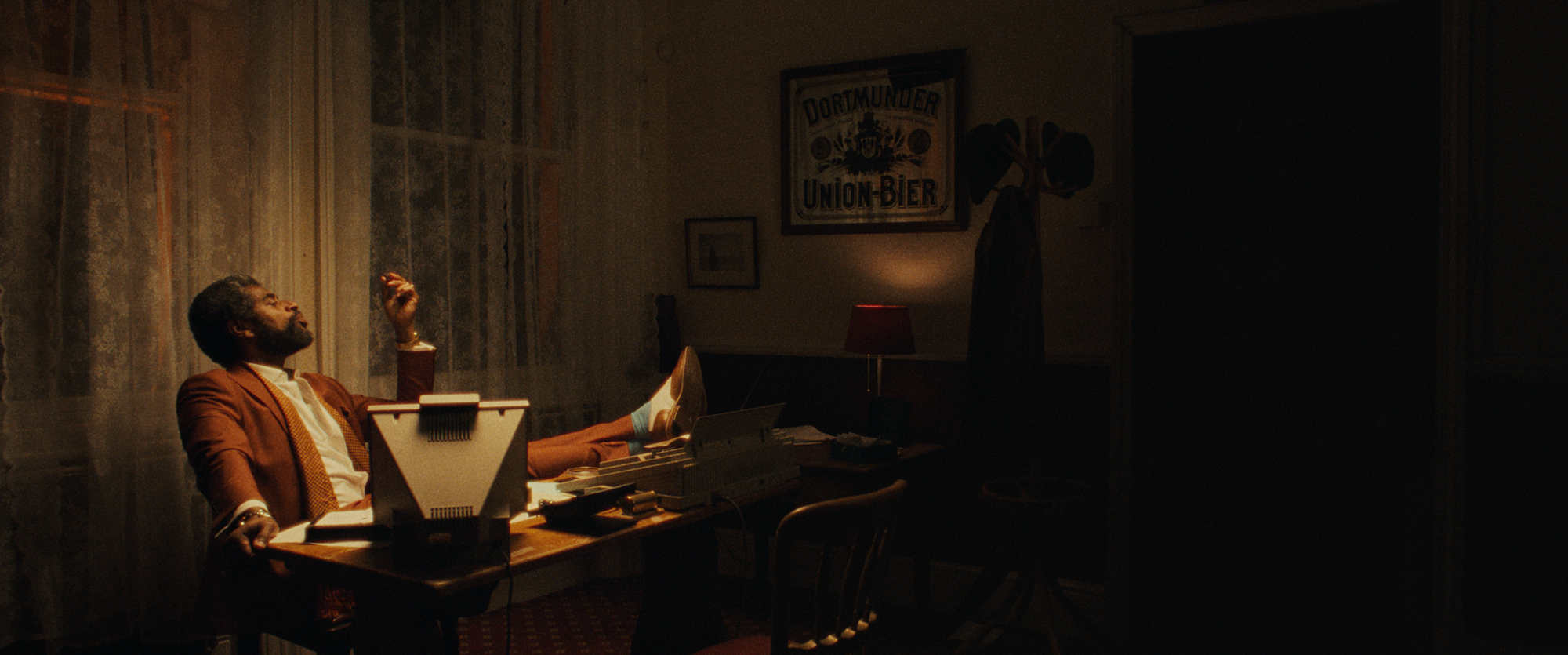
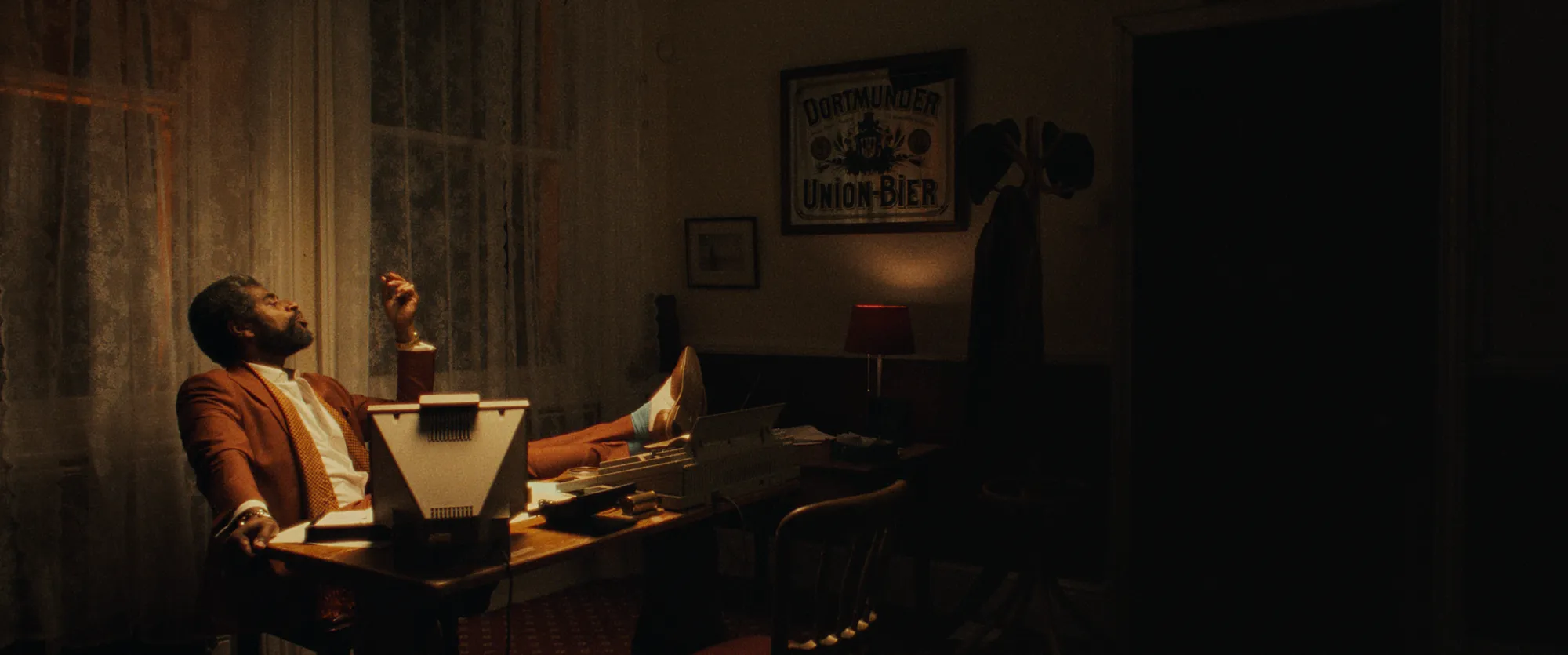
The Last Dance is a final farewell to Fox's famous LA bar in 1990s East London. A staple of the Caribbean community, caught in the crossfire of the rapid gentrification of the city.
How did you come about this project?
The process started actually in New York City. It was the Fall of 2023 and I was quite frustrated and a little bit lost in my career as an actor and writer. I felt stuck creatively and I remember there were two exhibitions that shifted my mindset. The first one was a Spike Lee exhibition at the Brooklyn Museum called Creative Sources. Second one was a Jay-z exhibition called the Book of Hope at the Brooklyn Public Library. They were career profiles on two of our greatest black artists of our generation. They both made the decision, through the frustration, to back themselves. They knew and believed in what they could do.
I remember leaving those two exhibitions inspired. I called my mom and I wanted to get her blessings to come home and to write something new. So I came back to London a week later, and I started to write The Last Dance.
It's inspired by my granddad and my grandma's journey of coming from Jamaica to the UK and building a life for themselves. My grandfather was one of the pillars of the British Reggae movement from from the early 70s to the late 90s. He owned like a string of clubs and pubs that were very famous for reggae music.
How long did you shoot for?
We shot it in three days.
What was what was the range of your budget?
Our budget was kind of around $20,000, but the caveat is – Reggae music, to license, is so expensive. So some of the budget was just eaten away by having those different tracks. But the thing is, this film without reggae or without proper recognized music would not be what it was.
What was the music licensing process like?
We had the most amazing Music Supervisor, Bethany Marshall, who I met when I spoke with 45RPM Music Supervisors. They are a company that I first spoke with and they introduced me to Beth, who was working there at the time. So they were like you guys partner up and we'll help. I also had a connect at Greensleeves Records and VP Records. So they were very much like here's a list of tracks you can have but there was a lot of back and forth about ownership. It was that process for maybe about four or five months and because of the history of reggae music a lot of music was stolen or the ownership was stolen. To get clearance obviously requires you to go back to the rights holders and that process can take a very long time because some of the rights are quite muddied. It was really tough but it's added a richness and authenticity to this film and a production value that is undeniable. We started the process way before we shot it because we knew how long it would take. You're gonna need as much lead time as possible. We're talking months.
What was that process like for casting and finding real Caribbean based dialect speaking actors?
For me that was a non-negotiable. I've seen, and I'm sure you've seen, projects where it's not authentic and you kind of cringe. I have also seen where black filmmakers have had to water down the product to make it accessible and for me, I just wasn't prepared to do that. So myself and my casting director, the amazing Caroline Mcleod, first spoke about everyone has to have a proper Yardie accent (Jamaican Patois). If they don't have that real authenticity, it's not gonna work for me. We were able to find a cast that, across the board, were uniformly good.
What kind of tech did you use for this?
We shot on an ARRI ALEXA Mini LF, which my cinematographer Joel Honeywell owned so we shot with one camera. We couldn't afford two cameras.
You produced, acted and directed the short, what was that process like?
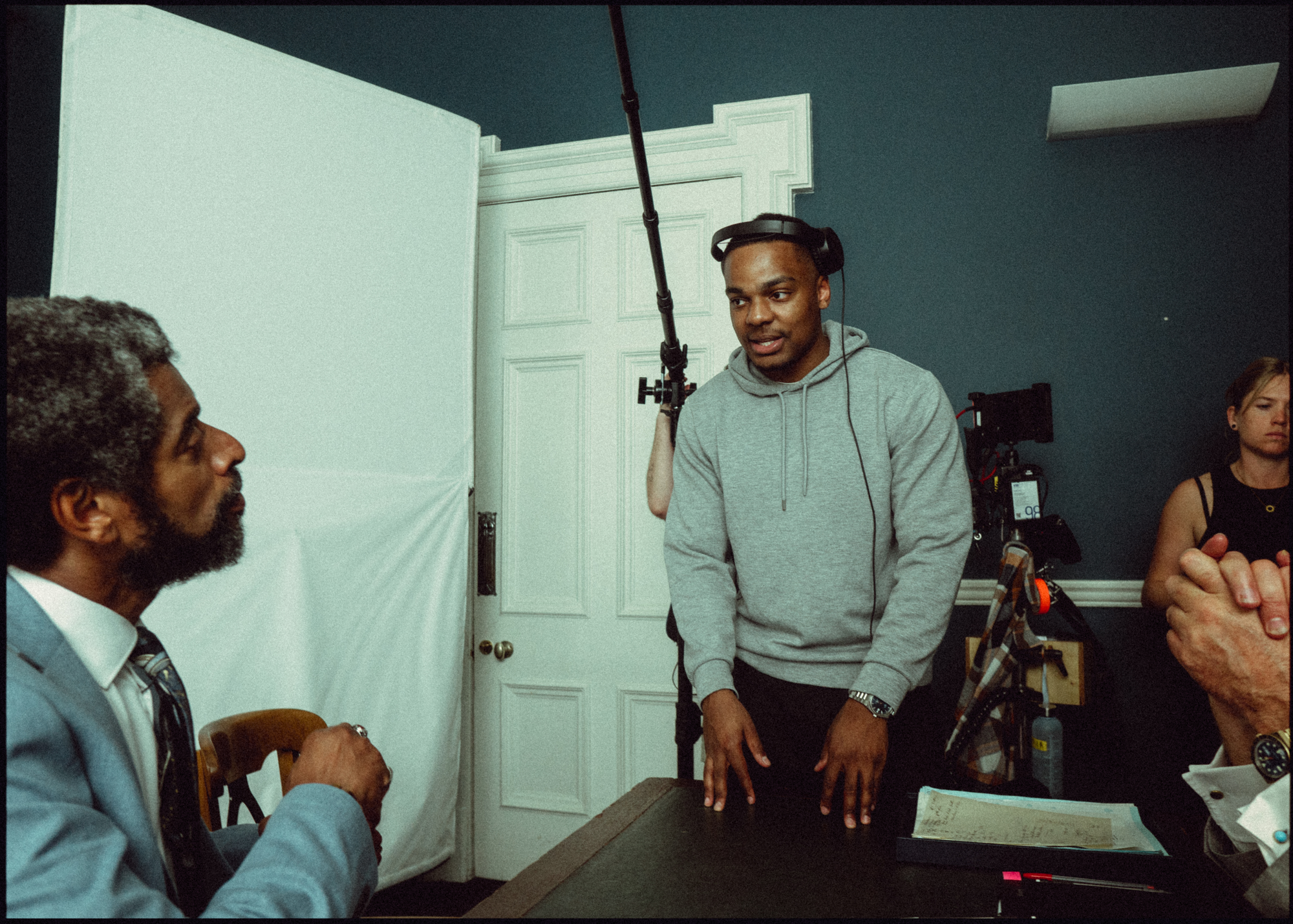
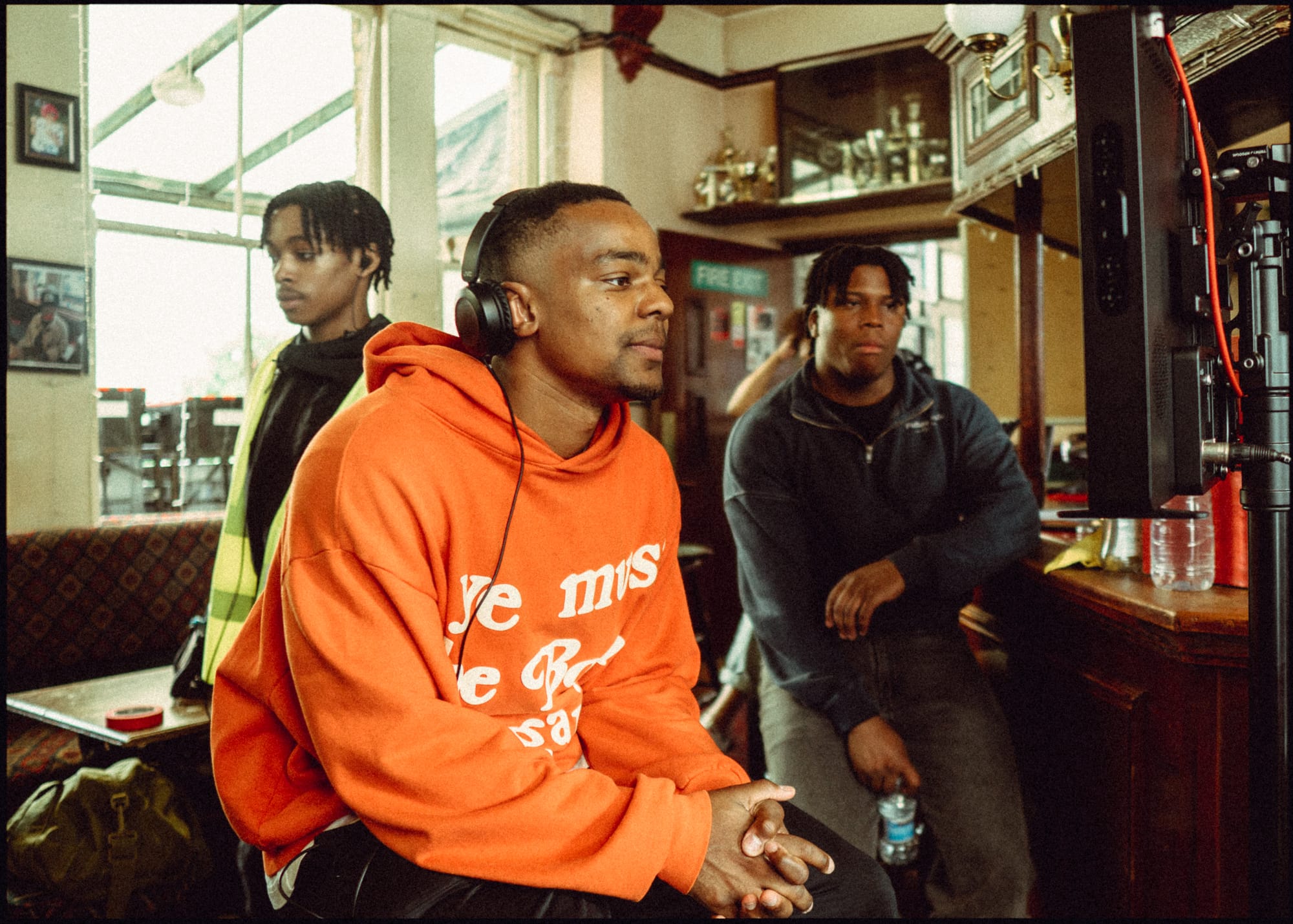
It was tough. I call it an act of faith. It was something I'd never done before. I've written stuff before. Producing, I'd never done before. I kind of knew the nuts and bolts of it, but until you do it... It's like anything in theory, I still had to learn how to do it. Luckily I had more experienced producers around me, Lurleen Johnson and Harold Salakianathan in my team. The producing is important also because when you're dealing with your own money, it's a very different thing. Every decision is another pound or dollar spent. You have to be a lot more accountable and a lot more focused as the stakes are higher. Then the directing side, I just felt like I had such a clear vision of what I wanted, that didn't scare me. I was only nervous the very first morning, but it's kind of was like a relative flow state. I knew the story I wanted to tell. The actors I had were top level and my cinematographer and myself were clear on what we wanted to capture. Overall, the experience was incredible and and it definitely hasn't put me off from doing it again. You definitely need to be supported to do it.
What advice would you give someone who's new to filmmaking, but they also want to act, direct, and write for a sole project?
I would say make sure you have a support system around you to sustain you. I do think there's something special about people that are more experienced than you being around you. I don't think you should all be first timers if you're trying to do that.
What do you want your audience to take away from your short film?
This story is loosely based on the events that happened to my granddad. It happened actually twice where two of his venues were compulsory purchase ordered. Which is basically the city are taking back their building even though you own it.
I definitely feel it's a story that my community is yearning for, something that feels unapologetic. It's rooted in a place that doesn't compromise or bend the knee. It's very much like "this is who we are". This is our history, this is what we went through, and with a sense of dignity and pride.