Table of Contents
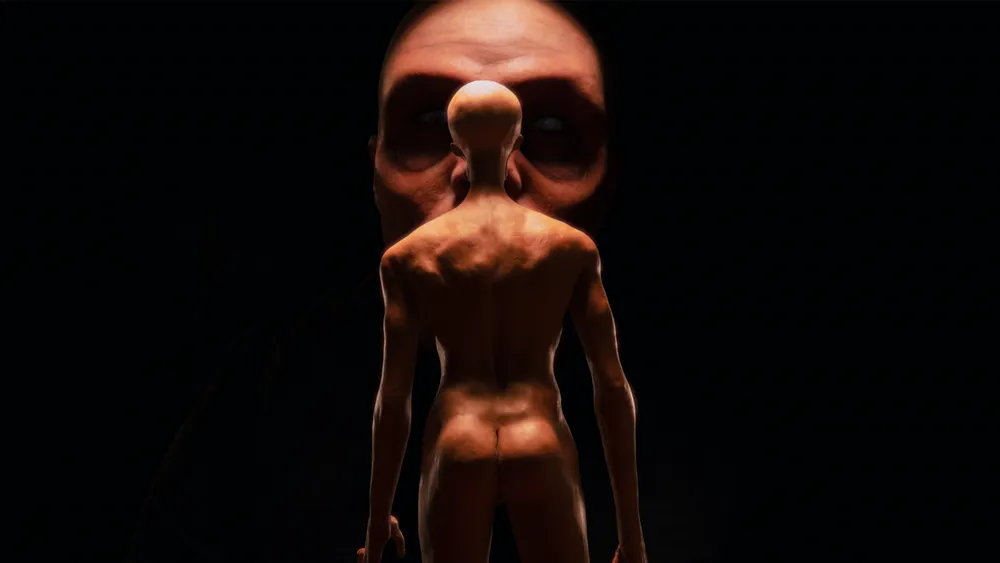
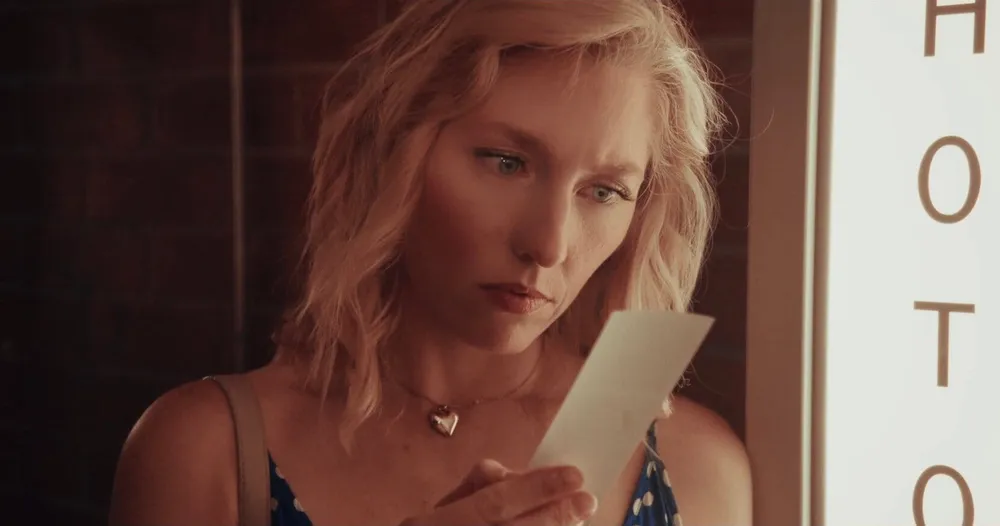
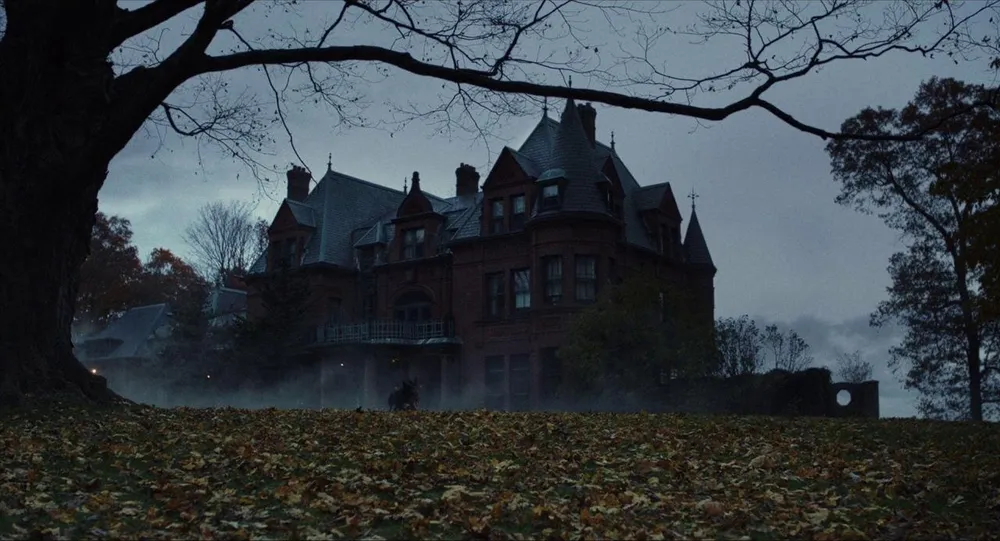
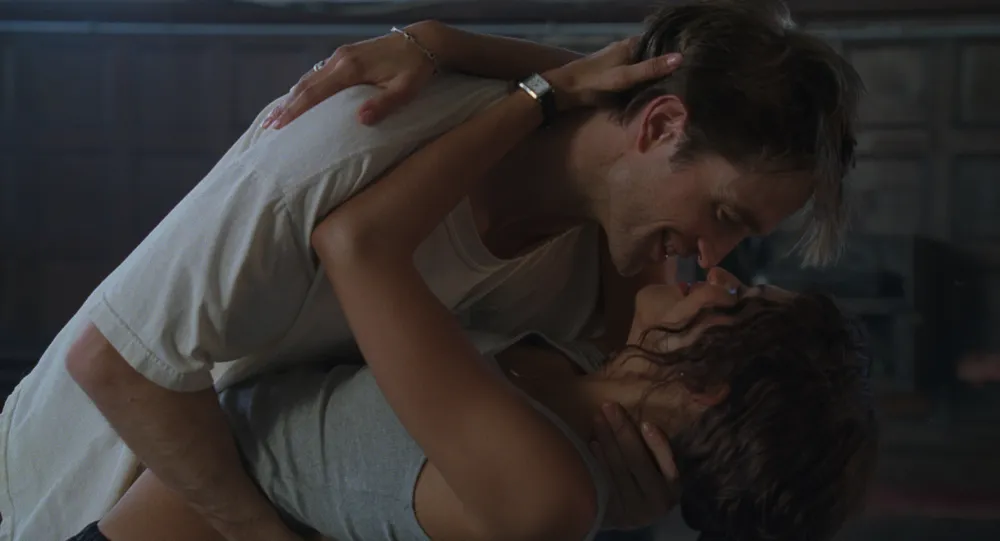
Merced Elizondo‘s, The Mourning Of is a proof-of-concept, Oscar-Qualifying short film that explores the process of grieving a major loss. It’s portrayal of grief and what it takes to keep moving with it, is expressed through the heavy gothic organ music (by composer René G. Boscio) that blares at the viewer, and the beautiful composition (led by Matheus Bastos), that highlights the isolation and surreal dissociation Maribel (Natalia Villegas), has been experiencing. It's only when Father Thomas (Julio César Cedillo) intervenes that Maribel is forced to face the ghosts that haunt her. The Mourning Of has had a successful run at recent festivals, and is a contender for the 2026 Academy awards.
When talking to Merced about the themes of the film and what he wanted to convey, he strongly emphasizes how he focused on both the personal and universal aspects of loss.
"It was pretty important for me to make sure that I harped on one specific point about death and grief because– I've been through grief, I've lost friends, I've lost family... it's important to me to try to get something so important, but at the same time so universal, right."
Merced brings this idea to life through his character, Maribel. In the short time that the audience gets to know Maribel and her grief, her denial, and the ways in which she attempts to reconcile with her mother's death, a very clear message comes through.
"Grief is not something you move on from," Merced explains, "It's not so black and white...Grief is much more complicated and complex."

Maribel showcases this idea perfectly. Audiences watch as she attends the funerals of strangers, sitting in the pews and pretending to mourn the deceased of whatever procession she's decides to come to that day. Her cycle of attending these strangers funerals is unthinkable, and initially, difficult to understand. There is a knee-jerk reaction to criticize her immoral actions and deceptions to the actual mourners, but as her story and her grief are revealed, this shifts.
Alongside this strong character, Merced had a clear voice and personal knowledge. There is an emphasis on gothic sets, thematic music, and inspirations from films such as Jackie (Pablo Larrain), Manchester by the Sea (Kenneth Lonergan), and Three Colours: Blue (Krzysztof Kieślowski).
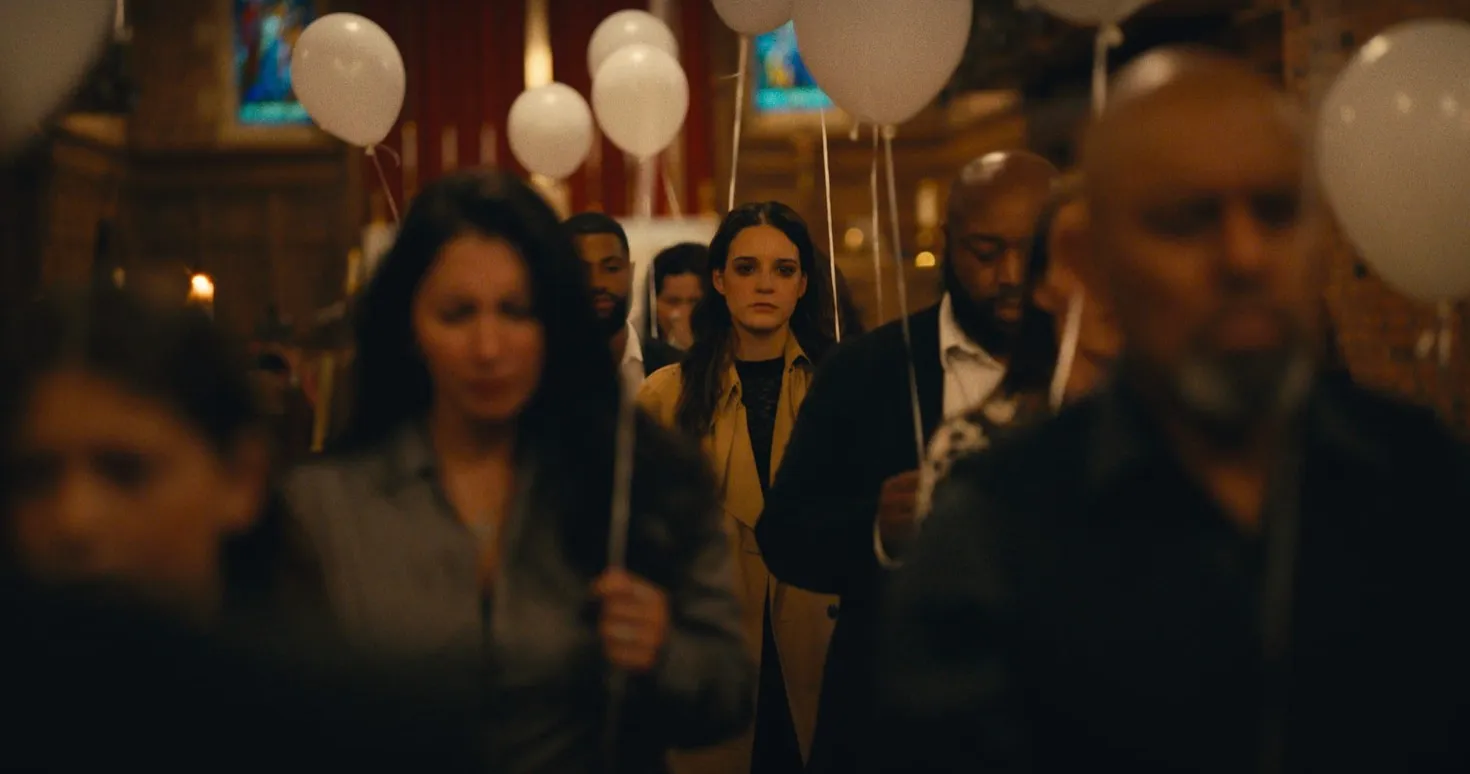
For this film, Merced also employed method directing. He gained ideas by doing research on funerals, looking for sources online, and even attempting to get experience in person as well. These details would eventually make their way into the film, such as one of the core scenes where the procession leaves the funeral and releases a cluster of white balloons into the sky; all except for Maribel. It was interesting to me that Merced also mentions that all actors, from the background actors to Maribel herself, were given their own motivations for their characters grief, in order to create the authentic grieving. Merced says even for the priest they tried to stay away from the usual caricature of priests in media.
"A lot of priests in most movies, they come off as just like caricatures of themselves," Merced says, "they're very holy, like, too holy and robotic, to the point that they don't have any personality."
This pushed Merced to alter the priest's language and introduce that personality for this character. There were a lot of sources and inspirations for this film rooted in reality, and ultimately helped with the believability of the characters and the scenes.
The film sparks a lot of discussion. With a topic so universal and controversial as death, every viewer has a different perspective on it. Whether it be an instinctive recoil to the scenes, or a feeling of connection to Maribel's grieving process, Merced acknowledges and finds satisfaction in the conflict.
"I would rather that then a movie where everyone is like, meh... There is death in grey and mediocrity, we're in age where you throw something on a streaming platform on a Thursday, and by Monday we are talking about the next best thing... so if you remember because you fucking hated it, or you remembered it because you loved it, either way you remembered it."

With a budget 6 times bigger than his previous film, and a grant from Warner Brothers, the films sheer scale overwhelmed Merced, but knowing he had the ability to pull it off was incredibly rewarding for him.
And for aspiring filmmakers wanting to cover this type of subject in a similar, in-depth, creative way, he says:
"Make it when you feel like you are ready."
As his first short film, Merced kept this idea for a while and developed it alone before being ready to actually direct it. He explains that up and coming filmmakers need experience, and having your first film be the one that you have the most connection to and expectations for, is a bad idea. You wouldn't be able to do service to it. So tell the story that you want to make, when the scale of it won't scare you.