Table of Contents
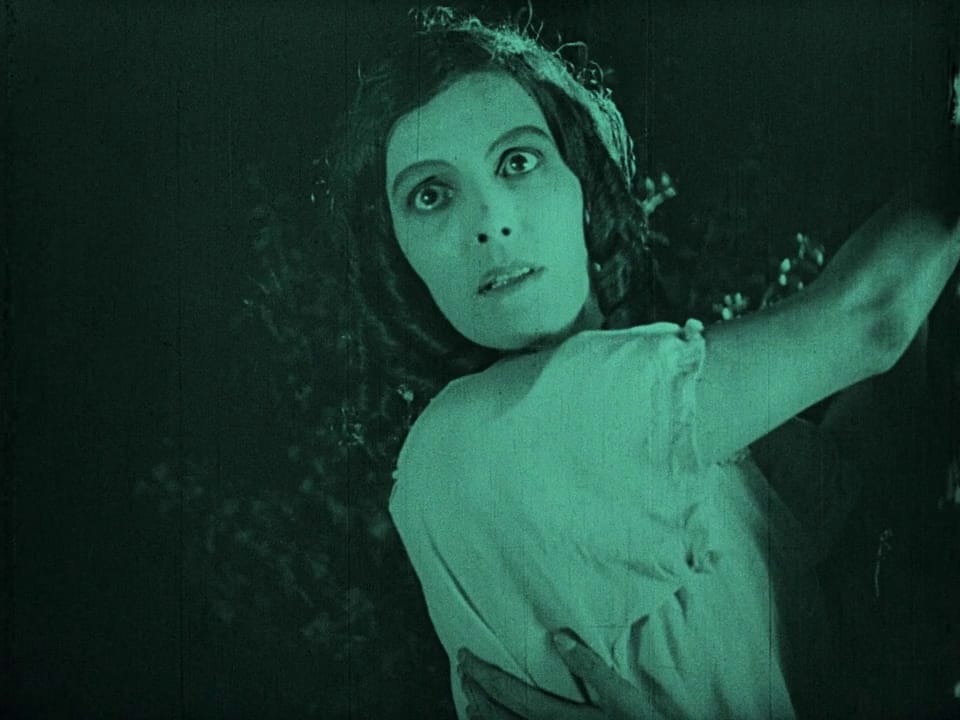
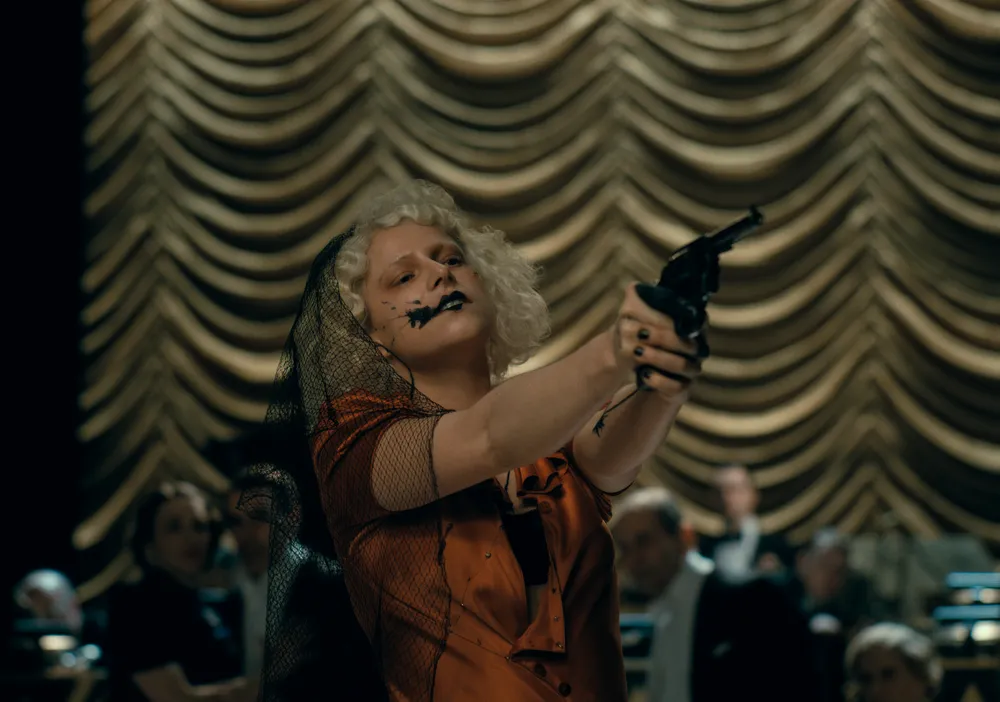
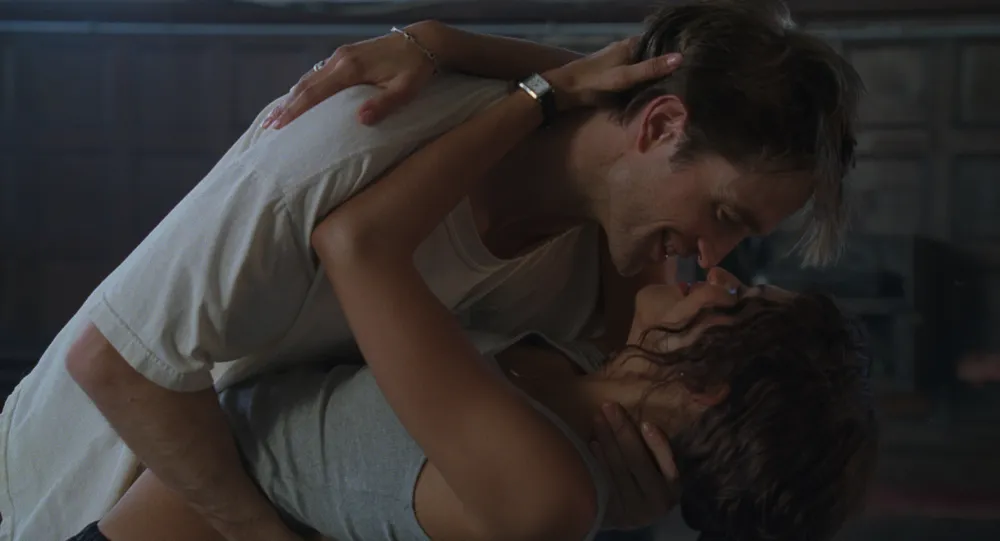
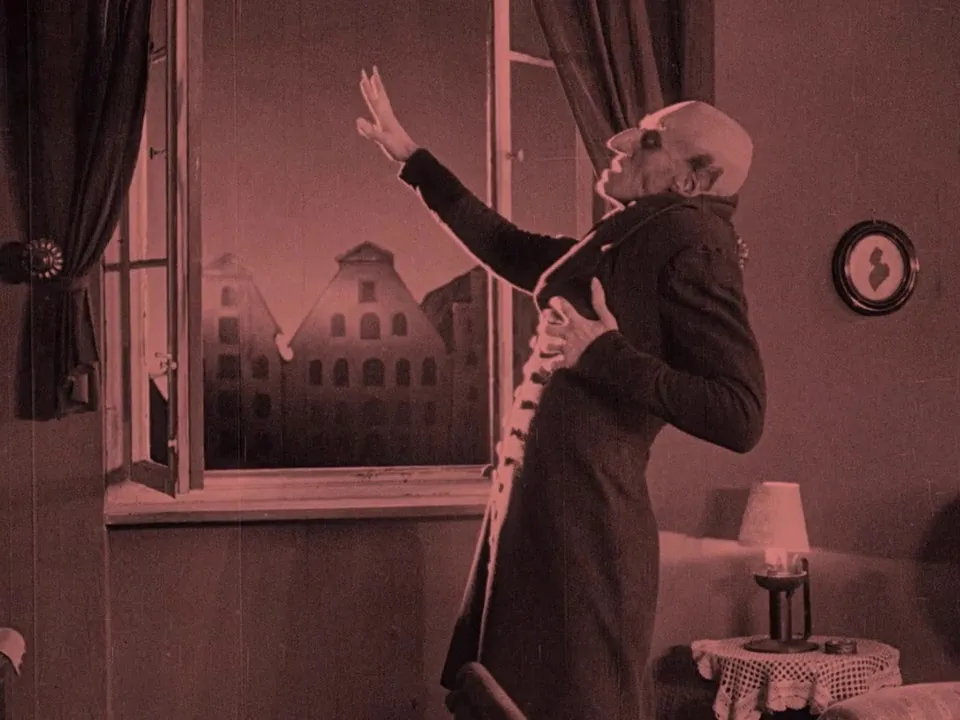
Nosferatu 2024 has garnered a cult following online since its release. For the most part, this "cult" is made up of people that find there is a romance between Ellen (Lily-Rose Depp) and Orlok (Bill Skarsgård). Simultaneously, the film has received lots of criticism from people who push back on the idea of it being considered a 'romance' film. When you look on Tiktok at fan edits made of Nosferatu many of them are framing Ellen and Orlok in a romantic light, if you care to venture a look I'll provide one. There are even fan-fictions written about them, and a variety of articles debating if this story is a romance or a tale of abuse. Count Orlok is the centuries old vampire in Nosferatu who has an obsession with Ellen, a young woman who has just gotten married. Nosferatu is labelled a gothic horror, so why is it that so many women feel seen and find romance in the relationship between Orlok and Ellen?
There have been many adaptations of Nosferatu over time but the most recent 2024 adaptation by Robert Eggers is the first to focus more on Ellen and more deeply developing her character. This larger focus on Ellen and her perspective certainly gives her more agency and lets the audience feel connected to her. Through the prioritization of Ellen‘s agency, Eggers creates a story in which Ellen isn’t a victim of Orlok but someone who feels seen by him and desires him.
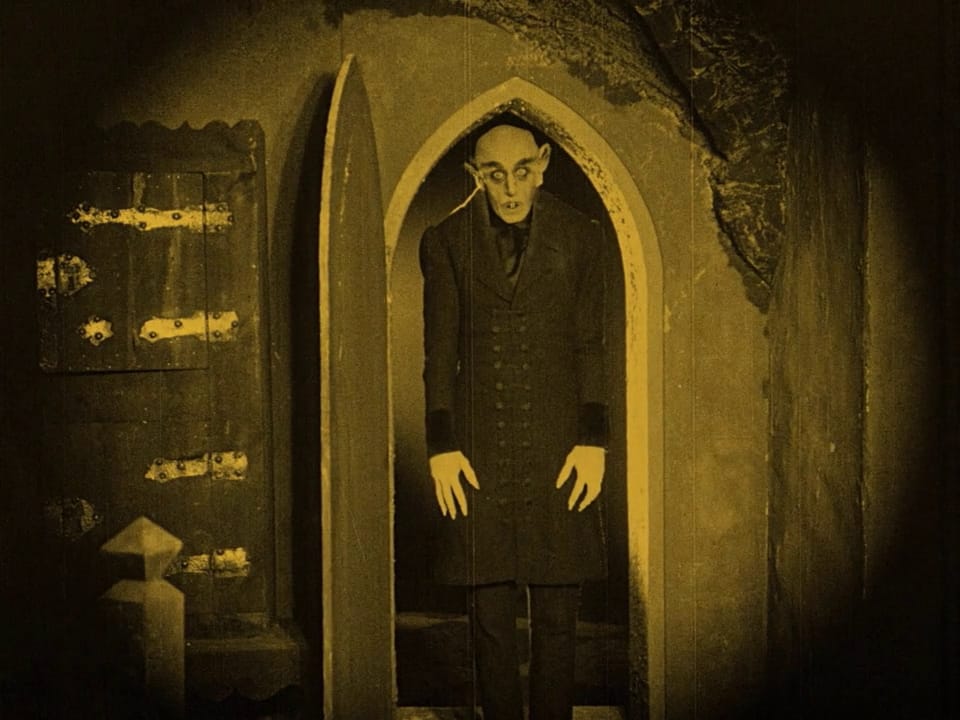
Orlok is widely interpreted as representing socially unacceptable behavior and sexual desire. Ellen is ashamed of being drawn to Orlok; the puritanical victorian society she lives within believes that women pursuing their desire and pleasure is wrong. Ellen tries over and over again to be “normal” for her husband Thomas, and yet, she always gives into her desires – making her feel like she’s undeserving of a man like Thomas. Ellen feels more understood by Orlok than by victorian society and its constraints that make her constantly feel ashamed of herself. Therefore, the reason so many people, especially women, are invested in Ellen and Orlok as a romantic pairing seems to be that they relate to the idea of society making their desires feel wrong.
The pushback the film has received (largely from men) – asserting that the romantic interpretation of the film is wrong, that the film is an allegory for abuse even – is simply a modern day example of the theft of women's agency. Policing how anyone interprets a film is never acceptable, especially when the film is being interpreted in very personal ways. Eggers said in an interview with The Verge: “The only person [Ellen] really finds a connection with is this monster, and that love triangle is so compelling to me, partially because of how tragic it is." Eggers himself feels that Ellen, Orlok, and Thomas are a tragic love triangle. Meaning that it is, in fact, by design people find romance in Ellen and Orloks relationship.