Table of Contents
In an era of bloated blockbuster budgets and relentless franchise expansion, a curious trend emerges: the films that resonate most profoundly—both commercially and culturally—are often those most deeply attuned to the workings of the human mind. While spectacular visual effects and familiar intellectual property may draw audiences initially, it is psychological logic—the authentic representation of cognitive and emotional processes—that ultimately transforms casual viewers into deeply engaged participants. This connection between psychological verisimilitude and film success is not merely coincidental; it reflects a fundamental aspect of how compelling narratives operate.
Inside Out - The Psychology of Emotional Integration
Pixar's Inside Out (2015) stands as a premier example of psychological logic driving cinematic success. The film grossed over $857 million worldwide while earning critical acclaim and a Best Animated Feature Oscar, but its true achievement lies in its accurate embodiment of emotional cognition.
The film's central psychological insight—that all emotions serve adaptive purposes—aligns perfectly with contemporary affective science. Dacher Keltner, a psychology professor who consulted on the film, ensured its fundamental messages about emotion remained consistent with scientific research. This commitment to psychological accuracy transformed what could have been a simplistic children's cartoon into a nuanced exploration of emotional intelligence.
Joker - The Psychology of Trauma and Social Isolation
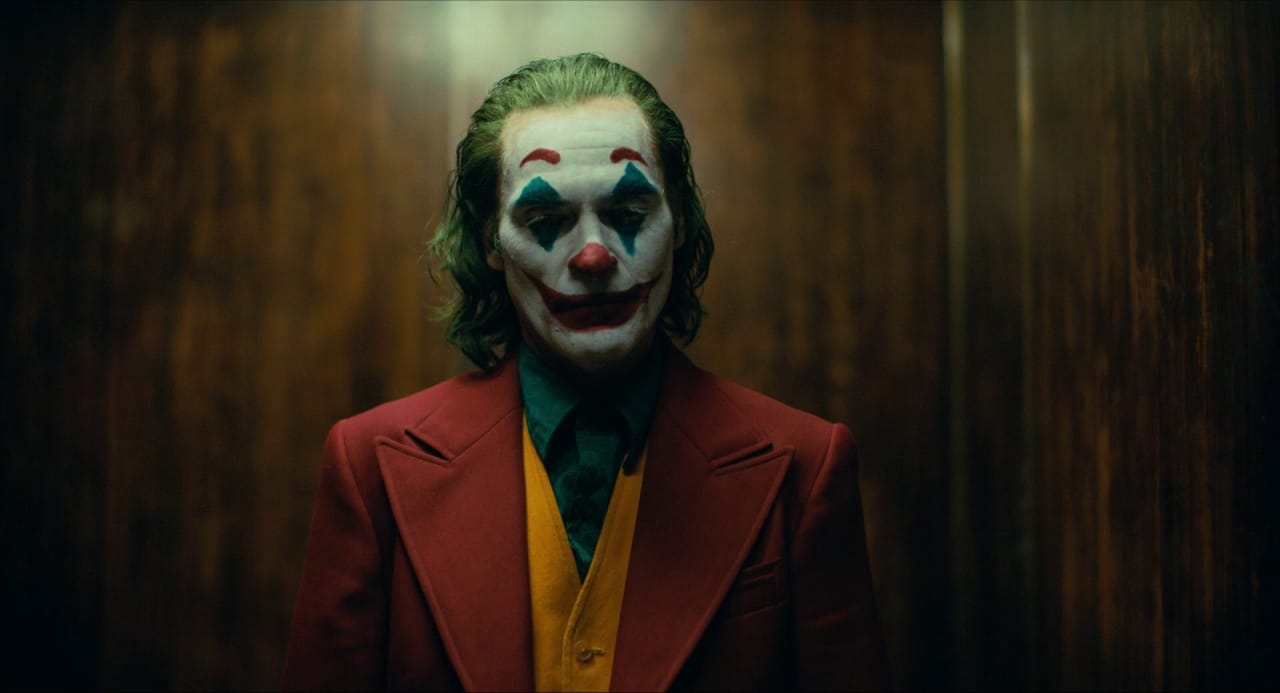
Todd Phillips' Joker (2019) generated both tremendous commercial success ($1.07 billion globally) and intense cultural debate through its unflinching portrait of psychological deterioration. Rather than presenting a stereotypically "evil" villain, the film offers a clinically-informed study of how mental illness develops within an unsupportive society.
Arthur Fleck's psychological profile includes pseudobulbar affect (uncontrollable episodes of laughing or crying), likely resulting from childhood traumatic brain injury. The film accurately depicts how neurological conditions can interact with psychological trauma, creating complex clinical presentations that resist simple diagnosis. Additionally, Arthur displays features of narcissistic personality disorder (craving attention by any means) alongside psychopathic traits (lack of empathy for victims), representing what psychiatrists would recognize as a complex mix of personality pathology rather than a single mental illness.
The film's psychological power derives not from glorifying mental illness but from forcing audience empathy with someone experiencing it. As Arthur notes, "The worst part of having a mental illness is people expect you to behave as if you don't"—a sentiment that resonated authentically with viewers familiar with mental health challenges. This empathetic engagement, however discomforting, created powerful word-of-mouth marketing that drove the film's commercial performance.
Joker's success demonstrates that psychological logic need not be comforting to be effective—audiences respond to authentic representations of psychological experience, even dark ones, when they illuminate truths about human nature and society.
In conclusion, the triumph of films like Inside Out, Joker, and Black Swan underscores a critical lesson for the film industry: psychological logic is a universal key to audience engagement. While visual spectacle may initially draw crowds, it is profound character psychology that ensures lasting impact and longevity, transcending genre boundaries from animation to thrillers. Furthermore, because fundamental psychological processes are shared across humanity, stories built on this authentic foundation possess greater global relevance, resonating with international audiences far more effectively than those reliant on culture-specific humor or references. Ultimately, prioritizing the accurate portrayal of the mind is not just an artistic choice, but a commercially astute one.