Table of Contents
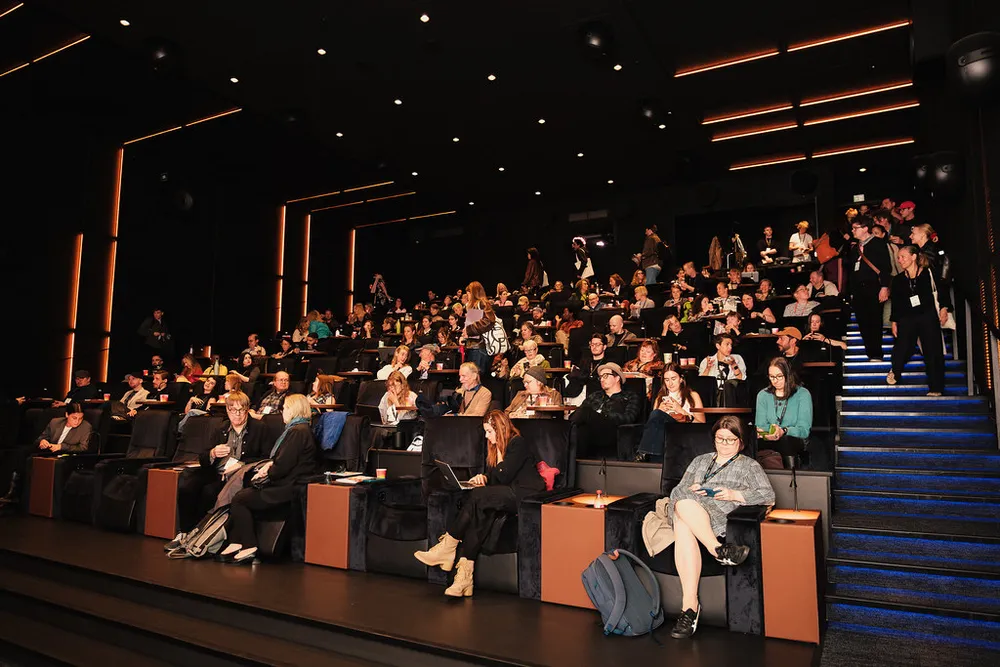
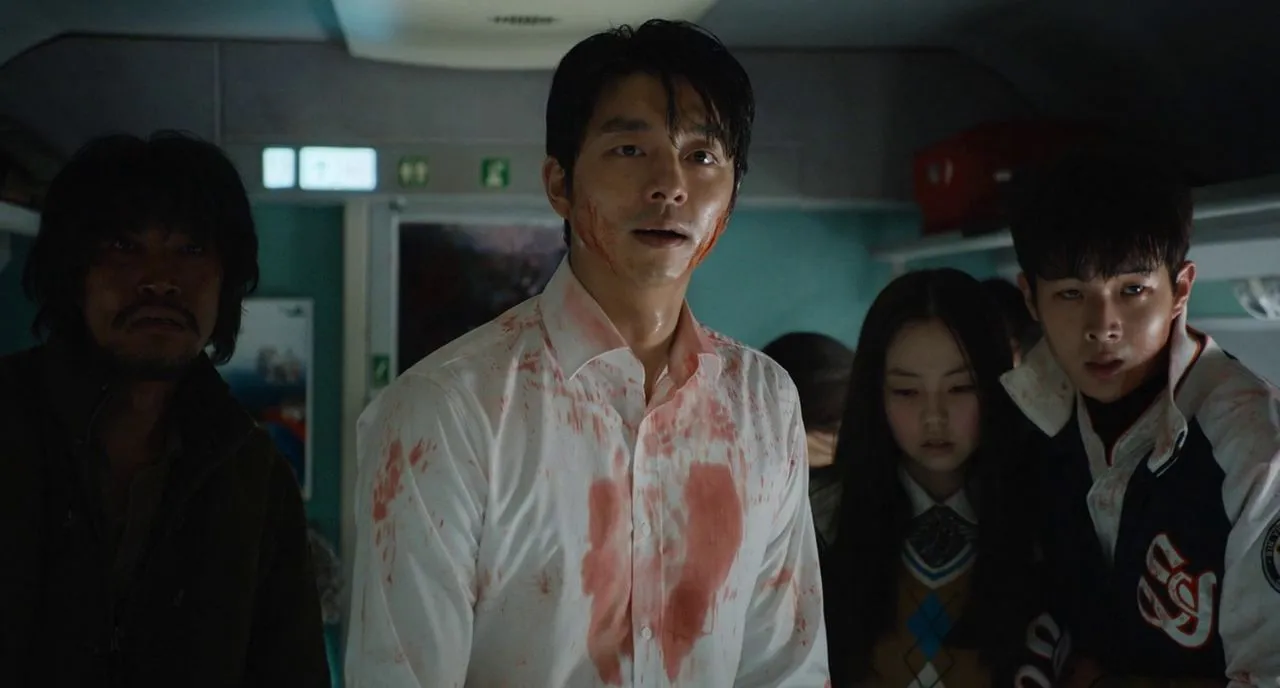
When Yeon Sang-ho’s The Ugly premiered at TIFF, there was a hush in the theatre that felt different from the buzz that usually surrounds his work. This wasn’t the high-octane chaos of Train to Busan or the genre-bending spectacle of Psychokinesis. Instead, The Ugly arrived stripped-down, intimate, and startlingly quiet, a film made in just three weeks with a skeleton crew of twenty, yet carrying the weight of something far larger.
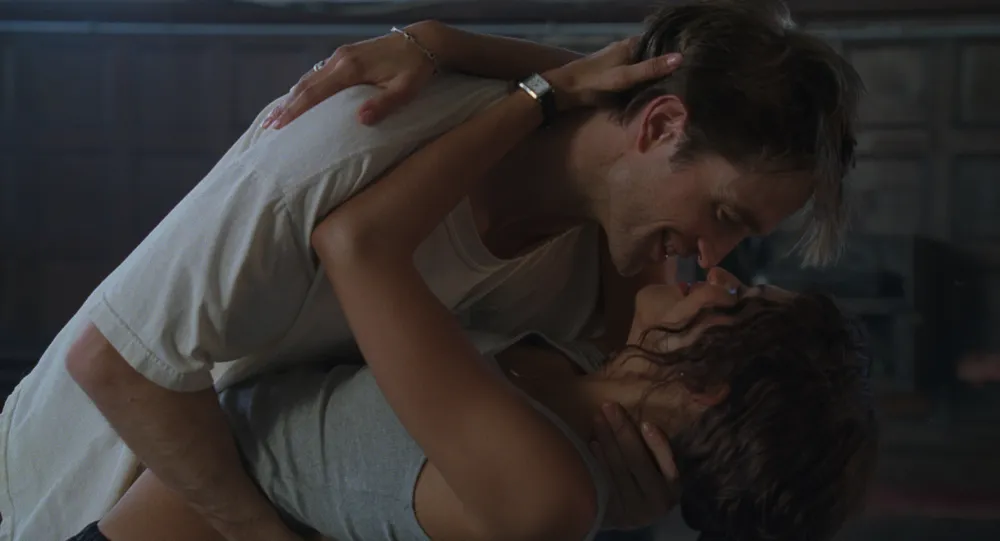
For a director known for zombies on trains and animated social horror, The Ugly is a radical pivot. Adapted from his own early graphic novel Face, the film follows Dong-hwan (Park Jeong-min), a son unravelling the mysteries of his late mother’s past. Through flashbacks, Park also plays the younger version of his father, a blind stamp carver whose obsession with beauty is both tragic and revealing. It’s a story that ruminates less on the shock of plot twists than the tense atmosphere, in the film, this was showcased through Yeong-gyu (the stamp maker) and his wife's dimly lit home, mysterious flashbacks, and uncomfortable silences that speak louder than words ever could.
Embed from Getty ImagesToxic Beauty Standards and Family Ties
What makes The Ugly compelling and relevant isn’t just its mystery, but the way Yeon interrogates beauty itself. Who gets to define it? Who is excluded from it? And what does it cost to chase it? The irony, of course, is that the film’s clearest insights come from its blind characters, those who, unable to see beauty in the traditional sense, seem to grasp its deeper implications.
At the TIFF premiere Q&A, Yeon admitted this project was more personal than any he’s made before. And it shows. Unlike the crowd-pleasing, spectacle-driven narratives that made him a global name, The Ugly feels raw, closer to the bone. It’s not a story about the collapse of society writ large, but about the fractures within a single family — fractures that echo larger cultural anxieties about shame, belonging, and what it means to live outside the boundaries of the “beautiful.”
Festival Buzz: Divisive but Electric
Audience reactions have been fascinatingly split. On Letterboxd, some praised it as a “masterclass in stripped-down storytelling,” while others found its minimalism frustrating, even uneven. For every viewer who applauded the audacity of leaving the mother’s face unseen, there were others questioning whether the restraint limited the film’s emotional punch. But even mixed reviews underline its power — no one walked out indifferent.
Compared to the polished thrills of Glass Onion or even Yeon’s own Train to Busan, The Ugly feels jagged, rough, sometimes deliberately unresolved. That rawness is part of its charm. In an era when Korean cinema is increasingly expected to dazzle the international stage post-Parasite, Yeon instead delivers something defiantly small — and in its own way, just as radical.
A New Direction for Yeon
Is The Ugly Yeon Sang-ho’s best film? Probably not. But it may be his most revealing. By paring back spectacle, he’s exposed something more vulnerable, something that can’t be hidden behind hordes of zombies or high-concept action.
For audiences who only know him through his blockbusters, The Ugly may come as a shock. But for those willing to meet it on its own terms, it offers a haunting reminder that sometimes the scariest monsters aren’t on trains or in pandemics, they live in our families, in our memories, and in the ways we learn to see ourselves.
Embed from Getty Images