
Table of Contents
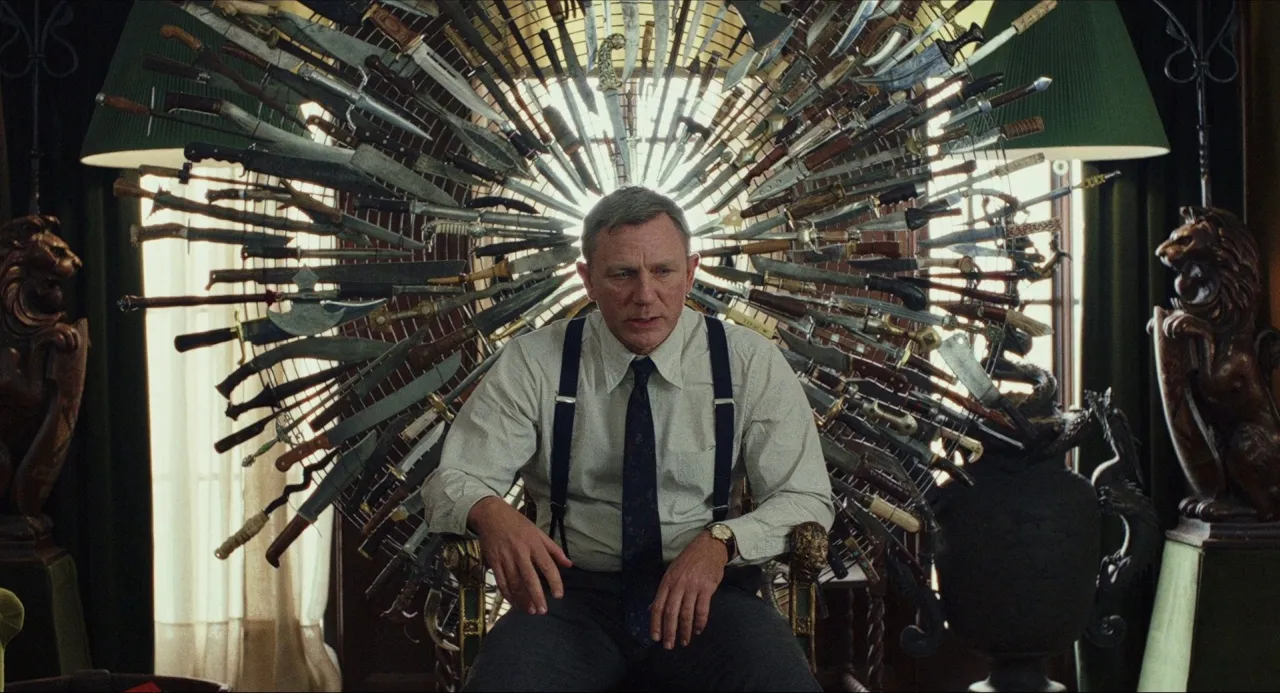
Rian Johnson has done it again. With Wake Up Dead Man, the third entry in his Benoit Blanc saga, Johnson proves the modern whodunnit isn’t just alive, it’s thriving, mutating, and picking up new layers of cultural bite with each film. If Knives Out was his cheeky reinvention of the Agatha Christie template, and Glass Onion his razor-sharp satire of tech bros and the ultra-rich, then Wake Up Dead Man is something else entirely: a gothic, spiritual, and thematically dense meditation on belief, guilt, and the communities we build around faith.
At its Toronto International Film Festival (TIFF) premiere, Johnson told audiences he wanted to “take us to church,” and he wasn’t kidding. The film is steeped in religious imagery: flickering candles, faces draped in crimson light, windswept cemeteries, and creaking sanctuaries where secrets linger like incense smoke. The setting allows Johnson to explore the corruption and contradictions of institutional religion, while still delivering the crowd-pleasing thrills of a classic murder mystery.
A Condensed Story with Higher Stakes
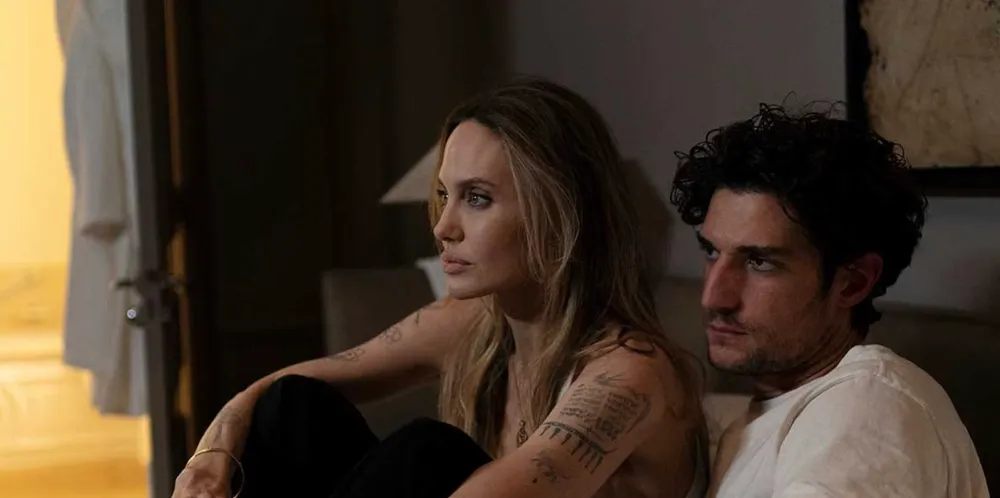
Unlike the sprawling satire of Glass Onion, Wake Up Dead Man feels more intimate, almost claustrophobic. Instead of a sun-soaked island filled with caricatures, we’re locked inside a parish with a smaller but more psychologically charged cast. Josh O’Connor is the standout as Jud, a fallen boxer turned priest, whose search for redemption collides with Benoit Blanc’s investigation. Glenn Close and Josh Brolin provide gravitas (and menace), while the supporting ensemble, Jeremy Renner, Kerry Washington, Andrew Scott, Mila Kunis, rounds out a gallery of suspects who feel more textured than Johnson’s usual rogues.
This tighter focus is why many are already calling it stronger than Glass Onion. Where that film sometimes tipped into cartoonishness, Wake Up Dead Man trades easy satire for layered characterization and moral ambiguity. The mystery itself is knottier too, with critics noting that for the first time, even Blanc struggles to piece together the truth.

Themes that Cut Deep
Religion, redemption, and community are heavy subjects for a whodunnit, but Johnson manages to weave them into the genre without losing momentum. At its best, the film feels like a gothic fable about how faith — whether sincere or manipulated — shapes people’s choices. Josh O’Connor embodies this tension beautifully, his performance grounding the film’s more operatic flourishes.
Still, there are moments when the film feels overstuffed. With so many themes (fake news, faith, morality, corruption), some threads inevitably go underexplored. At over two and a half hours, Wake Up Dead Man sometimes lingers longer than it should, and a few viewers admitted the density might be better appreciated on a second watch.
The Verdict
Even with its bloat, Wake Up Dead Man stands tall as the most daring Knives Out film yet, and arguably the most satisfying since the original. It may lack the fizzy breeziness of Glass Onion, but it replaces it with something richer: a gothic meditation on truth and belief that still manages to be a rollicking crowd-pleaser.
Rian Johnson set out to make a whodunnit trilogy, but at this point, it feels like he’s building a canon. If Wake Up Dead Man proves anything, it’s that Benoit Blanc isn’t just solving murders anymore, he’s untangling the very systems we live by.




%20Yet)