Table of Contents
Three Key Takeaways
- Trade Secret reveals the hidden legal global trade in polar bear skins, exposing contradictions in conservation and commerce.
- The film’s six-year investigative process highlights the power of long-form storytelling and persistence in independent filmmaking.
- Abraham Joffe’s commitment to journalistic integrity and meticulous evidence shaped a film that challenges public narratives about wildlife protection.
Abraham Joffe’s Trade Secret has been selected for the Blue Water Film Festival, spotlighting a gripping exposé of the polar bear fur trade.
Featuring Adam Cruise, Iris Ho, and Ole J Liodden, the film unpacks the tangled web of conservation, politics, and commercial interests operating behind closed doors.
Supported by producers Louis Cooper Robinson and Dom West, cinematographer Dom West ACS, editor Nico Bee, and music by Jesse Watt, Trade Secret offers an urgent, cinematic investigation into a little-known global market threatening vulnerable species.
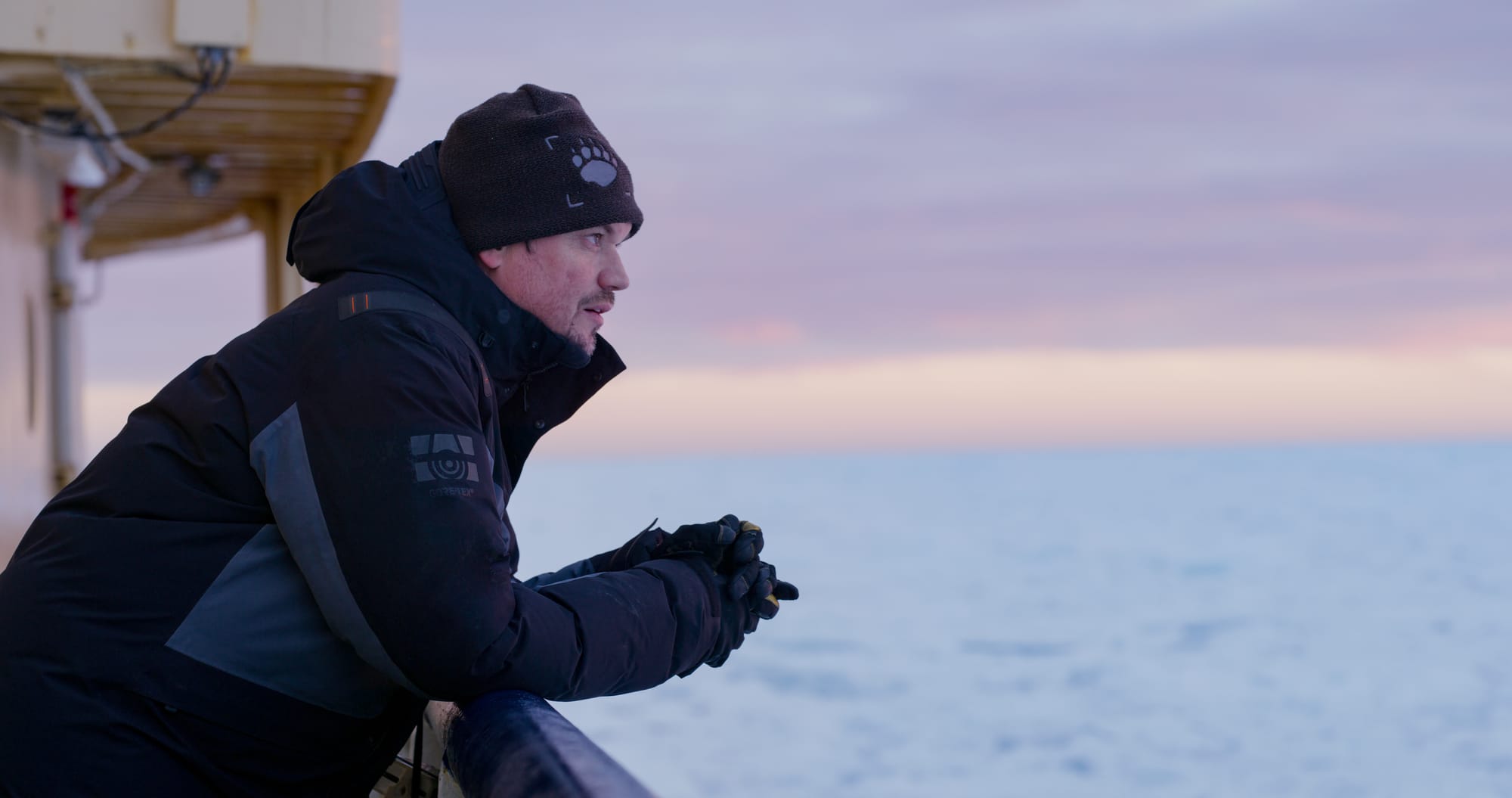
Q&A Interview
What drew you to make this film? Why this story, and why now?
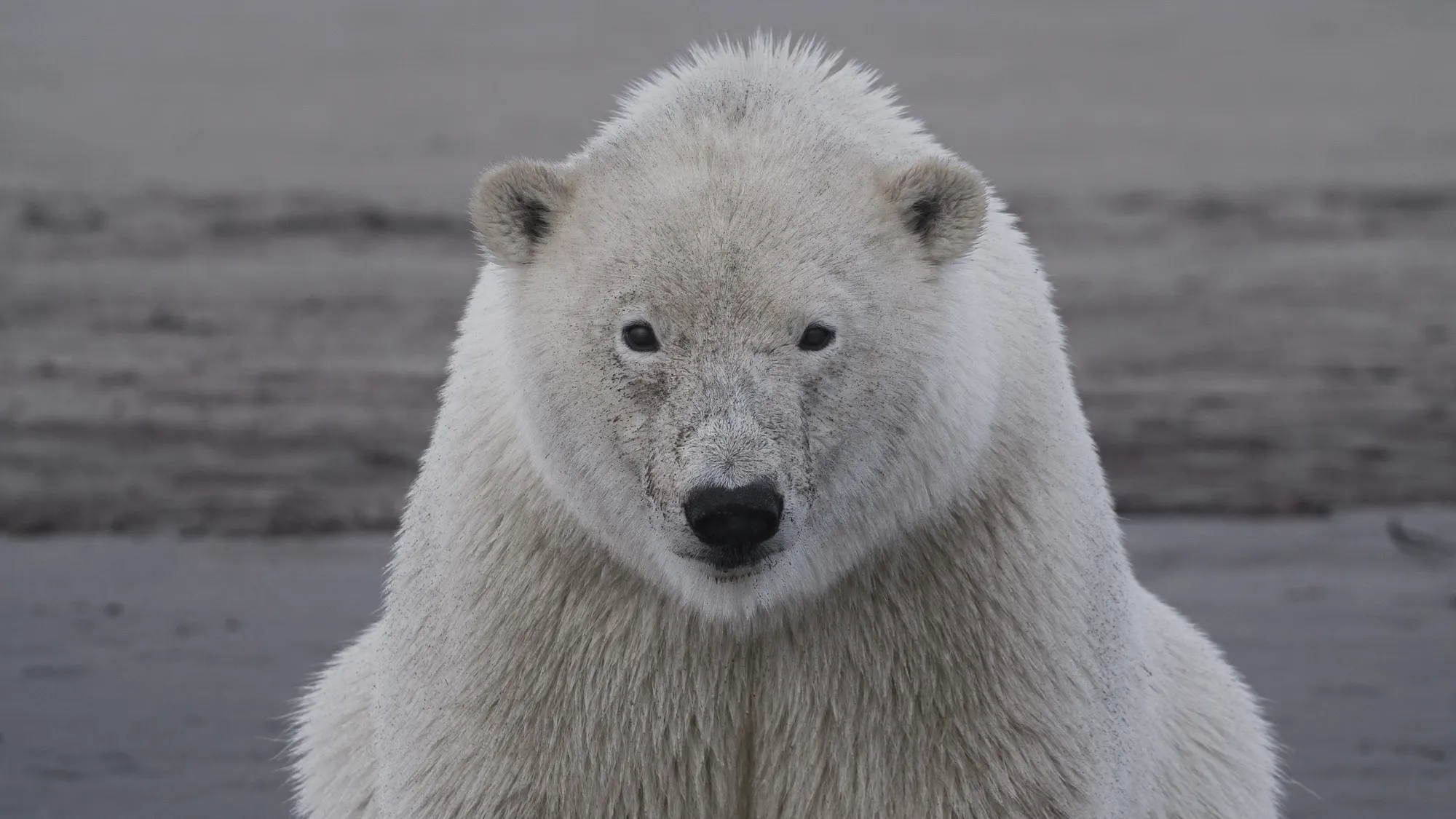
It was during an Arctic trip in 2013 that I first heard about the legal international trade in polar bear skins. I was shocked - not only that it existed, but that so few people, even within conservation, seemed to know. The polar bear is arguably the most symbolic species of our time - how could their commodification be quietly sanctioned by law?
The idea stuck with me for years. But it wasn’t until I met Ole, Iris, and Adam - each on their own path to protect polar bears - that the story really came into focus. It was no longer just about the existence of the trade - it was about complicity. About systems. About what happens when conservation becomes a cover for commerce.
What began as a quiet investigation grew into a six-year journey across nine countries, uncovering a trade more extensive and protected than I could have imagined. One of the most jarring revelations came when Ole discovered that his own country, Norway - where polar bear hunting has been banned for nearly 50 years - was the second-largest importer of polar bear skins in the world. That contradiction became a turning point, both for him and for the direction of the film.
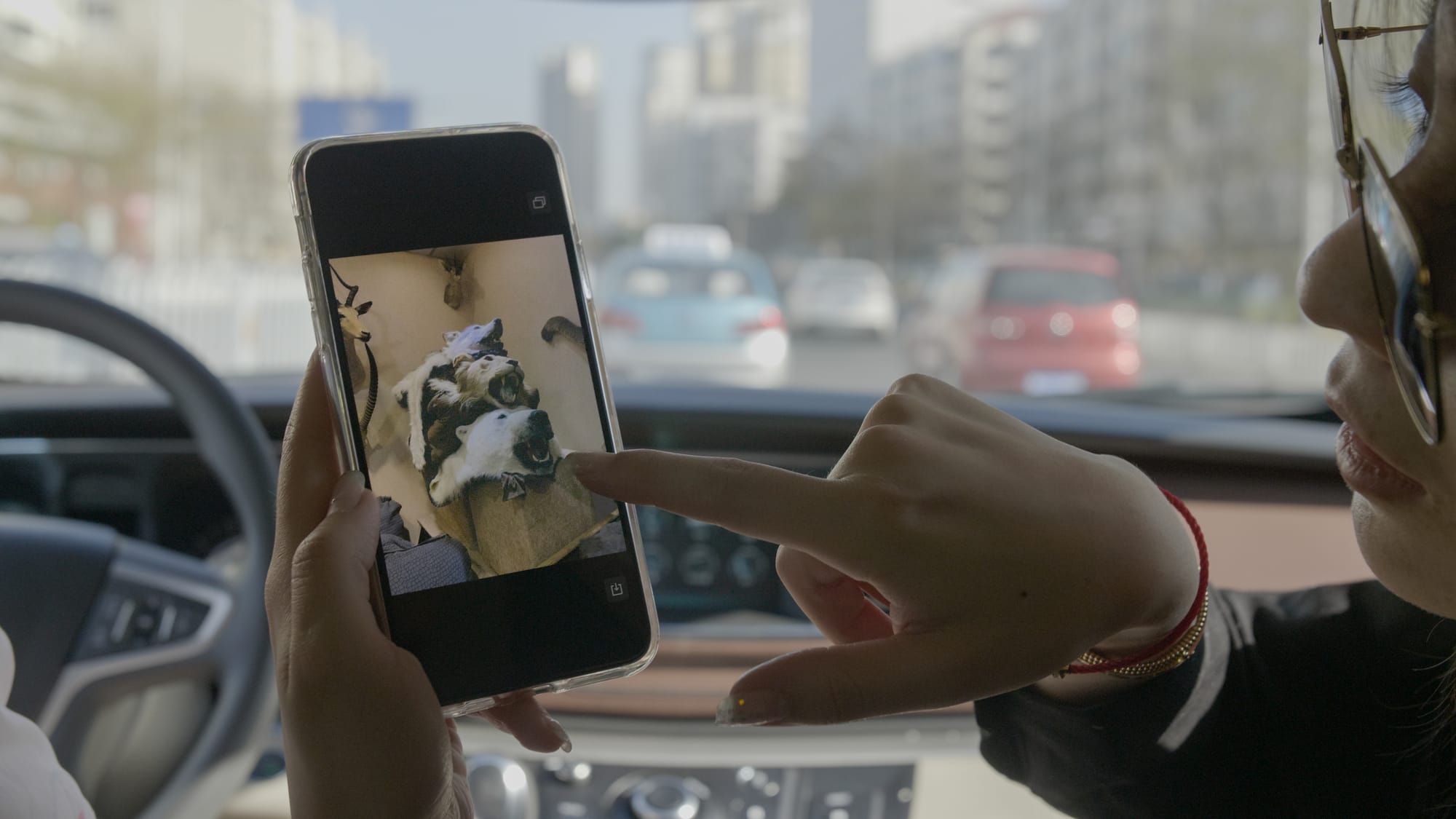
We worked hard to gain access to closed-door policy summits, trophy hunting conventions, fur auction houses, and hidden salesrooms. What we documented was a world few have ever seen - and one I suspect many will struggle to believe. What we uncovered wasn’t happening in rogue states - it was happening in countries celebrated for their environmental leadership.
It’s this contradiction that sits at the heart of Trade Secret.
At its core, this is not just a film about polar bears. It’s about what happens when trust in environmental institutions begins to erode - when policies are manipulated, and when sustainability becomes a shield for exploitation. It’s about the uneasy truth that the biggest threats to nature don’t always come from poachers or black-market traders - but from those enabling the continuation of so-called “sustainable use.” We knew the subject would be confronting - but we didn’t set out to make a controversial film. The revelations came slowly, in documents, interviews, and hard-won conversations. From the start, we felt a responsibility to let the evidence guide the film - not the other way around.
I remain in awe of Adam, Iris, and Ole - their clarity, courage, and refusal to look away. My hope is that their determination inspires others to take on missions of their own. Because I think real change rarely starts with institutions - it starts with individuals.
While the polar bear is at the centre of this story, Trade Secret aims to spark urgent conversations about how vulnerable species are being left exposed - at a time when they need every possible protection.
What surprised you most about the filmmaking process this time—creatively or logistically? Was there a moment on set or in post that completely changed how you saw the story?
The biggest surprise was where the story ultimately led us. We started this film not knowing exactly where the story would take us. The revelations – of which there are many – were completely unknown to us from the outset. We truly did follow the story as our key characters navigated their own paths.
One of the moments that really changed my understanding came when I attended my first CITES conference. I went very naïve, thinking I was attending a conservation summit. I learned quickly that it is, first and foremost, a trade gathering. Most delegates seem to prioritise their countries’ trade interests, and many widely held assumptions about which species are protected are sorely misplaced.
Because we had the luxury of time, we were able to document the process honestly as it unfolded in real time. The access we gained to closed door summits, conferences and sales rooms – both legal and illegal – across multiple countries and jurisdictions was something I could never have imagined when we began.
Is there a moment in the film that feels the most you—something only you could have made?
What guided us throughout was a deep sense of responsibility to be meticulous in our due diligence, fairness and journalistic integrity. There are many uncomfortable and shocking revelations within the film, and it was vital that we got the facts right. We didn’t need to sensationalise anything – it’s shocking enough as it is. In fact, if anything, it was an exercise in restraint.
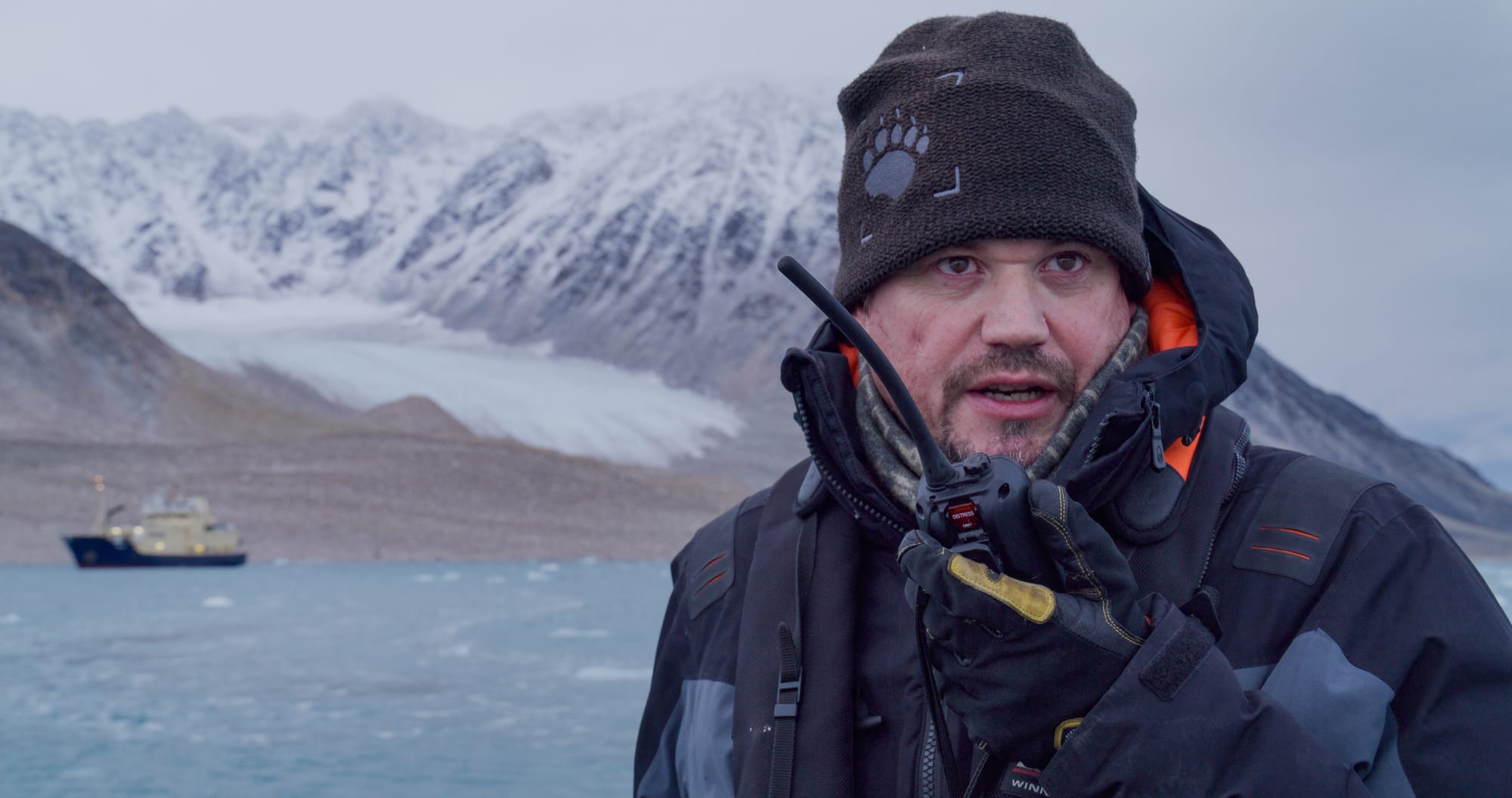
Trade Secret mixes cinematic sequences of the Arctic with gritty undercover investigative scenes. When dealing with the vast beauty and isolation of the Arctic, we worked hard to find a visual palette that felt appropriate. But when it came to the undercover material, we were often filming on the smallest cameras imaginable.
That contrast between the pristine Arctic environment and the hidden world of wildlife trade was something that felt very important to me as a filmmaker.
What was the hardest creative decision you made while making this film? These ongoing, multi-year filmmaking journeys can feel endless. The story continues to unfold even today. When do you know when to call it quits?
For us, there was a natural conclusion to the story. It’s hard to talk about without giving anything away, but when people see Trade Secret, the ending will feel clear and inevitable.
There was ultimately over 2,500 hours of rushes from which we cut our 98 minute film, meaning Trade Secret had an effective shooting ratio of around 1500:1.
My hope is that Trade Secret is recognised as a carefully told, truthful documentation of the current threats polar bears face.
“It’s about the uneasy truth that the biggest threats to nature don’t always come from poachers or black-market traders - but from those enabling the continuation of so-called ‘sustainable use.”
What do you hope audiences take away from your film?
Threats polar bears face. But beyond that, I think there is a much larger story here about the ongoing exploitation of threatened and vulnerable species under the guise of so called “sustainable use.”
In the last fifty years the world has lost around seventy percent of its wild animals. That alone makes it clear the status quo is not working. Awareness is the first step, but real, tangible action from decision makers is what is required if we are to deliver lasting protection for wildlife.
If Trade Secret can play even a small role in securing greater protection for polar bears and other species, that will mean more than any award.
How has this film shaped or shifted the kind of stories you want to tell next?
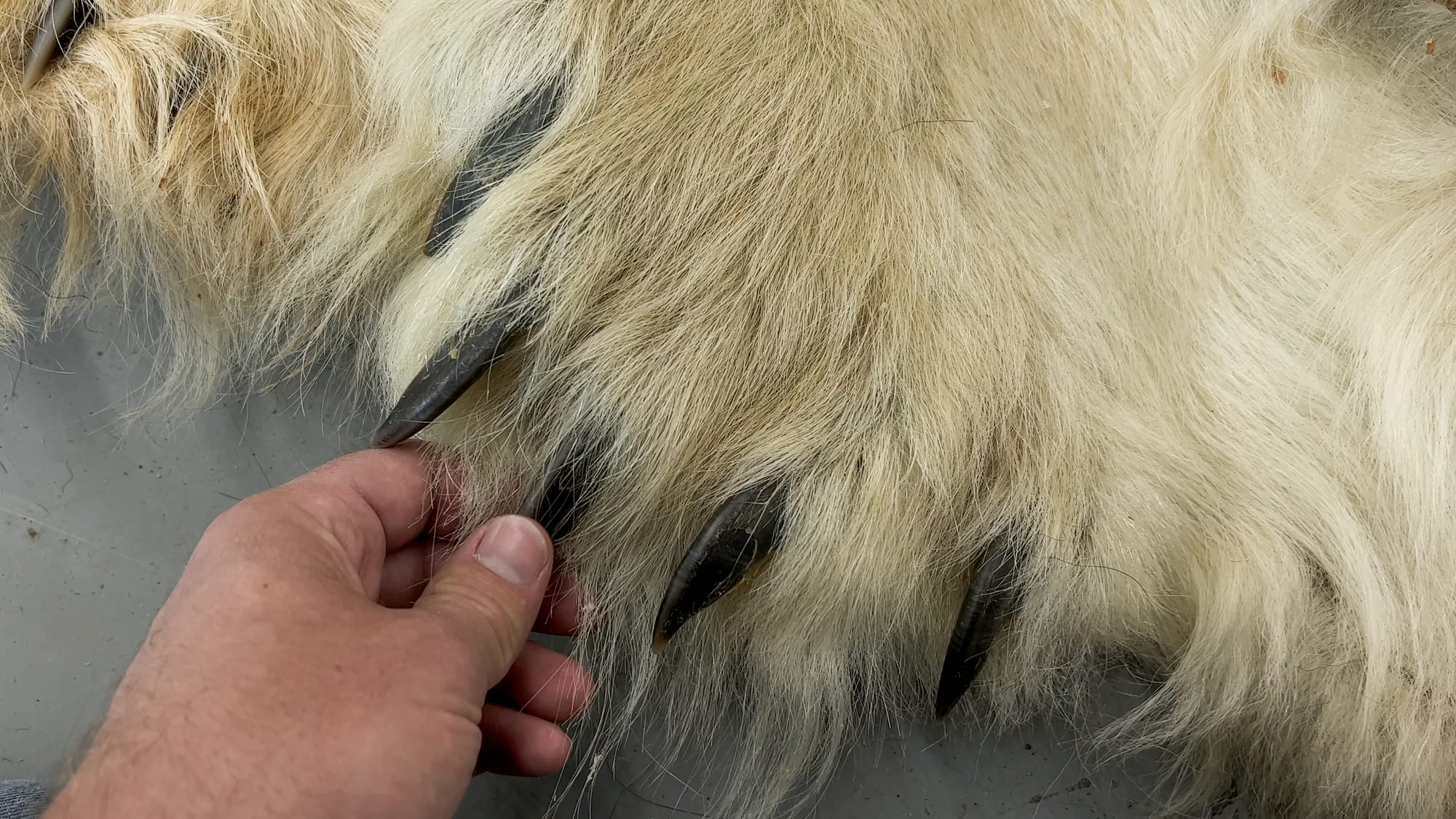
What I have learned through this journey is that there simply is no place for commercial trade when it comes to endangered species. Spending nearly a decade immersed in this issue changes how you see the world.
I have always been drawn to stories that reveal something hidden. What Trade Secret reinforced for me is how powerful long form investigative storytelling can be when you have the time to follow a story wherever it leads.
What I am most interested in continuing to explore are stories where the public narrative and the underlying reality are very different.
What’s a tool, technique, or resource that really helped you during production?
Because we filmed over six years across nine countries, the most important resource was time and persistence.
We shot more than 2,500 hours of material, including around 240 interviews. Many of those interviews were essentially research with a camera. They helped us understand the system and allowed the story to unfold organically.
Technically the film spans everything from large cinema cameras filming the Arctic to tiny button cameras used for undercover work. The contrast between those tools became part of the storytelling.
But ultimately the most valuable resource was the network of people around the story. Trust takes time to build, and the access we gained to closed door summits, conferences and sales rooms across multiple countries was only possible because of those relationships.
Independent filmmakers often rewrite the rules out of necessity. What do you think is the greatest strength of independent filmmaking, and how did you lean into that on this project?
We were fortunate enough to secure private investment which gave us complete freedom to tell the story as it unfolded. Total creative control, without interference from any third parties, was essential.
I honestly do not think this film could exist if we had tried to make it within a traditional commissioning model. The subject matter, the undercover elements and the years required to follow the story simply do not fit that system.
Find a story that completely grabs you. Something you dream about at night. Something you feel no one else was put on this Earth to tell. That commitment is what carries you through the difficult years of independent filmmaking.
Docs are incredibly hard to will into the world, and no one should be a greater champion for the story than the filmmaker themselves.
“Trade Secret mixes cinematic sequences of the Arctic with gritty undercover investigative scenes… That contrast between the pristine Arctic environment and the hidden world of wildlife trade was something that felt very important to me as a filmmaker.”
What does it mean to you to have your film selected for Blue Water Film Festival?
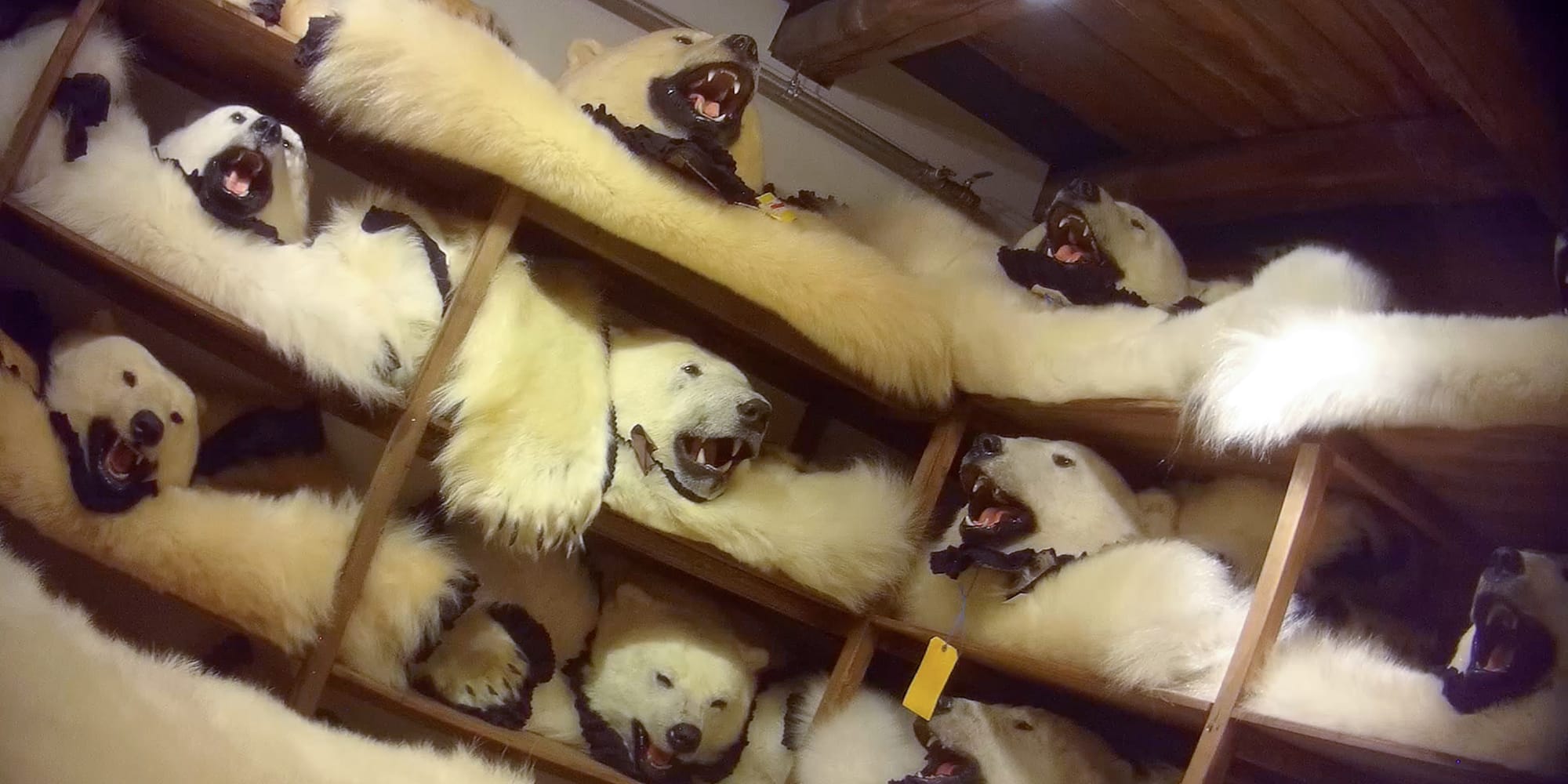
It’s an honour to have Trade Secret included in a festival dedicated to ocean and environmental storytelling. The film investigates the hidden global trade in polar bear skins - a story that sits at the intersection of conservation, commerce, and ethics. Festivals like Blue Water provide an important platform for conversations that might otherwise remain out of view.
How do you hope being part of Blue Water Film Festival will shape the life of this film?
Our hope has always been for the film to reach as wide an audience as possible. Festivals are an important step in that journey because they bring together filmmakers, conservation leaders, policymakers and audiences who care deeply about these issues.
If Trade Secret can help spark conversations about the international wildlife trade and the policies that allow it to continue, then the film is doing its job. Awareness is the first step, but ultimately what is required is real, tangible action from decision makers if we are to deliver lasting protection for wildlife.
Where do you see this film going next?
Our goal has always been global distribution. Festivals, awards and screenings are all steps toward bringing the film to the widest possible audience.
We aspire for Trade Secret to follow in the footsteps of films like The Cove and Blackfish – documentaries that not only reached global audiences but also helped shift the conversation around wildlife protection. Ultimately, the success of the film will be measured by whether it contributes to stronger protections for polar bears and greater scrutiny of the international wildlife trade.
“Find a story that completely grabs you. Something you dream about at night. Something you feel no one else was put on this Earth to tell. That commitment is what carries you through the difficult years of independent filmmaking.”
“At the core of my work is a desire to tell stories that reveal something hidden, help audiences see the natural world differently, and inspire real change.”
Cast & Crew
- Adam McKay (Executive Producer)