Table of Contents
Three Key Takeaways
- Unwavering bridges historical activism with contemporary issues of racial justice and inclusion.
- Collaboration and trust among a multi-hyphenate cast and crew were key to overcoming creative and logistical challenges.
- The film is a deeply personal and collective story that inspires courage, community, and ongoing dialogue about identity and representation.
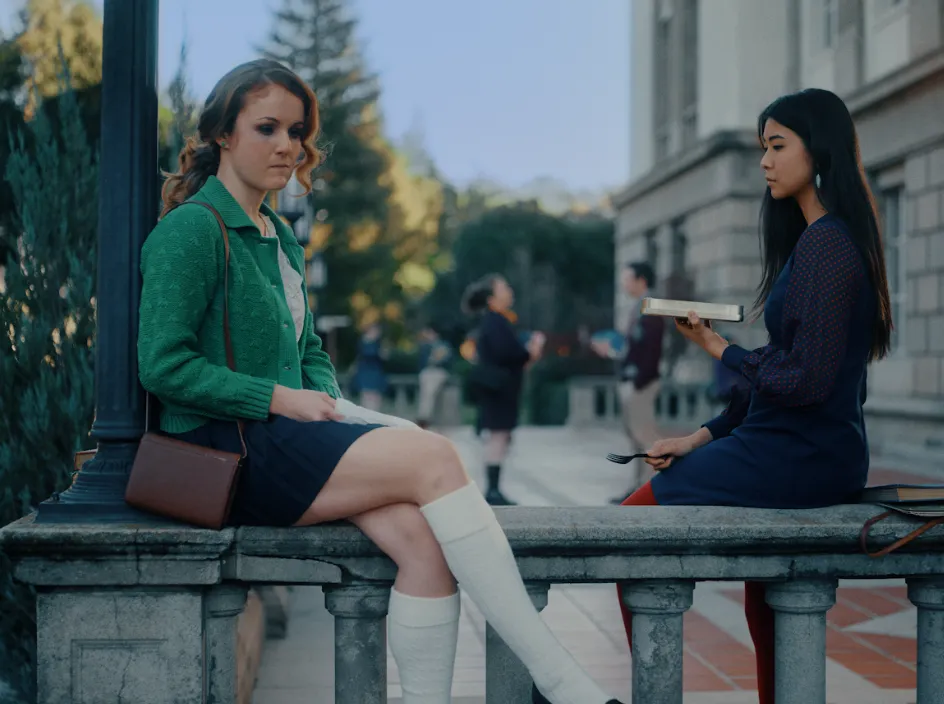
Christine Hughes, writer, producer, and lead actor in Unwavering, teams with director Alexandra Hsu to bring to life a poignant 1960s drama about a Korean-American college student’s involvement in the historic Ethnic Studies movement.
Featuring a talented ensemble including Ami Park and Elizabeth Hales, the film resonates through its authentic storytelling and timely themes.
Selected for the TRC Shorts Fest, Unwavering exemplifies the power of independent filmmaking to inspire social change.
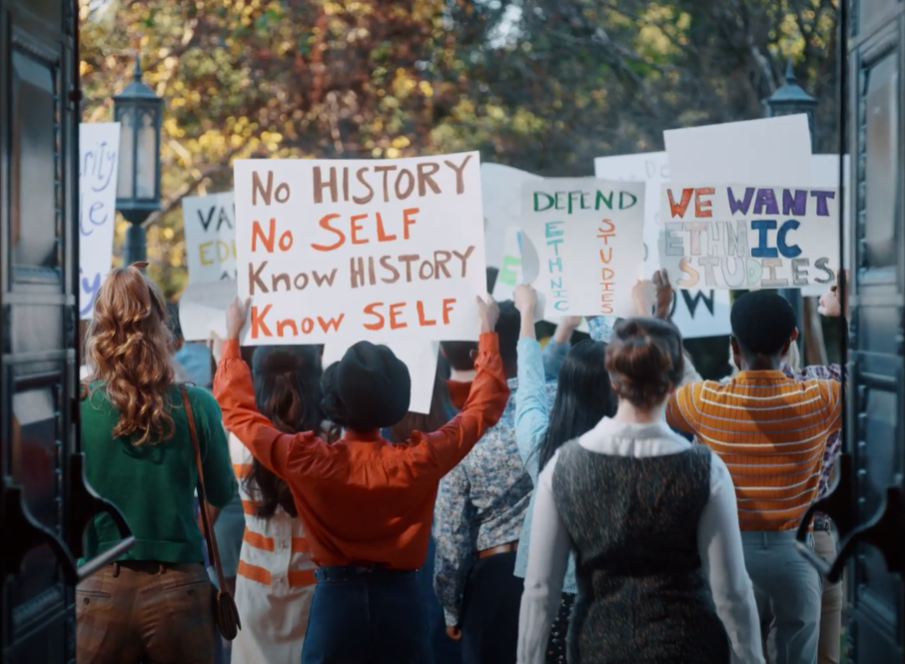
What drew you to make Unwavering? Why this story, and why now?
From Christine Hughes — Unwavering began during the pandemic shutdown, when me, Ami Park, and Elizabeth Hales decided to create a short film together. It was 2020, in the midst of COVID-19, an uptick of violence towards Asian Americans, and the emergence of BLM protests in response to the murders of George Floyd and Breonna Taylor. We wanted to make a period piece that we could all fit into, that resonated with audiences. It morphed into a real mission to make a story that mattered to us—a story that reflects current events, as well as teaches, educates, and inspires others to step outside their comfort zones and make bold choices. Ultimately, Unwavering is about more than educational and racial equality. It’s about courage, community, and standing up for what’s right, even when it’s difficult or comes with risks. At its heart, it’s a story about inclusion—about finding people who make you feel seen and valued.
"Ultimately, Unwavering is about more than educational and racial equality. It’s about courage, community, and standing up for what’s right, even when it’s difficult or comes with risks." — Christine Hughes
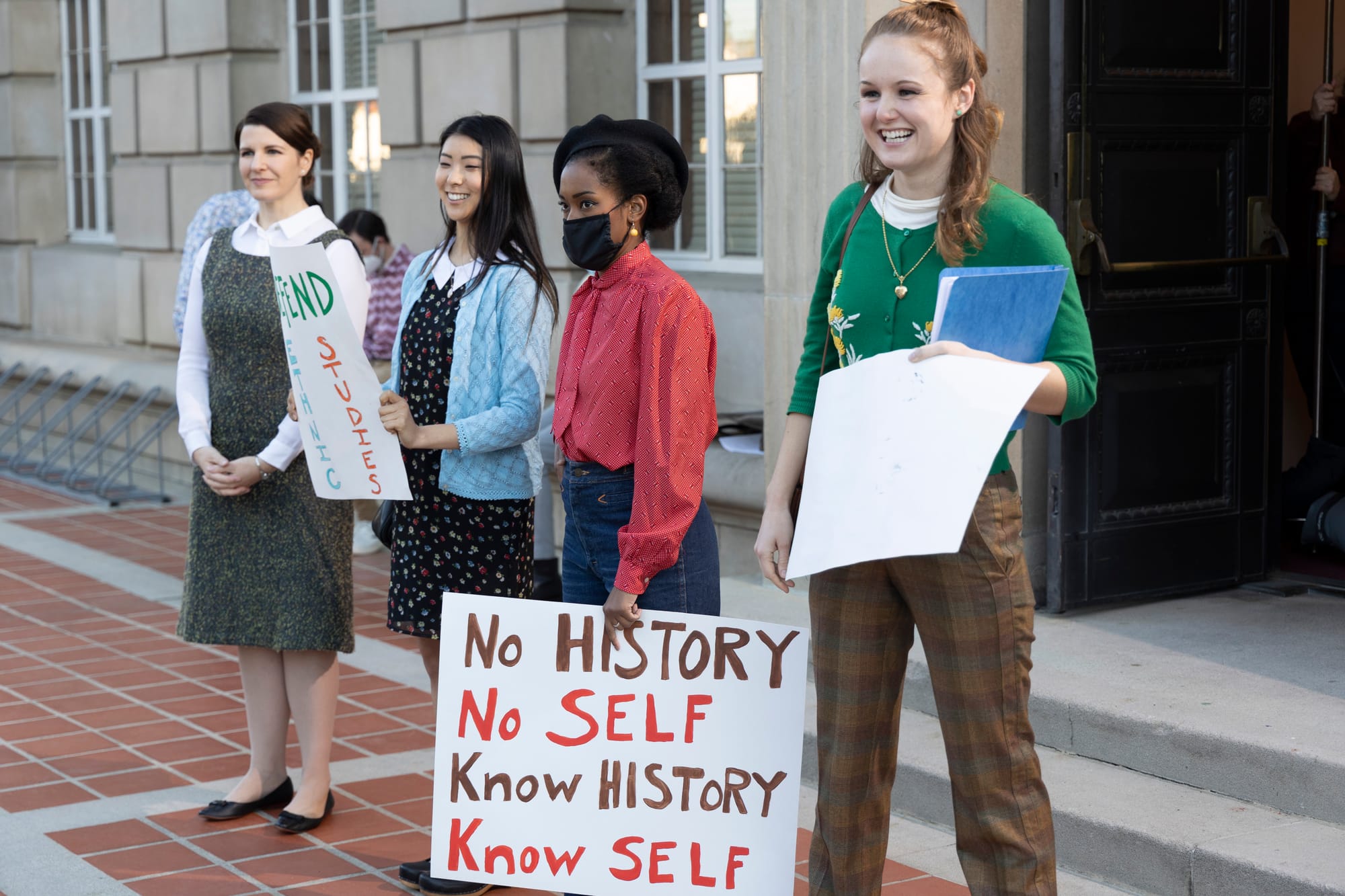
What surprised you most about the filmmaking process this time—creatively or logistically? Was there a moment on set or in post that completely changed how you saw the story?
From Alexandra Hsu — It was an honor to take Christine’s voice and written words and bring them to life. I really enjoyed the process—one that reminded me why I’m drawn to collaboration, and why I love working with writers in both film and television. Understanding Christine’s motivations and then translating those emotions into performances with the actors was deeply fulfilling. I’ll admit, I had some initial concerns about working on a project where three of the actors were also producing and wearing multiple hats. But I trusted Ami Park, who I’d worked with before and who recommended me to the team. I’ve always been drawn to period pieces, especially stories set in the 1960s, so Unwavering immediately felt aligned with my other projects in development, "Queens" and "Vincent." What impressed me most was how a group of people who didn’t know each other came together to pool their talent, time, and resources—it became a true ensemble effort behind the camera as well as in front of it. Creatively, our 1st AD, Chris Laughter, and I discovered some challenges with the ending while on set. Through discussions with Christine, we found solutions that ultimately strengthened the film. It was stressful in the moment, but incredibly rewarding to see those choices come together beautifully in the edit.
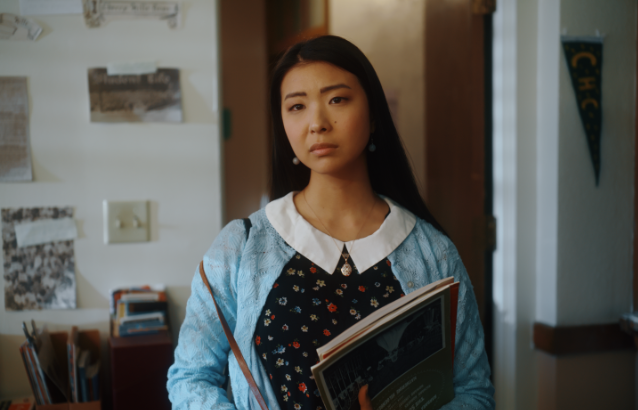
Is there a moment in the film that feels the most you—something only you could have made?
From Alexandra — This was a challenging question—because Unwavering was such a collective effort. It began with Christine’s writing and the producing team’s vision, and my role was to interpret and elevate those ideas through performance and visual language. While I could single out one scene, it feels self-centered to claim that only I could have created any particular moment. The truth is, only this team could have made Unwavering. The cast brought their characters to life with sincerity and urgency, and together we built a world that felt both emotionally real and historically grounded. As a director, my connection to the film lies in how deeply it aligns with the kinds of stories I want to tell. At the time, I was developing two projects that remain very close to my heart. The first, "Vincent," is a narrative limited series about the murder of Vincent Chin and the Asian American movement that followed in 1980s Detroit. The second, "Miss Unisphere," is inspired by a family story about a young Chinese American woman crowned during the 1960s New York World’s Fair. Having studied documentary filmmaking in college and narrative filmmaking afterward, I’ve realized that my storytelling approach bridges both worlds—I’m equal parts investigative journalist and creative storyteller. I’m always drawn to stories that give voice to the untold, centering Asian and Asian American girls and women, and women in general, often within intergenerational contexts. My mission is to tell stories that spark conversation and build bridges across cultures. Unwavering embodies that spirit completely.
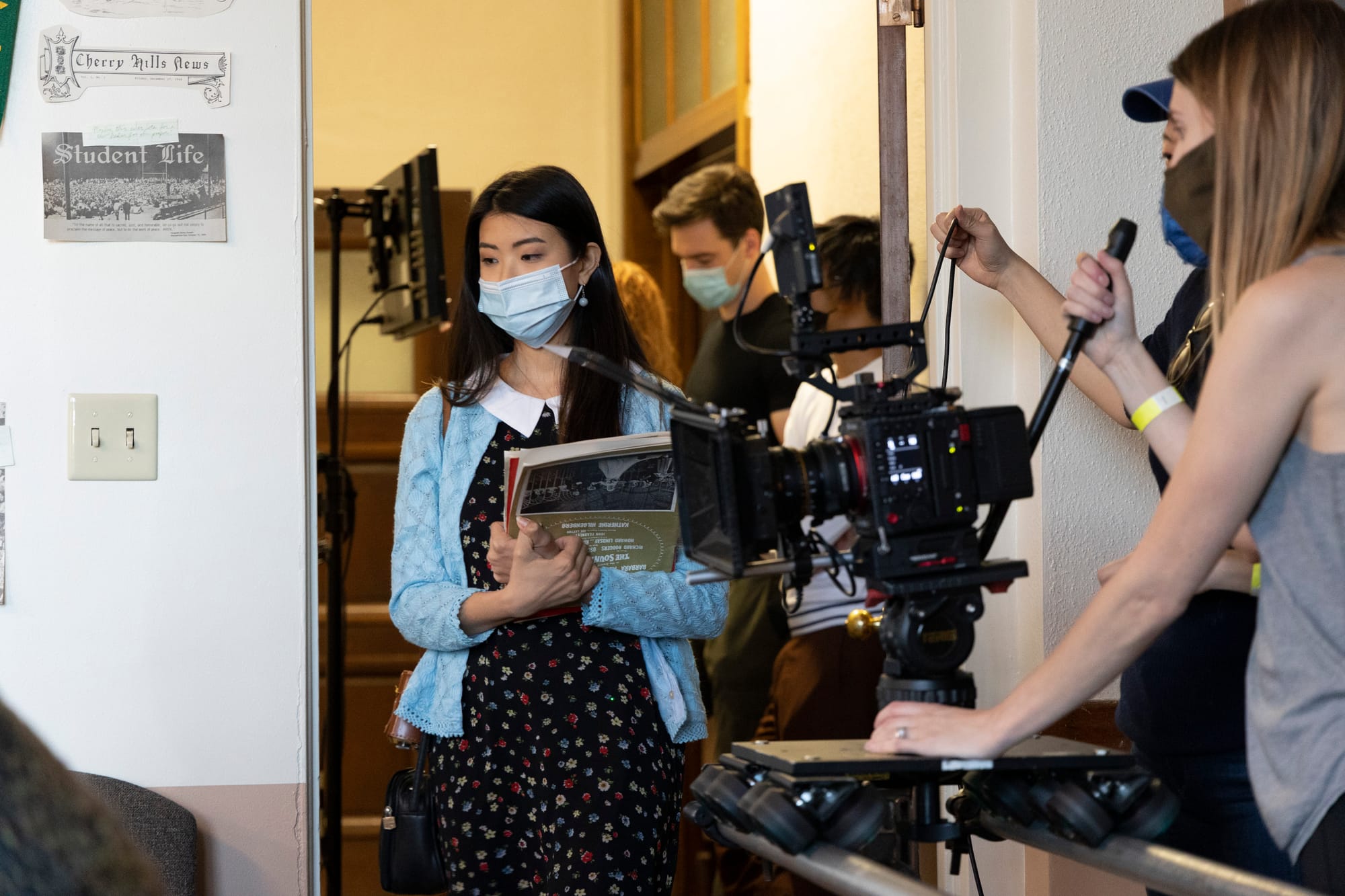
What was the hardest creative decision you made while making this film?
From Alexandra — I’ve already mentioned the creative decision we made on set to adjust the film’s ending. In the moment, I felt conflicted about altering Christine’s script, but we needed to ensure the story worked both logistically and emotionally—especially regarding which characters were present in the final scene. After thoughtful discussions with our 1st AD, Chris Laughter, Christine, and the actors, we found a solution that stayed true to the spirit of the story while also making sense for the world we’d built. Another difficult moment came when we spoke with someone who had been an actual API activist during the 1968 student protests. She told us there hadn’t been any Korean students involved at the time. We were torn—how could we honor historical truth while still celebrating representation and the film’s broader message? In the end, we reminded ourselves that Unwavering is a fictional narrative inspired by real events. Our goal was to illuminate a universal story about solidarity—students and professors finding their voices and realizing that, together, they have power.
From Christine — I agree with Alle, that I was unsure if we should still make Unwavering, after speaking with an activist from the real student strikes in 1968. It flooded me with self-doubt and made me wonder if we should continue. But I'm so glad that as a team we decided to proceed. We can still shed light on a piece of history, while also emphasizing that our film is inspired by those events, not factually based.
What do you hope audiences take away from your film?
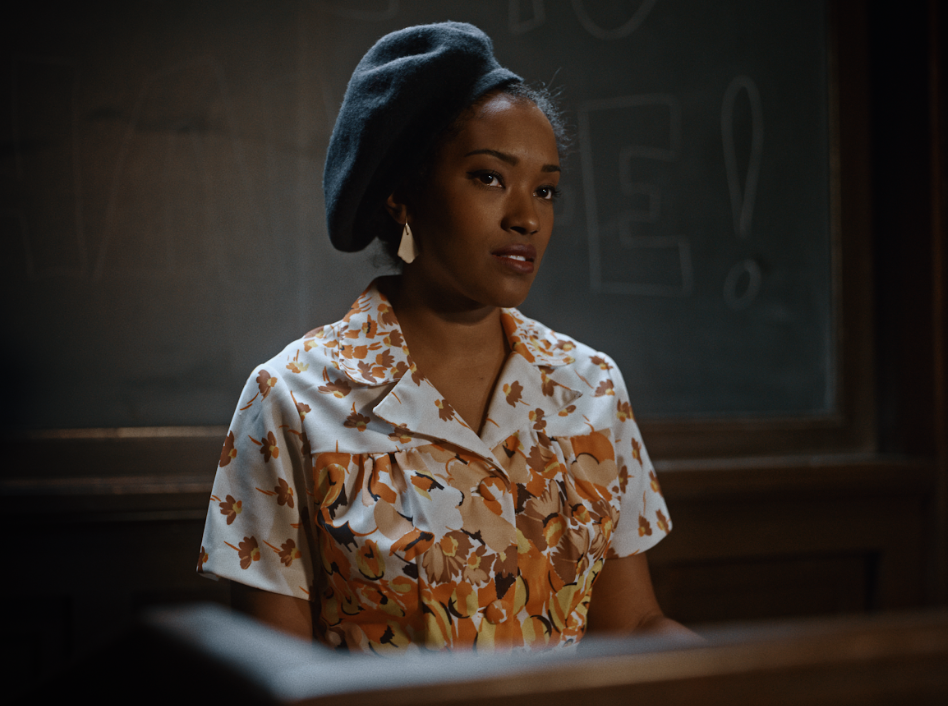
From Alexandra — I hope audiences walk away feeling inspired to use their own voice. Confidence has been something I’ve personally struggled with, particularly in the industry, and Unwavering reflects that journey—of finding the courage to speak up, even when it feels uncomfortable or uncertain. My hope is that this film, its story, and its characters will encourage others to discover that same sense of strength within themselves. Unwavering is also about how collective action can emerge from individual courage. It’s not just the story of one young woman—it’s about the ripple effect that happens when someone chooses to stand up for what’s right, even when they feel alone. I also hope the film sparks curiosity about the real student movements that helped shape Ethnic Studies, and that it inspires audiences to look to history as a guide for what we can continue to do today.
From Christine — I would love for audiences to feel inspired to be bold, stand up for themselves, advocate for the people in their communities, and to take action for causes they care about.
How has this film shaped or shifted the kind of stories you want to tell next?
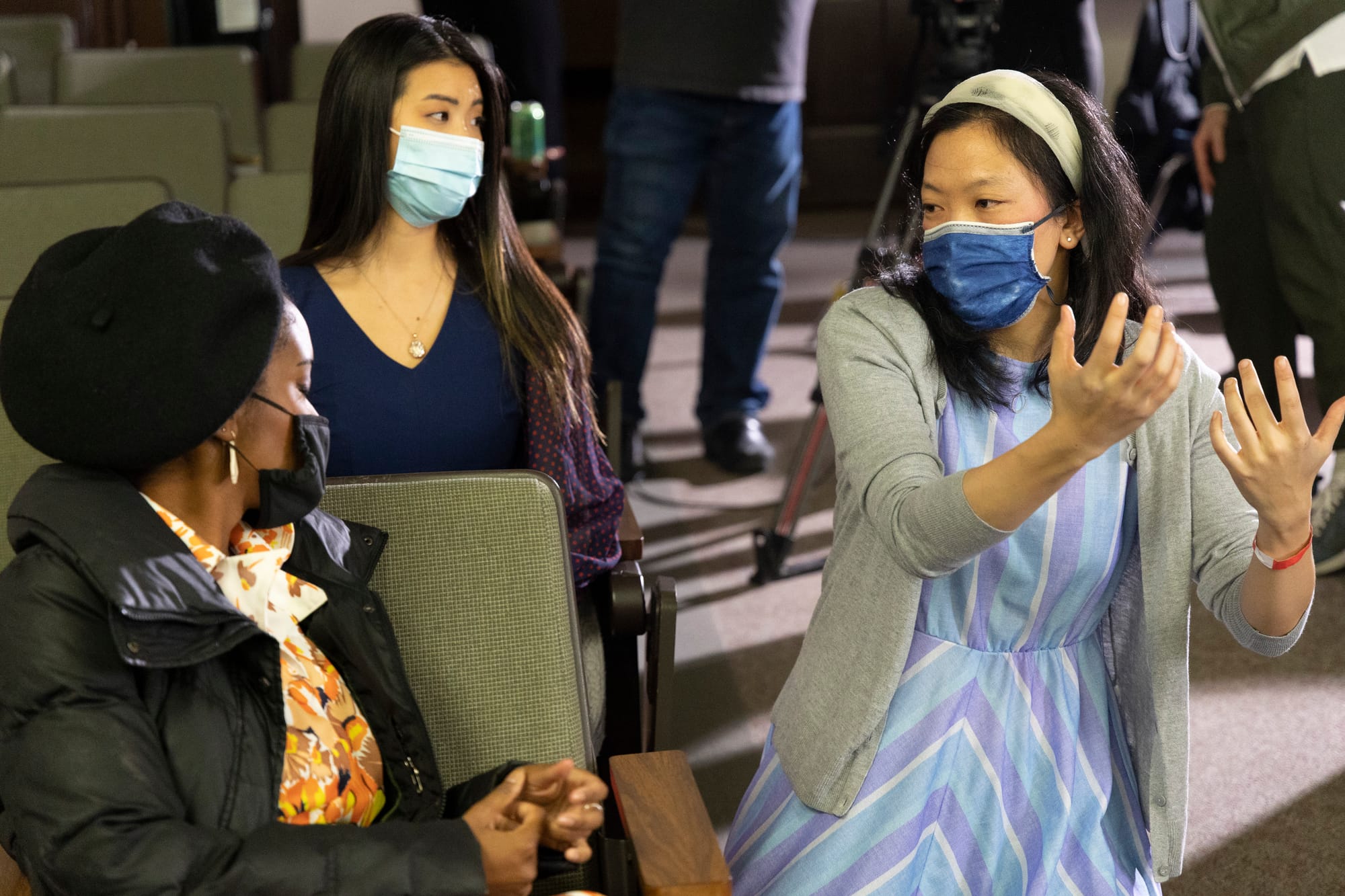
From Christine — My previous short films have explored themes of mother abandonment, intergenerational relationships, racism, intraracism, and the complexities surrounding sexual assault. Directing Unwavering allowed me to return to the 1960s—to a period that has long fascinated me—and to explore racism and activism within a specific historical moment through the intimate journeys of a few characters at the start of the student movement. Working on Unwavering reaffirmed how much I’m drawn to stories that are rooted in history yet emotionally timeless. The experience deepened my desire to tell stories that bridge the past and present, particularly through the lens of Asian and Asian American women’s experiences. Being part of Unwavering—both the team and the story—reminded me of the kinds of narratives I want to continue exploring and the characters I’m longing to bring to life. It reinforced my belief in storytelling as a catalyst for change and conversation. I want to continue creating work that balances empathy and inquiry—stories that ask how we remember and what community means in moments of transformation.
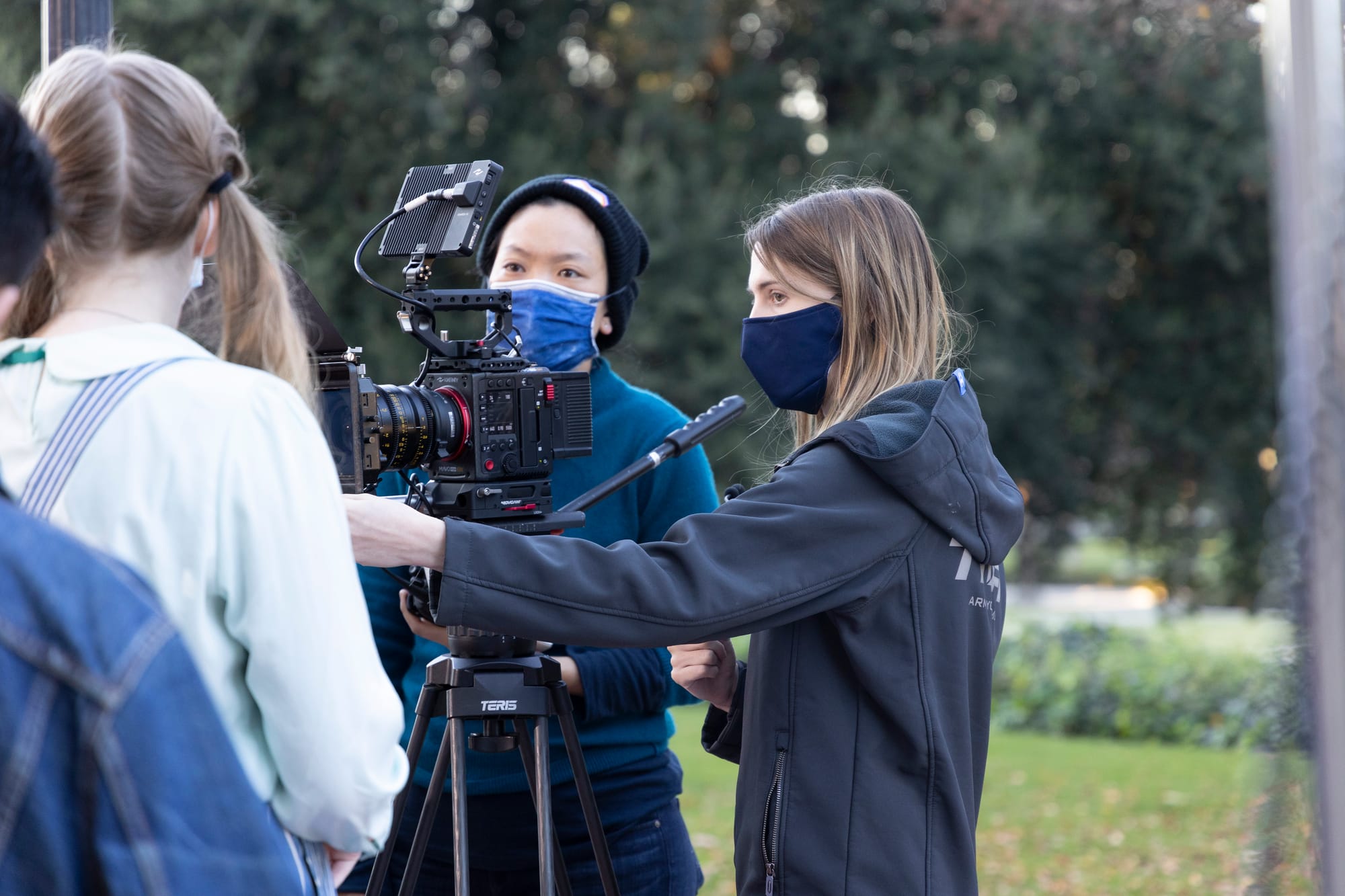
From Alexandra — The greatest resource on Unwavering wasn’t a piece of equipment—it was the team. It was a group of actor-producers who pooled all of their resources, connections, and creative energy to make this film happen. None of us knew each other going in, which made it all the more exciting. On paper, it might have seemed impossible, but that unfamiliarity turned into one of our greatest strengths. Working with our DP, Sarah Reddy, also exposed me to new equipment. I trusted her completely because we had spent time beforehand discussing style, references, and tone in depth. There’s one scene in particular—when Carolyn (Ami Park) shares a decision with her close friend Alice (Christine Hughes)—that stands out. It’s a pivotal moment in Carolyn’s arc. For that scene, we rolled without cutting, letting Ami repeat the performance multiple times in a single take. It became one of my favorite directing choices of the shoot. At the start of each production day, I led the team in a moment of collective breath and meditation. I’d begun that practice on my previous short, "Our Way Home," during a particularly stressful shoot, and brought it into Unwavering to set the tone—anchoring everyone in gratitude, presence, and focus. And, inspired by something I’d learned about Greta Gerwig’s sets, I introduced name tags for the crew. It may seem simple, but it helped foster connection, especially in the early days when so many of us were meeting for the first time. I could immediately see how useful that would be on larger productions as well.
"The greatest strength of independent filmmaking is collaboration—listening to one another, taking in each other’s ideas, and creating something together." — Alexandra Hsu
Independent filmmakers often rewrite the rules out of necessity. What do you think is the greatest strength of independent filmmaking, and how did you lean into that on this project?
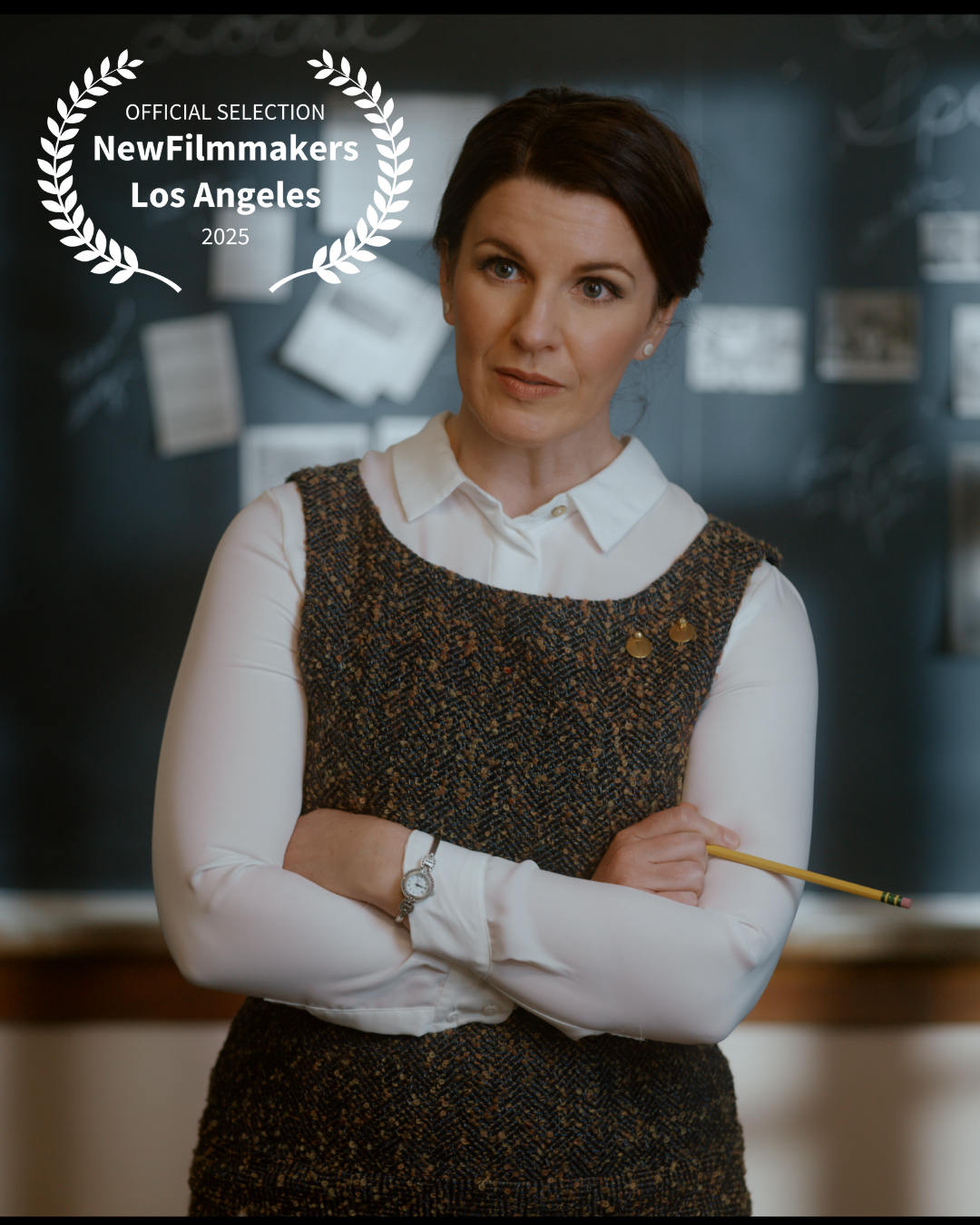
From Alexandra — The greatest strength of independent filmmaking is collaboration—listening to one another, taking in each other’s ideas, and creating something together. When everyone is personally invested, wearing multiple hats, and bringing their own creativity and excitement to the table, something pure and organic emerges. A team, a family forms. The breakthrough for me was learning to trust myself and fully recognize who I am as a person, artist, and filmmaker. I could have walked away from the project, fearful that things might not work out, but I trusted Ami, I believed in the story, and I stayed open to contributing wherever I could. I shared my experience and advice whenever it was helpful, and leaned fully into putting this film together. Even when it came to bringing on a 1st Assistant Director, I knew myself—my strengths and weaknesses—and what I needed to balance my personality with someone else’s. After considering and meeting with a few potential 1st ADs, I landed on Chris Laughter because I felt he complemented me well. I tend to be more quiet and reserved, and I needed someone who wasn’t a yeller, but who could be stern, straightforward, and kind to the team. In the end, Chris and I worked so well together that we became close friends—and now, we’re engaged. My biggest takeaway is to stay open, stay flexible, and trust that the process itself will guide you—and your team—toward the story you’re meant to tell.
"I hope audiences walk away feeling inspired to use their own voice." — Alexandra Hsu
What does it mean to you to have your film selected for TRC Shorts Fest? Where do you see this film going next?
From Alexandra — It’s an incredible honor to have Unwavering selected for TRC Shorts Fest. For me, this marks my second short film to be part of the Shorts Fest—my earlier film, "Rencontres Paysannes – Farmers Dating," was also selected. TRC has created such a wonderful community and organization dedicated to supporting marginalized filmmakers and executives in the industry. Unwavering was born out of collaboration—actor-producers coming together during an uncertain time, as we were just beginning to emerge from the pandemic, to create something meaningful, rooted in both history and hope. To have the film recognized by a festival that celebrates diverse voices and stories reflecting social change means so much to all of us. We’re proud to share a story that uplifts community, courage, and the ongoing fight for representation—in front of and behind the camera, and from the top down. Organizations like The Reel Champs remind us why we make films: to connect with others, to learn from one another, and to keep important conversations alive.
From Christine — It is such an honor! I'm very grateful that the programmers resonated with our film. I look forward to meeting the filmmakers and watching all of these incredible films. We hope Unwavering continues to reach audiences across the country and around the world—especially young people and educators who can see themselves reflected in its story. Beyond the festival circuit, we’ve been exploring ways to expand the short into either a feature film or a television series. Those conversations are still in the early stages, but the interest and enthusiasm around the project have been encouraging. Our goal is for Unwavering to live beyond its runtime—to serve not just as a short film, but as a bridge between generations and communities, reminding viewers that even small acts of courage can create lasting impact.
"At the core of all my work is a desire to tell stories that move audiences to feel deeply—stories that spark empathy, curiosity, and understanding, and that give voice to those who haven’t always been heard or seen." — From Alexandra
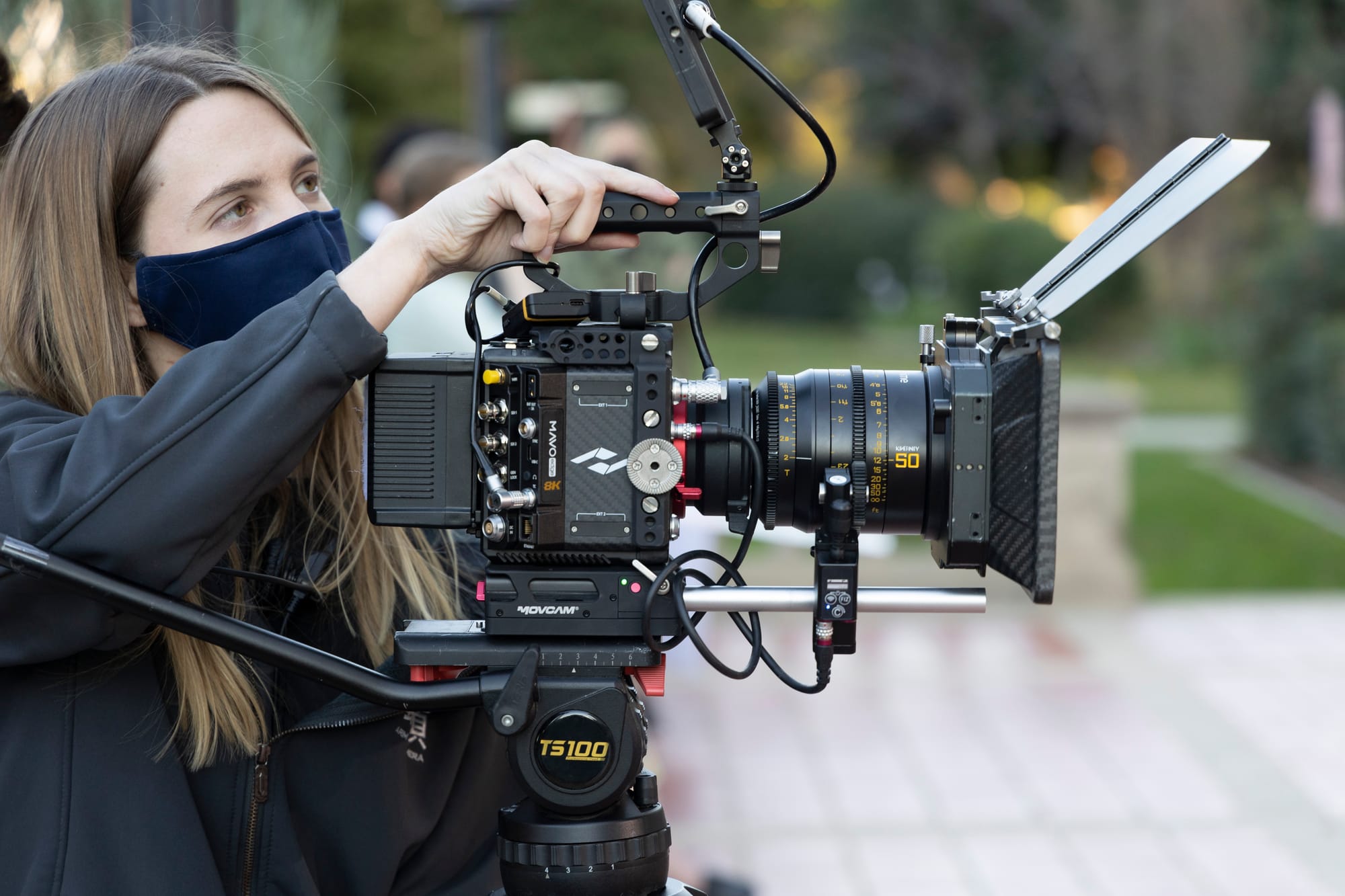
"At the core of all my work is a desire to make something that I'm proud of." — From Christine
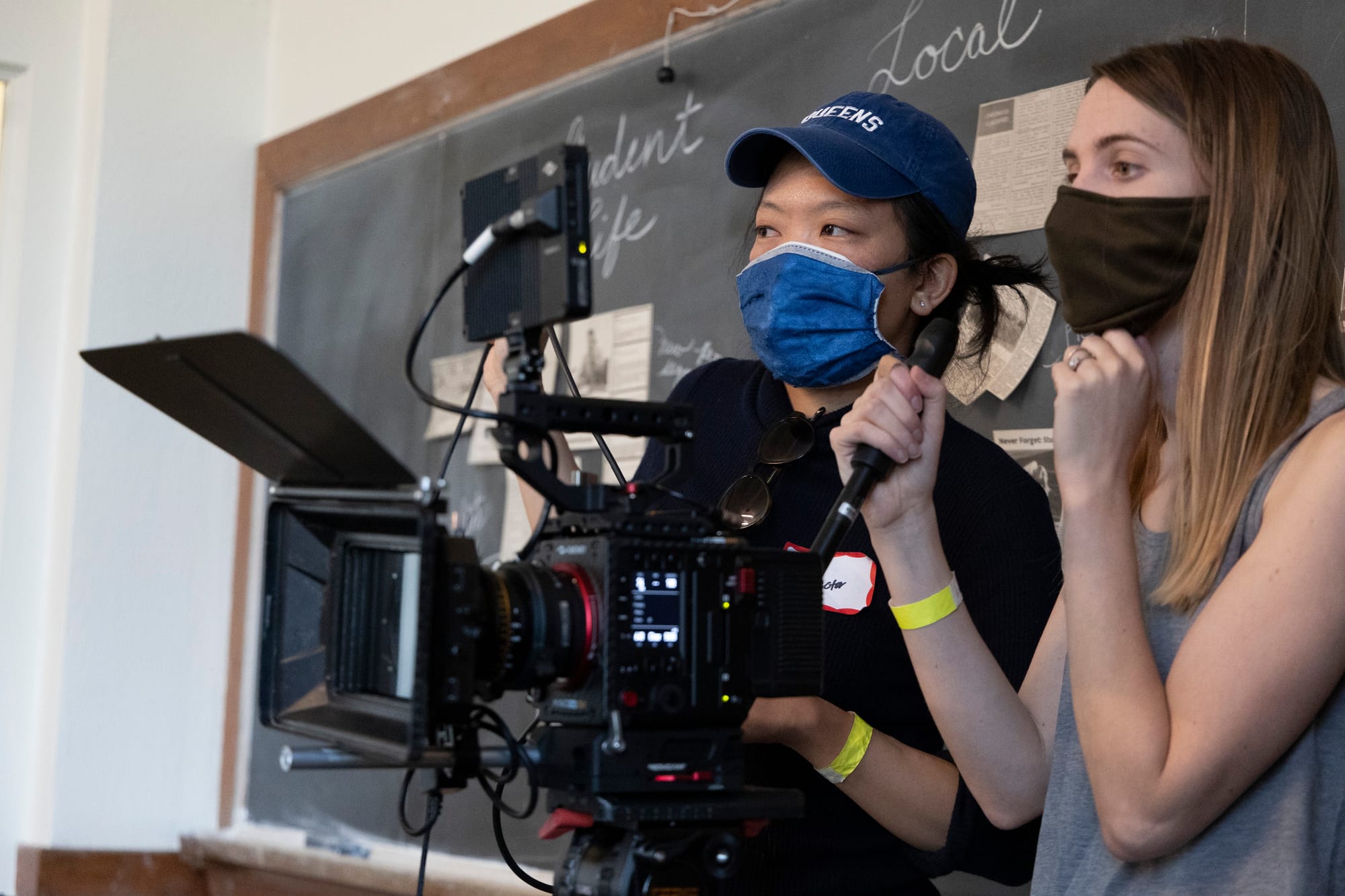
Cast & Crew
- Kourtney Bell — Actor (Verna). Graduate of University of Michigan BFA Acting, roles in "Alaska Daily," "It Follows."
- Sarah Reddy — Director of Photography. MFA in Film Production (Cinematography) from Chapman University.
- Whitney Donald — Costume/Production Designer.
- Chris Laughter — 1st Assistant Director, Writer, Producer, Director. Co-founder of Assorted Kinds collective.
- Brady Hales — Actor, Producer