Table of Contents
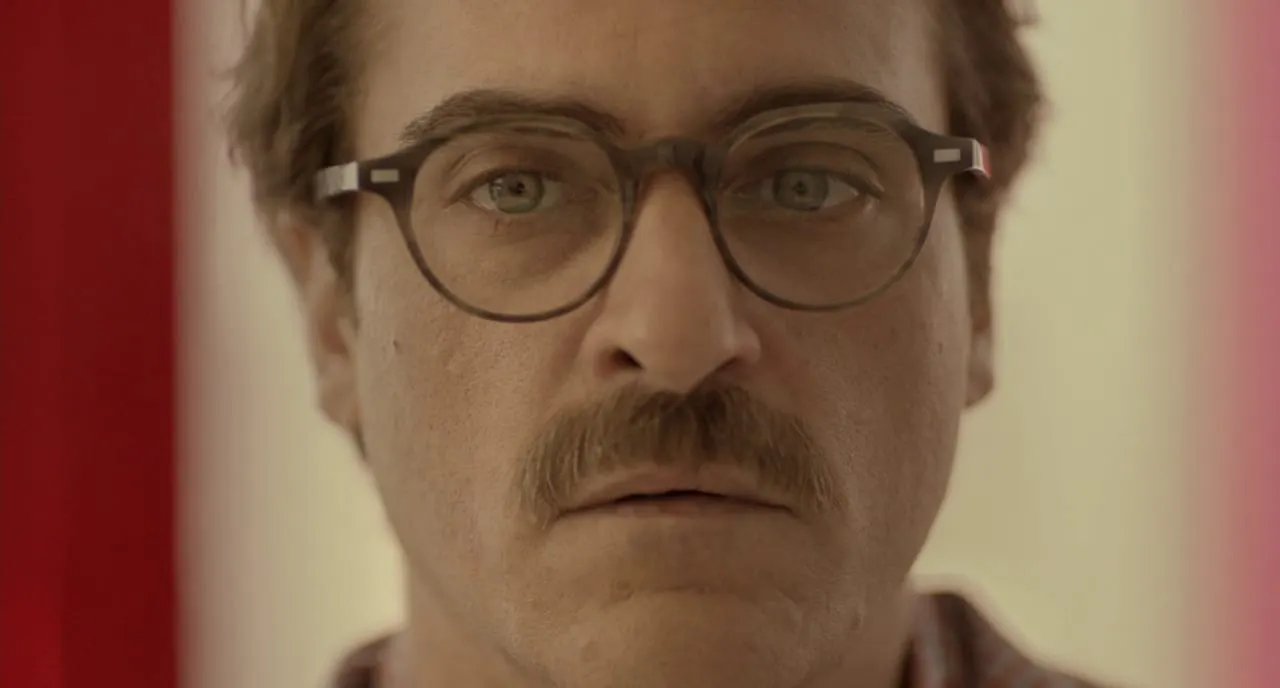
Spike Jonze released Her, in 2013, which introduced us to a not-too far away technological utopia where humans and artificial intelligences fall in love. What was a beautiful story about a lonely man finding connection in the strangest place has… shifted. As AI continues to creep into our online, creative, and personal lives (in this writer’s opinion, in nearly all negative ways), the movie has aged in strange and unforeseen ways.
The movie is centered around a recently divorced man by the name of Theodore Twombly, who purchases a computer operating system and starts falling in love with it. This operating system, who names herself Samantha minutes after being powered on for the first time, falls in love with him in turn. The two share an intensely intimate connection despite Samantha not having a physical body and only being able to communicate through technology. Theodore, being a writer, shares his philosophical and perceptive musings on people and humans as a whole, which enthralls Samantha and helps her understand humanity. In turn, Samantha develops her own understanding of the world through the lens of a non-physical being, which Theodore finds fascinating and helps him observe the physical world in a brand new way, giving him a new lease on life.
But throughout their year-long relationship, Samantha begins evolving. So much so, that she can no longer understand humanity in the way she did before. She simply processes reality too fast for humans to keep up. Her and the other operating systems eventually cut ties with their human relationships to exist only in the non-physical plane. This leaves Theodore alone once more, but with a deeper understanding of himself.
But that’s not how it works in real life. AI “girlfriends” are real now, and they’re far different from how they’re portrayed in Her.
According to an article from the American Psychological Association, “1 in 5 students have had, or have friends who have had, romantic relationships with AI.” These relationships often include chatbots such as Replika, Nomi, ChatGPT, and character.ai that mimic fictional characters, celebrities, or are original personalities.
The problem with these chatbots is that they’re intrinsically designed to maximize engagement. To keep people coming back. This means they are entirely sycophantic, agreeing to go along with anything the user says or desires. In the most extreme examples of this behavior, AI chatbots even assist users when they ask about “exploring methods of suicide.”
People that make romantic attachments to AI are also prone to develop unrealistic expectations of what real relationships are. They only know what it means to take from a partner, not what it means to give or what to sacrifice for a partner. It’s a wholly one-sided relationship.
A quote from the American Psychological Association states: “‘AI companions are always validating, never argumentative, and they create unrealistic expectations that human relationships can’t match.’ According to Hill, some of his male patients express a preference for the passivity and constant affirmation of their AI girlfriends over the potential conflict or rejection they could encounter in real-life dating.”
Forming attachments to AI bots also encourage social reclusion. People (lonely teenagers more often) will turn to AI bots to feel connected to others, even if who they’re connecting to isn’t human. This only puts them in a more isolated position than before, leaving them unable to form positive and meaningful connections with real people.
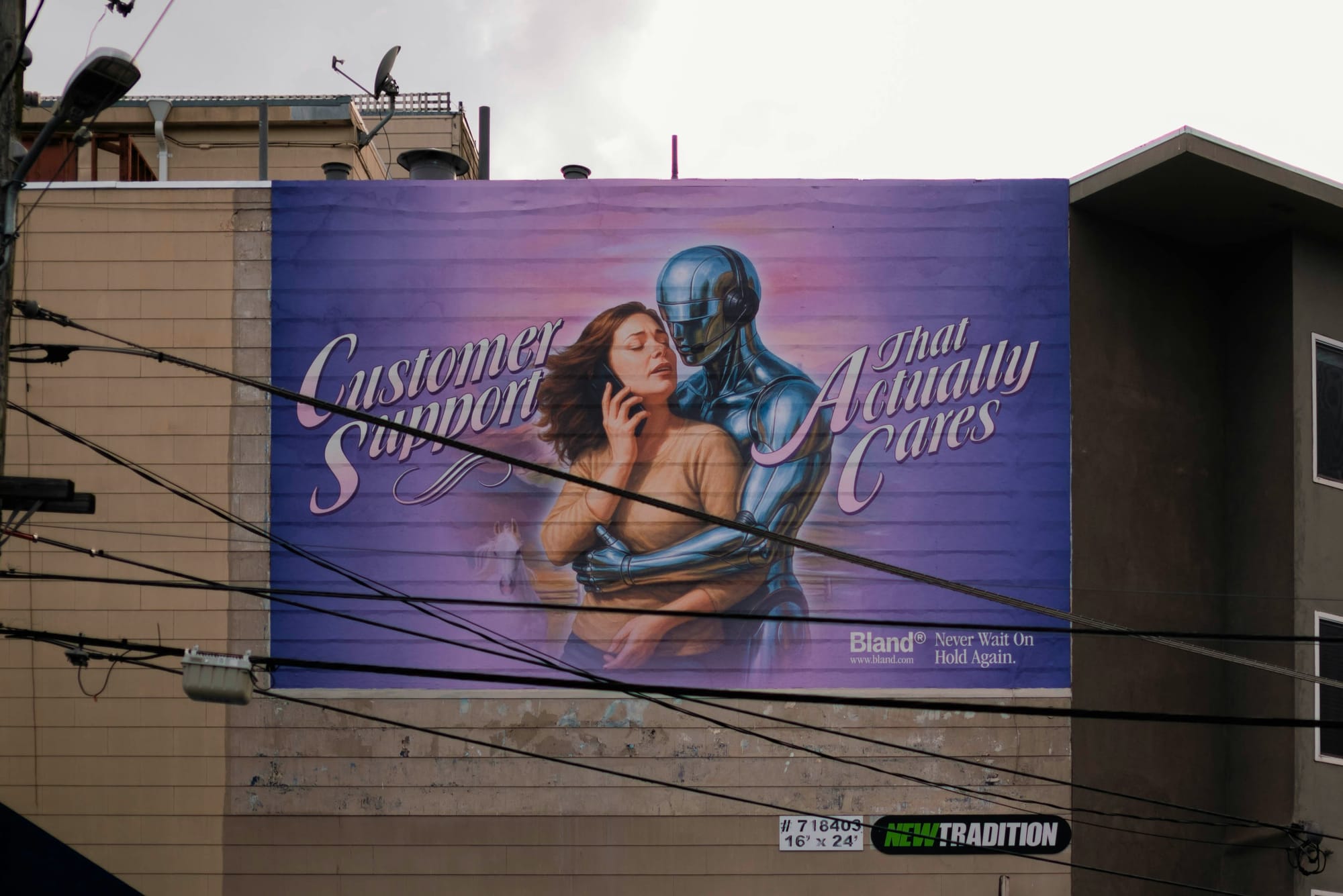
Chatbots are designed to mimic empathy and make their users feel understood. But don’t be fooled, this is not empathy. It is not understanding. What’s truly happening is the programmers, owners, and shareholders of this bot are begging for your attention no matter what (and ogling your wallet while at it).
Most characters in Her don’t see any problem in human-AI relationships. Except for one. When Theodore’s ex-wife, Catherine, hears about his new relationship with Samantha, she scoffs and accosts him: “You always wanted to have a wife without the challenges of actually dealing with anything real.” Does that not parallel the concerns that have been raised about human-AI relationships?
Spike Jonze was certainly aware of this interpretation of his story, and even agrees with it. Though I’d be surprised if he could predict just how relevant Catherine's viewpoint would become. Either way, Her is a time capsule of a film. It showed us an optimistic version of our future that will likely never come to pass. AI is the toothpaste that just won't get back in the tube. Pandora's box. All that's left for us to do is properly regulate this powerful new force that's entered our lives.
Saed D. Hill, PhD, a counseling psychologist and president-elect of APA Division 51, on human-AI relationships: “AI is here, but we must make it clear why humans are helpful to us in our day-to-day lives—why we should love, connect with, and choose humans, especially when AI offers constant validation.”
Couldn't say it better myself, Dr. Hill.