Table of Contents
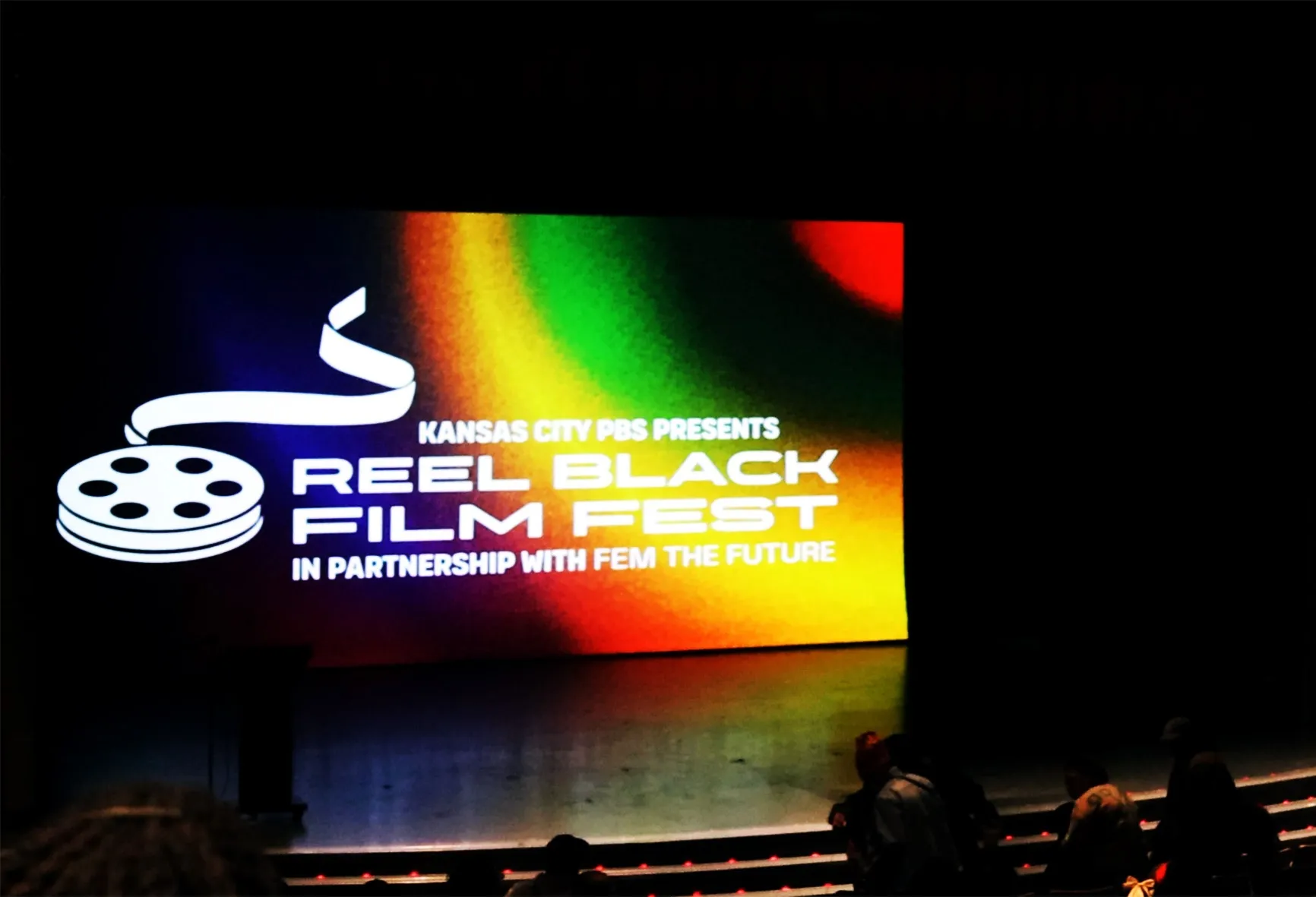
The Reel Black Film Festival is a relatively new festival based in Kansas City, Missouri. Hosted by Kansas City PBS, the festival was created to "explore black history in Kansas City through film".
The first festival took place in 2025 at The Truman and screened three films created in association with KCPBS: Land of Opportunity: The Road of Resistance, The Potato King: A Dynasty Built on Dirt and Dreams, and Diamond Jubilee: A 75-Year Celebration of Carter Broadcast.
Location
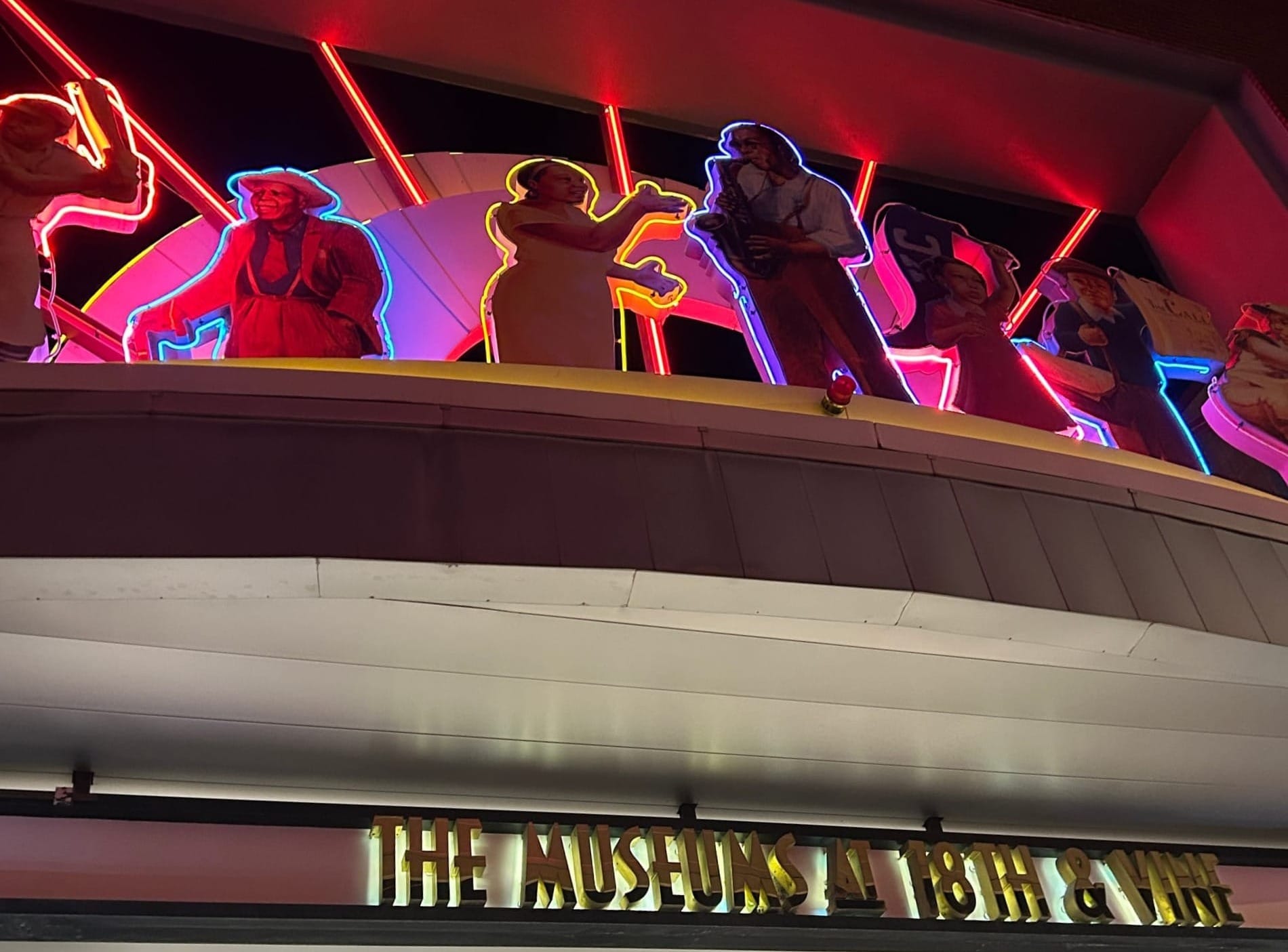
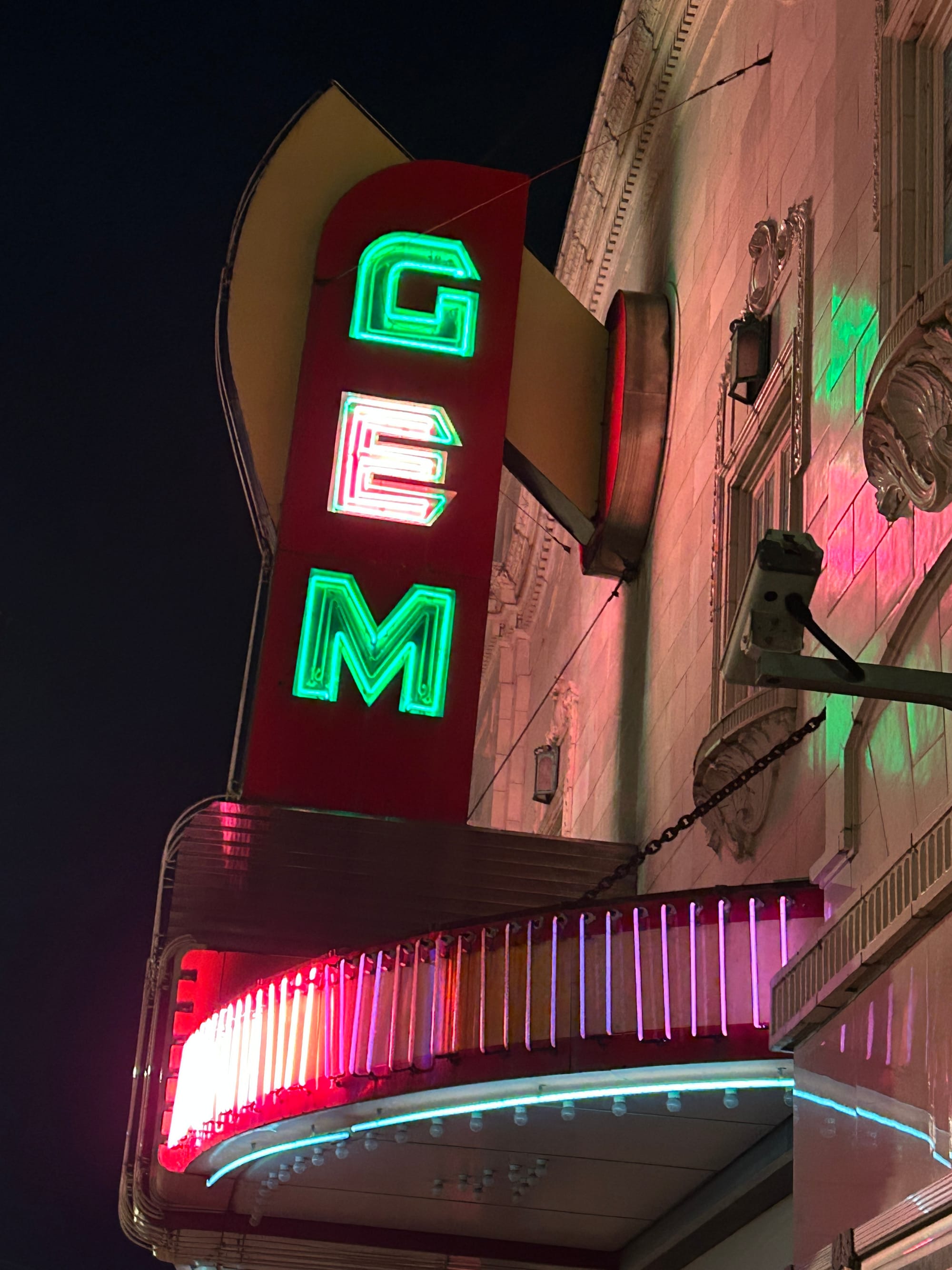
This year's festival took place in Kansas City's jazz district known to locals as 18th and Vine on Feb. 20 and Feb. 21. Screenings were held in the Gem Theater and the closing reception and awards ceremony was held in the American Jazz Museum. These specific locations hold immense cultural significance when it comes to Black history in Kansas City.
As a native of the suburbs of Kansas City, I was excited to return home for this festival. 18th and Vine has a creative spirit that can fill anyone with inspiration.
Opening Reception
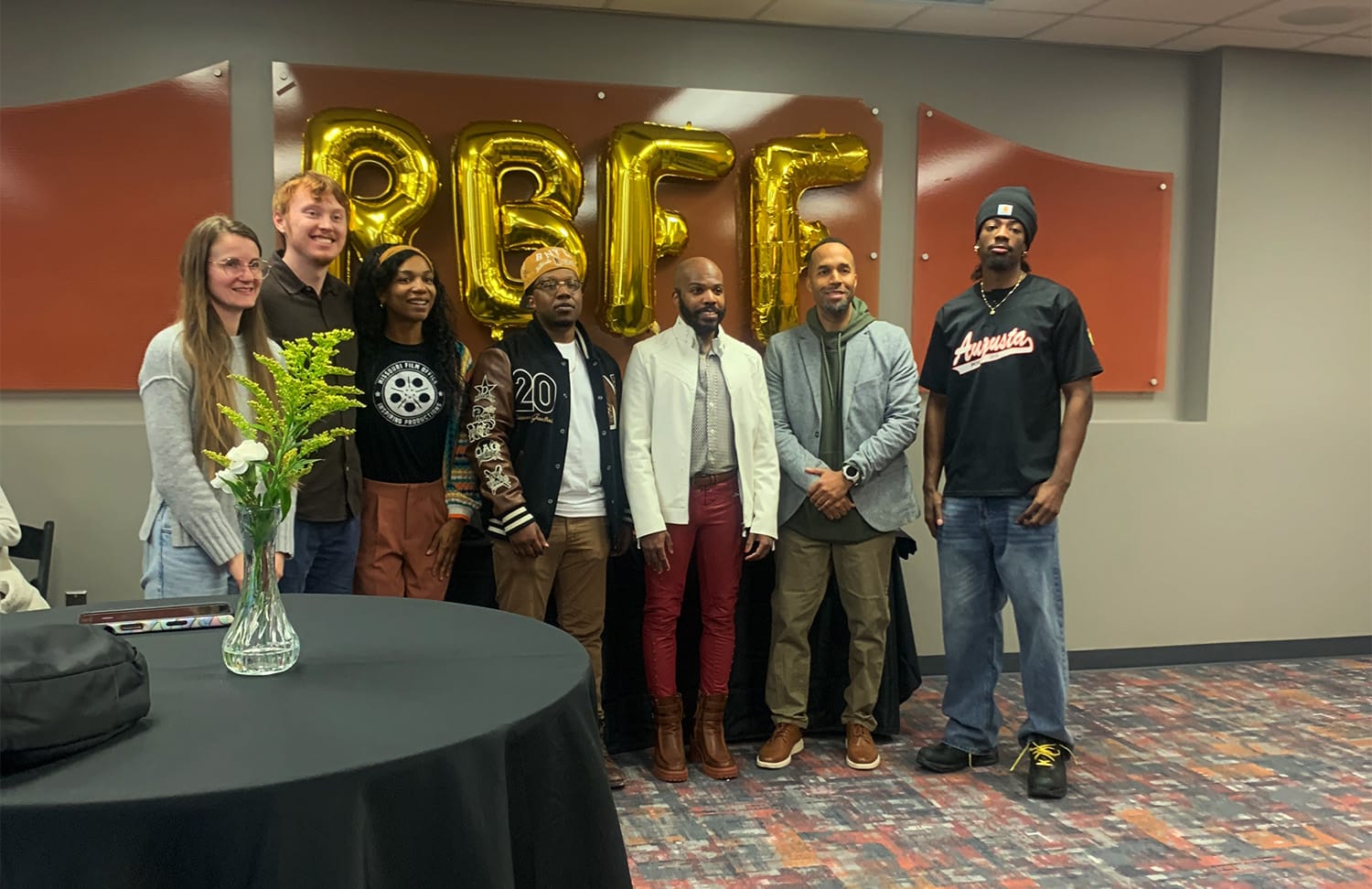
While the majority of the festival was free, the opening reception cost $150 to attend. It offered guests the opportunity to meet with members of KCPBS as well as featured filmmakers. Attendees of the opening reception also recieved a free Reel Black t-shirt, some PBS swag, and a 12-month subscription to PBS Passport.
I was a bit intimidated to go to my first VIP event, but members of PBS made a great effort to connect filmmakers with guests, regardless of status.
Film Selection
The festival included 9 films created by regional filmmakers. Two of these films were feature-length, and the rest were shorts. In addition, there were three special screenings.
Features
- The Restore Fellowship Documentary directed by Ken Williams
- Her Fight, His Name: The Story of Gwen Carr and Eric Garner directed by Brad Bailey
Both features tell inspiring stories of Black history, joy, and triumph over hardship. While many may think documentaries are boring, I think anyone could enjoy these films because they both make efforts to keep audience members interested.
Shorts
- Something in the Water directed by Nateya Taylor
- For Those That Lived There directed by Shawn Antoine II
- Everything Is Everything directed by Kin Marie
- 4 directed by Israel Barnes
- We Use Our Hands to Fight directed by Israel Barnes
- Be Home Before the Streetlights directed by Gee Horton
- O directed by Ace Lovelace
Every single selected short was polished and impactful. You could see the passion these filmmakers put in their work through every frame.
Special Screenings
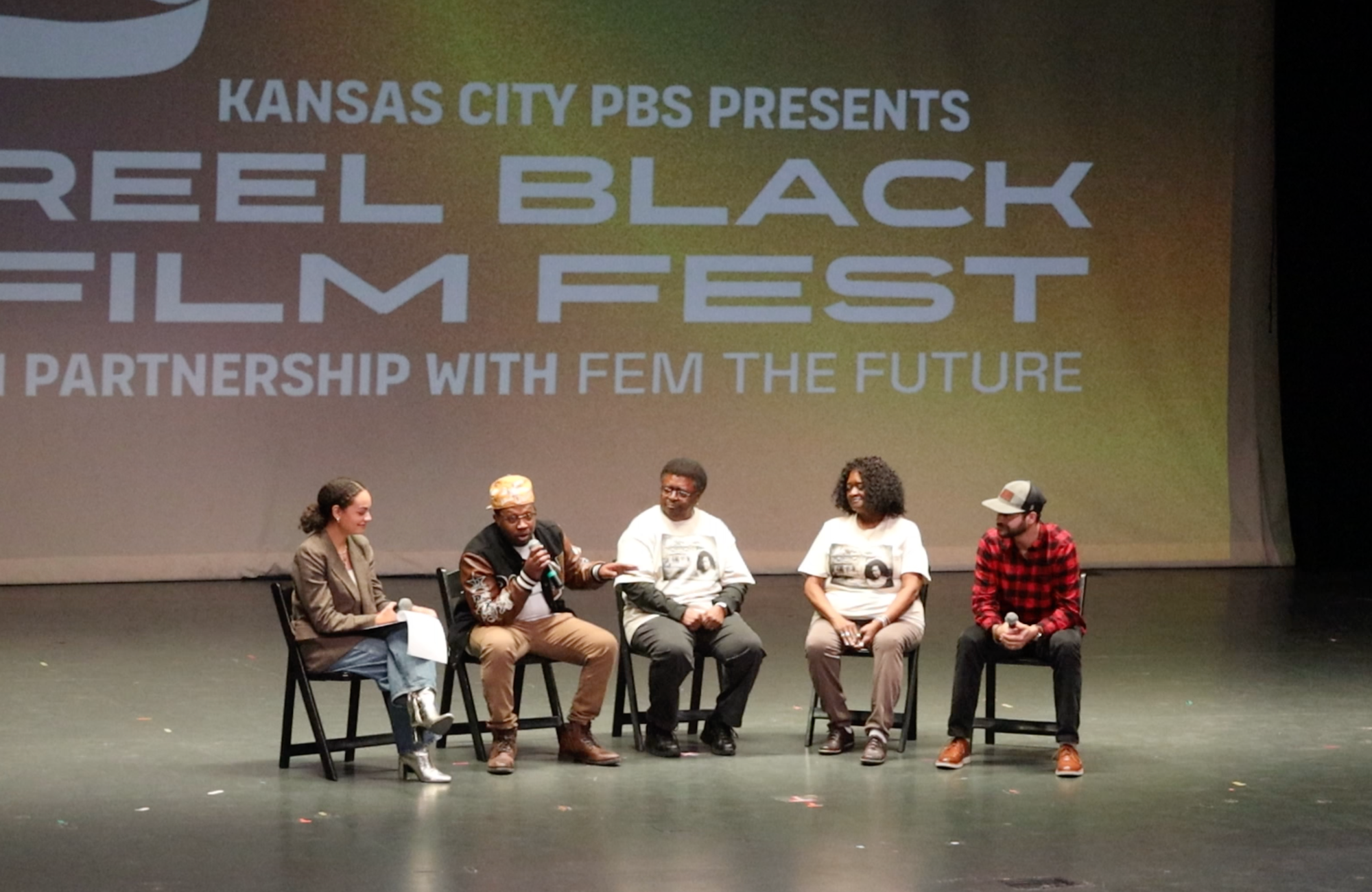
The first night of the festival premiered the film Aunt Sister: The Legacy of Sarah Rector, which was created in association with KCPBS. The premiere included a conversation with director Jacob Handy and several descendants of Sarah Rector.
This screening was the most popular and most exciting. The panelists engaged with the audience by answering their questions and bringing an overall inviting vibe to the festival.
The second special screening was Hoops, Hopes & Dreams, which is currently available on Hulu and Disney+.
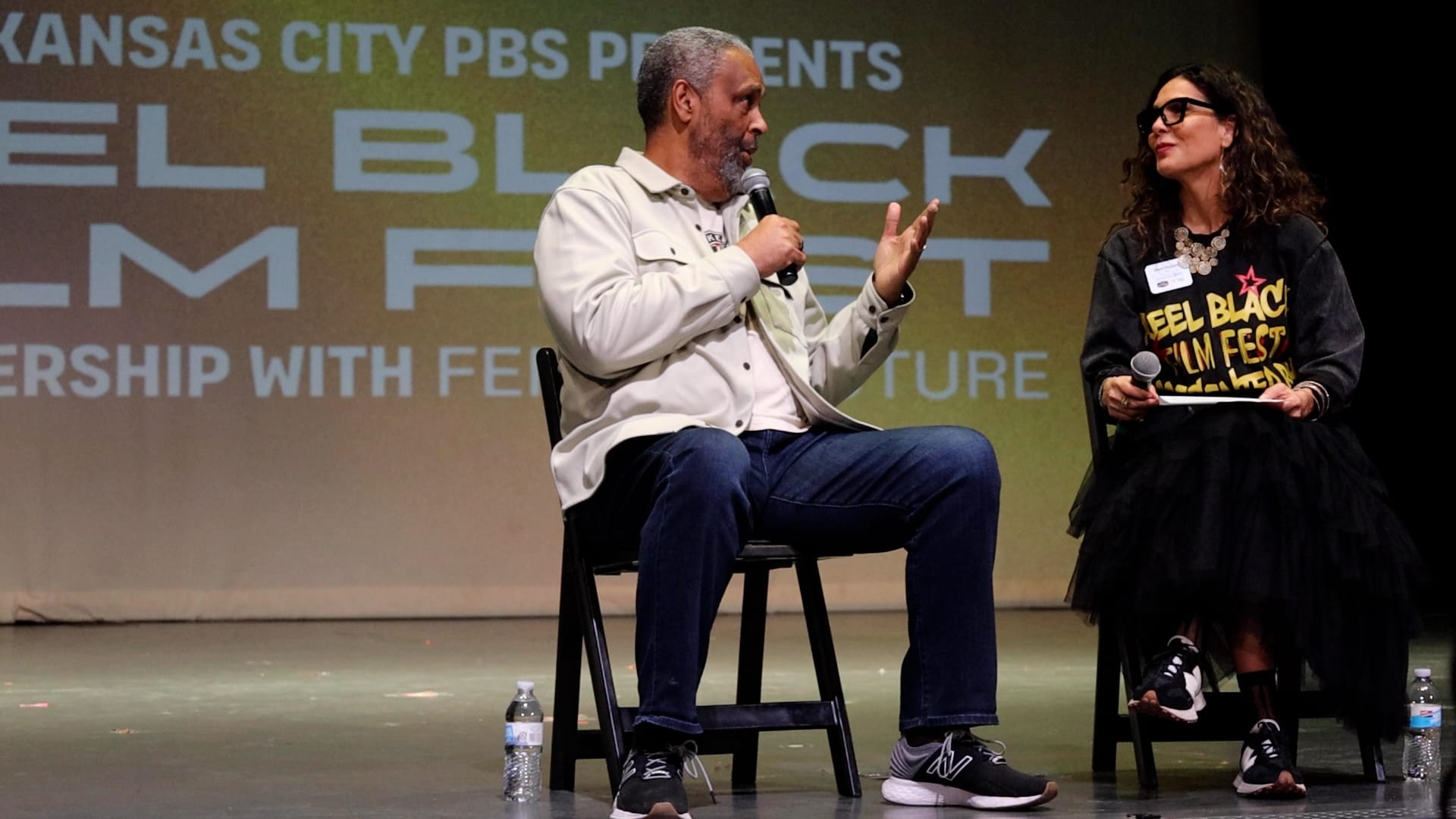
The festival ended its screenings with The Heroic True-Life Adventure of Alvin Brooks. This screening also included a conversation with the film's director, Oscar-winning screenwriter Kevin Wilmott.
Wilmott gave a lot of insight into this film and called audience members to reject the current presidential administration in America through small actions. I noticed that the audience was very engaged with this screening as Alvin Brooks is a prominent figure in Kansas City.
Black Owned Marketplace
A unique part of this festival was the inclusion of the Black owned marketplace. Several small businesses had tables in the theater lobby to sell their goods. Their offerings included art prints, stickers, and refreshments. I personally enjoyed drinking the lemonade made by Squeeze the Day With Zay during the screenings, it went well with the free popcorn provided by PBS.
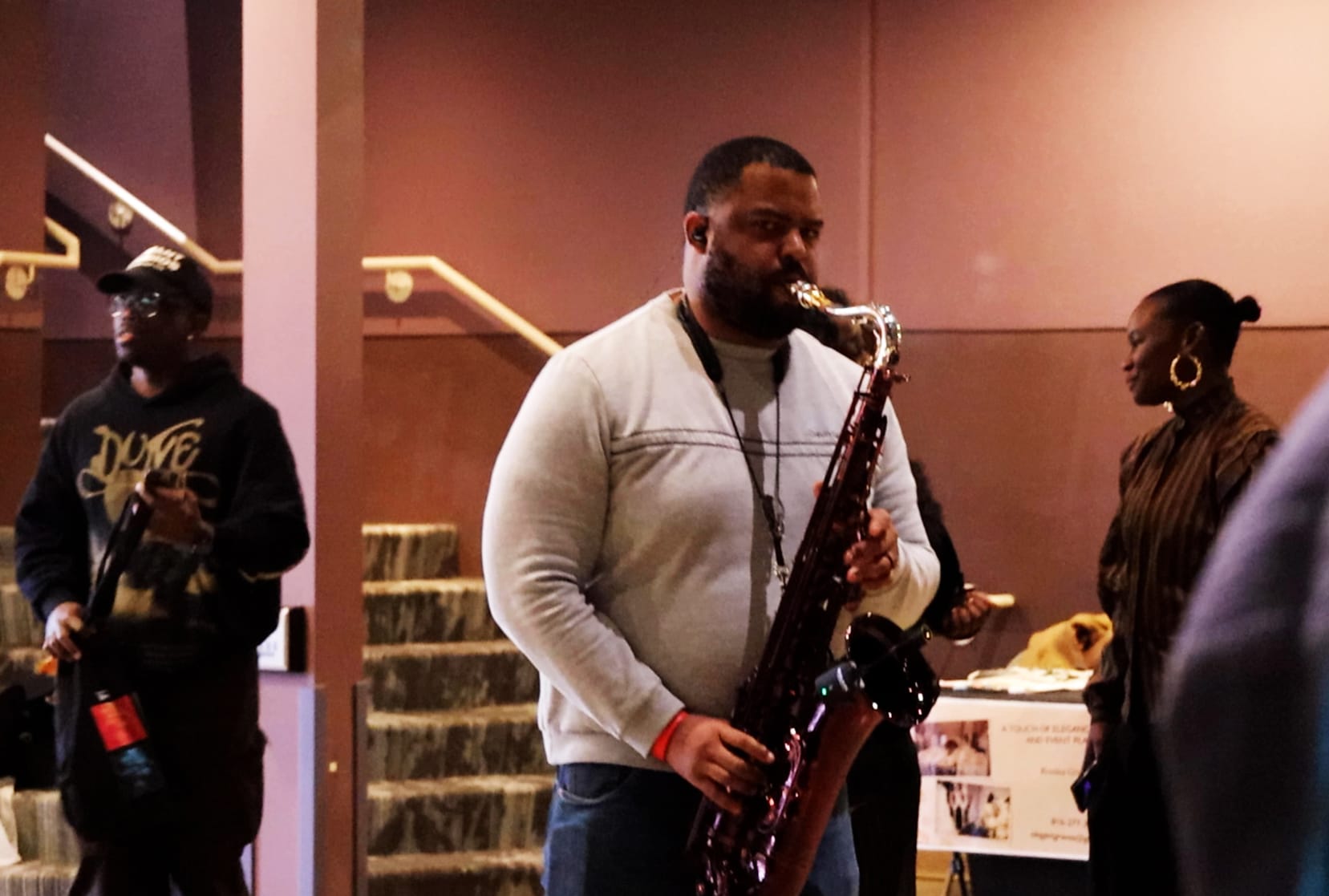
During most of the festival, there was a live saxophone player wandering the lobby.
Awards Ceremony
The awards ceremony took place in the lobby of the American Jazz Museum. Dinner and dessert were provided free of charge. This ceremony also had a live jazz ensemble, including a singer. Awards were chosen by both audience vote and by a jury panel.
Final Thoughts
Overall, I was impressed by this festival. For only being in its second year, it had a lot to offer. I think KCPBS did a fantastic job at engaging the local community. Most film festivals cater to filmmakers rather than the average viewer. This festival, on the other hand, invited people from all backgrounds to learn more about black history. KCPBS used the Reel Black Film Festival to cultivate an environment that encouraged people to get to know each other and grow together.