Table of Contents
Three Key Takeaways
- Wylie Anderson’s film explores the psychological impact of internet culture on young girls through a dystopian school setting.
- The creative process was deeply influenced by the film’s internal rhythm and a pivotal sound design choice that reshaped the story’s tone.
- Independent filmmaking’s flexibility allowed Anderson to balance thorough planning with on-set openness, aided by a strong, trusted team.
Filmmaker Wylie Anderson brings a keen, personal lens to the anxieties of growing up online in her short film How to Cry on Command, recently selected for the TRC Shorts Fest.
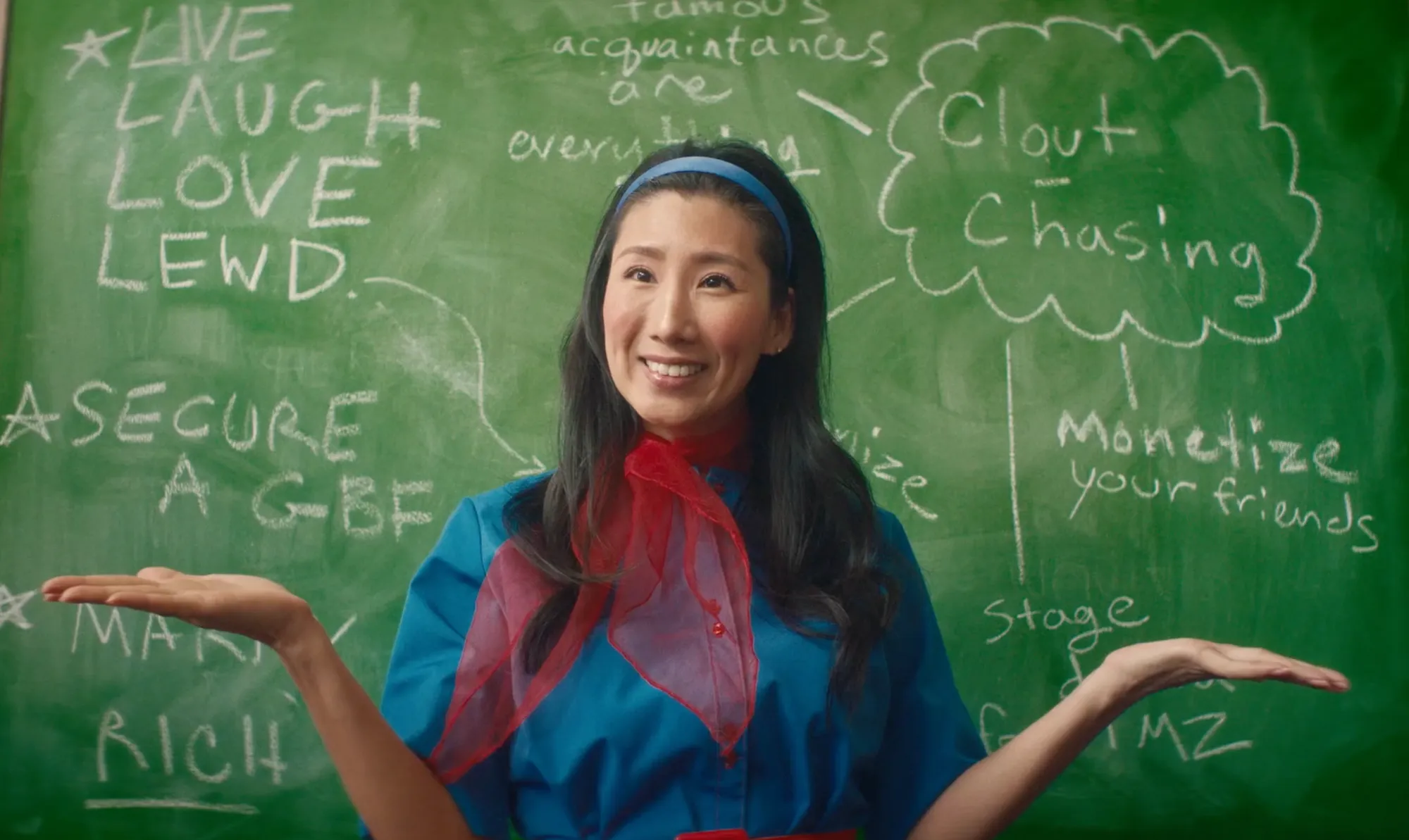
With a compelling cast including Colyse Harger, Anderson herself, and Lane Townsend, the film unfolds at Celebrity Preparatory for Girls, a dystopian grade school where authenticity is a hard-fought lesson.
Supported by producer Roxanne Griffith and cinematographer Rachel Bickert, Anderson’s work probes the intersection of celebrity culture, childhood, and digital identity.

What drew you to make How to Cry on Command? Why this story, and why now?
I was living with my younger sister in 2020 when I started writing this film. Watching her middle school experience take place entirely online was what made me want to explore what growing up immersed in internet culture feels like—not just for her, but for a whole two generations now raised on social media. Growing up in LA, I also wanted to examine how constant exposure to celebrity culture impacts identity. Beyond that, I was interested in the intense world of acting classes, the ethics of working with child actors, and the unsettling parallels with cult dynamics.
“What surprised me most was how important it is to listen to the internal rhythm of the film.”
What surprised you most about the filmmaking process this time—creatively or logistically? Was there a moment on set or in post that completely changed how you saw the story?
What surprised me most was how important it is to listen to the internal rhythm of the film. That rhythm became a guide, and now I carry that awareness into every film I make. There was a super key moment in post that completely shifted how I saw the story: during our sound design sessions, we decided to distort Principal T’s voice in the final scene, pushing it into a more devilish, almost satanic tone. That choice cracked open the world even further for me.
Is there a moment in the film that feels the most you—something only you could have made?
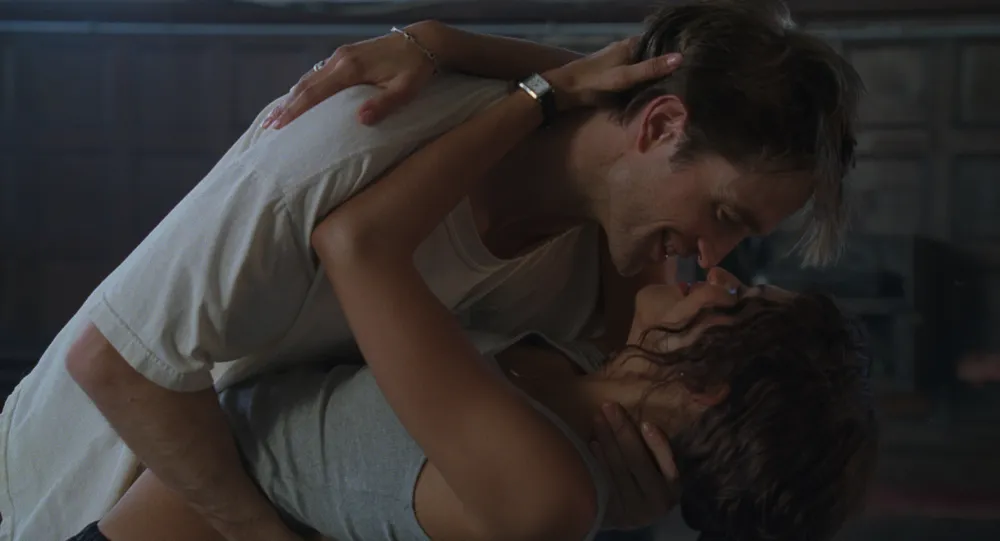
The whole film is really personal. But the most "me" moment is that scene with Mattie & Miss H having their secret meeting.

What was the hardest creative decision you made while making this film?
Staying true to my original vision--and knowing when to pivot--was the hardest part. I had to keep grounding myself and returning to the core of the film. Sometimes that meant pausing, taking a breath, and honoring both the process and myself to refocus.

What do you hope audiences take away from your film?
This film is about a lot of things, but overall, I hope audiences leave with a more critical understanding of the psychological and social impact that a life immersed in online culture can have on young girls.
“During our sound design sessions, we decided to distort Principal T’s voice… That choice cracked open the world even further for me.”
How has this film shaped or shifted the kind of stories you want to tell next?
This film pushed me to keep telling honest stories about women, children, and the digital anxieties we face, especially around protecting minors in the digital age.
What’s a tool, technique, or resource that really helped you during production?
During production, having the right people around me made all the difference. My producer, Roxanne Griffith, was an absolute powerhouse– truly a superstar and a lifesaver. Same with my incredible DP, Rachel Bickert, who was both a generous collaborator and a mentor. I also had friends and family involved in the cast and crew, which added a layer of trust and heart to the process. My biggest advice: surround yourself with people who believe in the vision and bring their full selves to it.

Independent filmmakers often rewrite the rules out of necessity. What do you think is the greatest strength of independent filmmaking, and how did you lean into that on this project? Is there a lesson or breakthrough you’d share with others navigating this path?
One of the biggest strengths of independent filmmaking is being able to plan really well--and then knowing when to improvise. I like to prep thoroughly and take my time when I can, but that’s not always an option. Having a strong Producer and First AD with a solid Plan A and Plan B is huge. Still, no matter how much you prepare, unexpected things will happen--staying open on set can lead to the most creative moments.
What does it mean to you to have your film selected for TRC Shorts Fest?
I'm thrilled to be part of TRC Shorts Fest--it's an incredible honor to contribute to a celebration of women and non-binary filmmakers whose voices and stories deserve the spotlight!
“One of the biggest strengths of independent filmmaking is being able to plan really well—and then knowing when to improvise.”
Where do you see this film going next?
Right now it's available on NoBudge. But in the future, I'd love to turn this into a feature project--I guess we'll see!
“At the core of all my work is a desire to tell honest stories of women, children and digital anxieties."

Cast & Crew
- Ashley Kron — Production Design
- Lily Judge — Editor
For more on How to Cry on Command, visit the film's trailer on Instagram.