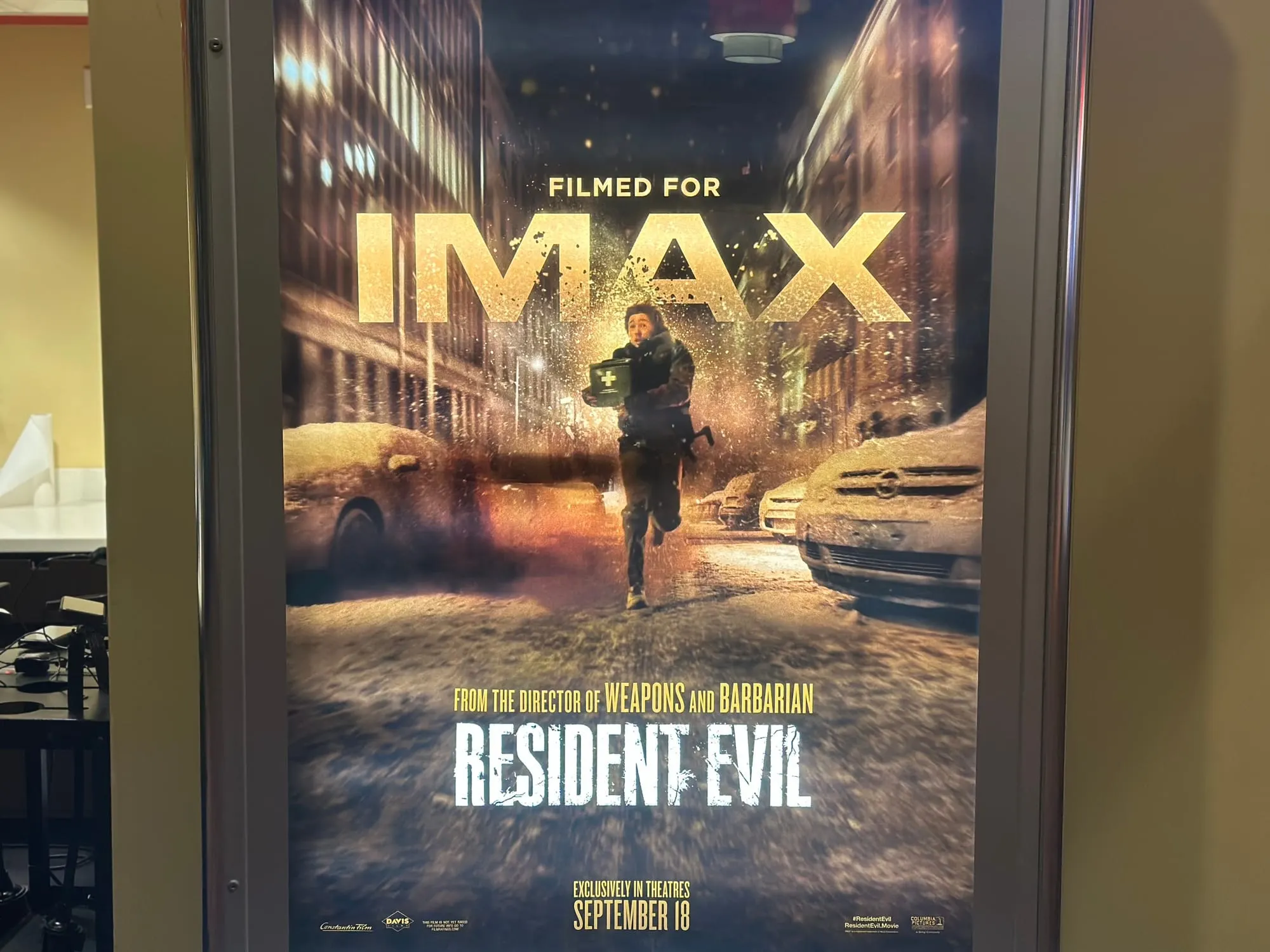
Since Paul W.S. Anderson's film in 2002, filmmakers have attempted to adapt the Resident Evil video game franchise, with Anderson frequently being at the helm. While every entry can almost universally be considered a guilty pleasure and a mindlessly entertaining viewing experience, they lack the true nature of the source material, which includes the following elements: uncertainty, consistent dread, fearful isolation, frightening emptiness, and a relatable "everyday" protagonist.
In January 2025, when it was announced that director Zach Cregger would be helming the second reboot of the horror franchise, audiences became increasingly optimistic. Cregger has shown himself to be a master at crafting unpredictable and boldly original horror stories with technical elegance, as demonstrated by his previous works Barbarian and Weapons. It made perfect sense that someone like Cregger—a filmmaker that provides unique story structures with a distinct taste for humor and consistent atmospheric tension—would land an opportunity to reboot the video game franchise. Yet, because it would also be his first foray into an existing IP, there was an expected mix of both positive anticipation and skepticism, especially regarding fans of the source material.
Fortunately, Cregger proves with this film that a great filmmaker can make an unoriginal idea feel fresh and revitalized.
As this is easily the best Resident Evil film adaptation thus far, it not only captures the terrifying essence of the games, but also allows Cregger to implement his signature voice into this world. Amidst the dark and chilling environment that this film has to offer, Cregger's use of relatable humor terrifically treads the line between lightheartedness and seriousness—as he also exemplifies in his previous two films—and the humor does not come at the expense of the characters. The effective jokes (at times, one too many) aid the realistic nature of what they are witnessing and/or going through. Much of this balance has to do with Austin Abrams's impeccable comedic timing as the "generic player." Although Abrams represents the audience experiencing this world for the very first time, the script by Cregger and Shay Hatten is able to give us a reason to root for this protagonist.
There is a sense of urgency in the unusually intimate sequences, in which we occasionally see (quite literally) the horrifying events unfold through Abrams' eyes. We are the main character of the film, which is one of the reasons why Cregger understood the assignment of conveying the experience of actually playing a video game. Additionally, Cregger has stated that the frequent third-person perspective shots demonstrate the emptiness of this broken world. He describes this perspective as "effective in immersing you in the space." As a result, the film feels painfully human despite its chaos-driven context. The film wisely doesn't shy away from relatability—for a film like this, it was absolutely necessary to illustrate realistic vulnerability rather than crowd-pleasing invincibility. Previous Resident Evil adaptations failed to fully grasp this essential aspect, leaving audiences with lore-heavy action extravaganzas.
When Cregger was asked about how he wanted to approach his new film, his response reveals his great respect for the games:
"Those games pioneered something special. The pacing of those games is so unique and effective, and just being locked in with one character moving from point A to point B, knowing you’re going to pass through this gauntlet of terror, and you’ve got to be methodical and thoughtful about it. That’s cool. That’s cinematic. So I want to tell the story in the world of the games that honors the lore of the games, but it’s a new story." (Variety)
The choice to tell a completely standalone story that takes place in this world without excessive lore was a brilliant maneuver. While there is one sequence where a decent amount of exposition of the t-Virus outbreak controls the scene, it does not necessarily control the film's general narrative. The suspense and terror of the protagonist's solo mission rely heavily on uncertainty and isolation—two massive aspects of the source material. Even up to the unexpected ending, the film makes almost no effort to tease a sequel, which may occur based on its current numbers at Box Office Mojo. Even with this decision, it's evident that the film respects the legacy of the lore.
As mentioned, this first major leap into franchise territory for Cregger still feels wholly original to him as a filmmaker. Everything about its cinematography, color grading, and self-aware humor (that occasionally might overstay its welcome) reflects the style and wit that he brought forth in both Barbarian and Weapons, leading to a long-overdue adaptation that finally honors the source material's reputation as one of the most enjoyably frightening franchises in video game history.
Grade: A-
For more information on how to successfully adapt a video game into a feature film, feel free to visit the following article from Raquel Estes: From Controller to Camera: "Iron Lung" and the art of the game adaptation.