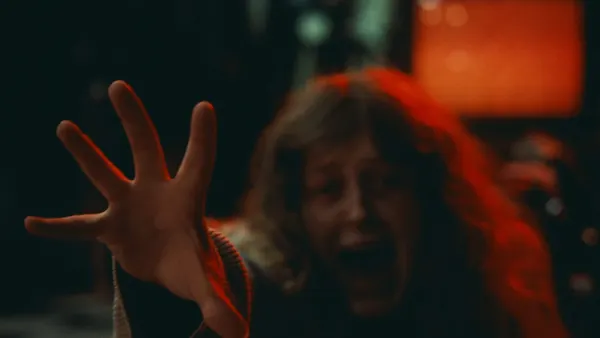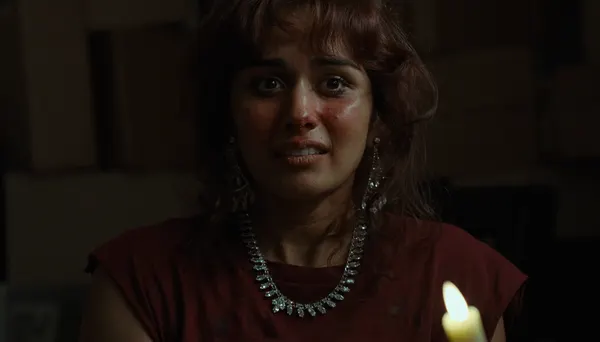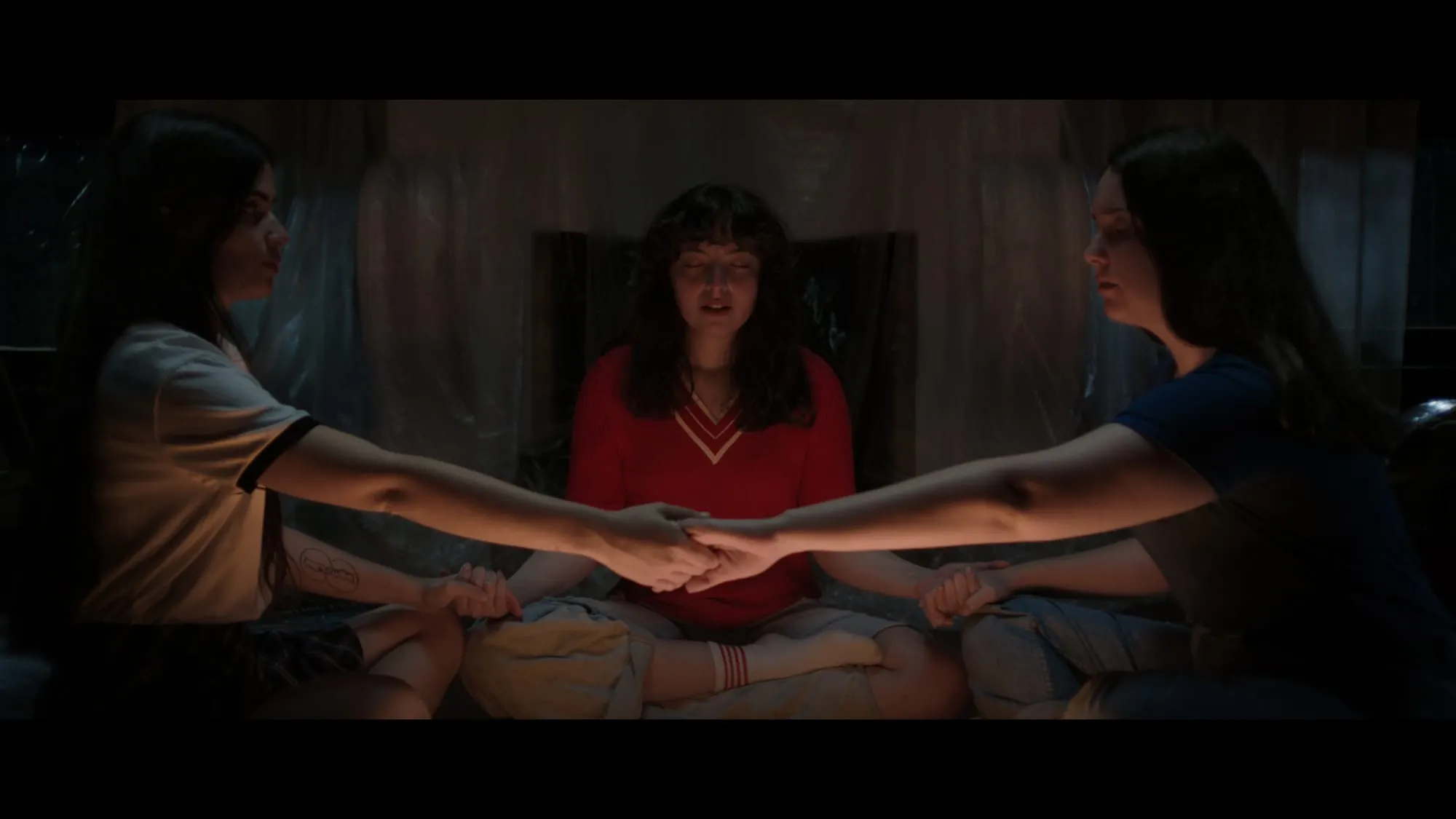
A box of cassette tapes, a group of teenage outsiders, and the recorded voices of séances held thirty years ago: that's the engine of 99 Ghosts, Gonzalo Torrens's supernatural short made in Montevideo with a small team, limited resources, and what he cheerfully describes as a lot of stubbornness. What begins as an innocent exploration of the supernatural turns into a terrifying encounter with the unknown, but the film never loses its sense of humor, or its affection for the girls at its center.
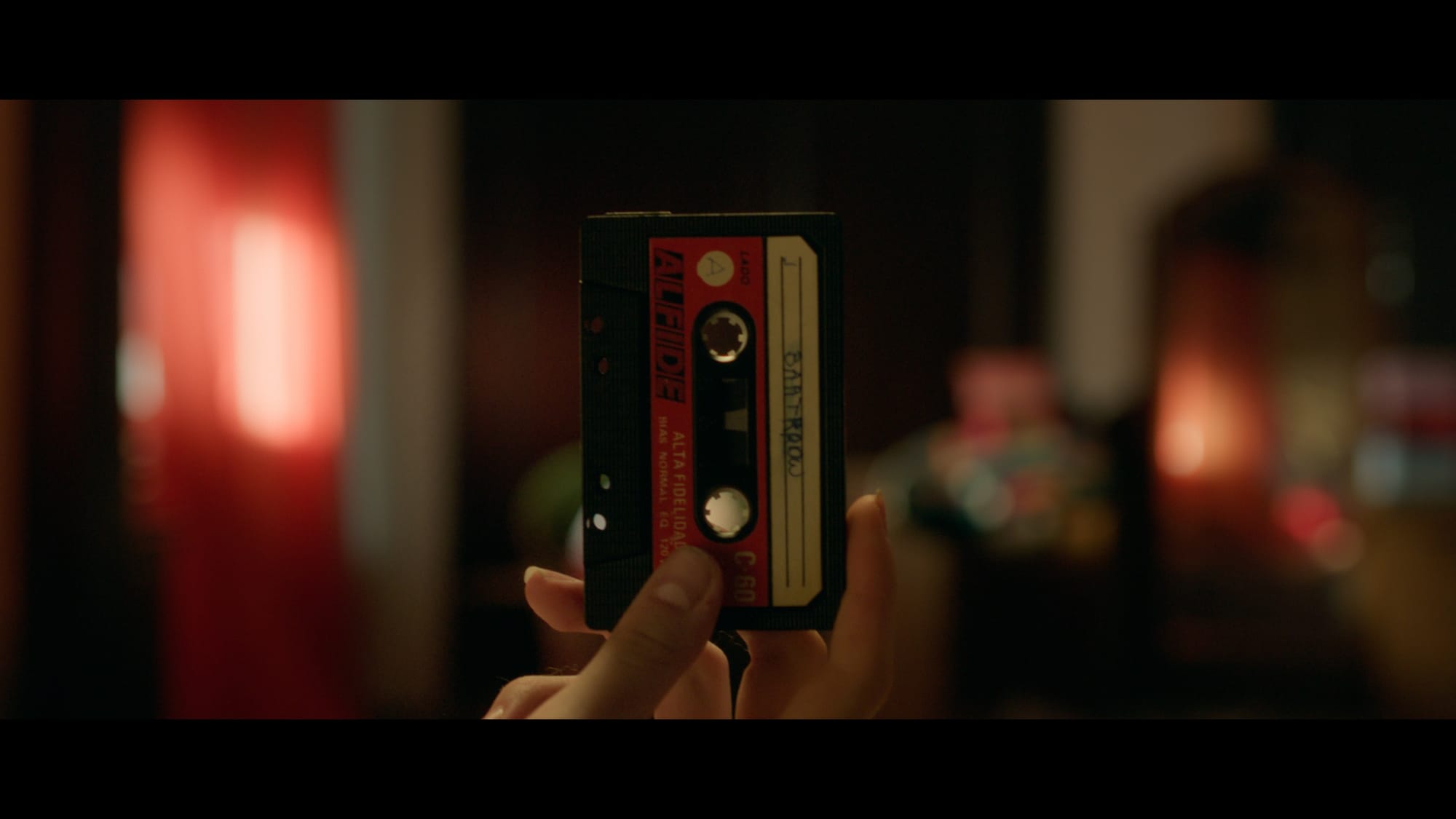
The seed was personal. When Torrens was seven, he recorded a cassette of clues to help his father find a Father's Day present. Years after his father passed away, he found the tape and heard his own childhood voice speaking to someone who was no longer there. "For a moment, it felt as though I were listening to a ghost," he says. "I remember thinking there was a movie in that feeling." Five years later, that feeling has arrived at FilmQuest with nominations in tow.
Key Takeaways
- 99 Ghosts began with a real cassette tape: a child's recording addressed to a father who was later gone, and the uncanny sensation of hearing a voice survive on magnetic tape.
- Torrens took five years to finish the short, leaning on the one advantage independent filmmaking reliably offers — control over time.
- The short grew out of a feature project set in the same world, and he hopes it helps bring that larger film to life.
Torrens spoke with us about the fear of not knowing, the scenes he had to cut, and why he finally enjoyed a shoot.
Interview
What drew you to make this film, and why this story, why now?
The idea came from a very personal experience. When I was seven, I recorded a cassette with clues to help my father find his Father's Day present. Years later, after he passed away, I found the tape and listened to my own childhood voice speaking to someone who was no longer there. For a moment, it felt as though I were listening to a ghost. I remember thinking there was a movie in that feeling.
That experience became the starting point for 99 Ghosts, which grew out of a feature project I had been developing. I was drawn to the idea of voices surviving on magnetic tape, of ordinary objects becoming vessels for something inexplicable, and of the thin line between memory and the supernatural.
As for why now, I think sometimes a story stays with you until you find a way to make it. This was a world I couldn't let go of, and making the short became a way to finally bring it to life.
What surprised you most about the filmmaking process, creatively or logistically?
What surprised me most was how much the film evolved through the process of actually making it. I had very specific images in mind, but filmmaking is always a collision between imagination and reality, especially when you're working with a very limited budget and an incredibly tight schedule.
I learned that limitations don't necessarily make a film smaller; sometimes they force you to become more inventive and discover things you wouldn't have thought of otherwise. The challenge was figuring out where to compromise and where to hold on to the things that really mattered to me.
I think the experience also reinforced something I believe about filmmaking: you don't shoot a screenplay, you shoot a movie. The story keeps transforming through the people, the locations, the accidents, and the decisions you make along the way. By the time we finished 99 Ghosts, it had become something quite different from what I originally imagined, and I think that transformation was essential to making it the film it is.
What moment in the film feels most like you, or like something only you could have made?
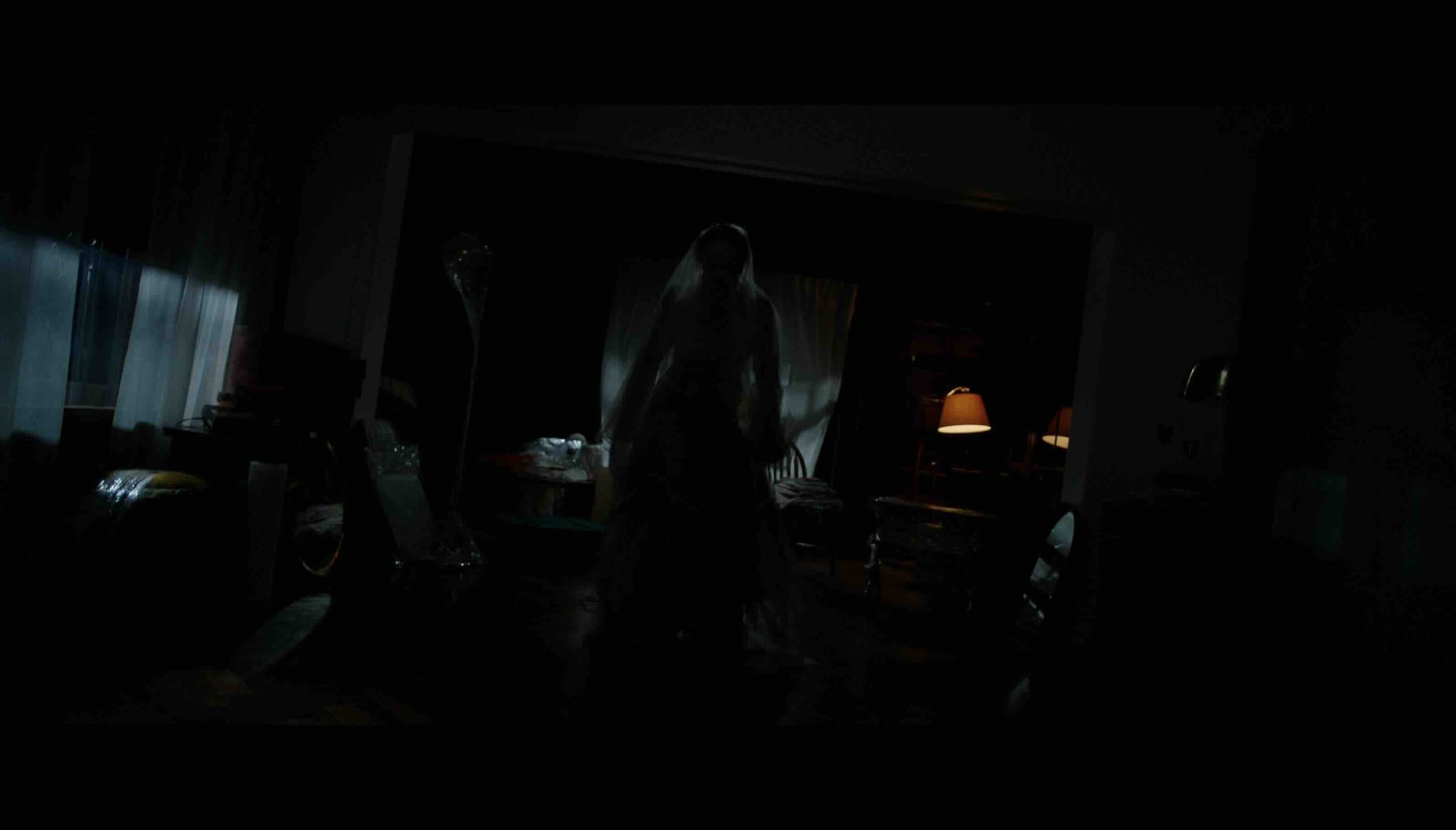
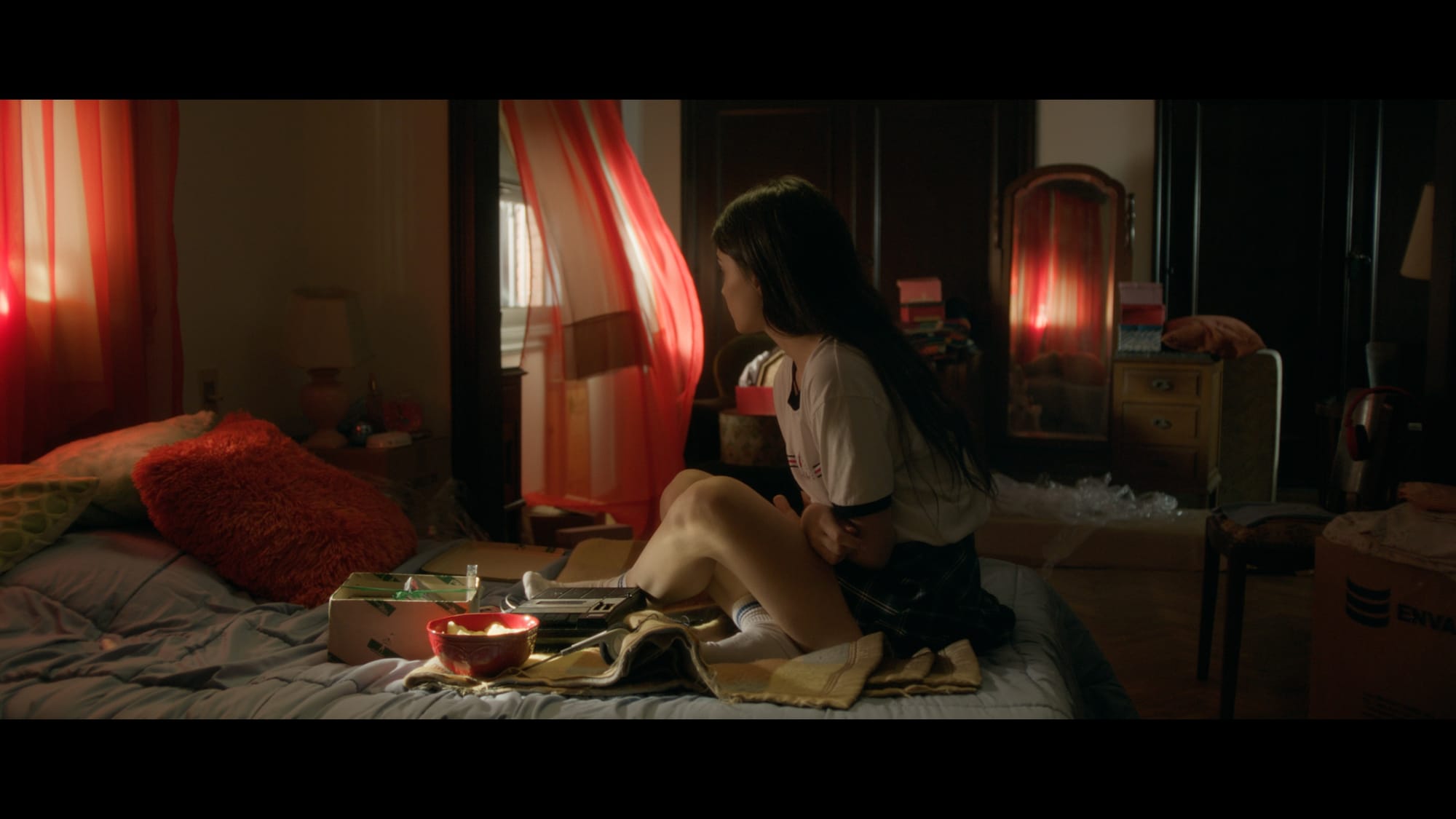
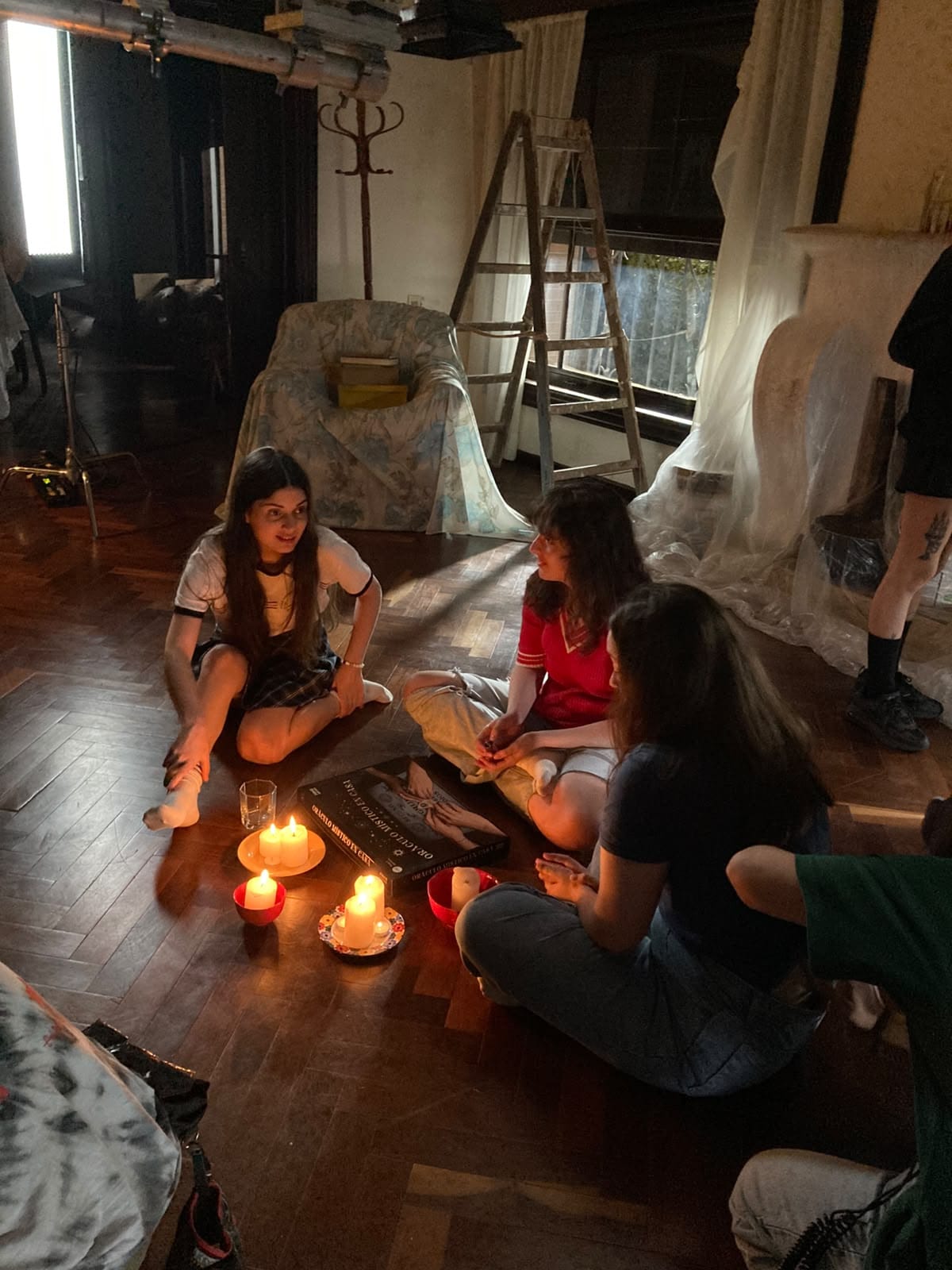
I think the moments that feel most like me are the ones where the fear comes from not knowing what's happening. Before the ghosts even appear, when the Ouija board starts answering questions in ways the characters can't quite understand, there's a particular kind of dread I really love. The imagination starts doing the work, and sometimes what you don't see is much more frightening than what you do.
But I also think the relationship between the girls feels deeply personal to me. Their dynamic, the way they talk to each other, their sense of humor and the intimacy they share are very close to the way I experience friendship. Some friends of mine who had never watched any of my films saw 99 Ghosts and told me they felt like they already knew these girls.
What was the hardest creative decision you made while making the film?
The hardest creative decision was cutting dialogue and entire moments between the girls. There were scenes I loved, little exchanges that gave their relationships texture and made them feel like real people, but that ultimately had to go.
That's the magic of editing: the film gets rewritten, and sometimes it finds itself in the things you remove. You can't become attached to a shot or a scene simply because you went through the trouble of making it. The fact that something exists doesn't mean it belongs in the final film.
I find that process particularly challenging because it forces you to question yourself as an author. What are you willing to let go of? Why? What absolutely needs to stay, and why?
What tool, technique, resource, collaborator, or mindset shift helped most during production?
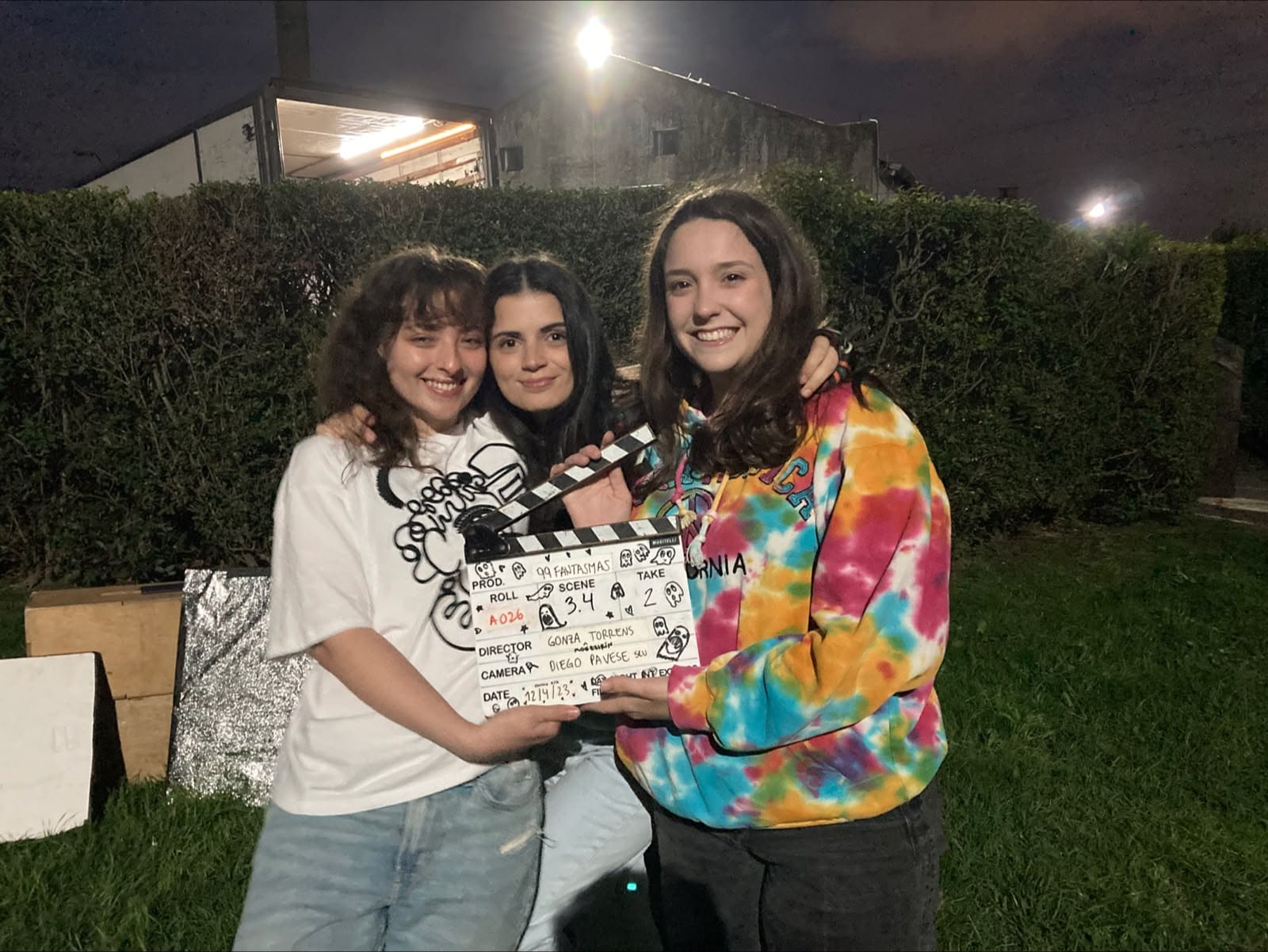
I think the biggest difference was my mindset. For the first time, I went into a shoot feeling genuinely calm. I was patient, I wasn't constantly worrying about everything that could go wrong, and I allowed myself to be present and actually enjoy the experience. In the past, I used to get incredibly nervous before a shoot, and sometimes that anxiety followed me onto the set. With 99 Ghosts, something shifted. I was happy. And that was revelatory for me.
I've come to think of a film shoot as a kind of cathartic experience. So much happens in those few days, not just in front of the camera, but between people, in the atmosphere, in all the little unexpected moments. I believe those things find their way into the film, somehow.
I had spent so long wanting to make this film that, when the moment finally came, I wanted to enjoy it. I wanted to be there, to be patient, to let things happen, and to fill those days with good experiences. I think that matters. A film carries something of the way it was made, and I wanted 99 Ghosts to carry something good from that experience. Learning to enjoy the process, rather than just worrying about the result, was probably the most important thing I took away from making it.
What is the greatest strength of independent filmmaking, and what lesson would you share with others?
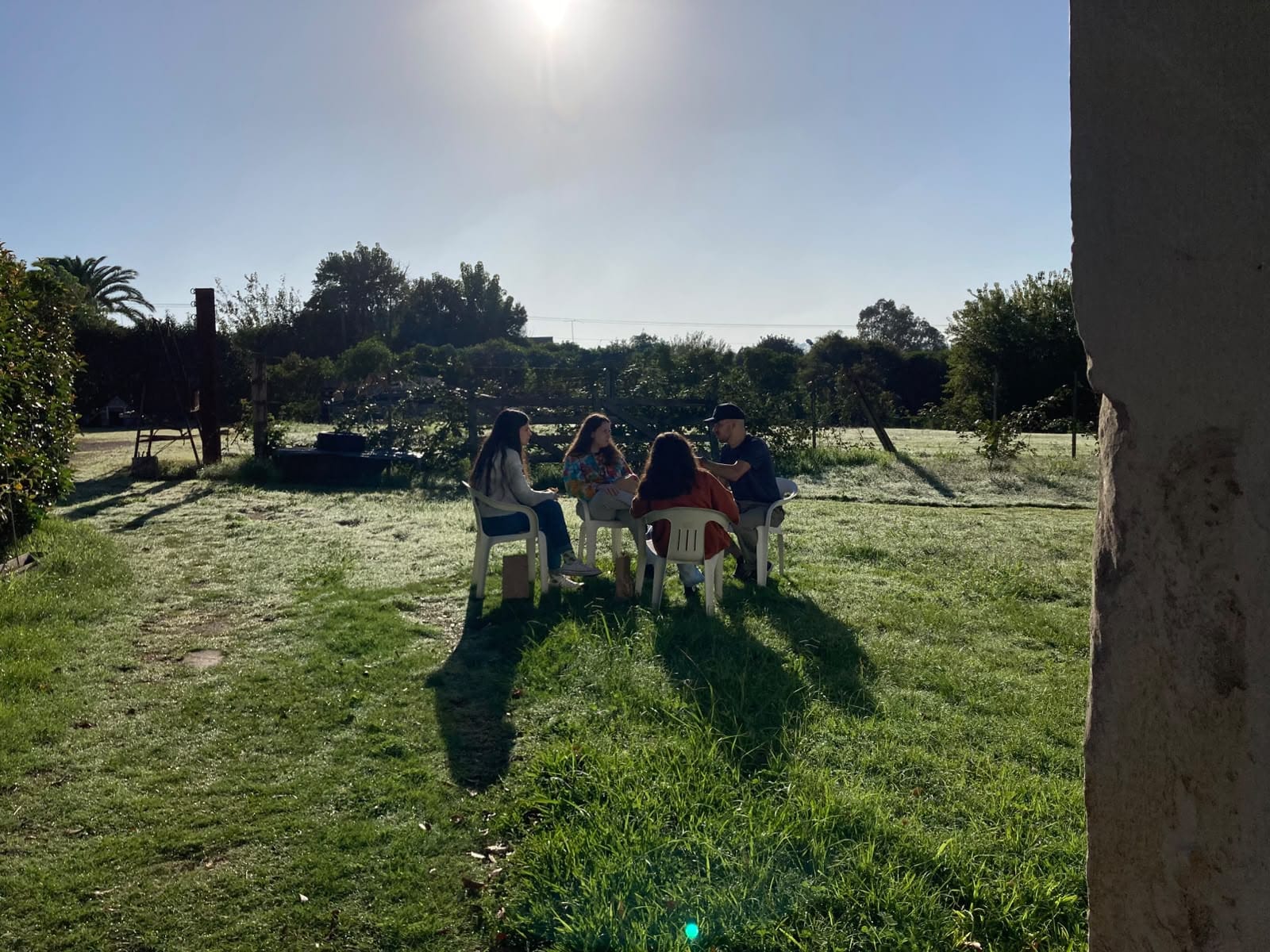
In my case, I think the greatest strength of independent filmmaking was having control over time. We didn't have the money, so I could postpone the shoot until I found the resources we needed. I could keep editing until I found the right cut. Nobody was waiting for me to deliver the film by a deadline imposed by someone else. I was producing it myself, which meant I could take as long as I needed.
There's a trade-off, of course. What you can't afford to pay for, you eventually pay for in time. And making a short film over five years is incredibly exhausting. Hahaha. It's not exactly something I'd recommend for the experience alone! But that flexibility is also the reason 99 Ghosts exists.
So I think my lesson is that independent filmmaking can give you something invaluable: the possibility of seeing a project through on your own terms, even when the odds aren't particularly favorable. It can be frustrating, slow, and downright exhausting, but sometimes the freedom to keep going is what allows the film to exist at all.
What does it mean to have your film selected for FilmQuest, and where do you see it going next?
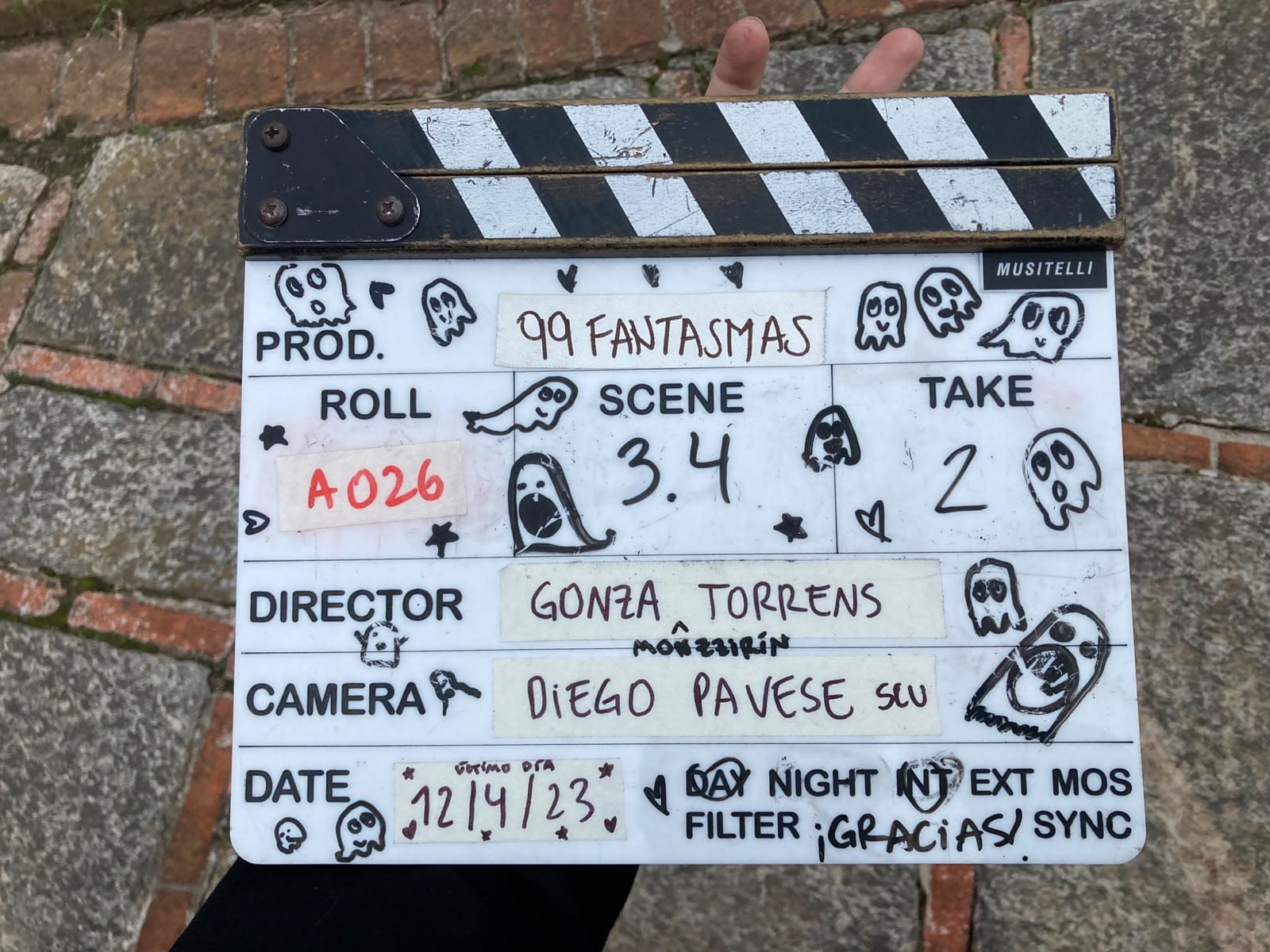
Coming from Uruguay, having 99 Ghosts selected for FilmQuest feels pretty surreal. I made this film in Montevideo, with a small team, limited resources, and a lot of stubbornness. It took me five years to get it across the finish line, so there were moments when simply finishing the film felt like an achievement in itself, let alone imagining it would travel this far.
When you make films in Uruguay, you learn to be resourceful and patient. You find ways to make things happen, often without knowing when or how they'll come together. You put a lot of yourself into a project, send it out into the world, and hope it finds someone on the other side who connects with it. So knowing that people at FilmQuest have embraced this strange little film I made back home is incredibly rewarding. And I love the idea that something so rooted in my own experience can find an audience so far away. It makes the whole five-year adventure feel a little less insane. Hahaha. And the nominations are the cherry on top!
I hope it helps bring the feature film to life. 99 Ghosts was never just a short film to me; it grew out of a much bigger world I've wanted to explore for years. I'd love to return to it and see how far we can take it. For now, I'm enjoying watching this little film find its way out into the world, one screening at a time.
Filmmaker Opportunities
💛 Fund your next project with fiscal sponsorship
Have a project in the works? As a 501(c)(3) nonprofit, the Cinematography for Actors Institute can accept tax-deductible donations on your film's behalf — a door-opener for grants, foundations, and supporters who want to back your work. We've serviced over 100 projects to date and helped route over $800,000 in funding to filmmakers. Explore fiscal sponsorship →
📬 Grant deadlines and festival opportunities, straight to your inbox
The CFA newsletter rounds up grants, festival calls, and community news for independent filmmakers — the kind of opportunities that are easy to miss and painful to miss. Join the newsletter →
🎬 Focus on the creative — we'll help with the logistics
Production Management, CFA's newest member program, launches this November: production insurance and workers' comp, payroll, film permits, gear rental coordination, SAG-AFTRA compliance, contract drafting, production consulting, and crew recommendations — handled by a team of working filmmakers, à la carte or all in, in partnership with Creative Access Group. It's waitlist-only until launch. Join the waitlist →
League of Filmmakers is published by our parent organization, the Cinematography for Actors Institute — a 501(c)(3) dedicated to education, community, and capital for underrepresented filmmakers and actors. Learn more about CFA →