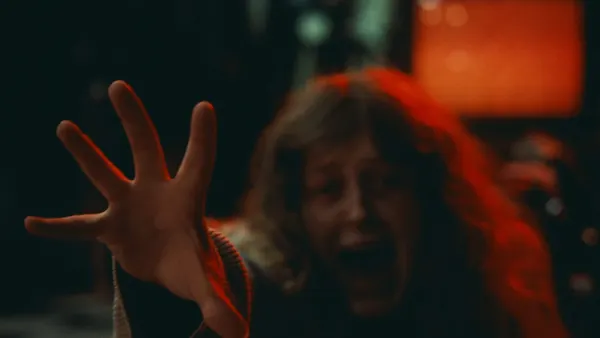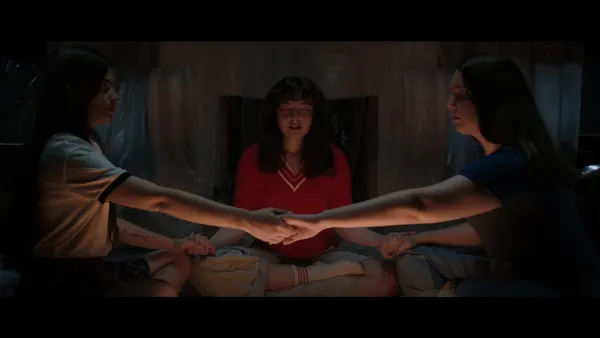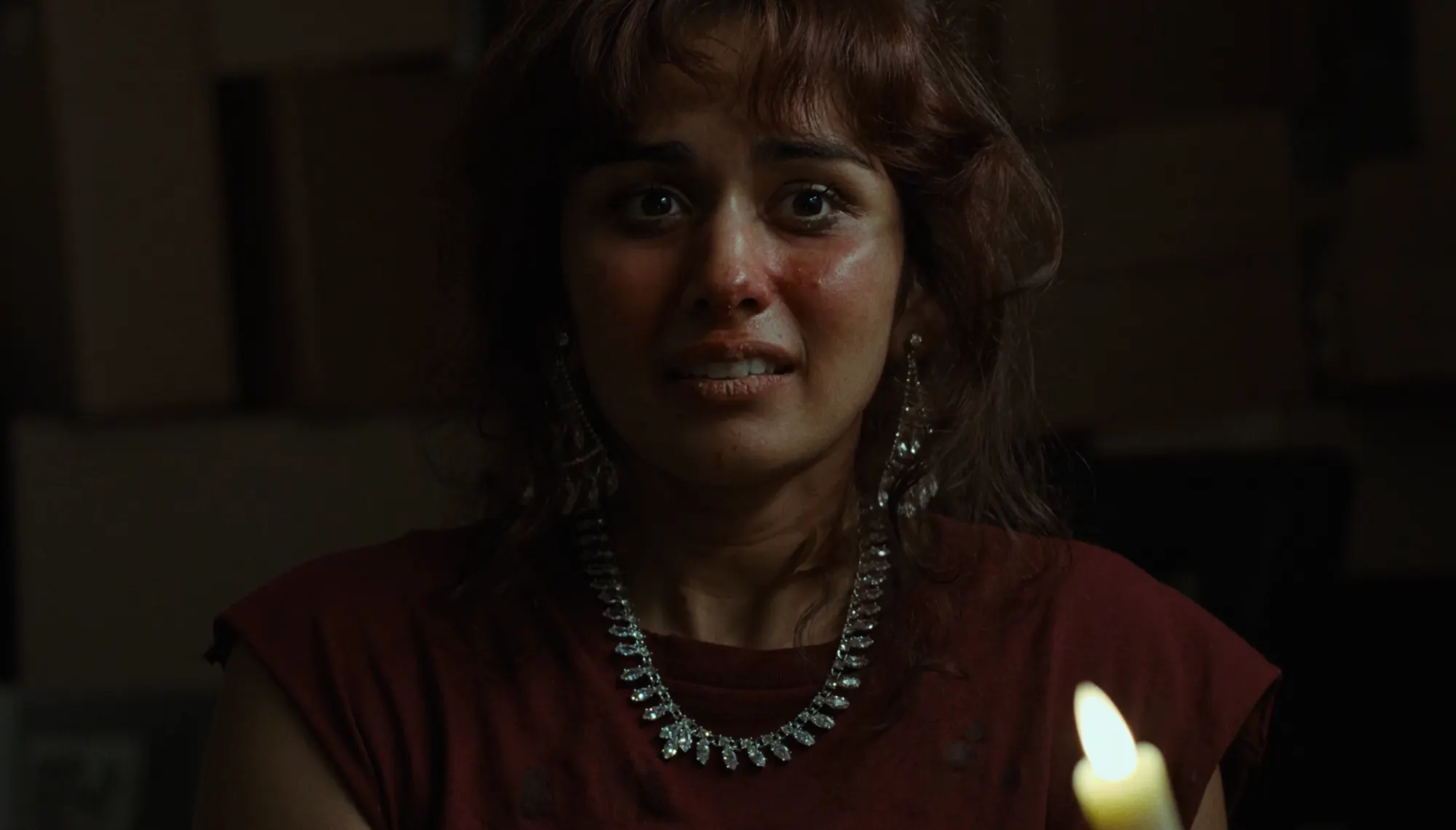
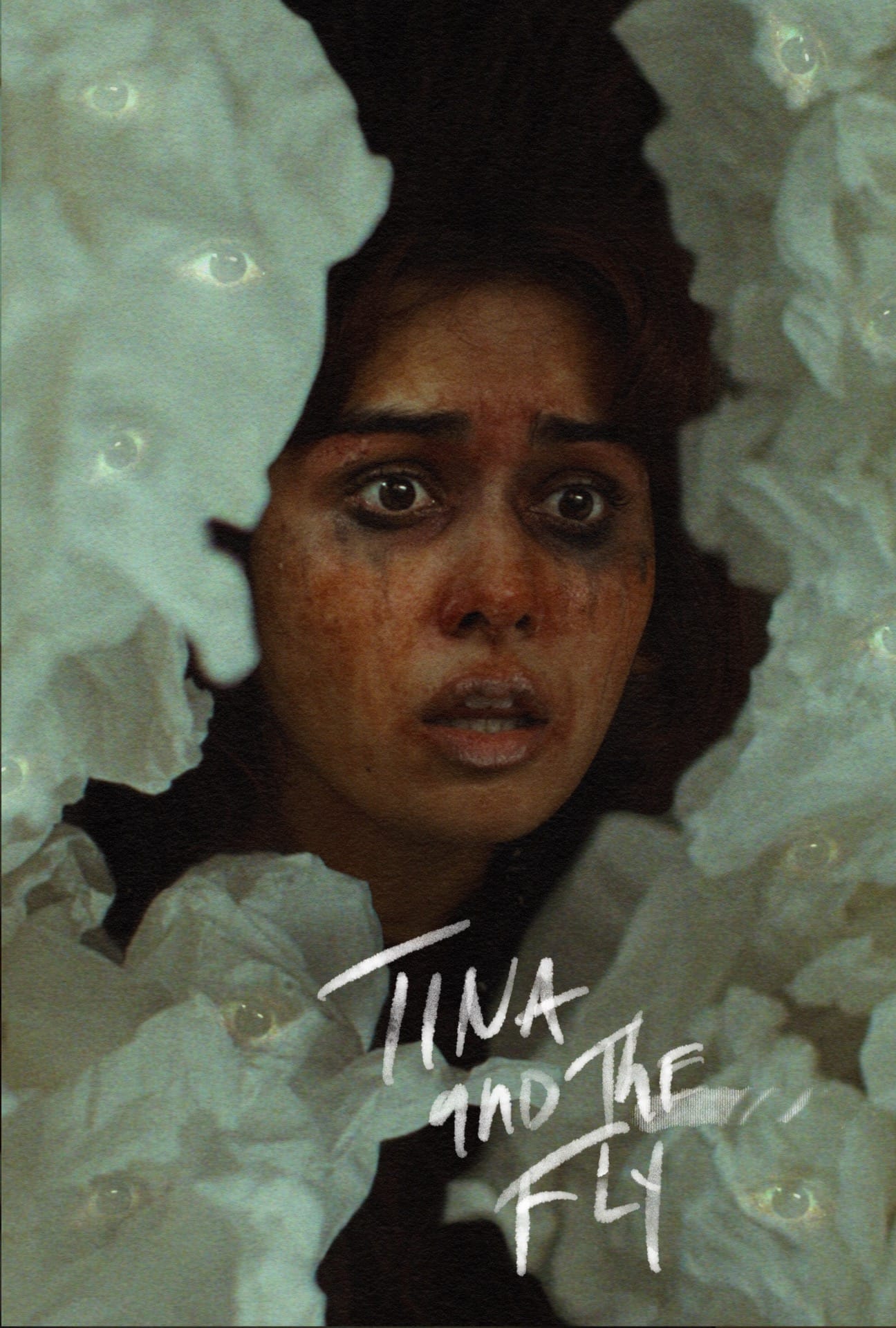
After a terrible breakup, a woman develops a toxic codependent relationship with a house fly. It is a premise that sounds like a joke until you watch it play out, and then it sounds like something you recognize. Tina and the Fly, written and directed by Barrett Lesly Shuler and produced by Keith Roenke alongside the team at It's Worth Nothing Forever, uses genre to talk about addiction, abuse, and the spiral a person can talk themselves into one small concession at a time.
The film was one of twelve shorts the company shot principal photography on within a single calendar year, and it was made the hard way on purpose: three fly puppets built from scratch at different scales, environments designed to match them, and a lead performance from Deepti Menon carrying nearly the entire runtime opposite an inanimate object. For Roenke, that's the point. The company was built so the work could happen without permission, without a pitch deck, without waiting for an algorithm to approve the idea.
Key Takeaways
- The fly was built from scratch in three different sizes, with surrounding environments scaled to match — all practical, all puppetry, no digital shortcuts.
- Deepti Menon anchors the film almost alone, and the team describes it as the Cast Away of short genre filmmaking.
- It's Worth Nothing Forever was founded to create without permission or promise of profit, and shot twelve shorts in a single year on that principle.
Roenke spoke with us about building the fly, cutting a performance he loved, and what independence actually buys a filmmaker.
Interview
What drew you to make this film, and why this story, why now?
Tina and the Fly was one of 12 short films we shot principal photography for within a calendar year. Tina reflects on addiction, codependency, and domestic abuse.
It's always hard to tackle these kinds of issues, especially within a short genre/horror film, but it is important to shine a light on these problems.
What surprised you most about the filmmaking process, creatively or logistically?
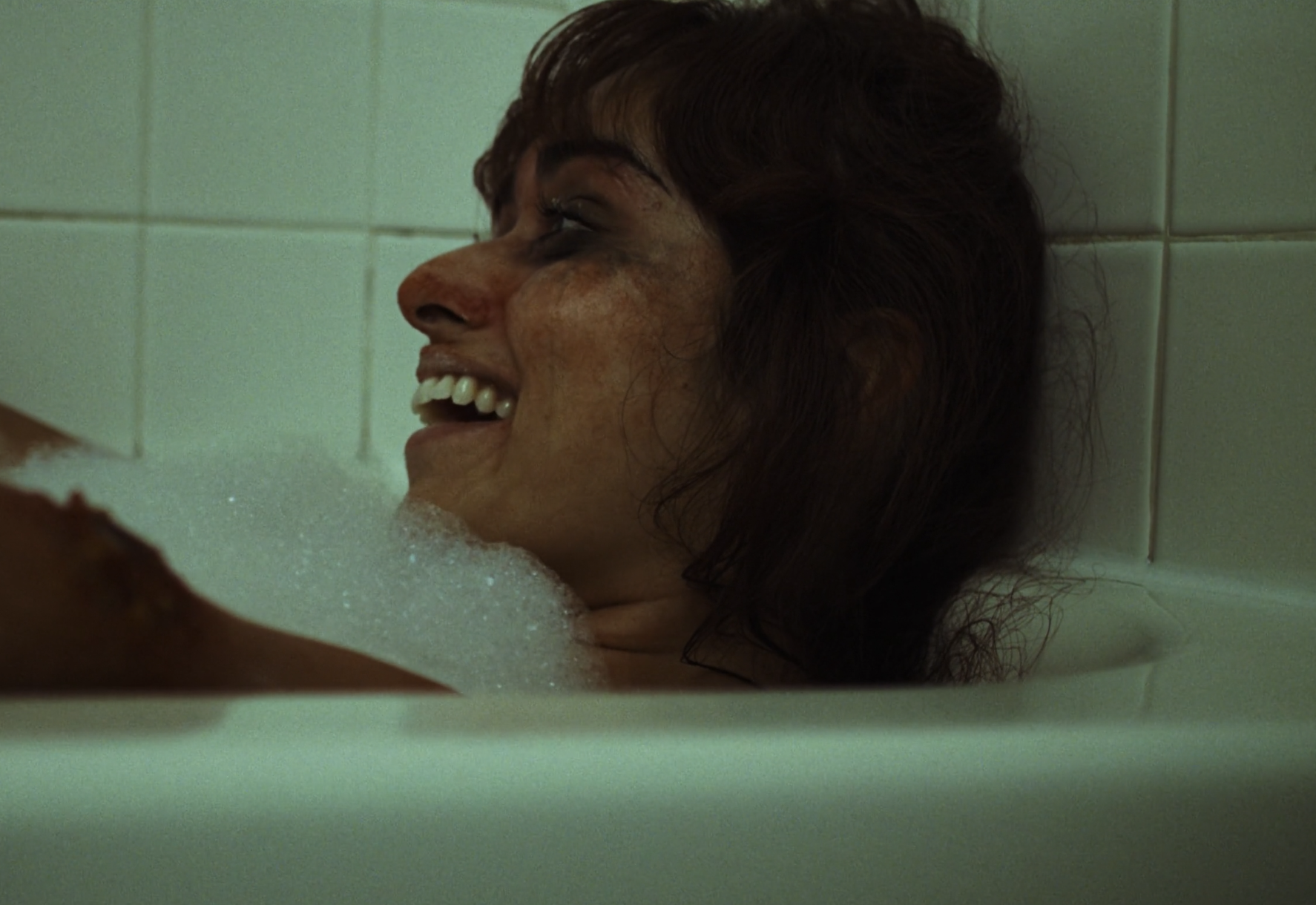
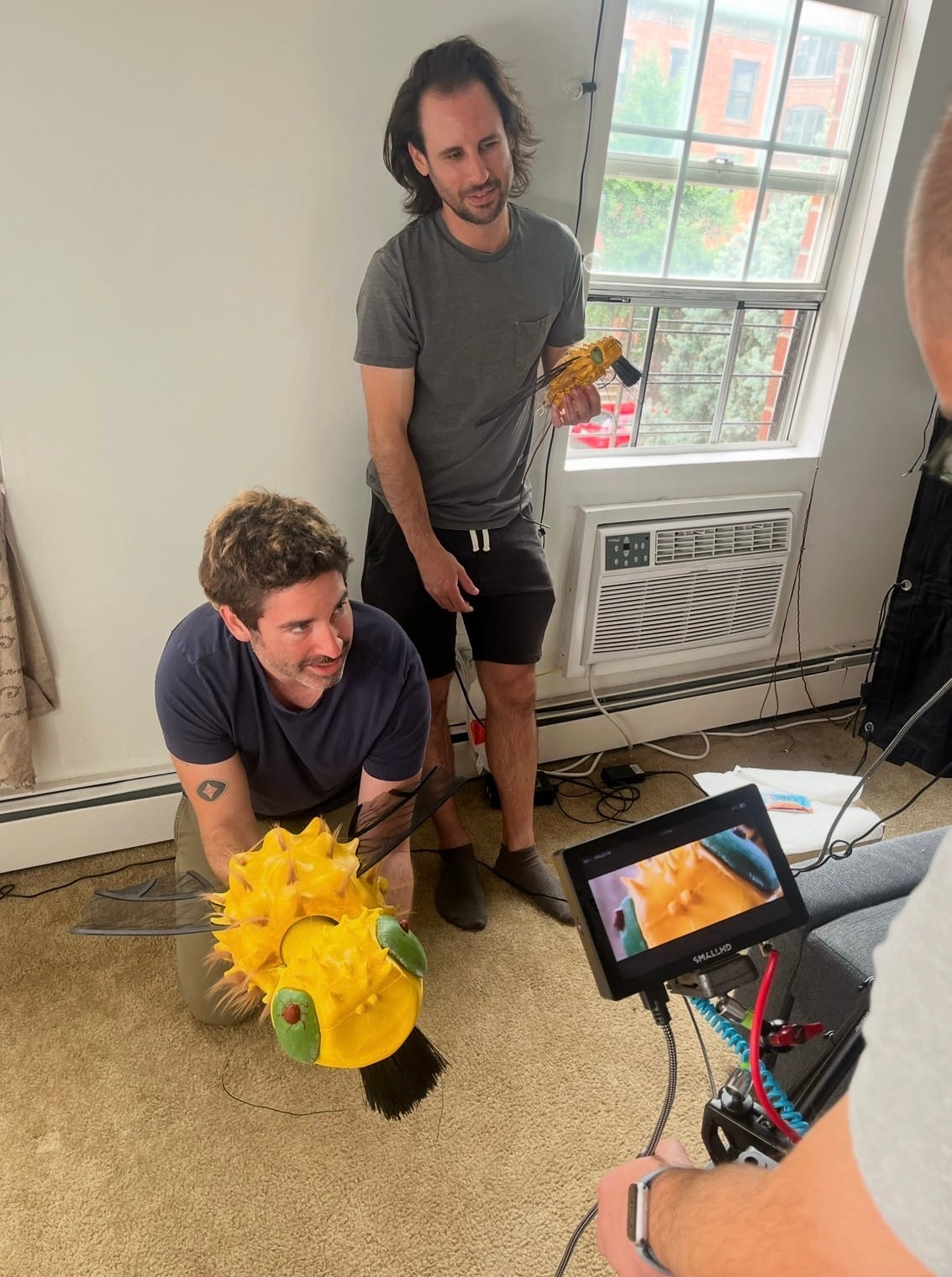
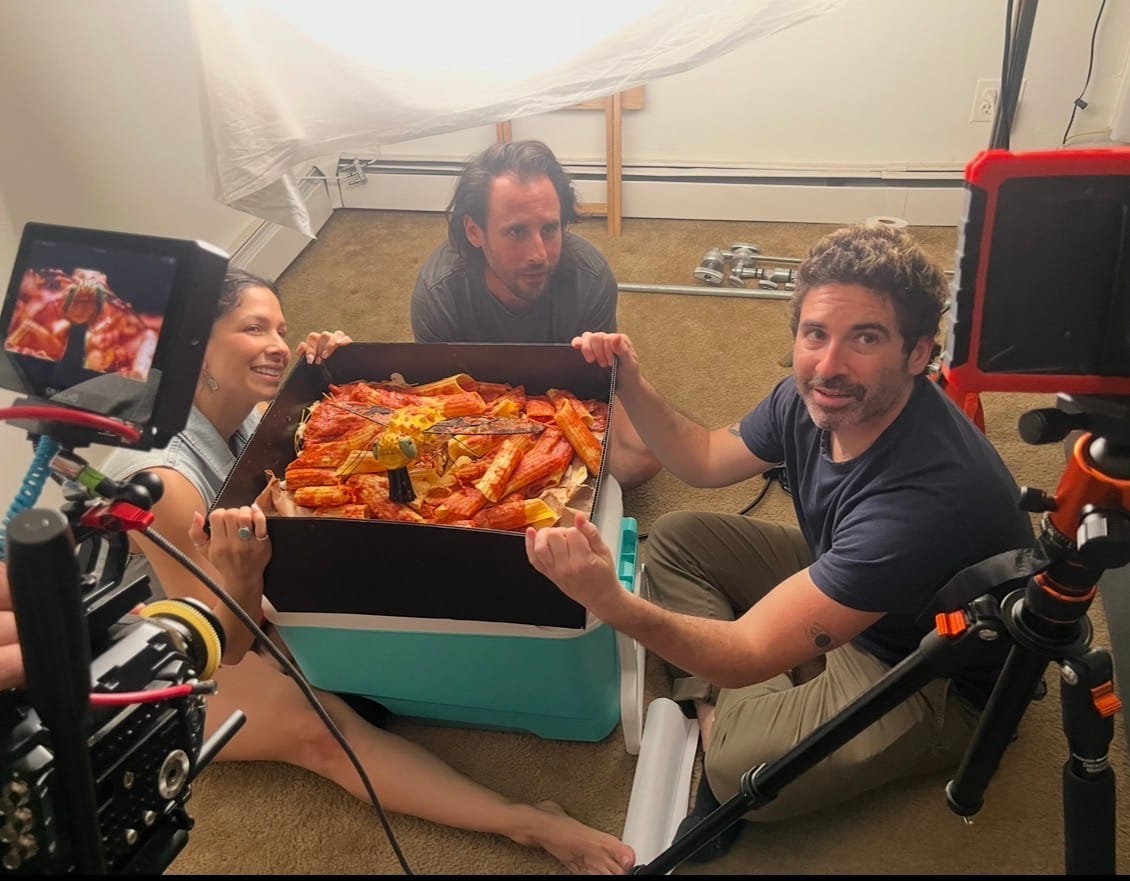
Tina was a labor of love for us. Working with all practical effects. We built the fly from scratch in three different sizes, and then were able to play with the surrounding environments as well. Our production design team knocked it out of the park, and it was incredibly fun, although challenging, to be able to work in that world with puppetry and all practicals.
What moment in the film feels most like you, or like something only your team could have made?
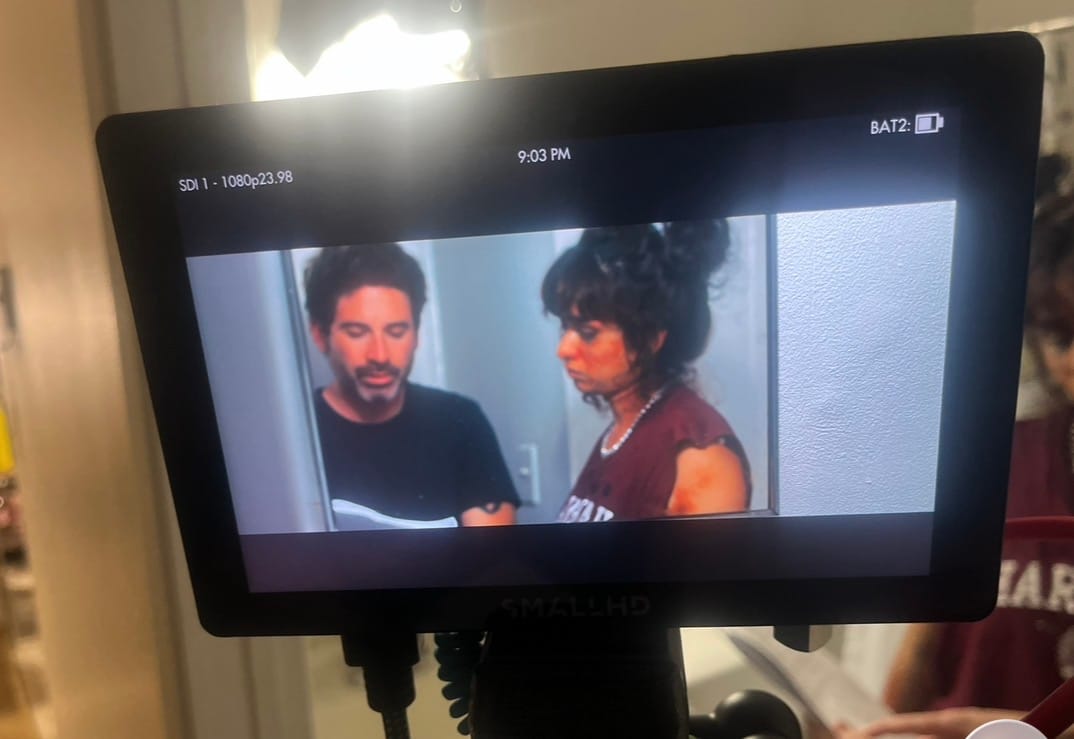
As a longtime collaborator with Barrett Lesly Shuler, I will try to speak for him on this. Barrett has a very unique and demented mind. There is a scene a little over halfway into the film where Tina starts to realize she may be in trouble. She encounters the fly at this point. Our lead Deepti Menon does an incredible job working off our puppet, which seems to guilt her into apologizing. This is all done with one actress and an inanimate fly we designed. Yet so much is conveyed in this moment. It is a testament to Barrett's wild vision, the practical effects team, and Deepti's incredible performance.
What was the hardest creative decision you made while making the film?
We had an amazing actress in Renee Gagner playing the drug dealer in this film, the only other on-screen actor besides our lead, Deepti Menon as Tina. Renee is incredible and has been the lead in many award-winning projects, so to get her in a minor role was a huge win for us. In the end we had to cut her screen time down to serve the film, which is always tough when working with such talent.
How does your film fit within, or push the boundaries of, its genre or form?
On the shoulders of the incredible Deepti Menon, this is the Cast Away of short genre film. A celebration of practical filmmaking, and a throwback to puppetry and the production design of the horror genre from 40 or 50 years ago.
What tool, technique, resource, collaborator, or mindset shift helped most during production?
The collaboration is everything. While we all came together to project writer/director Barrett's voice, this is very much all of our film. When you find the teams that make this work and can be there for the ups and downs, that is everything.
What is the greatest strength of independent filmmaking, and what lesson would you share with others?
The whole intent when we put together our production company, It's Worth Nothing Forever, was to be able to create and make things without "permission." We are creating for the sake of creating. Not because of a promise or wish of financial gain, or profit.
So many original ideas are stifled by algorithms of what "the industry" perceives as a money maker. We aren't interested in that. We want to create.
What do you hope audiences take away from this film?
I hope people are taken back to a time of practical filmmaking. When a story would be conveyed without big flashy scenes and a bunch of effects.
I also hope that anyone who has dealt with some of the issues we cited — addiction, abuse — is able to recognize what Tina does wrong for herself, and to see ways out of that spiral.
What does it mean to have your film selected for FilmQuest, and where does it go next?
It is such an honor to be selected to screen at FilmQuest this year. We have been wanting to be a part of this amazing festival, and champion of independent filmmakers, for a long time, and we are so excited to be a part of the FilmQuest family now.
We already have a number of acclaimed festivals lined up and will be submitting to streamers. Hopefully we can continue to build these stories from the ground up. Continue to play with practical design, puppetry, and the rest. At the core of all our work is a desire to share.
Main Cast & Crew
- Tina — Deepti Menon
- Drug Dealer — Renee Gagner
- Writer/Director — Barrett Lesly Shuler
- Produced by It's Worth Nothing Forever, Jazmin Patiño, Keith Roenke, Arturo Reyes, Donovan Edelstein, Barrett Lesly Shuler
- Full credits: IMDb
- Film page
Filmmaker Opportunities
💛 Fund your next project with fiscal sponsorship
Have a project in the works? As a 501(c)(3) nonprofit, the Cinematography for Actors Institute can accept tax-deductible donations on your film's behalf — a door-opener for grants, foundations, and supporters who want to back your work. We've serviced over 100 projects to date and helped route over $800,000 in funding to filmmakers. Explore fiscal sponsorship →
📬 Grant deadlines and festival opportunities, straight to your inbox
The CFA newsletter rounds up grants, festival calls, and community news for independent filmmakers — the kind of opportunities that are easy to miss and painful to miss. Join the newsletter →
🎬 Focus on the creative — we'll help with the logistics
Production Management, CFA's newest member program, launches this November: production insurance and workers' comp, payroll, film permits, gear rental coordination, SAG-AFTRA compliance, contract drafting, production consulting, and crew recommendations — handled by a team of working filmmakers, à la carte or all in, in partnership with Creative Access Group. It's waitlist-only until launch. Join the waitlist →
League of Filmmakers is published by our parent organization, the Cinematography for Actors Institute — a 501(c)(3) dedicated to education, community, and capital for underrepresented filmmakers and actors. Learn more about CFA →