Table of Contents
James Whitaker is a Primetime Emmy nominated cinematographer who has worked on projects such as Hawkeye, Patriot, and, more recently, DTF St. Louis.
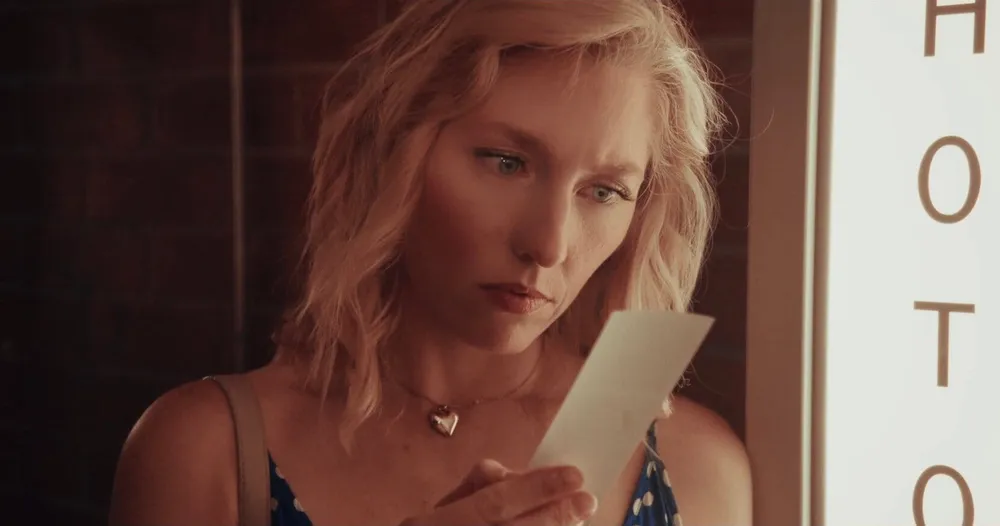
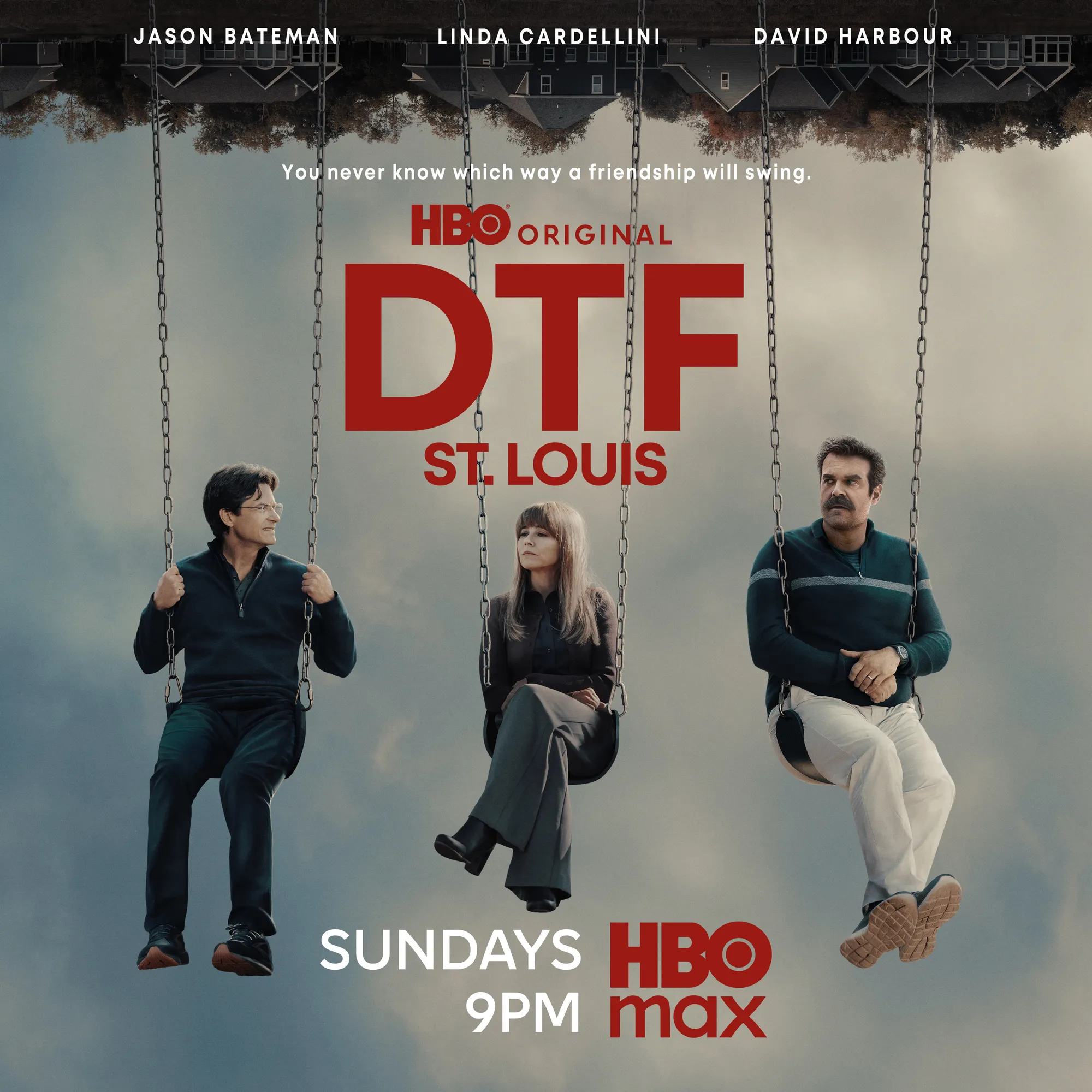
DTF St. Louis is a new HBO limited series starring Jason Bateman, David Harbour, and Linda Cardellini. It follows three middle-aged suburbanites looking to spice up their lives, which leaves one of them dead. It premiered on March 1, 2026.
LOF had the opportunity to sit down with Whitaker and hear about his vision and process behind DTF St. Louis, as well as his past work and experiences as a cinematographer.
Director/Cinematographer Relationship
Whitaker wasn’t a stranger to the work of showrunner/director Steve Conrad; DTF St. Louis would be their fourth show together. To Whitaker, that meant there was already a level of trust and camaraderie between the two, so while there wasn’t an immediate vision, he wasn’t worried about the process.
“I wanted the photography to become observational, and I wanted it to become intentionally passive. It's a very immersive thing. I wanted to feel like the viewer is watching these people live, just as we are with the camera.”
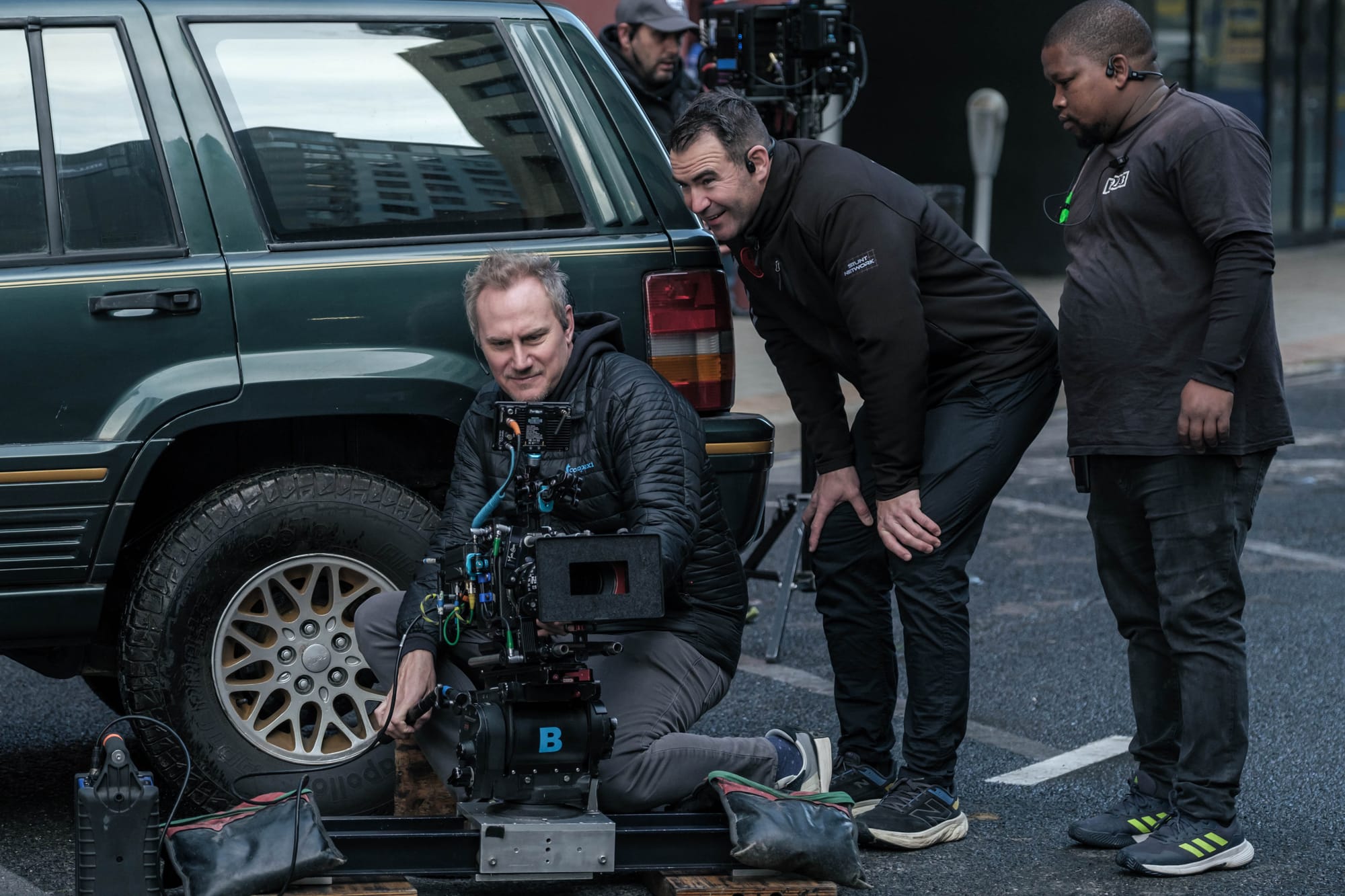
Although he did have reservations regarding the setting of the show,
“I was a little concerned about how [could] I make suburban existence interesting visually at all?”
He decided to lean into that – what happens when suburban life starts feeling too ordinary?
Whitaker and Conrad’s 10-year working relationship allowed them to be open to the visual direction and language of each scene and character. Whitaker says this helped them discover new things later in prep.
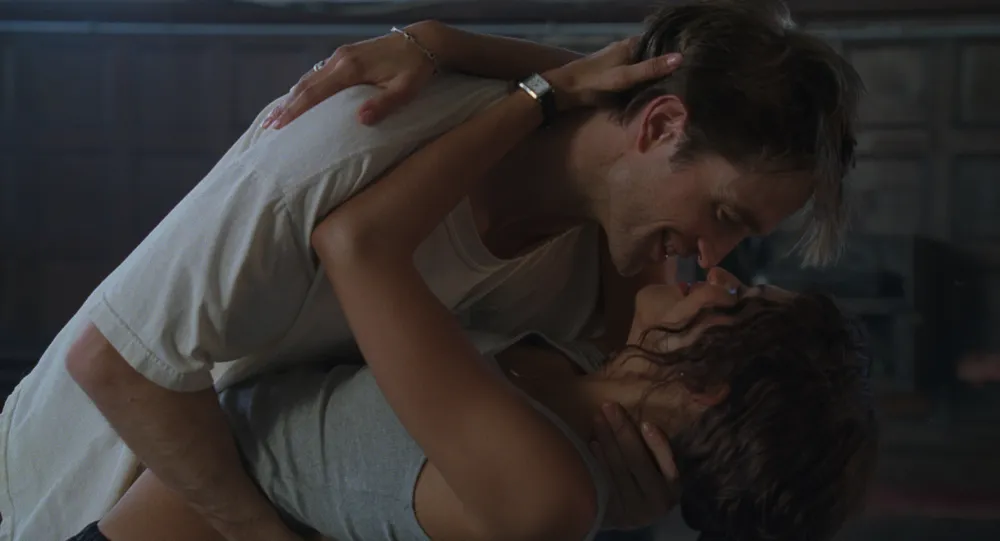
“So there's an investigation, and we discovered that we wanted that to be very formal, much more of a locked-off camera, and cooler tones. Whereas the flashbacks, which are pre-him having died, we allowed it to be a looser camera, a lot more handheld. And some warmer tones, kind of like a memory of a happier time in a way.”
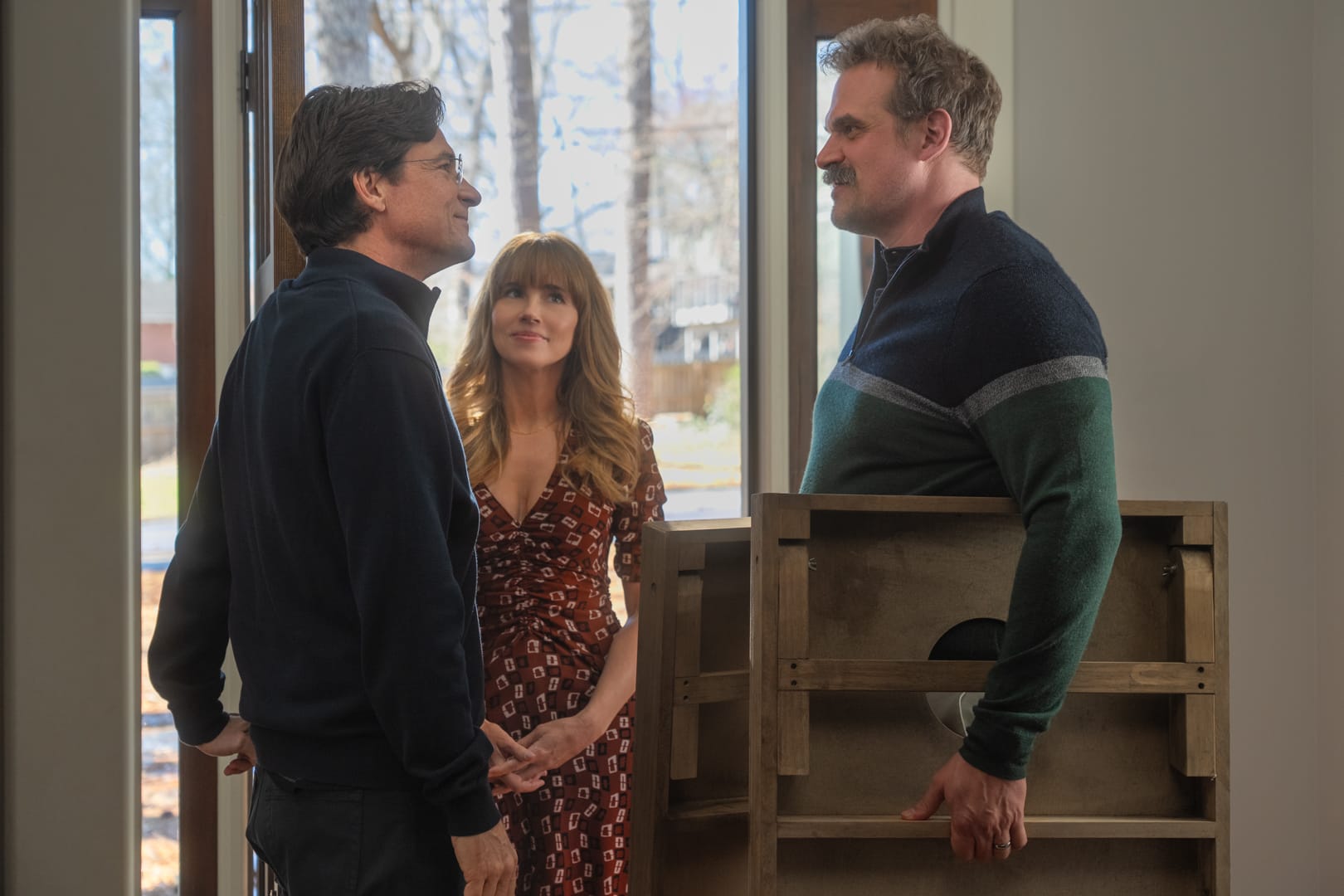
Whitaker couldn’t help but sing Conrad’s praises, stating that he’s always willing to listen to the ideas of his crew.
“All of us show up with all of our ideas, and the greatest part about it is that he's open to everything. He doesn't want to really dictate anything; of course, he has his opinions,”
He mentions their first series together, Patriot. Conrad sought him out and attempted to convince him to join the show. Whitaker was reluctant at first, saying,
“They just want to make a schedule and so it makes me very nervous because it seems like photography is often one of the first things that gets thrown out the door.”
In the end, they agreed they would take risks and break rules. “We don't do three cameras; we do one camera, and we make every single setup worth it,” said Whitaker.
DTF St. Louis has more coverage than Whitaker and Conrad’s previous shows, he says; he doesn’t want it to feel ordinary,
"[We're] constantly trying to push the compositions, trying to make it interesting for the viewer."
Over a decade, Whitaker and Conrad have built a strong working relationship, he shares his thoughts on the factors that create a productive director and cinematographer team.
“I think it's really important to challenge each other. I do. I think trust is fantastic, but I think trust is almost less essential than being comfortable with the idea of challenging each other. It's almost that thing where you, you know, if I throw a challenging idea toward the boss and that makes him come up with something more creative, that's a good thing, right? And if he does that to me, that's a good thing. And ideally, that comes with trust behind it.”
He acknowledges that this isn’t the case for every director, recalling his work on a previous film with a director he hadn’t worked with in 20 years.
“We had a brutal schedule. It was just almost impossible to make. He [the director] was pushing me constantly to not only make the day, but come up with really interesting compositions and camera moves and you know we were moving so fast, you're like is any of this any good?”
Whitaker adds,
"But he was a very well established director and so at the end of the day, you just kind of go like you have to put a little trust into this guy [that] it's going to be a good end product."
Cameras/Lenses
Whitaker goes into detail about the cameras used during shooting DTF St. Louis, each meticulously chosen for a specific reason.
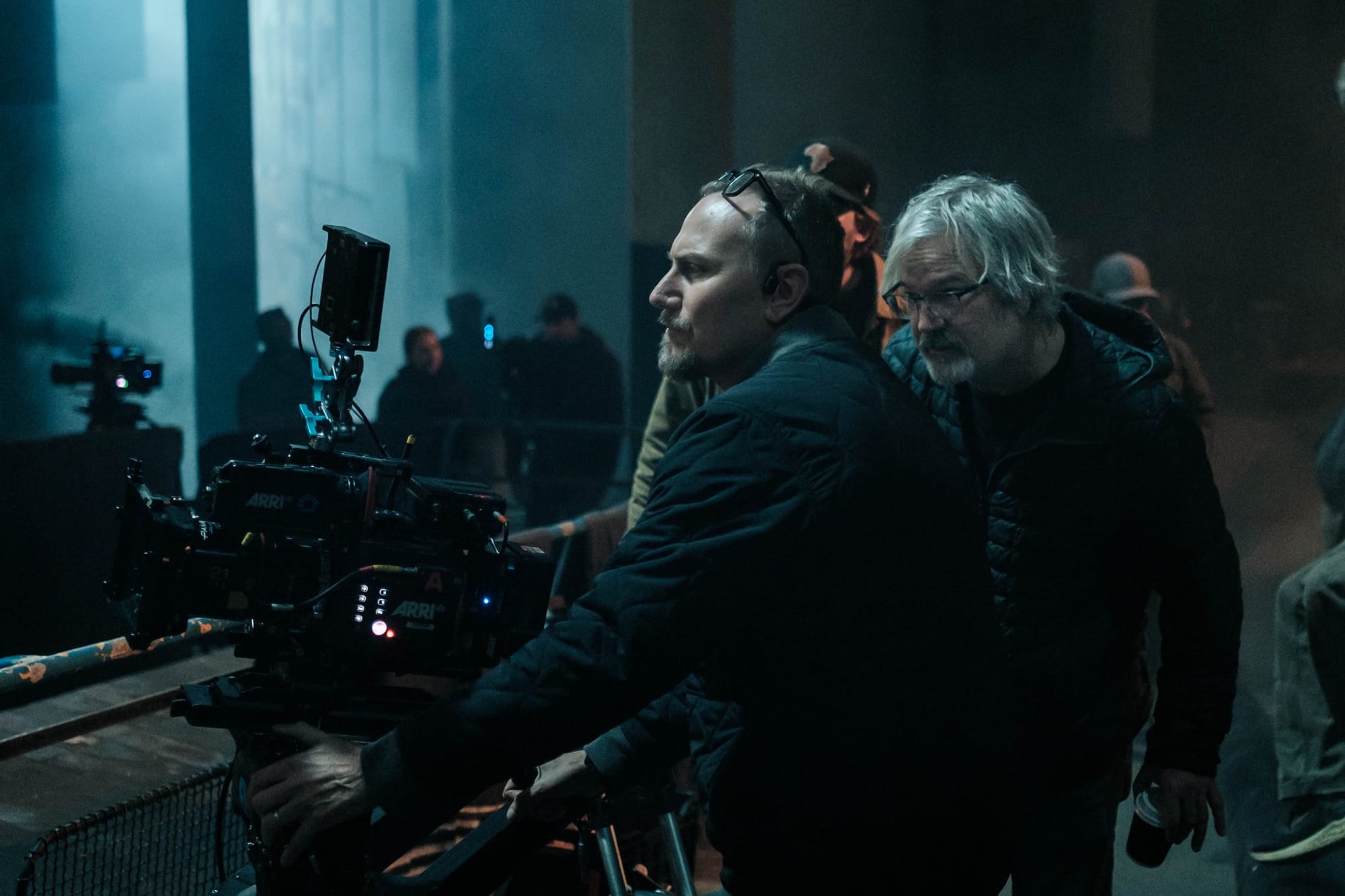
“Yeah, so this was an opportunity for me to shoot the 65 format. I knew that I wanted to shoot Alexa 65 for the show. Actually, I really wanted to shoot film, but it was not something that we were able to do. But the thing I liked about the 65 format for this show is that 65 really isolates characters, or it has the power to isolate characters. It almost has a portraiture quality to it if you're mixing it with the right lenses.”
The ARRI 265 was also used, a brand new camera; DTF St. Louis was the first production team to use it from start to finish.
He describes the lenses as rehoused Hasselblad and Minolta Mamiya lenses to be used on cinema cameras, they give what Whitaker describes it as "this beautiful edge fall off," which he says gives the idea of the characters intermingling in each other's lives, yet still having to journey through such a complex situation alone.
Favourite Scene
Whitaker is proud of many shots in the series, and had trouble narrowing it down to just one. He lands on a scene involving Floyd (David Harbour) and Carol (Linda Cardellini) in their kitchen. It’s told through memories and was shot on 16 millimetre Bolex and some 8 millimetre.
“It's just coming off of this swinging swing set scene, it's actually right in episode one, where Jason Bateman's telling Floyd about this new app called DTF St. Louis. The two of them are on a swing set, just kind of swinging back and forth a little bit, having a casual conversation. David then tells Jason that he's kind of not happy in his personal life because lately Linda's character has started umpiring for baseball on the weekends and he keeps seeing her walk around the house in this umpire gear that's like super not sexy. And it's kind of a major turnoff; he talks about it, and we see through his memories.”
He continues,
“But then he [Floyd] says something along the lines of, you know, maybe she [Linda] has something against me too, that turns her off about me. Then he walks into the kitchen in the shot I'm telling you about and he's reading a comic book, he's basically crying right, he's relieved by whatever he's reading. She's chopping, and he's looking really unsexy himself with [a] massive belly, he leans right up against the counter and he puts his stomach right on the celery, which is like that was so fun for us to block that and come up with.”
They used a handheld to shoot the scene, and Whitaker credits the great work of the actors and the trust between him and Conrad to create what felt right for the scene.
"Good Luck, Have Fun, Don't Die"
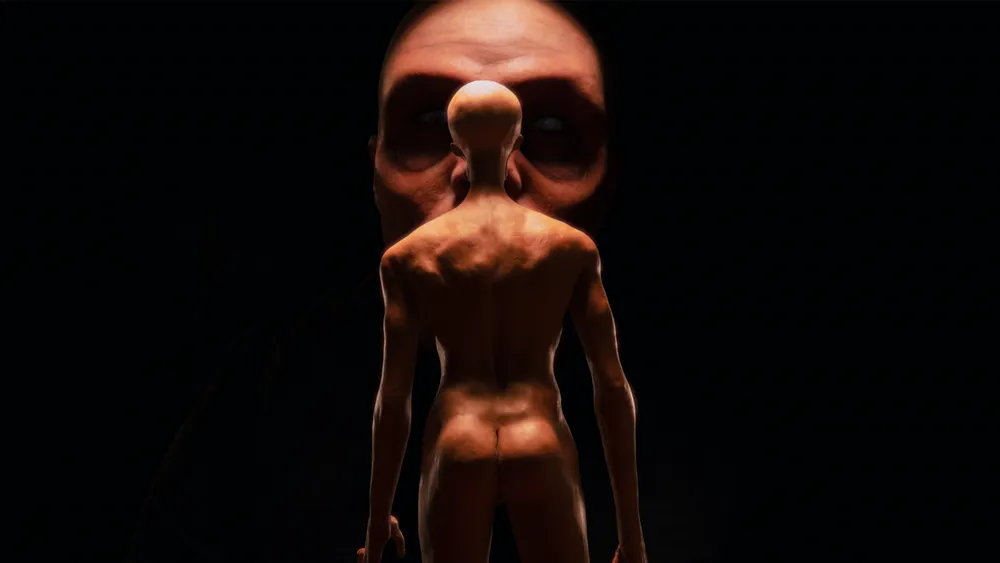
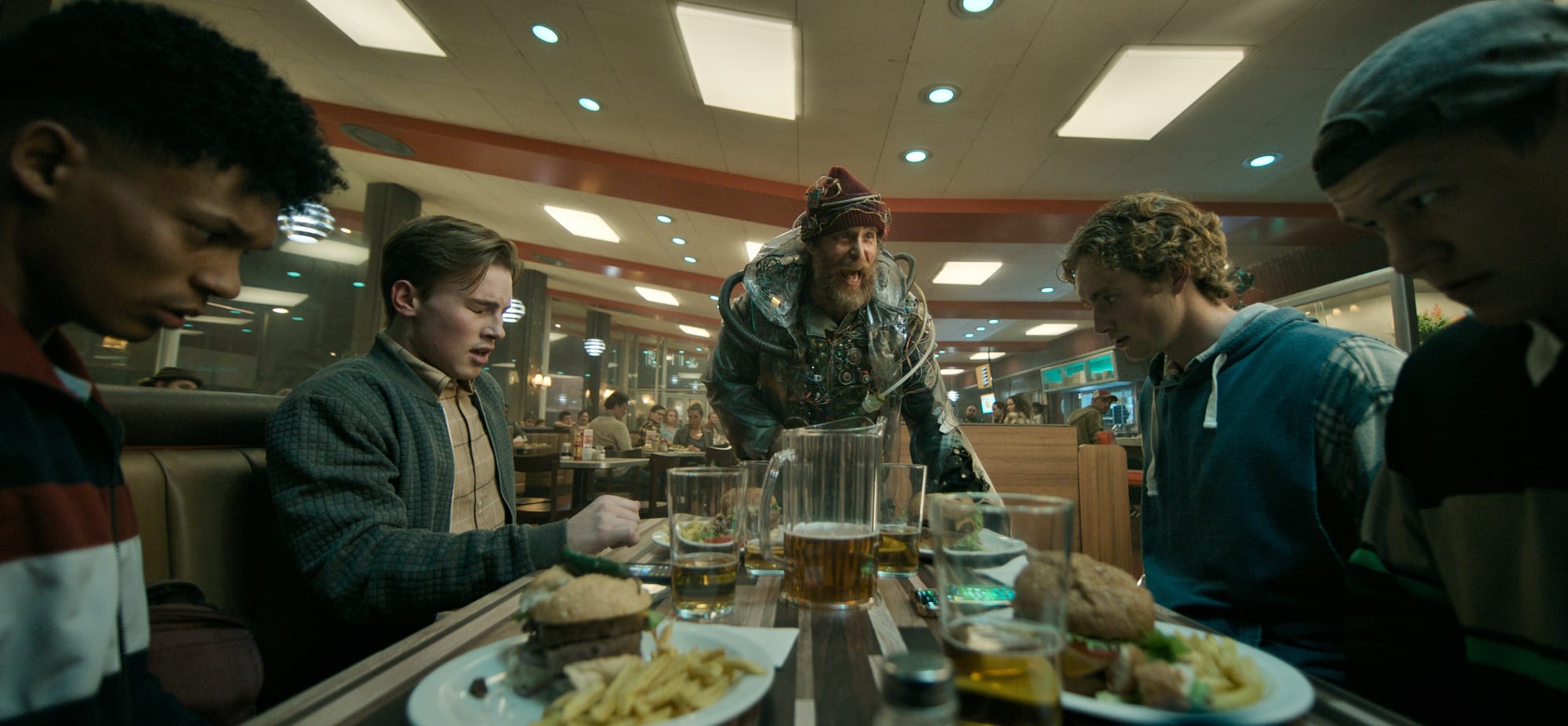
Whitaker’s last project before DTF St. Louis was a sci-fi film titled Good Luck, Have Fun, Don’t Die, released in 2025. He compares the visual tones between the film and DTF St. Louis, acknowledging the shift between the two.
“[What] I said about DTF St. Louis being this very suburban, very almost bland world. "Good luck, Have Fun, Don't Die" is totally the opposite. You know, it’s in a diner, which is bland. Then it goes through a bunch of neighbourhoods, which feels bland, but then at the end of it, it becomes a visual mecca sci-fi experience that has visuals that take you to all sorts of different worlds.”
Cinematography from an Outside Perspective
Cinematography can be seen as a question mark for some people; are they in charge of the lights? The camera? The colour grading? Whitaker acknowledges this, saying,
“Yeah, it sure feels like people don't fully understand cinematography.”
He talks about his time as a young cinematographer and learning from those with more experience. Including his time with one cinematographer he considered a mentor, despite their minimal interactions, who taught him just how experimental and magical the profession could be.
“He [the cinematographer] would hand me stacks of film stock with instructions on the top of each can about what temperature and how long to cook the film stock in the oven for him. And you know, it's that sort of like chemistry/mad scientist world that I think all cinematographers have. A little bit, not only is it art, but it's science and it's chemistry and even though we're not using film as much, some people are lucky enough.”
He compares it to other roles in film, such as set design, makeup, and costume design. Their work is very clear and in your face, whereas cinematography tends to be a bit more subtle.
“Cinematography is just micro decisions all day long about how to create the look of a show, you know, that's a combination of camera, light, filtration, and looks that we create. Then it's not even there on the day. A lot of it, we're also thinking about what we're going to do to the image in post-production."
Despite this, Whitaker is fine with letting the magic of cinematography remain a mystery.
"But yeah, there's something a little intangible about what we do. And I think I'm okay with people not fully understanding what we do."
DTF St. Louis is out on streaming now.
This interview has been edited for length and Clarity.